
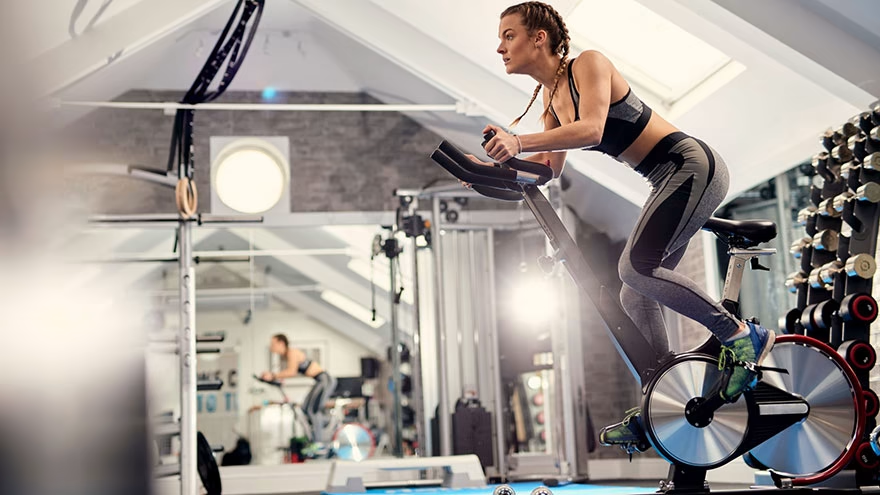
The Honest Answer About Thigh Weight Loss
You can use a stationary bike as part of a plan that lowers overall body fat, and your thighs may get smaller as that happens. You cannot tell the body to take fat only from the thighs because the pedals are moving the legs. That is the part many old fitness articles blur.
A bike can still be a smart choice. It is low impact, easy to scale, simple to repeat, and useful for building lower-body endurance. The better question is not whether the bike can target thigh fat. The better question is how to use it in a way you can repeat long enough to change your fitness.
The bike can help the plan; it cannot choose the fat-loss location.
Why Spot Reduction Is the Problem
The American Council on Exercise has long listed spot reduction as a fitness myth, explaining that exercising one area does not remove fat from only that area. Cycling trains the thighs, hips, and glutes, but fat loss is still a whole-body process.
This does not make thigh-focused goals useless. You can improve leg strength, muscle tone, stamina, and comfort on stairs. Those changes can alter how the legs feel and perform before visible fat loss is obvious.
For another rhythm-based workout, Livecub's Tae Bo weight loss guide shows the same basic lesson: consistent movement matters more than promises about one body part.
What the Bike Does Well
A stationary bike helps you raise heart rate without pounding the joints. It gives quick control over resistance and pace, so beginners can start gently and stronger riders can work harder. It also removes weather, traffic, and route decisions.
Mayo Clinic's calorie table for exercise and weight loss notes that calories burned vary by body weight, intensity, and the activity itself. That matters because two riders can do the same 30 minutes and get different results.
The setting on the bike is less useful than the effort you can repeat.
How Thighs Usually Change
Early changes may be performance based. The legs may feel less tired, hills may feel easier, and the muscles may feel firmer. Visible size changes usually take longer because they depend on total body-fat change, genetics, food intake, sleep, stress, and training consistency.
Some riders also notice temporary thigh fullness after harder sessions. That can come from normal muscle pump and fluid shifts, not new fat. Give the body a day or two before judging progress by fit or measurements.
Set the Seat Before You Chase Intensity
Seat height should allow a slight bend in the knee at the bottom of the pedal stroke. If the seat is too low, the knees and thighs may feel cramped. If it is too high, the hips may rock from side to side.
Keep the upper body relaxed. Grip the handles lightly, keep the chest open, and avoid pushing the shoulders up toward the ears. A better setup can make the same workout feel smoother and safer.
Comfortable mechanics make consistency easier.
A Beginner Bike Plan
Start with three rides per week. Use five minutes of easy pedaling, fifteen to twenty minutes at a pace where talking is possible but not effortless, then five minutes easy. Repeat that for two weeks before making the rides longer.
If you are new to cardio, do not turn every ride into a test. A steady ride teaches pacing and builds confidence. Livecub's basic aerobic steps article is a useful comparison for learning moderate effort without rushing.
Most people need repeatable rides before they need harder rides.
Intervals Can Help, But Use Them Sparingly
Intervals are short harder efforts with easier recovery periods. On a bike, that might mean one minute at a stronger pace followed by two minutes easy. Intervals can raise effort without making the whole workout miserable.
Use intervals once or twice per week at most when you are starting. Keep the other rides steady. If the knees ache, the hips tighten, or the next ride feels worse, reduce resistance and make the hard parts shorter.
Resistance Is Not the Same as Thigh Slimming
High resistance can build leg strength and make the session harder. It does not guarantee faster thigh fat loss. Very heavy resistance may also make beginners grind through the pedal stroke with poor form.
Use enough resistance that the pedals feel controlled, not so much that the body rocks. A smooth cadence with steady breathing usually beats slow, forced pushing. Add resistance in small steps and watch how the knees respond.
Where Strength Training Fits
The CDC's adult activity guidance recommends weekly aerobic activity plus muscle-strengthening days. For thigh goals, that mix makes sense. Cycling gives cardio work, while strength training helps the hips, glutes, hamstrings, and core support the pedal stroke.
Simple lower-body strength work can include sit-to-stands, step-ups, hinges, glute bridges, and side steps. Keep the movement clean and pain free. You do not need a punishing leg day to support bike progress.
For a different lower-body conditioning angle, Livecub's running bleachers benefits article covers stair-style work that also asks a lot from the legs.
Food and Recovery Still Decide a Lot
Bike workouts can burn calories, but food habits can erase that gap quickly. You do not need extreme dieting. You do need a pattern that supports a modest calorie gap if fat loss is the goal.
Protein, fiber-rich meals, enough water, and regular sleep help many people stay consistent. Recovery also matters because sore, tired legs make skipped rides more likely. Plan the week so the hardest ride is not followed by another hard leg session.
How to Track Progress Without Obsessing
Use more than the scale. Track ride duration, average resistance, heart-rate feel, thigh measurements every few weeks, and how clothing fits. The scale can move slowly even while fitness improves.
Take measurements at the same time of day and do not measure after a hard ride. Temporary fluid changes can confuse the picture. Look at four to six weeks of data before changing the plan.
Better data keeps one slow week from ruining a good habit.
Cadence and Resistance Choices
Cadence is how fast you pedal. Resistance is how hard each pedal stroke feels. A good ride uses both, but beginners often push resistance too high and turn the workout into slow knee stress.
For steady rides, choose a cadence that feels smooth and a resistance that lets the legs work without grinding. For short harder efforts, add a little resistance or pedal faster, not both at the same time. That makes it easier to learn what your body handles well.
Smooth pedaling is a better sign than a dramatic display number.
What Results Usually Look Like
In the first two weeks, expect better comfort on the bike more than visible thigh changes. By weeks three to six, rides may feel easier, recovery may improve, and measurements may begin to move if food habits support the goal.
Visible thigh changes often arrive unevenly. One person may lose around the waist first, another may see changes in the hips, and another may notice clothing fit before the tape measure changes. That uneven pattern is normal and not a reason to quit a working plan too early during steady training.
Warning Signs and Adjustments
Stop if you feel chest pain, faintness, severe shortness of breath, sharp joint pain, numbness, or symptoms that do not settle. People with medical conditions, pregnancy, recent surgery, or a long break from exercise should get qualified guidance before harder workouts.
Adjust the bike if knee pain appears. Lower resistance, check seat height, shorten the ride, and avoid standing climbs until the basics feel good. Pain is feedback, not a challenge to ignore.
Frequently Asked Questions
Will a stationary bike make my thighs smaller?
It may help if it supports overall fat loss. The bike cannot force fat loss only from the thighs.
How long should I ride for thigh fat loss?
Begin with 25 to 30 minutes, three times per week. Add time or intensity slowly once the habit feels repeatable.
Should I use high resistance?
Use moderate resistance first. High resistance can be useful later, but it should not cause knee pain or poor form.
Do intervals burn more thigh fat?
Intervals can raise workout effort, but they still do not target thigh fat directly. Use them as one part of a balanced plan.

Linda Fehrman
Edits general wellness and relationship explainers. Health material is educational, avoids diagnosis and links to health-authority guidance.
Leave a reply
Replying to