
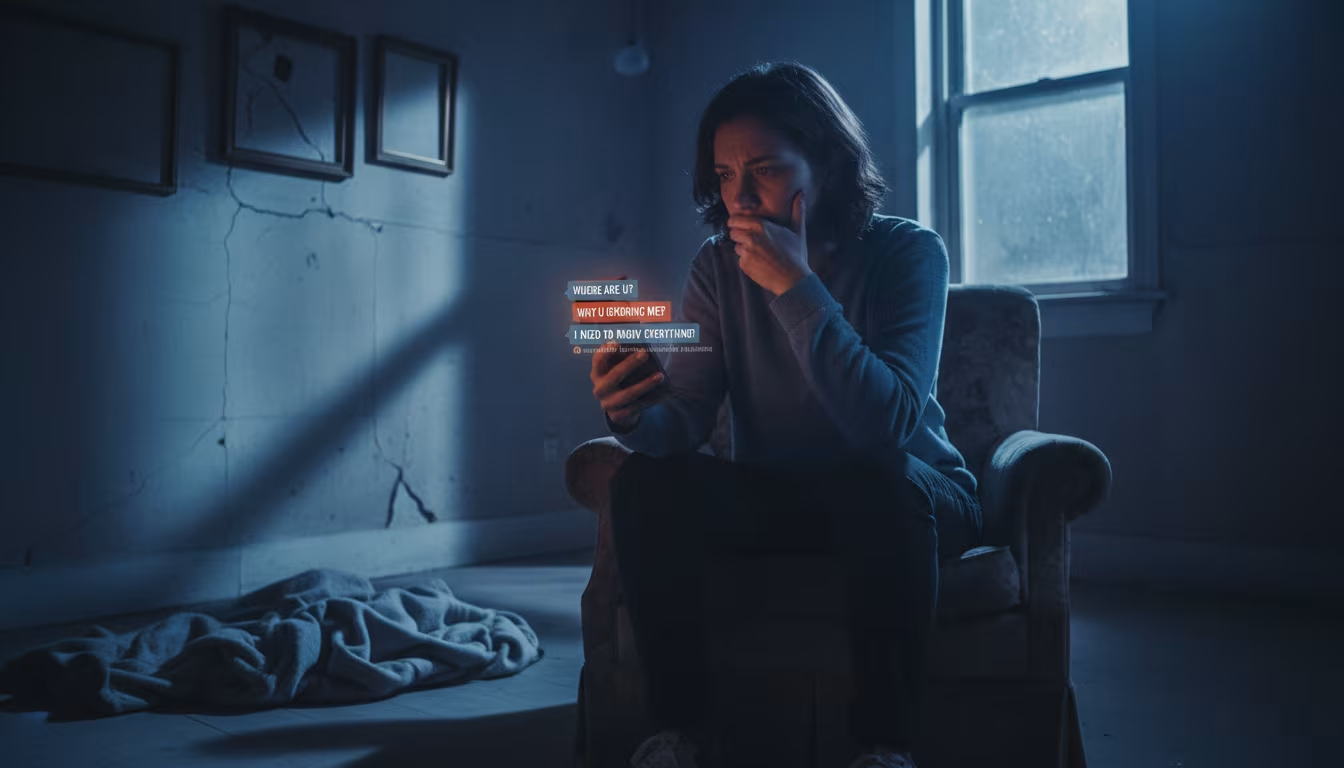
One bad mood, one clumsy argument, or two people wanting different things does not make a relationship toxic. What matters is the pattern: control, fear, humiliation, isolation, threats, blame shifting, financial pressure, and boundary violations that repeat. These warning signs deserve to be taken seriously because unhealthy behavior can harden into abuse, and abuse is about power and control rather than a normal couple's disagreement.
Conflict versus a pattern of control
Conflict happens in healthy relationships. Two people disagree, cool down, listen, repair, and adjust. A toxic pattern is different: one person repeatedly reaches for anger, guilt, money, jealousy, silence, or public embarrassment to stay in charge. The Centers for Disease Control and Prevention describes intimate partner violence as abuse or aggression in a romantic relationship that can include physical violence, sexual violence, stalking, and psychological aggression. Naming those four forms is useful because it shows harm is never limited to hitting, and that the least visible categories are often the ones a partner is most likely to dismiss.
The clearest way to tell friction from control is to look at what happens over weeks, not what happens in one heated hour.
| Area | Healthy friction | Control pattern (red flag) |
|---|---|---|
| Disagreement | Both people can be upset, then repair | One person must always win or punish |
| Friends and family | Time with others is supported | Your circle steadily shrinks |
| Privacy | Phones and accounts stay your own | Passwords, location, and messages are demanded |
| Money | Shared, visible decisions | Access is blocked or rationed |
| After a fight | Ownership and changed behavior | Apology, gifts, then the same cycle |
| Your body | Safe, even when angry | Fear, intimidation, or edited behavior |
The signs that quietly narrow your life

Watch for behavior that shrinks your world. A partner may track your location, check your phone, criticize your friends, decide what you wear, mock your work, threaten to leave every time you disagree, or make you feel responsible for their rage. Control often arrives dressed as concern: "I just worry about you," "Your friends are bad for us," or "Only I understand you." Over time the support system thins out and one person becomes the gatekeeper for money, time, privacy, and movement.
Fear is another marker. If you edit ordinary behavior to avoid yelling, silent treatment, or intimidation, fear has already entered the home. A healthy partner can be upset without making your body feel unsafe. Blame shifting belongs here too: it turns every concern back on you, and gaslighting can make you doubt what happened or whether your reaction is even reasonable. Confusion becomes a tool when it keeps you from trusting your own memory. Notice what follows the harm, as well. Tears, apologies, gifts, and promises are not repair unless behavior actually changes over time. Many controlling relationships run on a cycle: tension builds, an incident happens, warmth and remorse return, and calm settles in until the tension builds again. The warm phase is real enough to keep hope alive, which is exactly why the pattern is so hard to name from the inside. If the same apology has arrived three or four times with no lasting change, the apology has become part of the cycle rather than a way out of it.
When jealousy and privacy become surveillance

Jealousy is not proof of love. A partner who demands passwords, reads messages, tracks location, or interrogates every delay is not building trust; they are building surveillance. Trust grows through reliability, not forced access. The National Domestic Violence Hotline lists warning signs such as extreme jealousy, preventing time with others, controlling finances, and insulting or humiliating behavior, and its resources are a direct reference when you are unsure what to call the pattern.
The healthy standard looks the opposite: adults exchange consent, boundaries, and honesty instead of monitoring. If a relationship still has genuine warmth and simply needs better communication, structured practice like Livecub's marriage seminar ideas may fit. Safety concerns, though, need a different path entirely.
Financial and digital control
Financial control can look like blocking work, taking paychecks, hiding debt, policing every purchase, or forcing you to ask for basic money. Digital control can mean reading private messages, impersonating you, changing passwords, or threatening to post private information. These signs matter because they limit exits. A person who controls your phone, transportation, accounts, and contacts can make reaching help much harder.
For that reason, safety planning should stay private if you think your devices or accounts are monitored. If a partner has access to your phone, do research on a safer device and clear browsing history only when doing so will not raise suspicion. Digital safety is part of physical safety whenever tracking or account access is involved.
If the relationship feels unsafe
If there is violence, threats, stalking, sexual coercion, weapons, strangulation, or fear that leaving could trigger danger, treat the situation as a safety issue rather than a communication problem. Call emergency services in immediate danger. When you can do so safely, speak with a domestic violence advocate before confronting the partner, because leaving is often the most dangerous point in an abusive relationship. The Hotline offers confidential safety planning built for exactly this situation.
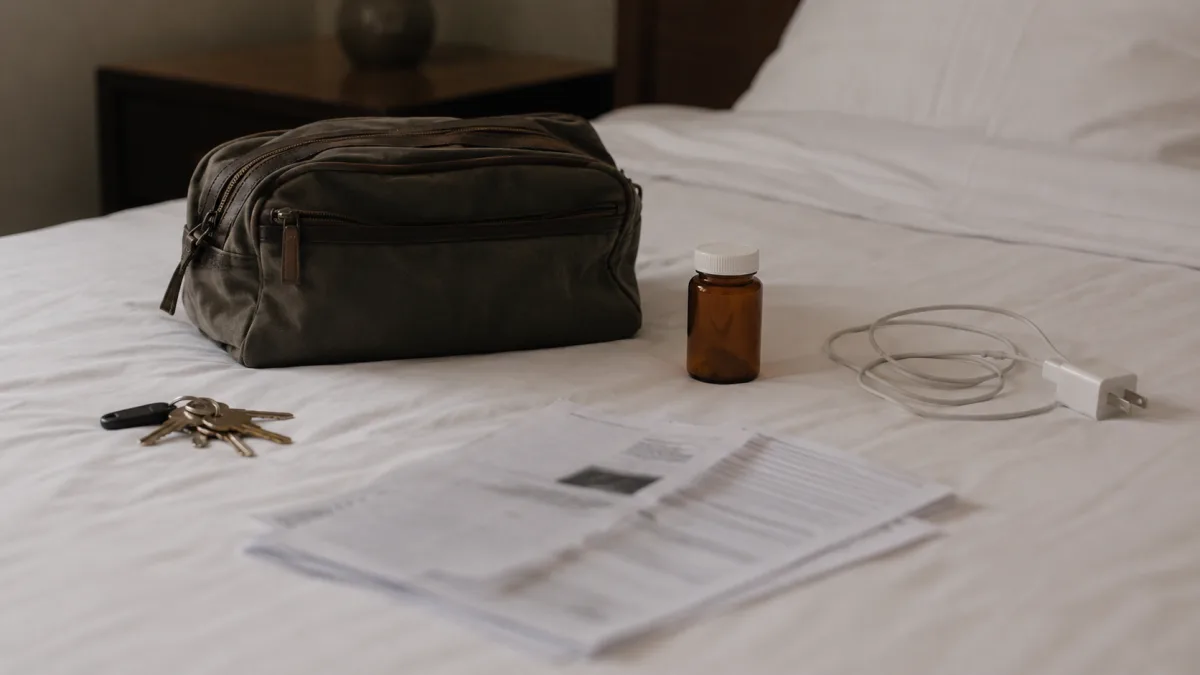
Think through the practical pieces quietly: spare keys, ID, medication, bank cards, chargers, copies of documents, a safe contact, and where children or pets could go if needed. You may not use every item today, but planning before panic gives you more choices. Writing incidents down in a place the partner cannot reach also helps, since a pattern is hard to see from the inside, especially when affection keeps following the harm.
If you see the signs in a friend
Do not demand that a friend leave on your timeline. Listen, believe specific disclosures, and avoid insulting the partner in a way that makes your friend defend them. Concrete help often matters more than a speech: a ride, a place to store documents, or a quiet code word. Keep the door open even if they return to the relationship, because shame deepens isolation. Ask how to communicate safely, since a text or voicemail may be seen by the partner, and call emergency services if there is immediate danger. The steadiest support is usually quiet and led by the person facing the risk: you hold the information, keep the offer open, and let them set the pace rather than staging an intervention that could make things more dangerous at home.
Frequently asked questions
Is jealousy always a toxic sign?
No. Feeling jealous can happen to anyone. It becomes a red flag when it turns into monitoring, accusations, punishment, or isolation.
Can a toxic relationship become abusive?
Yes. Repeated control, fear, threats, coercion, or isolation can all be part of abuse. Seek support if you feel unsafe.
What if there has never been physical violence?
Nonphysical abuse can still be serious. Emotional, financial, digital, sexual, and psychological control all cause real harm.
Trust the pattern more than the apology. If your world keeps getting smaller, quieter, and more fearful, reach for support before the next crisis makes leaving harder.

Olivia Prete
Edits culture and personal-development articles, distinguishing opinion and experience from verifiable claims.



Leave a reply
Replying to