
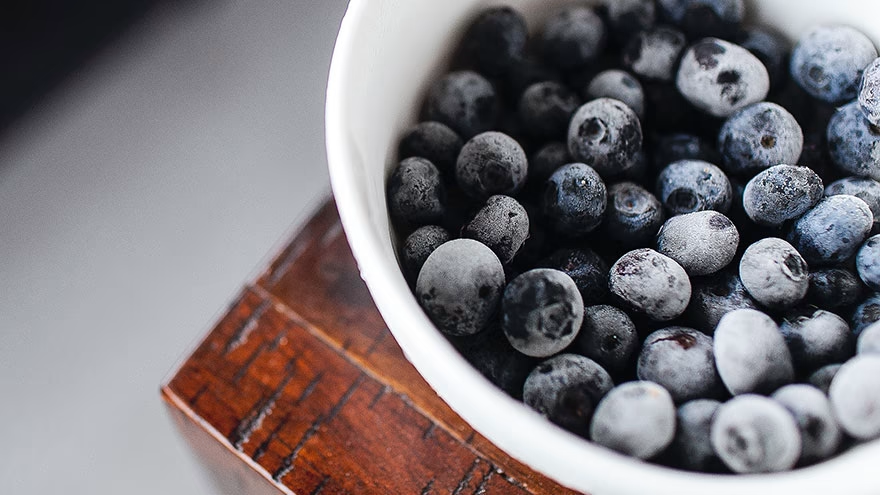
Freezing Summer Berries and Fruits Starts With Timing
Freezing summer berries and fruits is worth doing when the fruit tastes good now. Freezing will preserve a lot of that flavor, but it will not improve bland strawberries, overripe peaches, or sour blueberries. Start with fruit you would be happy to eat fresh.
The University of New Hampshire Extension's freezing fruit fact sheet recommends washing gently in cold water and discarding soft, underripe, or defective fruit. Sorting before freezing saves disappointment later.
Think about how the fruit will be used. Smoothies, pies, sauces, muffins, cobblers, yogurt bowls, and drinks all need slightly different prep. Freeze for the future recipe, not only for the fruit bowl in front of you.
Choose Fruit That Freezes Well
Blueberries, blackberries, raspberries, strawberries, cherries, peaches, nectarines, plums, mango, and rhubarb can all freeze well with the right prep. Soft fruit needs gentle handling. Stone fruit needs pitting and often slicing.
Do not freeze moldy or fermenting fruit. Trim small bruises from otherwise sound fruit if needed, but do not use fruit that smells off. Freezing pauses quality loss; it does not erase spoilage or poor flavor.
Use very ripe fruit for sauces and smoothies. Use slightly firmer fruit for pies, cobblers, and baking so it holds more shape. For dessert planning, Livecub's cookie display guide is useful when frozen fruit becomes bars, cookies, or toppings later.
Mix fruit only when you know the final use. Separate bags stay more flexible.
Wash, Dry, and Prep
Wash fruit gently in cold water. Lift berries out of the water instead of crushing them under a hard stream. Remove stems, leaves, pits, hulls, and damaged pieces.
Dry fruit well before tray freezing. Water on the surface turns into ice crystals and makes clumps. A towel-lined sheet pan or salad spinner can help, but be gentle with raspberries and blackberries.
For peaches and nectarines, peel if you dislike skins in cooked desserts. Slice into the size you will use later. For strawberries, freeze whole, halved, sliced, or crushed depending on the plan.
Livecub's fresh vegetable freezing guide covers the same habit from a different angle: clean, prep, dry, pack, and label before the freezer does its work.
Prevent Browning in Cut Fruit
Some fruit darkens quickly once cut. Peaches, nectarines, apples, and pears can lose their fresh color before they freeze. Use an anti-browning method suited to your recipe, such as ascorbic acid, lemon juice, or a syrup pack.
Lemon juice can add tartness, so use it with intention. A fruit meant for smoothies may handle that flavor well. A fruit meant for a delicate pie may need a more neutral anti-browning option.
Work in small batches so cut fruit does not sit around. Prep, treat, pack, then repeat gives better quality than cutting a whole counter full of fruit first.
Dry Pack and Tray Freeze
A dry pack means freezing fruit without sugar or syrup. The University of Minnesota Extension's freezing fruit guidance says dry packing works well for whole berries and rhubarb when washed and prepared fruit is completely dry before freezing.
For loose berries, spread fruit in a single layer on a parchment-lined sheet pan and freeze until firm. Then transfer to freezer bags or containers. This keeps pieces separate so you can scoop out only what you need.
Tray freezing is best for blueberries, blackberries, sliced strawberries, raspberries, cherries, peach slices, mango cubes, and rhubarb. Do not leave fruit uncovered in the freezer for days. Once firm, pack it.
Single layers prevent fruit bricks. Crowded wet fruit freezes into one solid block.
Sugar Pack and Syrup Pack
Sugar pack and syrup pack are useful when fruit will be used for desserts. Sugar helps preserve texture and color, but it also sweetens the fruit. Use it on purpose, not by habit.
UNH Extension describes sugar pack and syrup pack methods, including mixing berries with sugar or covering whole berries with cold syrup. These methods are especially useful for fruit destined for pies, sauces, and spoon desserts.
If you prefer less sugar, use dry pack and sweeten later. If the fruit is very tart, a light sugar pack can make future baking easier. Label sweetened fruit clearly so it does not surprise you in a smoothie.
For fruit sauces that may pair with desserts, Livecub's tiramisu guide is a reminder that moisture and sweetness change the final texture.
Pack, Label, and Prevent Freezer Burn
Use freezer bags, rigid freezer containers, or vacuum bags. Press out excess air without crushing delicate fruit. Leave a little headspace for fruit packed in syrup because liquid expands as it freezes.
Label each package with fruit type, date, pack method, and any sugar added. A bag of dark frozen fruit can be hard to identify three months later.
USDA FSIS freezing and food safety guidance explains that freezing keeps food safe by slowing molecule movement and causing microbes to enter a dormant stage. Quality still depends on packaging and time.
Air is the enemy of freezer quality. Better wrapping means better fruit later.
Portion Fruit for the Way You Cook
Package fruit in amounts you actually use. One-cup portions are helpful for smoothies, muffins, oatmeal, and yogurt. Two-cup portions work for crisps, compotes, and small sauces. Larger bags make sense only if you usually cook for a crowd.
Flatten freezer bags before freezing so they stack neatly and thaw faster. If using containers, choose sizes that leave little empty air space. Too much air around fruit encourages freezer burn.
Keep stronger-smelling foods away from loosely wrapped fruit. Berries can pick up freezer odors if packaging is weak. Good packaging protects flavor, not only shape.
How to Use Frozen Fruit
Use frozen fruit directly in smoothies, sauces, compotes, muffins, crisps, cobblers, oatmeal, pancakes, and yogurt bowls. For many baked goods, do not thaw first unless the recipe says so.
For pie filling, thawing and draining may help control excess liquid. Save the juice for syrup, drinks, or sauce. For pancakes and muffins, toss frozen berries with a little flour if the recipe allows.
Frozen fruit softens after thawing, so it rarely looks like fresh fruit on a platter. Use it where texture change makes sense. Livecub's stir-fry sauce guide may seem far away, but the same balance of sweet, acid, and salt applies to fruit glazes and sauces.
Common Freezing Mistakes
The first mistake is freezing wet fruit. Surface water creates ice and clumps. Dry fruit as well as practical before tray freezing.
The second mistake is packing fruit without labels. Dates matter because fruit quality fades over time. Labeling also tells you whether sugar or syrup was added.
The third mistake is thawing fruit on the counter for hours. Thaw in the refrigerator or use frozen fruit straight in cooking when appropriate.
Frozen summer fruit is not fresh fruit in disguise. It is its own ingredient, best used in ways that welcome juice, softness, and concentrated flavor.
Freezer Organization Helps Quality
Put new fruit behind older packages so the oldest bags get used first. Keep a simple freezer list on paper or on your phone if you freeze several kinds of fruit in one season.
Store delicate berries where they will not be crushed by meat, bread, or heavy containers. A small bin keeps bags upright and makes it easier to find what you need before the freezer warms up.
Plan one or two recipes as soon as you freeze the fruit. Future smoothies, cobblers, sauces, or muffins give those bags a destination instead of letting them disappear under newer food.
Use the most delicate fruit first. Raspberries and sliced strawberries show freezer wear sooner than blueberries or cherries. If a bag has more ice crystals than fruit aroma, turn it into sauce instead of serving it plain. A quick compote can still taste good over pancakes, yogurt, or cake.
Frequently Asked Questions
Should berries be washed before freezing?
Yes, wash gently in cold water, sort carefully, and dry well before tray freezing or packing.
Can I freeze fruit without sugar?
Yes. Dry pack works well for many berries and fruits, especially for smoothies and later cooking.
Why did my frozen berries clump together?
They were likely wet, crowded, or packed before freezing firm. Tray freeze in a single layer next time.
How should I thaw frozen fruit?
Thaw in the refrigerator, or use fruit directly from frozen in smoothies, sauces, muffins, and cooked desserts.

Chiara Bradshaw
Covers education, culture and creative topics with an emphasis on readable explanations and verifiable references.




Leave a reply
Replying to