
A Short Hike With Big Cajon Pass Views
Hiking in Mormon Rocks, CA is a quick way to see sandstone formations, chaparral, Cajon Pass views, and a piece of Southern California travel history. The hike is short, but it still deserves real preparation because sun, wind, loose footing, and traffic access can shape the day.
This is not a deep wilderness hike. It is a compact interpretive trail near Highway 138 and Interstate 15. That makes it useful for a half-day outing, a road-trip break, or a geology-focused walk.
Short trail does not mean no planning.
Trail Basics
The U.S. Forest Service page for Mormon Rocks Interpretive Trail 6W04 describes a 1-mile loop beginning around 3,360 feet in the Lytle Creek-Cajon Pass Recreation Area. The trail climbs to a ridge for views of the Mormon Rocks and Cajon Pass.
The Forest Service also notes that there is no fee to park at the Mormon Rocks Fire Station. Check the current page before going because alerts, fire restrictions, storms, or maintenance can change access.
For another remote-looking site where access details matter, Livecub's Spiral Jetty guide offers a useful travel-planning comparison.
Getting There
The trailhead is near the Mormon Rocks Fire Station along Highway 138. Drivers coming from the Los Angeles or Inland Empire side often approach through Cajon Pass. Because the area sits near major roads, check traffic before assuming the hike will be quick.
High winds, winter weather, fire activity, or crashes can affect Cajon Pass travel. Build extra time if you are pairing the hike with a longer drive to the desert, mountains, or Las Vegas route.
The drive can be more unpredictable than the trail.
What the Trail Feels Like
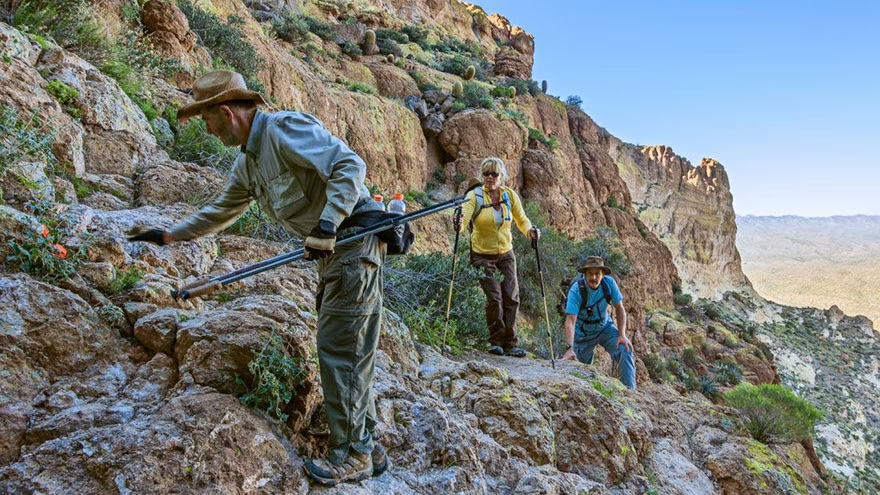
Expect a short loop with sandy or loose sections, sun exposure, and ridge views. The formations are the main event: pale, tilted sandstone rising from chaparral with the pass around them.
Do not expect shade, water, restrooms at every moment, or a long forest walk. This is a quick desert-edge hike with open views. It is best when the weather is mild and visibility is good.
10Adventures' Mormon Rocks route guide also describes the route as a short loop through sandstone formations, which matches the way most visitors use it: as a compact scenic stop rather than an all-day hike.
Best Time to Go
Cool mornings, winter days without storms, and mild spring or fall weather usually make the hike more pleasant. Summer heat can make a one-mile loop feel harsher than expected because shade is limited.
Wind matters too. Cajon Pass can be gusty, and exposed ridges may feel uncomfortable in strong wind. If wind advisories or fire weather warnings are active, choose another day.
Weather matters more than mileage here.
What to Bring
Bring water, sun protection, shoes with grip, a wind layer if the forecast calls for it, and a small first-aid kit. Trekking poles are optional, but some hikers like them on loose slopes.
If you use poles, Livecub's walking sticks adjustment guide can help with length and comfort before the hike. Keep pole tips controlled around other hikers on the narrow parts of the trail.
Wildlife and Plants
The Forest Service notes that the area has birds, lizards, and wildlife that should not be approached or fed. Watch for rattlesnakes, especially in warm weather, and keep children close on narrow or brushy sections.
Stay on the trail to protect plants and reduce erosion on the sandstone and sandy slopes. The formations are photogenic, but climbing where it damages the surface or creates risk is not worth it.
Photography Tips
Morning and late afternoon light can give the rocks better shape than harsh midday sun. Use the trail's ridge views for wide shots, then look for texture in the sandstone from safe spots on the path.
Do not step backward toward drop-offs while framing a shot. The area looks simple, but loose ground can make small mistakes matter. If photographing children, keep them away from edges and wildlife.
For another scenic day-hike planning example, Livecub's Skyline Drive waterfalls guide shows how light, footing, and timing affect outdoor photos.
Family Hiking Notes
Families may like the short distance, but the trail is not a stroller walk. Loose ground, sun, wind, and drop-offs can make it harder for young children than the mileage suggests.
Use a simple rule: hands free, no running on exposed parts, and stop for photos rather than walking while looking at the rocks. Bring more water than you think a one-mile hike needs.
Nearby Trip Pairings
Mormon Rocks can work as a short stop on the way to Wrightwood, the high desert, San Bernardino Mountain communities, or a longer Cajon Pass drive. Keep the stop focused rather than trying to turn it into a full-day destination.
If you are building a wider California or Southwest trip, compare drive time, heat, and fuel stops before adding extra detours. A small hike is more enjoyable when it does not make the rest of the day rushed.
Leave No Trace Basics
Pack out trash, stay on the trail, give wildlife space, and avoid carving or scratching the sandstone. Do not remove rocks, plants, or artifacts. A short roadside hike can still suffer from careless use.
If the trailhead brochure is available, use it and return it only if instructed. Interpretive trails work best when visitors slow down enough to read the landscape rather than simply check off a viewpoint.
Geology and History Context
Mormon Rocks are part of the Cajon Pass landscape, where tilted sandstone formations stand close to major transportation corridors. The area is tied to the historic Mormon Trail and to the broader movement of people through the pass.
You do not need a geology background to enjoy the hike, but it helps to slow down and look at the layers, angles, erosion, and plant life. The short trail becomes more interesting when it is not treated as only a viewpoint.
The rocks make more sense when you notice the pass around them.
Road Noise and Trail Expectations
Because the trail is near major roads, expect some road noise and visible infrastructure. That does not ruin the hike, but it changes the mood. This is not a silent backcountry walk.
Use that location to your advantage. Mormon Rocks can be a good leg-stretch stop on a longer drive, a quick geology walk, or a short outing before other plans. It is less ideal if you want solitude.
Heat and Shade Strategy
There is limited shade, so start early on warm days. Bring water even though the loop is short. A small child, older adult, or heat-sensitive hiker can feel the exposure quickly.
Do not count on clouds or wind to make the hike safe in summer. If the forecast is hot, choose sunrise, sunset, or another trail with shade. A one-mile loop is still outside in the sun.
Short hikes can still create heat problems.
Footing and Trail Manners
Stay aware on sandy or sloped sections. Step aside carefully when passing other hikers and avoid cutting switchbacks. The trail is short enough that patience costs very little.
If you bring a dog where allowed, keep it leashed, carry water, and protect paws from hot ground. Do not let dogs chase wildlife or climb onto fragile-looking rock surfaces.
When to Turn Around
Turn around if wind makes balance uncomfortable, if heat feels stronger than expected, if children stop listening near exposed spots, or if the footing feels worse than your shoes can handle. The loop is short, so there is no reason to force it.
Also turn around if the area feels unsafe because of traffic, smoke, storm clouds, or poor visibility. A better day will give better views and a calmer walk.
How to Make the Stop Worthwhile
Read the interpretive material if available, pause at the ridge, and look back toward Cajon Pass instead of rushing the loop. The hike works best when treated as a small geology and history stop.
Frequently Asked Questions
How long is the Mormon Rocks hike?
The Forest Service describes the Mormon Rocks Interpretive Trail as a 1-mile loop.
Is there a parking fee?
The Forest Service says there is no fee to park at the Mormon Rocks Fire Station, but check current conditions before visiting.
Is Mormon Rocks good for kids?
It can be, with close supervision. The trail is short but has loose footing, sun exposure, and areas where running is not safe.
When should I hike Mormon Rocks?
Choose cool, clear weather with manageable wind. Avoid extreme heat, storms, and fire-weather days.

Linda Fehrman
Edits general wellness and relationship explainers. Health material is educational, avoids diagnosis and links to health-authority guidance.



Leave a reply
Replying to