Press Enter to search or ESC to close
Health

The Importance of Third Spaces for Mental Well-being

Chiara Bradshaw
· · Updated Jan 30, 2026 · 15 min read

The Importance of Third Spaces for Mental Well-being

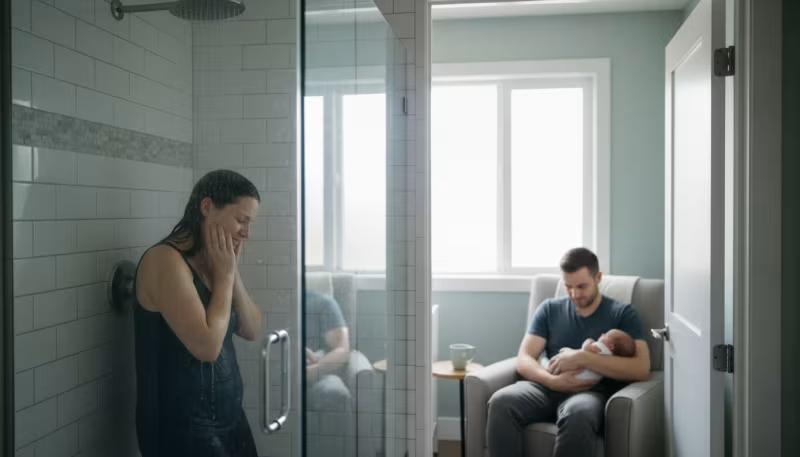
Picture this: you've just wrapped up a long, intense day at work, your brain feeling like a scrambled egg. Or maybe you've spent hours wrangling toddlers, your patience threadbare. You get home, and while your couch is a welcome sight, sometimes it feels like just another extension of your responsibilities.

Home is where the chores are, where the bills sit on the counter, where the family demands your attention. And work? Well, that's self-explanatory.

We're constantly oscillating between these two poles – home and work – and sometimes, frankly, it's exhausting. We crave a spot where we can just... be.

A place where the pressure drops, where you can reconnect with yourself, or with others, without the specific roles or expectations tied to your primary environments. Ever felt that pull? That deep-seated longing for a mental breather, a place that's just yours, but not your house?

That's exactly what we're diving into today: the profound importance of what sociologists call "third spaces" for our mental well-being.

Why This Matters

In our modern, often hyper-connected world, it's easy to feel isolated even when surrounded by people. Our lives are increasingly structured around productivity and personal obligations, leaving little room for spontaneous connection or simple, unstructured relaxation. We're spending more time online, which can offer a facade of connection, but often lacks the depth and nuance of real-world interaction.

This isn't just a hunch; studies consistently show a correlation between social isolation and declining mental health, including increased rates of anxiety, depression, and even physical ailments. Our well-being isn't just about what happens at home or work; it’s also about the spaces in between. When we neglect these "third spaces," we're essentially cutting off a vital artery for our emotional and psychological health.

We miss out on opportunities for casual encounters, for diverse perspectives, for creative inspiration, and for simply feeling like part of a larger community. Think about it: where do you go when you just want to clear your head, observe the world, or strike up an unexpected conversation without an agenda?

If you're struggling to answer, or your answer is "my phone," then this conversation is especially for you. I've found that consciously carving out time for these spaces has been a game-changer for my own stress levels and overall happiness.

What Exactly ARE Third Spaces, Anyway?

So, we've talked about the concept, but let's get specific. What exactly constitutes a "third space"? Coined by sociologist Ray Oldenburg, the term refers to places beyond our home (first space) and work (second space) that are vital for fostering community, public life, and individual well-being.

These aren't just any locations; they're typically characterized by being accessible, affordable (or free), convivial, and places where people can gather informally and regularly. They're often neutral ground, where social status can be temporarily set aside, and people can interact simply as individuals.

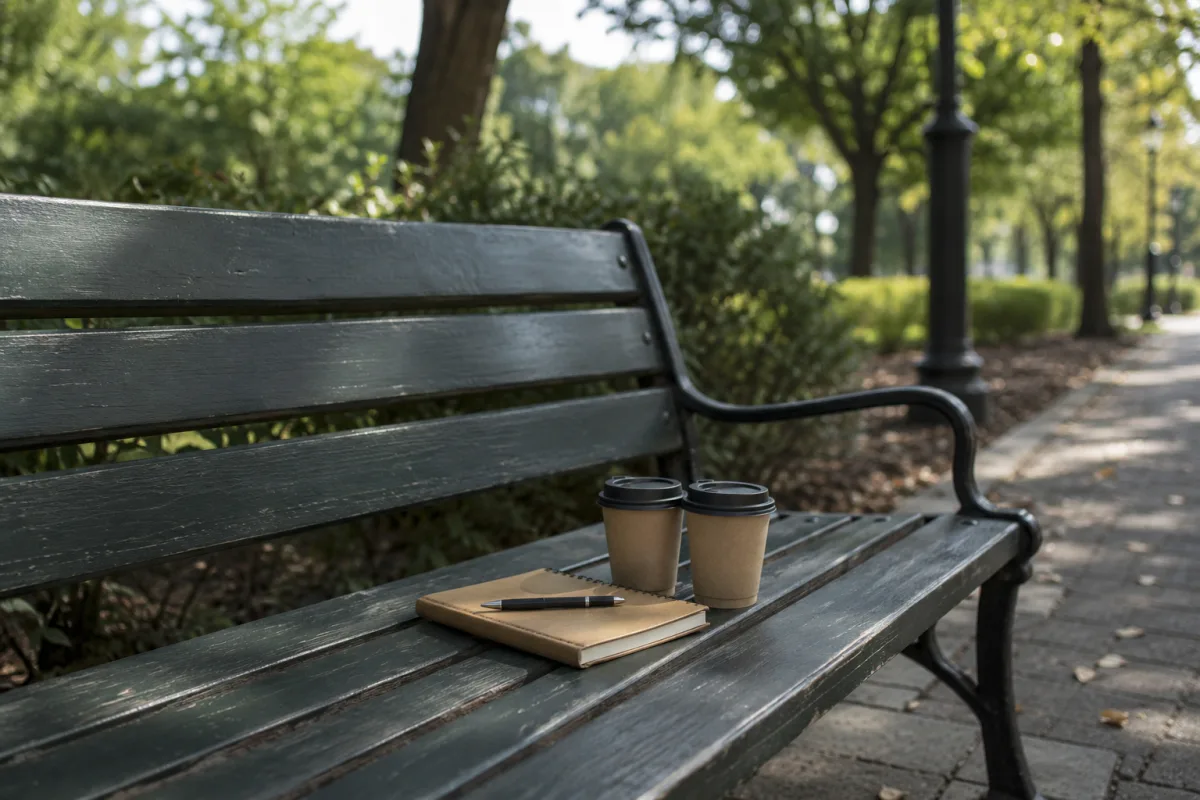
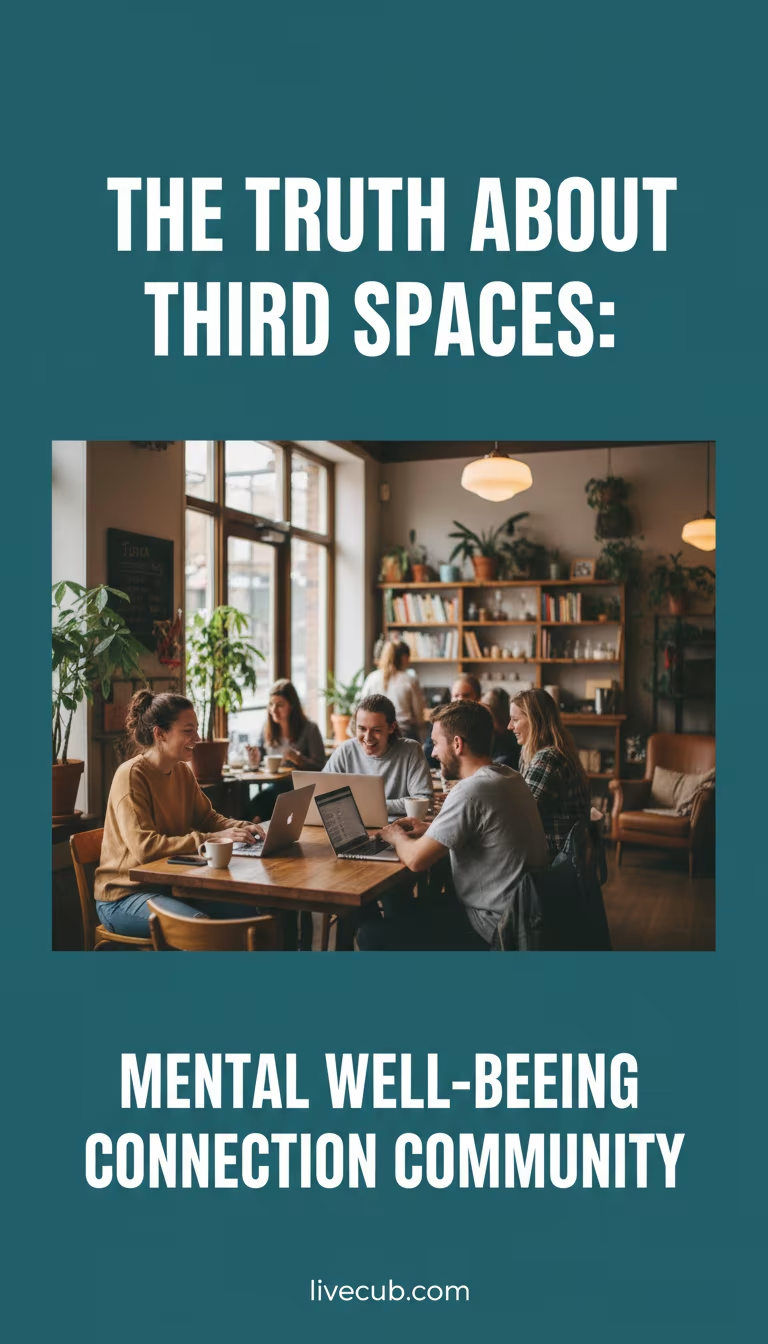
Think about your favorite coffee shop where the baristas know your order, or the park bench where you always see the same dog walkers, or even the community garden where everyone shares tips and tools. These are places that offer a sense of belonging without demanding membership or a formal commitment.

What I love about third spaces is their incredible diversity. They aren't one-size-fits-all. For some, it's the buzz of a local pub; for others, the quiet contemplation of a library reading room.

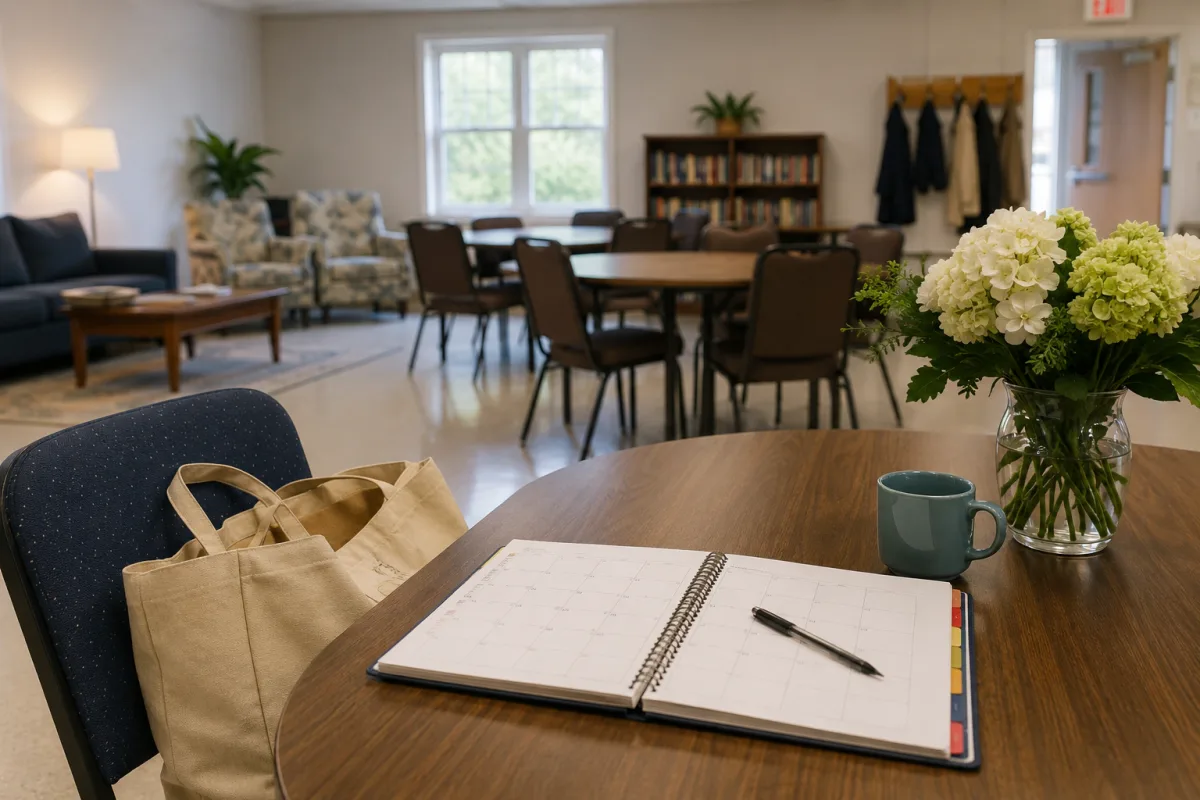
It could be a gym, a community center, a bookstore, a religious institution, a skate park, a local market, or even a laundromat if it fosters conversation and connection. The key is that it's a place where you feel comfortable, can relax, and potentially engage with people outside your usual circles. They offer a reprieve from the often demanding roles we play at home and work, allowing us to explore different facets of ourselves and connect with the broader human experience.

It's truly a beautiful thing when you find your perfect fit.

Finding Your Tribe: How to Identify Potential Third Spaces

  • Think Local and Accessible: Start by looking around your immediate neighborhood or commute path. The best third spaces are often those you can easily get to, ideally without much planning. Is there a local coffee shop you've always walked past but never entered? A small park you drive by every day? A community bulletin board with events? These everyday places are often hiding the perfect spots for you. The easier it is to drop in, the more likely you are to make it a regular habit.
  • Consider Your Hobbies and Interests: What do you genuinely enjoy doing? If you love reading, a bookstore or library is a natural fit. If you're into fitness, a specific yoga studio or community sports club could be your place. For creative types, maybe it's an art studio offering drop-in sessions or a craft store that hosts workshops. Aligning a third space with an existing interest makes it feel less like an obligation and more like a treat, increasing your chances of sticking with it.
  • Look for Repetition and Regulars: A true third space often has a core group of regulars and a predictable rhythm. Visit a few places a couple of times. Do you start recognizing faces? Do the staff seem friendly and familiar with their patrons? A sense of continuity and unspoken familiarity is a huge indicator that a place has a strong "third space" vibe. It's that feeling of quiet acknowledgement from others that really makes a difference.

The Mental Magic: How Third Spaces Boost Well-being

The benefits of actively seeking out and engaging with third spaces are profound and multifaceted, touching on several crucial aspects of mental well-being. First off, they offer a powerful antidote to loneliness and social isolation. In an age where digital connections often replace genuine human interaction, these physical spaces provide opportunities for incidental encounters – a smile from a stranger, a brief chat with the person next to you at the counter, or a shared laugh over a minor mishap.

These small, low-stakes interactions build a sense of community and belonging, reminding us that we're part of something larger than ourselves. It's not about making best friends every time; it's about feeling connected, even peripherally. I remember a period where I was working from home constantly, and honestly, I started to feel like a hermit.

Just getting out to my local cafe for an hour, even if I was still working, completely shifted my mood. The background hum of conversation, the smell of coffee, the occasional nod from a fellow regular – it made a world of difference.

Beyond connection, third spaces are fantastic for reducing stress and fostering mental clarity. They provide a much-needed break from the demands of home life and the pressures of work. When you're in a third space, you're not expected to perform or achieve.

You can simply exist. This freedom from obligation allows your mind to relax, wander, and recharge. It's a space for passive observation, creative thought, or simply enjoying a moment of peace.

For me, heading to a local park with a book and just watching the world go by has become my go-to stress reliever. It’s a chance to unplug and let my thoughts settle. It's a simple act, but its impact on my mental state is immense.

Plus, the diversity of people you encounter in third spaces can broaden your perspective and challenge your preconceptions, promoting empathy and understanding. You learn to navigate different social dynamics and appreciate the rich tapestry of human experience, which, in itself, is a boost for mental flexibility and resilience.

Beyond the Obvious: Unexpected Third Space Benefits

  • Sparking Creativity and Inspiration: Ever notice how your best ideas sometimes hit you when you're not actively trying to think? Third spaces are often bustling with diverse stimuli – different conversations, sights, sounds, and energies. This ambient stimulation, distinct from the focused environment of work or the familiar comfort of home, can inadvertently spark new ideas, solutions, or creative impulses. It’s like giving your brain a fresh set of inputs to play with, leading to unexpected breakthroughs.
  • Cultivating a Sense of Identity and Purpose: Regularly engaging with a third space that aligns with your values or interests can actually strengthen your sense of self. Whether it’s a volunteer group, a hobby club, or a specific type of café, these spaces often attract like-minded individuals. Being recognized and valued for who you are outside of your familial or professional roles can significantly boost self-esteem and give you a sense of purpose beyond your daily responsibilities.
  • Enhancing Adaptability and Resilience: Navigating various third spaces and interacting with different social groups helps develop your social skills and adaptability. You learn to read different cues, engage in diverse conversations, and handle unexpected situations. This practice in social flexibility translates to greater resilience in other areas of life, making you better equipped to handle change and challenges. It's like a low-stakes training ground for life.

Creating Your Own Oasis: When Third Spaces Aren't Readily Available

Okay, here's the thing: not everyone lives in a bustling city with a coffee shop on every corner, or has access to a plethora of community centers. I get it. Sometimes, finding that perfect existing third space can feel like searching for a unicorn.

But don't despair! The beauty of the third space concept is that it's more about the *function* and *feeling* of the place than its specific commercial designation. If traditional third spaces aren't readily available, or if your schedule makes regular visits difficult, you can absolutely get creative and cultivate your own.

It requires a bit more intentionality, but the rewards are just as rich. Think about what makes a third space appealing: neutrality, comfort, a sense of community or anonymity, and a break from your usual routines. Can you replicate these elements in an unconventional way?

For instance, perhaps there's a lesser-known corner of a public library that you can "adopt" as your reading nook. Or maybe a quiet spot in a large park where you can regularly sit and people-watch.

Another powerful way to create a third space is through community action. If your neighborhood lacks these kinds of spots, perhaps you could be the catalyst for creating one. Could you start a regular book club that meets at a different home each time, or even in a quiet corner of a local (and often underutilized) community hall?

What about organizing a weekly "coffee in the park" meetup? I've seen friends transform neglected public gardens into vibrant, shared spaces through collective effort. It might sound like a big undertaking, but even small, consistent efforts can snowball into something truly special.

The key is to be proactive and look for opportunities to carve out that distinct "third space" energy. It might mean designating a specific time each week for a solo walk on a new route, where you commit to leaving your phone at home and just observing. It’s about building a ritual around a chosen location that allows for detachment and connection.

Don't let the lack of obvious options deter you; often, the most cherished third spaces are the ones we help bring to life ourselves.

Making It Happen: Practical Steps to Cultivate Your Own Third Space

  • Designate a "Spot" and a "Time": This isn't about finding a new place; it's about giving an existing place a new meaning. Choose a specific chair in your local library, a bench in a public park, or even a less-frequented area in a large store (like the gardening section of a hardware store, or the lounge area in a shopping mall). Crucially, assign a regular time to visit it – even just 30 minutes once a week. Consistency helps build the mental association of this spot as your personal escape.
  • Set Clear Boundaries (Even for Yourself): When you're in your chosen "third space," whether it's an improvised one or a traditional one, make an effort to disengage from your usual roles. If you're using a coffee shop to work, try to spend at least 15 minutes before or after your work session simply observing, reading for pleasure, or just enjoying your drink without a screen. If it's a park, leave the work thoughts behind. The idea is to create mental distance from home and work, so actively avoid bringing those concerns into your third space time.
  • Embrace "Weak Ties" and Observational Joys: The magic of third spaces isn't always about deep conversations. Often, it's about the "weak ties" – the casual nods, the shared space, the feeling of being part of the backdrop of others' lives. Don't feel pressured to always strike up conversations. Sometimes, the most rejuvenating aspect is simply observing, listening to the ambient sounds, or being an anonymous presence in a shared environment. Appreciate the subtle connections and the peaceful anonymity these spaces offer.

Common Mistakes to Avoid

While the concept of third spaces is incredibly beneficial, it's easy to fall into certain traps that can diminish their positive impact. One of the biggest mistakes I see people make is treating a third space like an extension of work or home. If you go to a coffee shop but spend the entire time on work emails, or visit a park but only focus on household planning on your phone, you're missing the point.

The essence of a third space is the mental break it offers from those primary environments. You're not truly disconnecting if your mind is still tethered to your obligations. Another common pitfall is expecting every visit to be a profound social event.

Not every trip to your local cafe will result in a deep conversation or a new friendship. Sometimes, it's just about existing in a different environment, enjoying a moment of quiet anonymity, or observing the world around you. Setting unrealistic expectations can lead to disappointment and discourage you from returning.

Furthermore, not making it a regular habit is another mistake. The benefits of third spaces often accumulate over time. A single visit here and there might offer a temporary reprieve, but it's the consistent engagement that truly builds a sense of belonging, reduces chronic stress, and provides that reliable mental recharge.

Think of it like exercise – one workout is good, but a regular routine is transformative. Finally, I'd say limiting your perception of what a third space can be is a mistake. Don't restrict yourself to just coffee shops or libraries.

Be open to unconventional spots, or even creating your own, as we discussed. If you live in a rural area, a specific hiking trail or a scenic overlook could function as your third space. The point is the mental shift and the connection (or disconnection, depending on your need), not the specific type of building.

Be flexible, be open, and be patient with yourself as you explore what works best for your unique needs and preferences.

Expert Tips for Maximizing Your Third Space Experience

Once you've identified your potential third spaces, there are a few expert-level tips that can really amplify their positive effects on your mental well-being. Firstly, unplug deliberately. This one is huge.

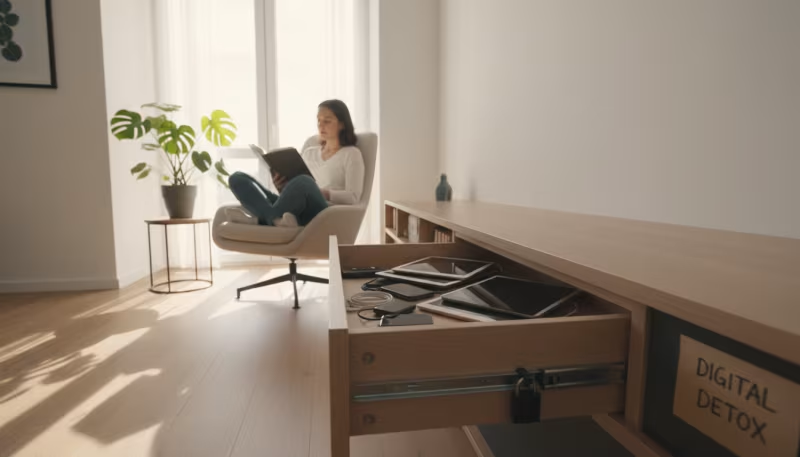
While it might feel natural to pull out your phone, try to resist the urge. Use this time for observation, reading a physical book, journaling, or simply letting your mind wander. The less digital input you have, the more space you create for authentic connection (with others or yourself) and genuine mental rest.

After trying this for 30 days, I noticed a significant reduction in my overall screen time anxiety and felt much more present. Secondly, engage with intention, but without pressure. If you're at a coffee shop, try to make eye contact and smile at the barista.

If you're at a park, acknowledge fellow dog walkers. These small, low-pressure interactions build a sense of community without requiring deep conversation. It's about being open to connection, not forcing it.

Another valuable tip is to vary your third spaces when possible. While having a regular spot is great, exploring different environments can introduce you to new stimuli, different types of people, and fresh perspectives. One week you might visit a bustling market, the next a quiet art gallery.

This keeps the experience fresh and prevents it from becoming another mundane routine. What I love about this approach is that it makes you feel like an urban explorer in your own town, uncovering hidden gems. Lastly, reflect on your experience regularly.

Take a moment after leaving your third space to notice how you feel. Are you calmer? More inspired?

Did you have a pleasant interaction? Recognizing these positive shifts reinforces the value of these spaces and encourages you to continue incorporating them into your life. It's a practice in mindfulness and appreciation that strengthens the positive feedback loop.

Remember, these spaces are for you – make them work for your unique journey to well-being.

Final Thoughts

In a world that constantly pulls us in a million directions, demanding our attention and energy for work and home life, the importance of third spaces for our mental well-being simply cannot be overstated. They aren't just nice-to-haves; they're essential ingredients for a balanced, connected, and fulfilling life.

They offer us a much-needed sanctuary, a place to decompress, to connect with our communities, to find inspiration, and to simply exist without the weight of expectation. Whether it’s the quiet hum of your local library, the vibrant energy of a community garden, or the comforting rhythm of your favorite coffee shop, these are the places where we often rediscover ourselves, recharge our spirits, and remember that we’re part of something bigger.

Don't underestimate the power of these interstitial spaces. Start small, be curious, and make the intentional choice to seek out or even create your own third space. Your mind, your mood, and your overall sense of well-being will undoubtedly thank you for it.

Go out there, explore, and find your happy place between work and home. You absolutely deserve it.

The Importance of Third Spaces for Mental Well-being

Save for later

Found this helpful?

Pin this article to your Pinterest board and come back to it whenever you need a reminder.

Save to Pinterest
Written by

Chiara Bradshaw

Chiara Bradshaw has been writing for a variety of professional, educational and entertainment publications for more than 12 years. Chiara holds a Bachelor of Arts in art therapy and behavioral science from Mount Mary College in Milwaukee.

More posts
Chiara Bradshaw

Responses (0)

0%