
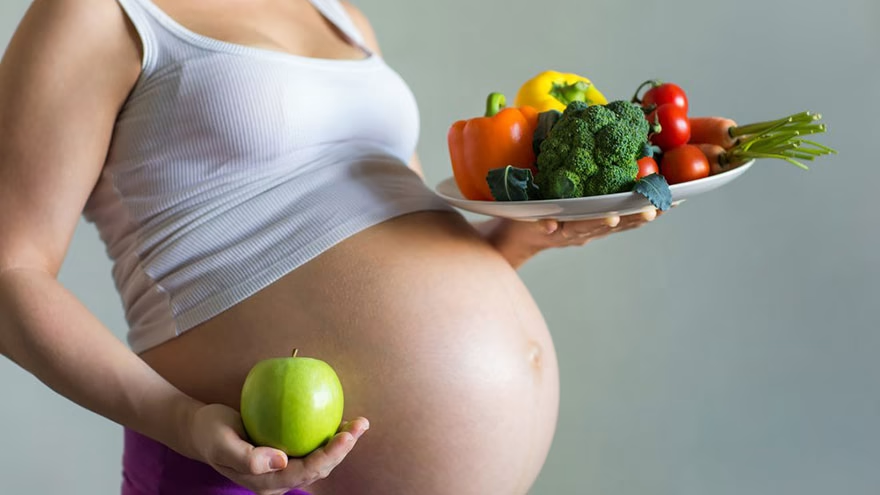
How to Avoid Harmful Foods During Pregnancy is less about fear and more about using a few food safety rules every day.
Pregnancy changes the stakes of foodborne illness. Some infections that feel like food poisoning in another adult can be more serious during pregnancy or for the baby.
Start With The Big Risk Categories
The main categories to watch are unpasteurized dairy or juice, raw or undercooked meat, raw seafood, high-mercury fish, undercooked eggs, refrigerated deli foods that are not reheated, and unwashed produce.
FDA's pregnancy food safety page says its booklet gives practical guidance for reducing foodborne illness risk during pregnancy: FDA food safety for pregnant women.
You do not need to memorize every outbreak. You need repeatable habits: cook, chill, clean, separate, pasteurize, and reheat when needed.
Avoid Unpasteurized Foods
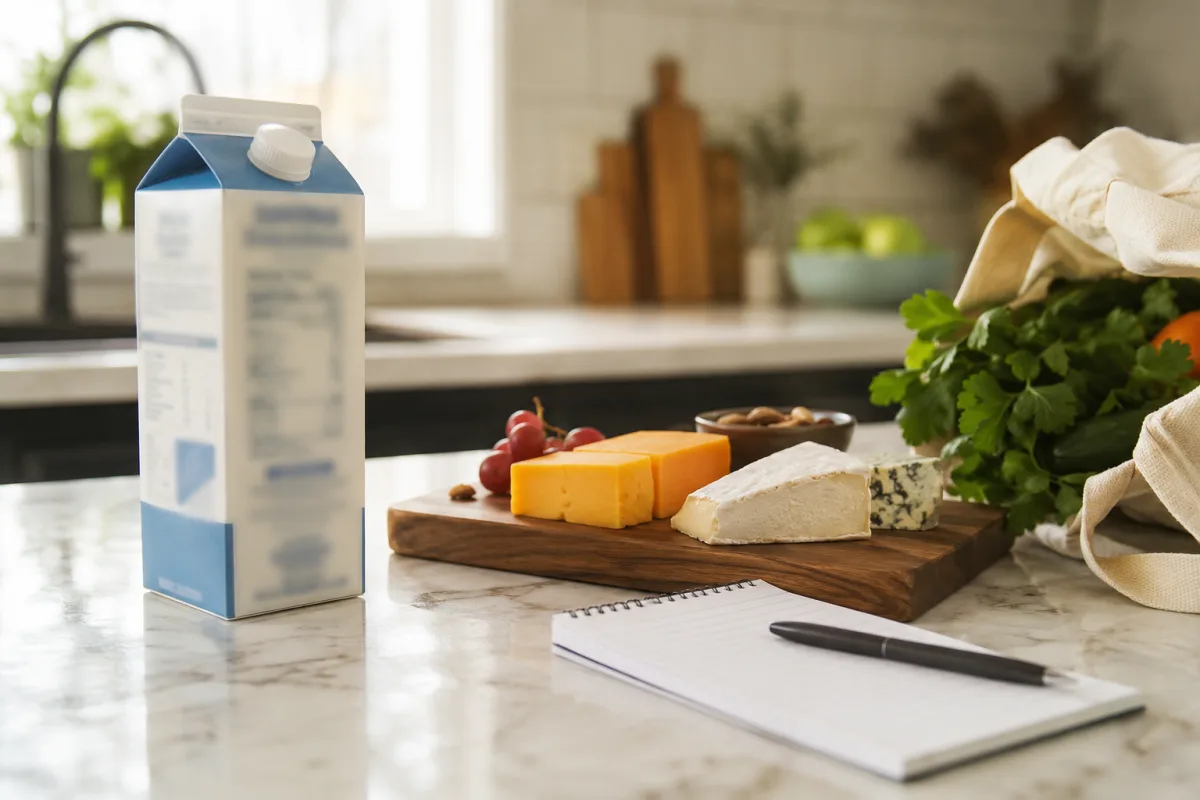
Unpasteurized milk, some soft cheeses, unpasteurized juice, and raw dairy products can carry harmful germs, including Listeria.
CDC's safer food choices for pregnant women page lists pasteurized dairy options and gives safer choices for cheeses, eggs, seafood, and deli foods: CDC safer food choices for pregnancy.
Read labels. Pasteurized soft cheese is different from soft cheese made with raw milk, but deli handling and storage still matter.
Be Careful With Deli Foods
Deli meats, hot dogs, refrigerated pate, prepared meat salads, and deli-sliced cheeses can carry Listeria risk if eaten cold.
ACOG's Listeria and Pregnancy FAQ says to avoid raw and undercooked seafood, eggs, meat, and poultry while pregnant, and cooked sushi is safe if made without raw fish: ACOG Listeria and pregnancy.
If you eat deli meat or hot dogs, heat them until steaming hot or to the temperature your local food safety guidance recommends. Do not eat them cold from the package.
Cook Meat, Poultry, Seafood, And Eggs
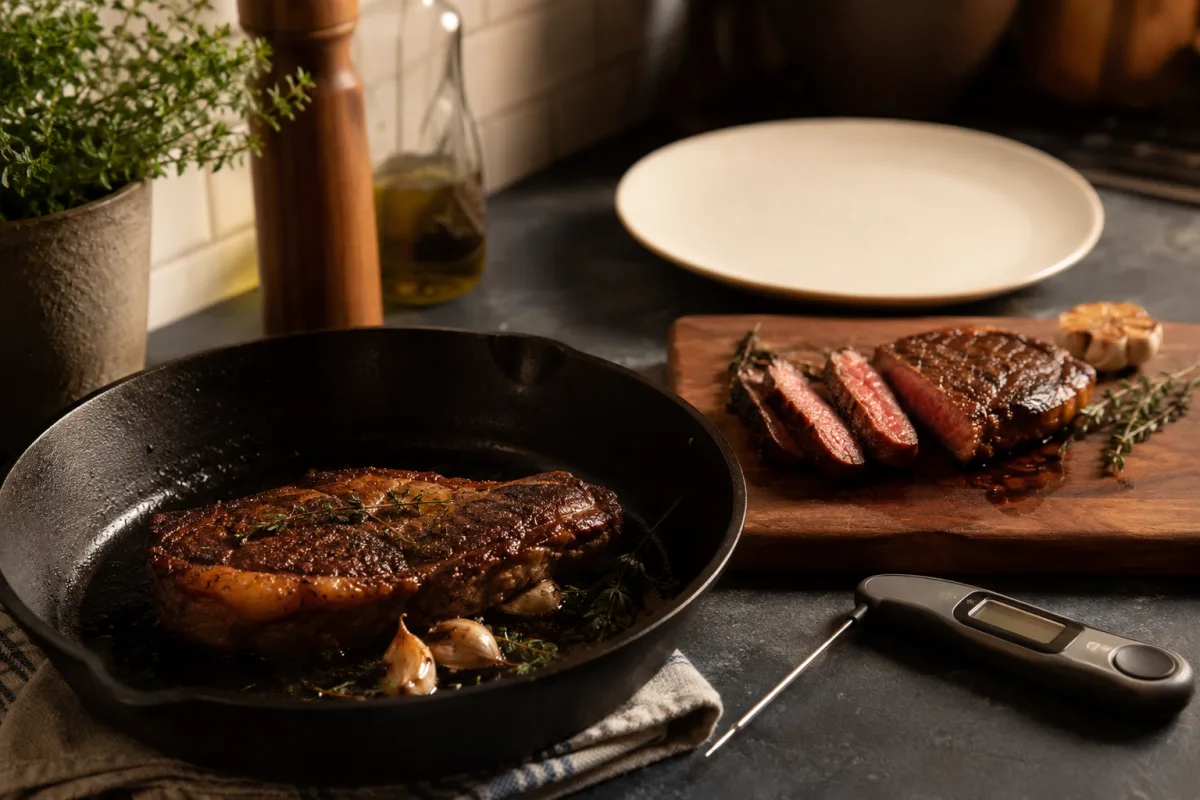
Use a food thermometer for meat and poultry. Color is not a reliable safety test. Ground meat, chicken, leftovers, and casseroles need proper internal temperatures.
Avoid raw oysters, sashimi, ceviche, raw clams, and undercooked fish. Cooked seafood can be part of pregnancy nutrition if it is low in mercury and prepared safely.
Cook eggs until yolks and whites are firm unless using pasteurized eggs in a recipe that will not be cooked fully.
Choose Fish With Mercury In Mind
Fish can provide protein and omega-3 fats, but high-mercury fish should be avoided during pregnancy. Common avoid lists include shark, swordfish, king mackerel, and tilefish from certain waters.
Choose lower-mercury options such as salmon, sardines, trout, anchovies, and some canned light tuna, following current FDA/EPA serving guidance from your clinician or official resources.
If cravings or nausea make fish hard, ask your clinician how to meet nutrition needs safely.
Wash Produce And Handle Sprouts Carefully
Wash fruits and vegetables under running water before eating, cutting, or peeling. Keep cut fruit chilled and use it before it sits too long.
Raw sprouts are riskier because bacteria can grow inside the seed during sprouting. Cook sprouts thoroughly if you choose to eat them.
Pre-cut fruit, salad bars, and grab-and-go salads need extra caution because handling and refrigeration are outside your control.
Build A Safer Kitchen Routine
Wash hands, separate raw meat from ready-to-eat foods, use clean cutting boards, cook to safe temperatures, and refrigerate leftovers promptly.
Keep the refrigerator cold enough and do not leave perishable food sitting out during parties, travel, or long errands.
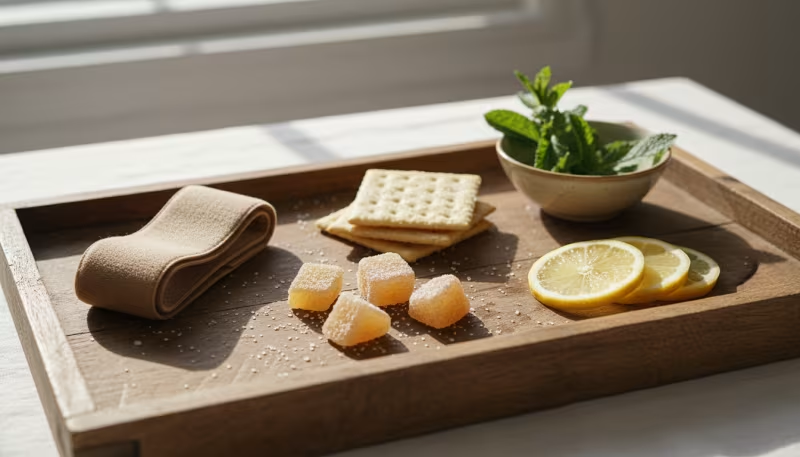
If bland foods are easier during nausea, bland pregnancy foods can help you choose gentle options while still keeping food safe.
Eating Out While Pregnant
Choose restaurants that look clean, serve food hot, and can answer ingredient questions. Avoid dishes with raw eggs, raw fish, undercooked meat, unpasteurized cheese, or cold deli meats unless handled safely.
Ask how the food is prepared. You are not being difficult; pregnancy food safety is a real reason to ask.
Buffets and potlucks can be tricky because food may sit in the danger zone. Eat freshly served hot foods and chilled foods that are actually cold.
If You Ate Something Risky
Do not panic, but do pay attention. Call your clinician if you develop fever, chills, muscle aches, diarrhea, vomiting, severe stomach pain, dehydration, or decreased fetal movement.
If you are worried about Listeria exposure, ask your clinician what symptoms to watch for and whether testing or treatment is needed.
If stress about food is affecting your mood, depression during pregnancy may help you decide when to ask for support.
Make Rules Simple
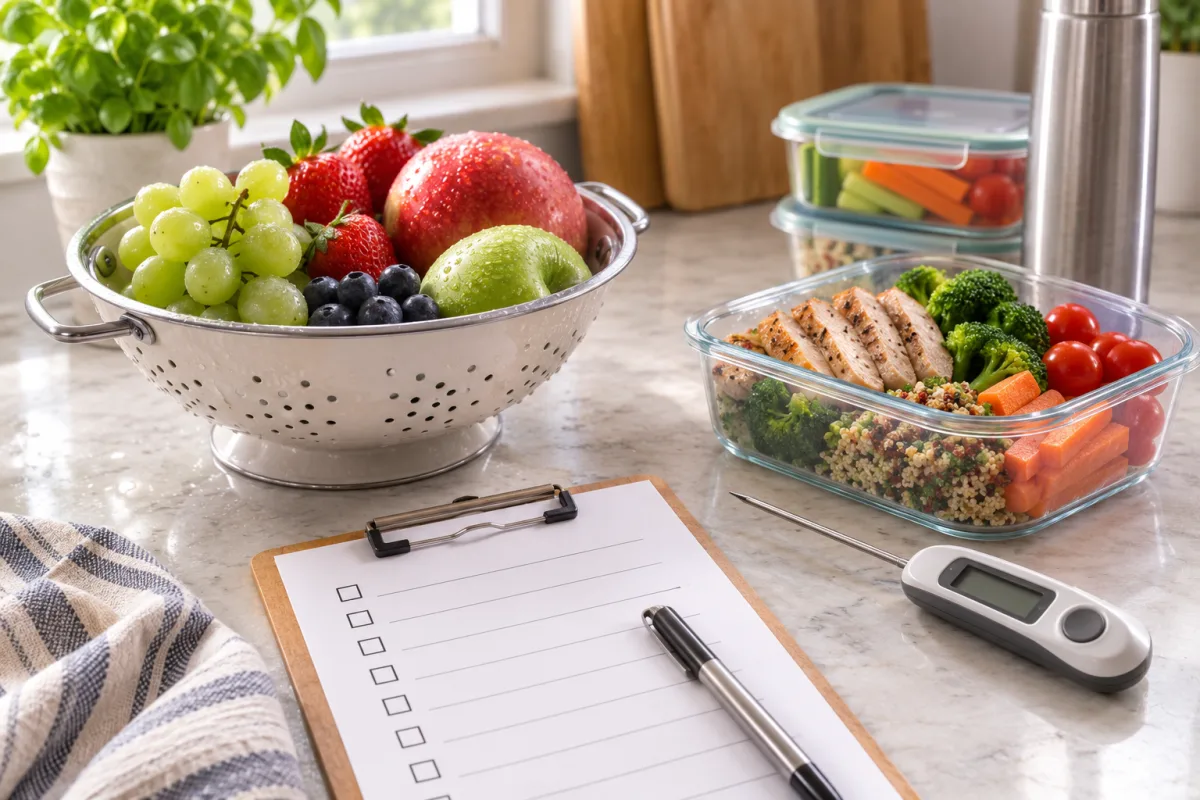
Use simple rules: no raw animal foods, pasteurized dairy only, heat deli foods, wash produce, chill leftovers, avoid high-mercury fish, and ask when ingredients are unclear.
A short rule list is easier to follow than a giant fear list. The goal is safe eating, not making pregnancy miserable.
If intimacy, appetite, or body image is affected by pregnancy changes, feeling attractive during pregnancy is related emotional support, but food safety questions still go to the care team.
Shopping List Habits
Build the grocery list around safe defaults: pasteurized yogurt, hard cheese, cooked proteins, washed fruit, frozen vegetables, shelf-stable snacks, and grains that are easy to prepare.
Choose smaller packages for foods that spoil quickly. A large tub of prepared salad is not a bargain if it sits too long.
Put a cooler bag in the car for errands. Perishable food should not sit in a hot trunk while you finish other stops.
Handle Cravings Safely
Cravings are common, but the preparation still matters. If you want a sandwich, heat the deli meat. If you want sushi, choose cooked fillings. If you want cookie dough, use a safe edible version.
If cravings are for nonfood items such as dirt, clay, starch, or ice in large amounts, tell your clinician. That can be a sign of pica or another issue.
Do not let embarrassment keep you quiet. Food and craving questions are normal parts of prenatal care.
Family And Cultural Foods
Many traditional foods can be made pregnancy-safer with small changes: pasteurized dairy, fully cooked fillings, fresh preparation, and proper chilling.
Ask relatives how a dish is made before eating it. Raw eggs, unpasteurized cheese, smoked seafood, or undercooked meat may be hidden in familiar recipes.
You can respect culture and still follow pregnancy food rules. Safety changes do not have to erase the meal.
Leftover Rules
Refrigerate leftovers promptly in shallow containers so they cool faster. Reheat until steaming hot, and do not keep leftovers longer than your local guidance recommends.
Label containers with the date. Pregnancy brain and a crowded fridge make it easy to forget when food was cooked.
If a food smells fine but has been stored too long, throw it out. Some germs do not announce themselves with odor.
Picnics, Holidays, And Buffets
Food safety gets harder at gatherings because dishes sit out, serving spoons mix, and refrigeration may be unclear.
Choose freshly cooked hot foods, sealed shelf-stable foods, and fruit or vegetables you know were washed and chilled. Skip foods that have been warm or lukewarm for hours.
Bring one safe dish you can eat. That reduces pressure to take risks just to be polite.
Keep The Rules Visible
Put a short safe-food list on the fridge or in your phone. Include pasteurized, fully cooked, wash produce, heat deli meat, avoid raw seafood, and check mercury.
Share the list with anyone who cooks for you. Food safety should not depend on one exhausted pregnant person remembering every rule.
If a family member argues, ask them to check the official guidance with you rather than turning dinner into a debate.
When rules feel overwhelming, choose the safest available option and ask your clinician at the next visit. Perfect recall is not required every day, only steady care and attention.
Frequently Asked Questions
Can I eat deli meat while pregnant?
Only if it is heated properly. Cold deli meat carries Listeria concern.
Can I eat sushi?
Cooked sushi without raw fish is usually the safer choice. Avoid raw fish during pregnancy.
Is soft cheese always unsafe?
Not always. Pasteurization and handling matter, but unpasteurized soft cheeses should be avoided.
What if I ate something risky?
Watch for symptoms and call your clinician for personalized guidance.
Do I need to avoid all fish?
No. Low-mercury cooked fish can be helpful, while high-mercury and raw fish should be avoided.
This article is for general information only and isn't a substitute for medical advice. Talk to a clinician who knows your full history before making changes.

Linda Fehrman
Edits general wellness and relationship explainers. Health material is educational, avoids diagnosis and links to health-authority guidance.


Leave a reply
Replying to