

How to Buy Stocks & Bonds for Kids starts with account type. A child usually cannot open a standard brokerage account alone, so an adult may use a custodial account, 529 plan, savings bonds, or another child-focused structure depending on the goal.
The right choice depends on taxes, control, education goals, gift rules, financial aid, and when the child will legally control the money. This is general education, not financial or legal advice.
Choose The Goal
Decide if the money is for education, general investing, a first lesson about markets, or a long-term gift. The goal points to the account type.
A college-focused goal may fit a 529 plan, while general investing may point toward a custodial brokerage account.
Custodial Accounts

FINRA says UTMA/UGMA accounts allow transfer of funds, securities, and other assets to minors without a formal trust: FINRA UTMA UGMA notice.
State rules decide details, including when the child gains control. An irrevocable gift to a child should not be treated as the parent's spare account.
Buy Savings Bonds
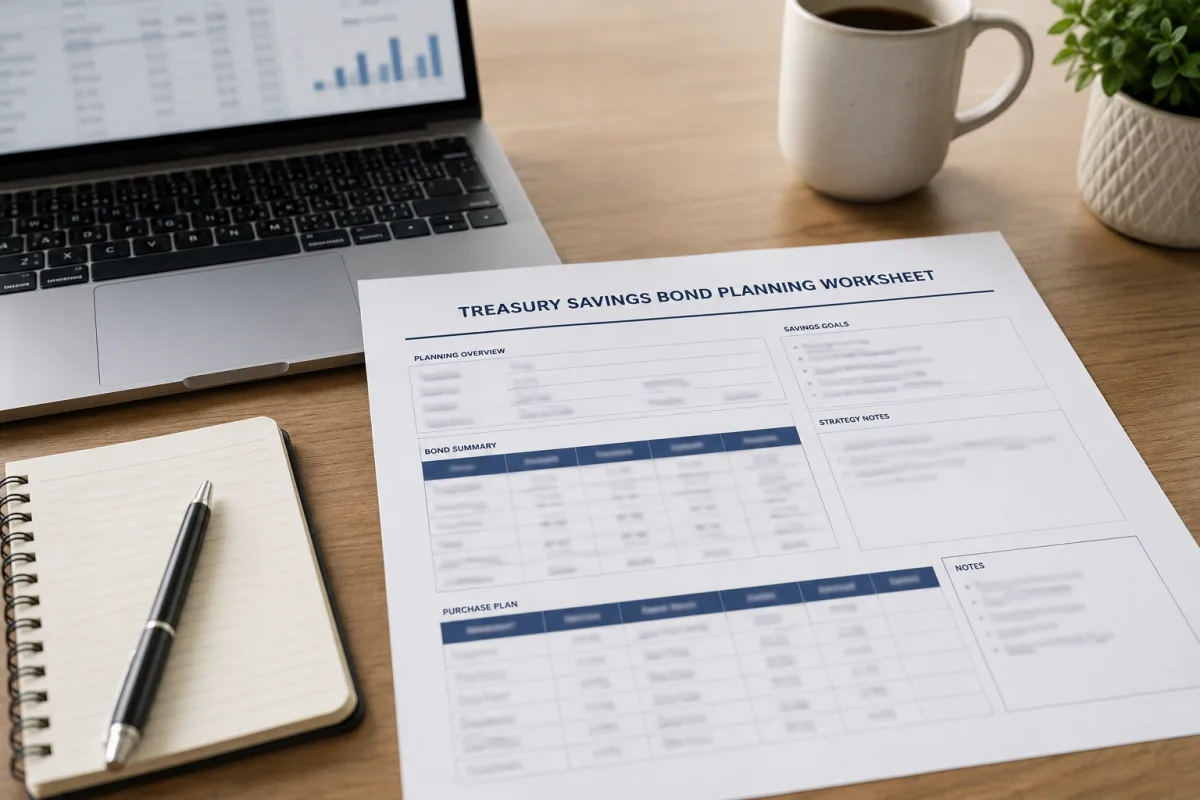
TreasuryDirect says you can buy savings bonds for yourself, your child, or as a gift, and a child's account can be linked to an adult account: TreasuryDirect buying savings bonds.
Savings bonds can be simpler than individual stocks, but they still have purchase limits, redemption rules, and interest features.
Gift Bonds
TreasuryDirect also explains that a child under 18 can have a TreasuryDirect account if a parent or adult custodian sets up a linked account: TreasuryDirect gift savings bonds.
Gift timing matters. A bond sitting in a gift box inside TreasuryDirect is not the same as a fully delivered gift.
Pick Broad Funds
For stocks, many families choose broad index funds rather than trying to pick one company the child recognizes.
A child can still learn from a small single-stock lesson, but the serious money should not depend on one brand.
Explain Bonds
Bonds can teach lending, interest, maturity, and patience. Livecub's Series EE savings bond maturity guide can help with maturity language.
Use simple examples: lend money, earn interest, wait for the date, then decide whether to cash or keep holding.
Track Value
Children learn better when they can see account value, contributions, dividends, interest, and price movement over time.
Livecub's savings bond value guide can help families track bonds without guessing.
Teach Before Buying

Before opening an account, teach the child what a share is, what a bond is, why prices move, and why losing money is possible.
Livecub's teaching kids about money guide can help match lessons to age.
Watch Taxes
Custodial accounts can create tax forms and kiddie tax questions. 529 plans have education tax rules. Savings bonds have federal tax rules.
Ask a tax professional before making large gifts or selling investments with gains.
Avoid Control Surprises
In many custodial accounts, the child gains control at the age set by state law. Parents cannot simply take the money back.
That can be fine if intended. It can be a problem if the adult expected to control the money forever.
Use Small Lessons
A small monthly contribution can teach more than one large gift. Let the child help pick a goal, read statements, and notice fees.
Buying stocks and bonds for kids should build habits, not only account balances.
Avoid Hype
Do not teach children that investing means chasing viral stocks, crypto rumors, or daily price drama.
The better lesson is ownership, risk, patience, diversification, and how money decisions affect choices.
Document Gifts
Keep records of account opening, deposits, ownership, beneficiary details, and gift intent.
Good records matter if relatives contribute, parents divorce, financial aid forms ask questions, or the child reaches transfer age.
529 Plans
A 529 plan is often used for education savings and may have state tax benefits, investment menus, and qualified expense rules.
It is not the same as a custodial brokerage account. The goal should drive the account.
Child Engagement
Let the child choose a company to research with a small learning amount, then compare it with a diversified fund.
The lesson is not that favorite brands always make good investments.
Relative Gifts
Grandparents and relatives should coordinate before opening separate accounts or buying duplicate bonds.
One shared plan can reduce tax confusion and ownership surprises.
Fees And Minimums
Check account fees, fund expense ratios, trading costs, and minimum investments before opening anything.
A child account should not lose value to avoidable fees before the lesson even starts.
Age Of Majority
The transfer age differs by state and account type. At that point, the child may control the money.
Make sure that outcome matches the purpose before funding the account heavily.
Fractional Shares
Some brokers allow fractional shares, which can make small-dollar investing easier for a child account.
Still, the account type and fees matter more than the novelty of buying a tiny slice of a company.
Dividend Lessons
Dividends can teach that some investments pay cash while also moving in price.
Reinvesting dividends may be useful for long-term goals, but explain that dividends are not guaranteed.
Risk Conversation
Show the child that account value can go down. Use small examples before a larger balance is involved.
A child who only hears about gains may panic the first time the statement drops.
Savings Bond Timing
Savings bonds have holding periods and early redemption rules. Read them before buying for a short-term goal.
A bond meant for next month's expense may be the wrong tool.
Parent Boundaries
Custodial money belongs to the child under the account rules. Parents should not dip into it for unrelated household expenses.
Treating the account seriously teaches more than any lecture about responsibility.
School Project
Use the account as a monthly learning project: read one statement, identify one fee, and talk about one market event.
Five calm minutes each month can build understanding without turning investing into pressure.
No Secret Accounts
If relatives contribute, keep the parent or custodian informed so tax forms, gift records, and account ownership stay clear.
Good intentions can create messy paperwork when accounts are scattered.
Bond Alternatives
Treasury bills, savings accounts, CDs, and savings bonds all have different liquidity and risk profiles.
Livecub's premium bond purchase guide covers a different bond product, but it can prompt questions about terms before buying.
Credit And Investing
Do not confuse a child investing account with building the child's credit history. These are different financial lessons.
Teach ownership, saving, and risk first; credit can be taught separately when age-appropriate.
Start With Cash
Before stocks or bonds, make sure the child understands spending money, saving money, and giving money.
Investing lessons land better when basic cash choices already make sense.
Statement Day
Pick one day each quarter to read the account statement together.
Talk about deposits, gains, losses, fees, and what changed without making the child responsible for adult outcomes.
Education Versus Flexibility
A 529 plan may help education goals, but custodial accounts can be more flexible for non-education uses.
Flexibility, tax treatment, and control should be compared before funding the account.
Gift Tax Awareness
Large gifts can raise gift tax filing questions even when no tax is owed.
Relatives making large contributions should ask a tax professional instead of guessing.
Keep It Boring
A child's investment plan does not need excitement to work. Boring can be a feature.
Regular deposits, simple funds, and clear records teach patience better than constant buying and selling.
Review Ownership Yearly
Review account ownership, custodian details, beneficiary forms, and contact information once a year.
A parent email change or forgotten login can make a simple account harder to manage later.
Talk About Giving
Some families include charitable giving in money lessons before investing.
That can help children see money as a tool for choices, not only a scoreboard.
Frequently Asked Questions
Can a child own stocks?
Yes, often through a custodial account managed by an adult until the child reaches the age set by state law.
Can I buy savings bonds for a child?
Yes. TreasuryDirect allows savings bonds for a child through a linked minor account or as a gift.
Are custodial accounts revocable?
Generally no. Money placed in a custodial account is a gift to the child under the account rules.
Should I buy individual stocks for kids?
Small lessons can be fine, but broad diversified funds are often more sensible for serious long-term money.
Will investing for a child affect financial aid?
It can. Account type and ownership matter, so ask a financial aid or tax professional for large balances.
Buying stocks and bonds for kids works best when the adult chooses the right account, keeps records, teaches patiently, and avoids treating the child's money as play money.

Chiara Bradshaw
Covers education, culture and creative topics with an emphasis on readable explanations and verifiable references.




Leave a reply
Replying to