
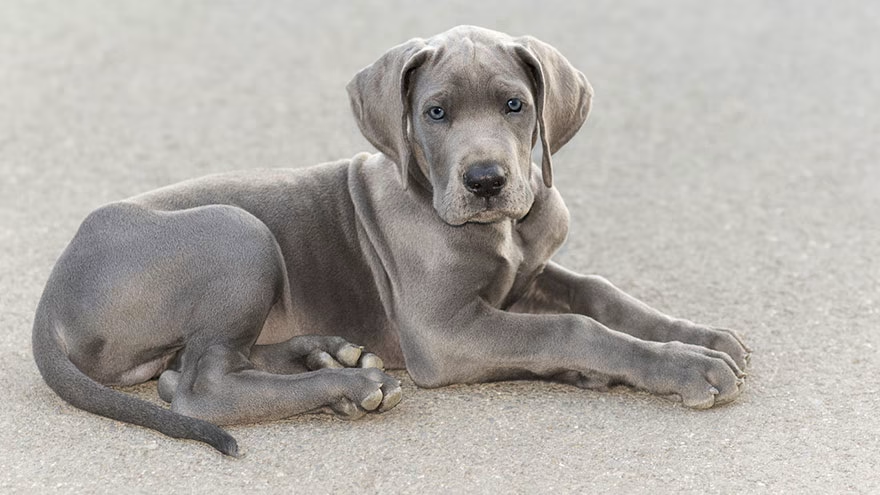
Great Dane Puppy Care Starts With Controlled Growth
Great Dane puppy care is different from caring for a small puppy because growth speed affects joints, diet, exercise, sleep, and the home setup. A Great Dane can look sturdy while still being an unfinished giant-breed puppy. The early goal is steady development, not the biggest puppy in the neighborhood.
The AKC's Great Dane breed page describes the breed as a large, powerful companion with a gentle image. That adult size is exactly why puppy routines need planning before the dog is too heavy to lift, redirect, or slow down safely.
Fast growth should be managed, not celebrated.
Choose Large-Breed Puppy Food
Feed a food made for large-breed puppies unless your veterinarian gives a different instruction. Giant puppies need balanced calcium, phosphorus, calories, and protein for steady growth. Random adult food, homemade diets without formulation, or "grow faster" feeding can create problems.
VCA's large and giant breed puppy nutrition guide explains why nutrient balance matters during rapid growth. The point is not to underfeed the puppy. The point is to avoid pushing the body faster than the skeleton can handle.
Ask your vet how often to feed, how to read body condition, and when to adjust portions. Do not judge by bowl size alone because a Great Dane bowl can make any meal look small.
Lean and steady is better than huge and heavy.
Plan Vet Care Before Problems Appear
Schedule a veterinary visit soon after the puppy comes home. Bring breeder records, vaccine dates, deworming history, microchip information, diet details, and any contract requirements. A vet can help set the vaccination plan and review growth, joints, ears, skin, stool, and weight.
Discuss parasite prevention, spay or neuter timing, stomach torsion risk, and what signs should trigger urgent care. Great Dane owners should know the nearest emergency clinic before a nighttime problem happens.
Livecub's biggest dog breeds article gives helpful size context for readers who are still adjusting expectations around giant dogs.
A giant puppy should have a vet plan, not only a vaccine card.
Protect Joints With Sensible Exercise
Great Dane puppies need movement, but they should not be trained like adult athletes. Short walks, gentle play, basic training, and supervised exploring are usually better than forced running, long stair sessions, or repeated high jumps.
Slippery floors deserve attention. Add rugs or runners where the puppy eats, turns, and plays. A Dane puppy skidding through the kitchen may look funny once, but repeated slipping is not a good routine for growing joints.
Use stairs carefully, keep play sessions short, and stop before the puppy is exhausted. Puppies often keep going because the family is excited, not because their body is ready.
Teach Manners While the Puppy Is Still Small
A cute jumping puppy becomes a large dog who can knock over a guest. Start with sit, down, settle, name response, leash walking, polite greetings, crate comfort, and trading objects. Keep sessions short and reward calm behavior.
Do not wait for the dog to "grow out of" pulling, mouthing, counter surfing, or jumping. A Great Dane grows into habits quickly because the body grows quickly. Prevention is easier than wrestling with a teenage giant.
For another large working-type comparison, Livecub's Rottweiler questions can help owners think about strength, manners, and household structure.
Train the dog you will soon have, not only the puppy in front of you.
Socialization Should Be Calm and Specific
Socialization does not mean flooding the puppy with crowds. It means careful exposure to normal life: different surfaces, household sounds, calm visitors, car rides, grooming handling, vet-style touch, and safe views of dogs, traffic, and children.
Pair new things with food, distance, and calm exits. A frightened puppy does not become braver because people crowd him. A confident Great Dane learns that new situations are predictable and that the owner will not force every greeting.
Invite polite people to ignore the puppy at first. That teaches the dog that visitors do not always mean jumping, grabbing, or frantic attention.
Build House Training Around Size
House training a Great Dane puppy is less forgiving than house training a toy breed because accidents are larger and the puppy's body changes quickly. Take the puppy out after waking, eating, drinking, playing, and training. Praise the right choice immediately, then come back inside calmly.
Use a schedule instead of waiting for the puppy to signal perfectly. Young Danes may not ask clearly before they need to go. Keep nighttime routes safe, floors dry, and a leash near the door so a half-awake owner is not scrambling at 3 a.m.
Clean accidents with an enzymatic cleaner and adjust the schedule. Punishment after the fact only teaches the puppy that people are unpredictable.
Set Up the Home for a Giant Puppy
Before the puppy arrives, check floors, gates, crate size, sleeping space, water access, and what sits on counters. Great Dane puppies can reach surfaces earlier than many owners expect. A sandwich at the back of the counter may not be safe for long.
Use a crate or safe room sized for comfort, not confinement all day. Provide chew items your vet approves, remove cords and small objects, and make water available. Expect the home setup to change as the puppy grows.
For grooming and home-care contrast, Livecub's longhair Dachshund grooming guide shows how different breeds need different routines even when the basic care categories are familiar.
Learn Bloat and Emergency Warning Signs
Great Danes are one of the breeds owners commonly associate with gastric dilatation-volvulus, often called bloat. Do not treat restlessness, repeated unproductive retching, a swollen abdomen, weakness, collapse, or sudden distress as something to watch for hours.
The Great Dane Club of America's health and welfare resources point owners toward breed health topics and responsible care. Your veterinarian can explain local emergency options and whether preventive gastropexy should be discussed for your dog.
Know the emergency route before you need it. Put the clinic number in your phone and keep transport options realistic for a dog who may already be too heavy to carry.
Grooming, Nails, Teeth, and Ears
Great Dane coats are short, but grooming still matters. Brush weekly, check ears, trim nails, handle paws, and introduce tooth brushing gradually. A calm grooming routine is far easier before the dog weighs as much as an adult person.
Nails deserve special attention because long nails can change footing and make smooth floors harder to manage. Teach the puppy that paw handling predicts treats and calm praise. Short sessions beat a wrestling match.
Bathing should be occasional and practical unless your vet recommends a skin plan. Use dog-safe products and dry the puppy well, especially in cool weather.
Manage Weight and Growth Records
Track weight, food amount, body condition, stool quality, exercise changes, and any limping. Bring those notes to vet visits. A Great Dane puppy can change shape quickly, and photos from the side can help you see trends that daily life hides.
Do not compare your puppy to every Dane photo online. Lines differ, sex matters, and some puppies mature awkwardly. Your goal is a sound, lean, comfortable dog, not a record-breaking growth chart.
Livecub's German Shorthaired Pointer questions offers a useful contrast because athletic breeds and giant breeds need different growth and exercise expectations.
Prepare for the Adolescent Stage
The teenage stage can surprise Dane owners. The dog may look adult, test boundaries, forget leash manners, bark at new things, or become clumsy again during growth. Keep training steady and reduce situations that invite failure.
Use management without drama: baby gates, leashes, crate breaks, food puzzles, calm walks, and clear house rules. A bored adolescent Dane can reach trash, counters, pillows, and door handles with very little effort.
The puppy stage is short. The habits you build there decide whether the adult dog feels peaceful in the house or physically hard to manage.
Frequently Asked Questions
What should I feed a Great Dane puppy?
Most Great Dane puppies should eat a complete large-breed puppy food, with portions and adjustments guided by your veterinarian.
How much exercise does a Great Dane puppy need?
Use short, gentle sessions with rest. Avoid forced long runs, repeated jumping, and slippery play while the puppy is growing.
When should a Great Dane puppy see a vet?
Schedule a visit soon after bringing the puppy home, then follow your vet's plan for vaccines, parasite prevention, growth checks, and health questions.
Are Great Dane puppies hard to train?
They are not impossible, but early manners matter because jumping, pulling, and mouthing become harder to manage as the puppy grows.

Timothy Davidson
Edits step-by-step general-interest guides for clarity, realistic limits and source verification.
Leave a reply
Replying to