
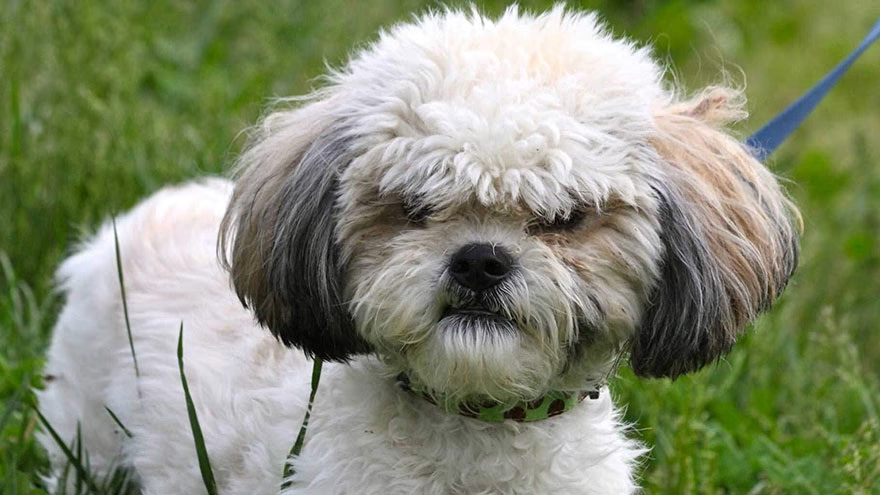
Shih Tzu Care Is Small-Dog Care With Daily Details
Shih Tzu care looks easy because the dog is small, friendly, and built for companionship. The daily reality is more detailed. Coat maintenance, face cleaning, dental care, heat caution, weight control, training, and steady routines all matter. A Shih Tzu does not need miles of running, but it does need owner attention.
The AKC's Shih Tzu breed page describes the breed as a toy companion known for its expressive face and long coat. That coat and face are the two care areas owners notice first.
Small size does not mean low maintenance.
Decide Between a Long Coat and a Puppy Cut
A long Shih Tzu coat is beautiful, but it is work. It needs frequent brushing, careful combing near friction points, face and mustache care, and regular bathing. A shorter puppy cut is easier, but it still needs brushing and professional trims.
AKC's Shih Tzu coat guide says longer coats require daily brushing and notes that mustache and topknot care also need daily attention. If daily brushing sounds unrealistic, choose a shorter trim before mats become painful.
For a different long-coat comparison, Livecub's longhair Dachshund grooming guide is useful because coat care has to match texture, lifestyle, and owner time.
The right haircut is the one you can maintain.
Build a Simple Grooming Station at Home
Keep a small brush, metal comb, towel, eye-safe wipes recommended by your vet, nail supplies, and treats in one place. Grooming goes better when the tools are ready and the dog is not chased around the house.
Use a non-slip surface and short sessions. Brush a small section, reward calm behavior, then stop before the dog becomes frustrated. Puppies learn fastest when grooming feels predictable rather than endless.
If mats form close to the skin, do not yank them out. A groomer can remove them more safely and help you choose a shorter trim that prevents the same problem from returning.
Clean the Face and Eyes Gently
Shih Tzu faces collect moisture, food, and debris around the eyes, muzzle, and beard. Wipe the face with a damp cloth or vet-approved product, then dry the area. Constant wetness can irritate skin and create odor.
Watch for squinting, redness, pawing at the eye, cloudy changes, discharge, or a sudden change in tear staining. Those signs need a veterinarian, not repeated wiping. Eye problems can worsen quickly in short-faced breeds.
Keep hair trimmed or tied so it does not rub the eyes. If you use bands, make sure they are not pulling the skin or hiding mats.
Brush Teeth Before Dental Disease Starts
Shih Tzu mouths are small, and crowded teeth can make dental care harder. Start tooth brushing gradually with dog-safe toothpaste, praise, and short sessions. Do not wait until breath is bad and gums are sore.
The AVMA's pet dental care guidance says daily brushing is best, while brushing several times a week can still help. Ask your vet about dental products instead of trusting every treat label.
Dental care is part of grooming, not a separate luxury.
Feed for Body Condition, Not Begging Skills
Shih Tzu can gain weight easily because they are small and many are excellent beggars. Measure food, limit treats, and ask your veterinarian what body condition should look like for your dog. A few extra bites matter more on a small frame.
Use meal routines rather than leaving rich snacks everywhere. If training uses treats, make them tiny and count them as part of the day. Weight gain can make breathing, joints, heat tolerance, and activity harder.
Livecub's Maltese questions gives helpful comparison for another toy companion where size makes portion control matter.
A small dog does not need small attention to calories.
Set Up Apartment and Household Routines
A Shih Tzu can fit apartment life well, but the building still matters. Plan potty trips, elevator rides, hallway greetings, barking triggers, and safe places to rest. A predictable day reduces the frantic behavior that people often mistake for a personality flaw.
Use a bed or crate where the dog can relax away from foot traffic. Keep food, water, leash, cleanup bags, and grooming tools easy to reach. Small routines save time when the dog needs a late-night bathroom trip or a quick face wipe after dinner.
Use Gentle Exercise Every Day
Most Shih Tzu do well with short walks, indoor play, training games, and sniffing time. They usually do not need hard running, but they do need movement and mental engagement. A bored Shih Tzu can bark, chew, pace, or demand constant attention.
Watch the weather. Short-faced dogs can overheat faster than owners expect, especially in humidity. Walk during cooler parts of the day, carry water, and stop if the dog slows, pants heavily, or seems distressed.
For another small companion comparison, Livecub's Lhasa Apso questions can help readers compare coat, temperament, and apartment routines.
Train House Manners Early
Shih Tzu can be charming and stubborn in the same hour. Start with name response, potty routine, crate comfort, handling, leash manners, settle, and polite greetings. Keep training short and calm.
House training often improves when the schedule is predictable. Take the dog out after waking, eating, drinking, play, and naps. Reward the right choice immediately. Clean accidents well and adjust the schedule instead of scolding late.
A cute face should not cancel clear rules.
Plan for Heat and Breathing Limits
Shih Tzu are short-faced dogs, so owners should pay attention to breathing comfort. Snorting or snoring may be common, but labored breathing, blue gums, collapse, heavy distress, or trouble cooling down is not normal.
Use air conditioning in hot weather, keep walks short during heat, avoid leaving the dog in a parked car, and talk with your veterinarian about noisy breathing or exercise intolerance. A cool room and early-morning walks can prevent many problems.
For breed-health comparison, Livecub's Staffordshire Bull Terrier health problems shows how different body types create different owner watchlists.
Heat plans should be made before the dog is panting hard.
Keep Ears, Nails, and Paws on a Schedule
Check ears for odor, redness, debris, or scratching, and ask your vet or groomer how to clean them safely. Do not pour products into sore ears without guidance. Ear pain can make grooming harder fast.
Trim nails regularly or have a groomer do it. Long nails change footing and can make small dogs slip or avoid walking. Check paw pads for mats, debris, and irritation, especially after wet weather.
Livecub's Miniature Schnauzer questions gives another small-dog care reference for owners building routine checklists.
Give Companionship Without Creating Panic
Shih Tzu were developed as companions, so many want to be near their people. That is part of the breed's appeal, but constant carrying and no alone-time practice can create problems when the owner leaves.
Teach calm independence in short steps. Use a crate, pen, or safe room with a comfortable bed and chew item. Leave for tiny intervals, return calmly, and build time. The goal is not emotional distance. It is confidence.
A dog who can rest alone for short periods will handle grooming appointments, vet visits, and ordinary household schedules with less stress.
Work With Groomers Before the Coat Gets Bad
Book grooming before the dog is badly matted. A groomer can set a trim schedule, show you where mats form, and explain which tools fit the coat length you chose. Waiting until the dog is uncomfortable makes every appointment harder.
Tell the groomer about skin sensitivity, eye problems, ear infections, or breathing concerns. Short-faced dogs may need calmer handling, breaks, and careful drying. A good grooming plan protects comfort, not only appearance.
Grooming appointments are part of health care for this breed.
Vet Visits and Warning Signs
Schedule regular veterinary care for vaccines, parasite prevention, dental checks, weight review, skin concerns, eyes, ears, and any breathing questions. Bring notes if problems repeat because patterns help the vet.
Call promptly for eye injury signs, repeated vomiting or diarrhea, sudden limping, collapse, breathing distress, heat stress, refusal to eat, or painful ears. Shih Tzu may be small, but waiting can make a simple issue harder to treat.
The best care routine is boring: clean face, managed coat, brushed teeth, stable weight, gentle walks, and a dog who knows what the day usually looks like.
Frequently Asked Questions
How often should a Shih Tzu be groomed?
Long coats need daily brushing. Shorter cuts still need regular brushing, face care, nail trims, baths, and professional grooming.
Are Shih Tzu good apartment dogs?
Yes, many adapt well to apartments if they get daily walks, training, grooming, bathroom routines, and companionship.
Do Shih Tzu need a lot of exercise?
They usually need gentle daily activity rather than hard exercise. Short walks, play, and training games are often enough.
Why does my Shih Tzu's face need cleaning?
The face can collect moisture, food, and debris. Gentle cleaning and drying help reduce irritation, odor, and matting.

Timothy Davidson
Edits step-by-step general-interest guides for clarity, realistic limits and source verification.
Leave a reply
Replying to