

People use the phrase keep vibrations high and energy clean in different ways. Some mean spiritual practice. Some mean mood, attention, home atmosphere, or boundaries. A careful approach does not need to prove invisible energy. It can focus on what you can notice and change.
That means sleep, space, media, people, movement, breath, and honest support. If the language helps you care for your day, use it. If it starts making you blame yourself for sadness, grief, illness, or other people's behavior, change the language.
Define What Energy Means To You
Before adding rituals, write what energy means in ordinary terms. Do you mean less tension, fewer intrusive thoughts, a calmer home, better focus, safer relationships, or more patience? The clearer the definition, the easier it is to choose a routine.
If you cannot measure energy directly, measure the day around it: sleep, meals, movement, conflict, screen use, alcohol, clutter, connection, and time outdoors.
Clean The Space You Actually Use
Start with one surface, not the whole house. Clear the nightstand, desk, kitchen counter, car seat, or bathroom sink. Put away the items that pull your attention every time you pass them.
A clean space is not a moral achievement. It is a way to reduce friction. If depression, pain, disability, caregiving, or long work hours make cleaning hard, choose one square foot and stop there.
Small tracking can help; Livecub's article on writing a food journal shows how noticing patterns can be useful without turning the record into judgment.
Use A Short Meditation

Mayo Clinic describes meditation as a simple practice that can help restore calm and a sense of balance: Mayo Clinic meditation guide. For this topic, keep it plain: sit, breathe, notice, return.
Try three minutes. Inhale normally, exhale longer, and name the room around you. If spiritual words help, add them. If they do not, skip them. The nervous system does not need a perfect script.
Protect Your Input
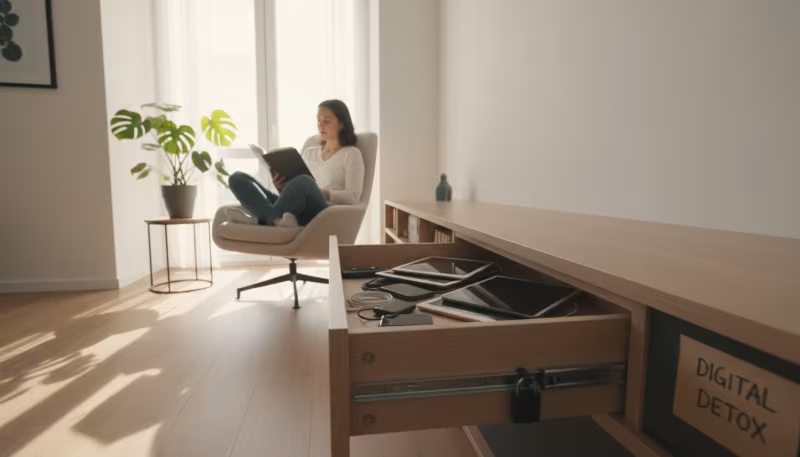
News, arguments, gossip, short videos, and comparison posts can change the tone of a day. You do not have to know everything the moment it happens. Choose two check-in times for news or social media and leave space around sleep.
Clean energy can be as ordinary as unfollowing accounts that leave you meaner to yourself, muting a group chat at night, or not starting the day with a fight in the comments.
Set Boundaries Without A Speech
A boundary is not a lecture. It is a limit and an action. I am not discussing this tonight. I will leave if yelling starts. I do not want body comments. I can help for one hour, not the whole weekend.
If communication locks up under pressure, Livecub's guide to selective mutism is a reminder that nervous system responses can need support.
Move The Body Gently
Walk, stretch, dance in the kitchen, sweep the floor, climb stairs slowly, or do ten minutes of mobility. Movement can change the body's alarm level without requiring a big fitness plan.
The goal is not to earn peace. It is to give stress somewhere to go. If exercise becomes punishment or obsession, step back and ask for help.
Use Resilience Instead Of Forced Positivity
APA defines resilience as adapting well in the face of adversity, trauma, tragedy, threats, or major stress: APA resilience guidance. That is different from pretending everything is fine.
High energy should not mean never crying, never resting, or never naming harm. Some days the cleanest energy is telling the truth, canceling a plan, or asking someone to sit with you.
Livecub's article on stage fright can help when the stress is tied to being seen or judged.
Make A Reset Ritual

A reset ritual can be very small: open a window, wash your hands, put on music, light a candle safely, stretch your neck, drink water, or write one line about what you are releasing and one line about what needs care.
The ritual works because it marks a transition. It tells your attention that the last conversation, task, or mood does not have to own the rest of the day.
Choose People Who Leave You Clearer
Some relationships leave you grounded. Others leave you checking your face, words, motives, and worth for hours. Notice the difference. You may not be able to leave every draining setting, but you can plan recovery and reduce unnecessary exposure.
If fear of evaluation is part of the pattern, Livecub's guide to being less nervous for tryouts gives a more concrete angle on pressure.
Know When It Is Not A Vibe Issue
NIMH's mental health self-care guidance includes connection, goals, sleep, gratitude, and seeking help when needed: NIMH caring for your mental health. Low mood, panic, trauma symptoms, self-harm thoughts, mania, substance use, or abuse are not solved by a cleaner room or better playlist.
Use rituals as support, not as blame. If you are suffering, you do not have low worth or dirty energy. You may need rest, care, safety, treatment, or practical help.
Build A Daily Check

At night, ask four questions: What drained me? What steadied me? What needs repair? What can wait? Keep the answers short. The practice should make tomorrow lighter, not turn self-care into homework.
A cleaner day is usually made of small choices repeated: less noise before bed, one honest boundary, one act of care, and one place where you stop trying to control what is not yours.
Make A Morning Entry
Choose one small action before touching the phone: open the curtains, drink water, stretch, feed the pet, step outside, or make the bed. The action says the day starts with your attention, not with everyone else's noise.
Make An Evening Exit
End the day with one closing signal. Put dishes in the sink, set clothes out, charge the phone away from the bed, or write one line about what can wait. This helps the mind leave the day instead of dragging it into sleep.
Use Objects As Cues
A candle, stone, plant, photo, or bracelet can work as a cue if it points to behavior. Touch the bracelet and take a breath. Water the plant and check your posture. Light the candle and stop working.
Keep The Language Flexible
Some days spiritual language will fit. Other days plain language will feel safer. You can say energy, mood, nervous system, attention, or atmosphere. Use the word that helps without trapping you.
Clean Up Conflicts Too
A room can be tidy while a relationship is messy. If a conversation needs repair, make the call, send the apology, or set the limit. Clean energy should include honest repair, not only clean counters.
Use Sound Deliberately
Sound can change a room quickly. Try quiet, instrumental music, a fan, a white-noise track, prayer, or silence. Notice what leaves you clearer. Background noise that helps one person may drain another.
Create A Doorway Pause
Before entering home, work, or a bedroom, pause for one breath and choose how you want to enter. This is not dramatic. It is a tiny break between the last place and the next one.
Do A Relationship Audit
Write three names: who steadies me, who drains me, and who needs a clearer boundary? Then choose one small change. Energy work that never touches relationships stays too shallow for real life.
Let Sadness Be Clean Too
Sadness is not dirty energy. Grief, disappointment, and loneliness can be honest responses. A clean emotional life includes room to feel them without adding shame for not being bright enough.
Let The Routine Be Cheap
You do not need a cart full of products to reset a room. Soap, light, water, a trash bag, and a few minutes of attention can change the feeling of a space.
Protect The First Hour
If possible, keep the first hour after waking free from arguments, news, and shopping. The first hour often sets the tone. Even fifteen protected minutes can help.
Stop Blaming Yourself For Other People
Someone else's anger, dishonesty, or chaos is not proof that your energy is wrong. Keep your boundary and let their behavior belong to them.
Frequently Asked Questions
Is keeping energy clean a medical idea?
No. Treat it as personal or spiritual language unless a qualified professional is addressing a health condition.
What is a simple daily reset?
Clear one surface, drink water, breathe for three minutes, and write one thing you can release before the next task.
Can positivity become harmful?
Yes. Forced positivity can deny grief, stress, illness, or harm. Honest support is healthier than pretending.
How do boundaries help energy?
Boundaries reduce repeated stress by clarifying what you will discuss, accept, give, or leave.
When should I seek mental health care?
Seek care if distress, panic, depression, trauma symptoms, self-harm thoughts, or safety concerns are present.
This article is for general information only and is not medical or mental health advice. If symptoms, distress, or safety concerns are present, contact a qualified professional or emergency services.

Timothy Davidson
Edits step-by-step general-interest guides for clarity, realistic limits and source verification.



Leave a reply
Replying to