

How to be less nervous for a sports tryout starts before the day you stand in front of coaches. Nerves usually come from uncertainty: Will I make the team? Will I mess up? Will people judge me? The answer is not to pretend you feel nothing. The answer is to prepare your body, your skills, and your attention so nerves do not run the whole tryout.
Some nervous energy can help you focus. The problem starts when it makes you rush, freeze, skip food, breathe too fast, or replay every mistake. A tryout plan should be simple enough to follow when your stomach is tight and your mind is loud.
Why Do Tryouts Make Athletes Nervous?
Tryouts combine performance, comparison, and possible rejection. You may be evaluated by coaches you barely know, watched by teammates, and asked to show skills on command. Nemours KidsHealth has a teen-focused page on dealing with stress in sports, and the theme is familiar: pressure grows when athletes feel they must prove themselves every second.
Instead of fighting the feeling, name it. "My body is getting ready" is more useful than "I cannot be nervous." A racing heart, sweaty palms, and a busy stomach do not mean you are unprepared. They mean your body noticed the stakes.
What Should You Do A Week Before?
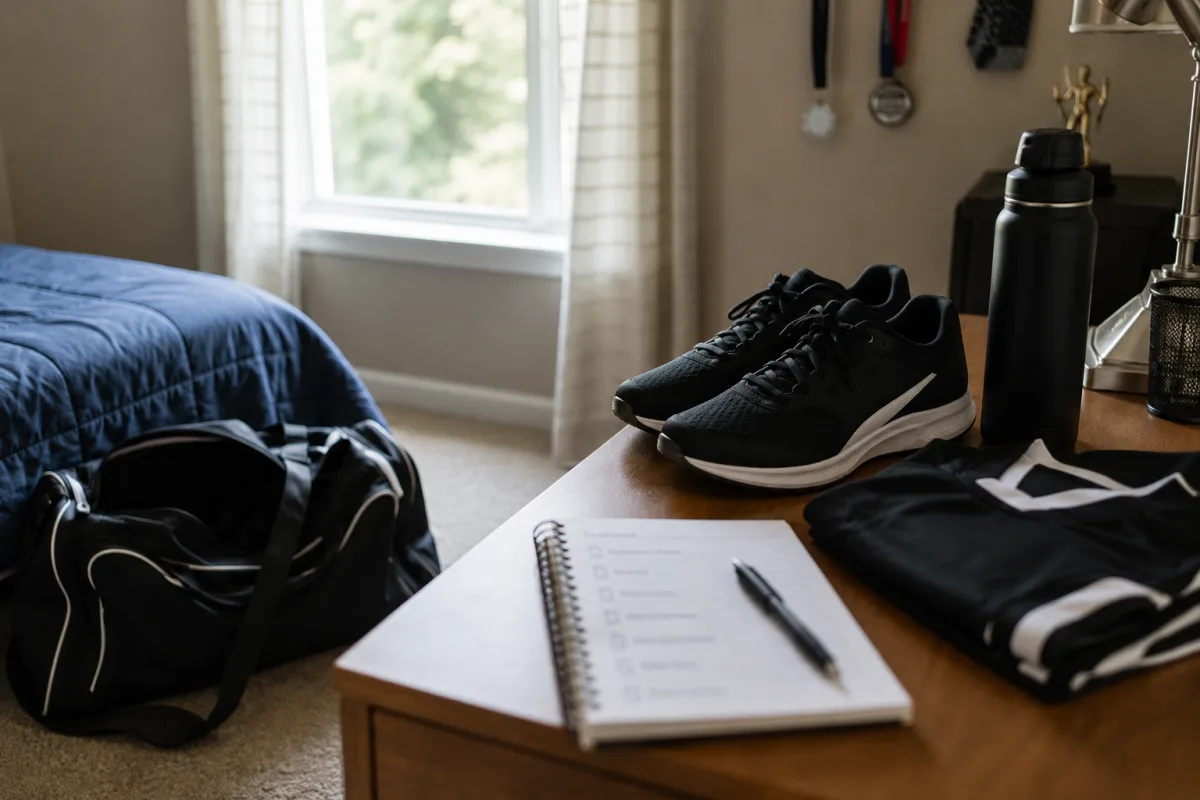
Use the week to remove avoidable stress. Check the tryout time, location, equipment, forms, water bottle, shoes, ride, and weather. Practice the skills most likely to appear, but do not turn the final week into a punishment camp. Arriving sore and exhausted can make nerves worse.
Make a short list of controllable goals: warm up fully, communicate, hustle after mistakes, listen to directions, and show one or two strengths. If public evaluation scares you, Livecub's stage fright guide can help you treat the tryout like a performance with a routine, not a mystery.
How Do You Build A Simple Practice Plan?
Pick the skills that matter for your sport and repeat them under mild pressure. For basketball, that might mean layups, free throws, defensive slides, and quick passing. For soccer, first touch, short passes, shooting, and scanning. For volleyball, serve receive, serving, and calling the ball.
Do a few reps when tired, because tryouts rarely happen when you feel perfect. Then stop before your form falls apart. The last practice should leave you feeling ready, not desperate. Confidence is easier when your preparation has proof behind it.
What Helps The Night Before?
Pack your bag early. Eat a normal dinner, hydrate, set your alarm, and avoid late-night scouting of who else is trying out. Comparing yourself at midnight rarely improves anything. Write down the start time, what you need to bring, and your first action when you arrive.
Sleep matters more than another anxious hour of practice. If you track food or energy patterns, Livecub's food journal guide can help you notice what meals leave you steady for practices and games. Do not try a brand-new food strategy the night before tryouts.
How Do You Calm Your Body On Tryout Day?
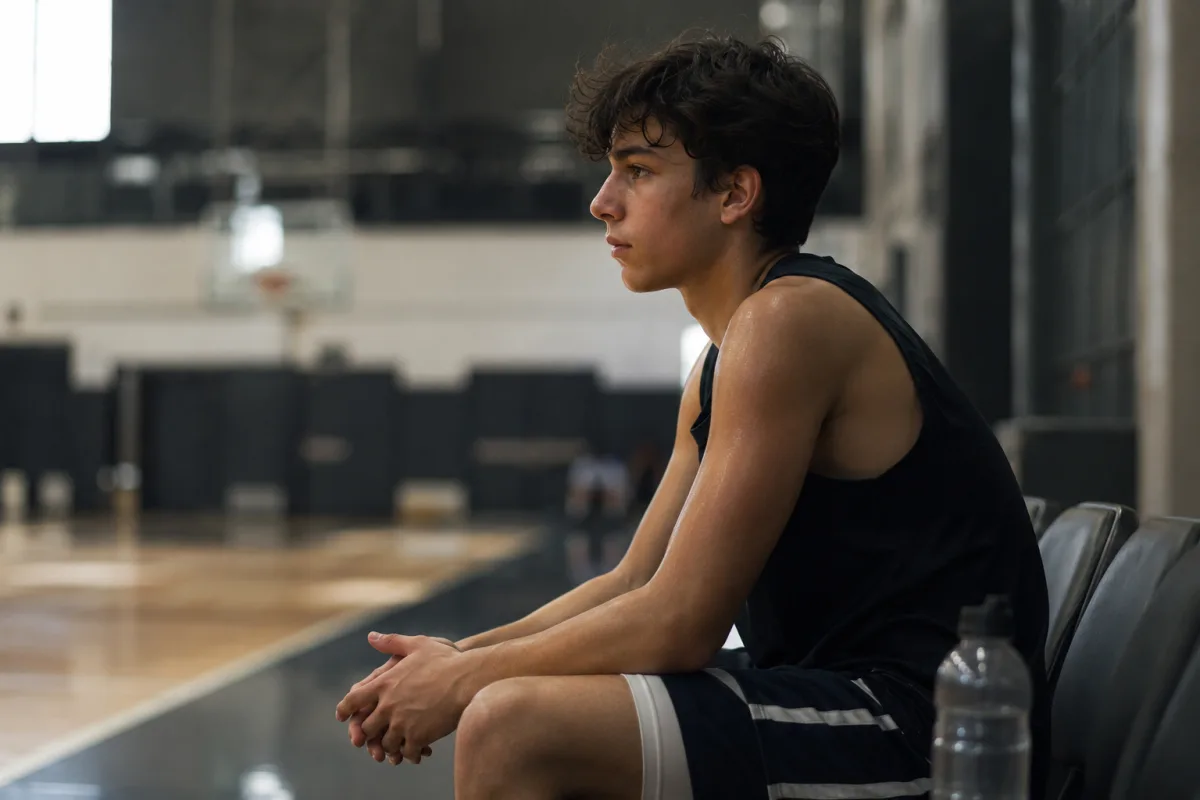
Use breathing that you have practiced before. Try inhaling slowly, exhaling longer than you inhale, and dropping your shoulders. The Mayo Clinic describes relaxation methods such as deep breathing, progressive muscle relaxation, and visualization as ways to lower stress symptoms and improve focus.
Keep the routine short: breathe, loosen your hands, look at the space, and choose the next play. Do not try to solve the whole tryout at once. One pass, one sprint, one drill, one coach instruction. That is all you can perform at any single moment.
What Warm-Up Routine Helps?
Arrive early enough to settle in, but not so early that you stand around feeding nerves. Start with light movement, then dynamic stretches, then sport-specific touches. A basketball player might dribble, pass, and shoot close to the rim. A soccer player might juggle lightly, pass, and take first touches. A runner might build from easy movement into a few controlled strides.
The warm-up should feel familiar. Do not copy the loudest athlete in the group or suddenly add drills you never practice. Your warm-up is there to wake up your body and remind your mind, "I know what I am doing."
What Should You Eat And Drink?
Eat something familiar that sits well. A heavy, greasy meal can make you sluggish; no food can make you shaky. A mix of carbohydrate and protein often works well for many athletes: toast and eggs, yogurt and fruit, a turkey sandwich, oatmeal, or a banana with peanut butter if you tolerate it.
Hydrate before you arrive, then sip as needed. Do not overdo energy drinks or caffeine if they make your heart race. If you need food swaps for comfort, Livecub's pasta substitutes guide is not a sports plan, but it shows how small food choices can change how a meal feels.
How Do You Handle Mistakes In Front Of Coaches?
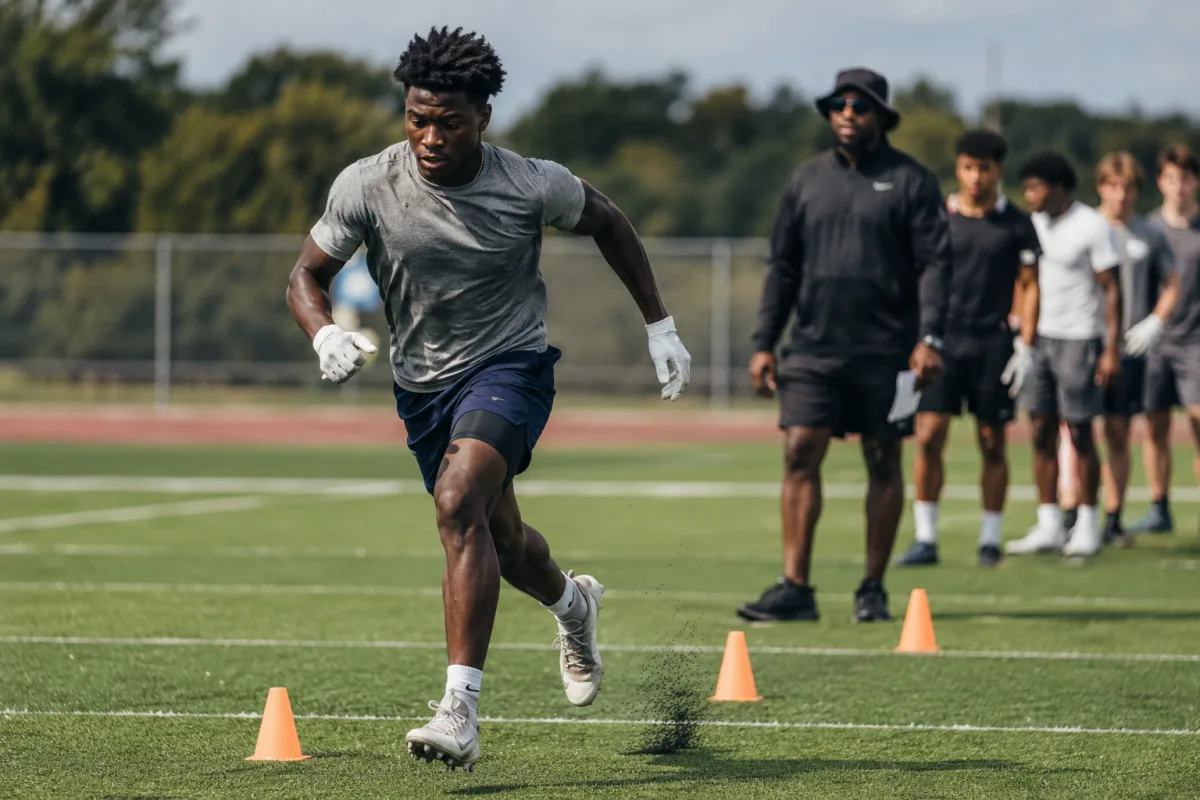
Every athlete makes mistakes in tryouts. Coaches often watch the response more than the mistake itself. Do you stop moving, blame someone, hide, or recover? The best response is usually visible effort: reset your stance, listen, communicate, and take the next rep seriously.
Create a reset phrase before you arrive. Try "next ball," "find space," "feet first," or "breathe and play." The phrase should be short enough that you can use it while moving. Long speeches do not survive real tryout speed.
What Should You Say To Yourself?
Use language that points to action. "Do not mess up" tells your brain very little. "Move your feet," "call for the ball," "finish through the line," or "watch the coach" gives you something to do. Action words are easier to follow under pressure.
Avoid making the whole tryout a vote on your worth. You are trying to earn a spot on a team, not prove your value as a person. If you can keep that separation, mistakes hurt less and feedback becomes easier to use.
How Should You Act Around Other Athletes?
Be friendly, but do not spend the whole tryout measuring yourself against everyone else. Coaches often notice communication, effort, listening, and body language. Encourage teammates, call names when the sport needs it, and avoid blaming others for a missed pass or broken drill.
If another athlete looks better in one drill, let that information pass. You still have the next rep. Tryouts are rarely decided by one perfect moment. They are built from many small signals about skill, effort, coachability, and response under pressure.
What If You Do Not Make The Team?
Not making a team hurts, but it does not define your athletic future. Ask politely for feedback if coaches allow it. Give yourself a day or two to feel disappointed, then decide what to train next. Some athletes improve faster after one failed tryout because the gaps become clear.
Look for another team, clinic, season, club, or role if you still want the sport. Motivation can be hard after rejection; Livecub's motivation article is written for a different audience, but the core idea still fits: encouragement works better when it is specific and tied to a next action.
When Should Anxiety Get Extra Support?
Nerves before tryouts are common. Extra help is wise if anxiety causes panic attacks, vomiting, weeks of sleep loss, disordered eating, avoidance of school, or thoughts of self-harm. Talk with a parent, coach, school counselor, doctor, or licensed mental health professional.
The NCAA mental health best practices page is aimed at college athletics, but it reflects a larger point: mental health support belongs in sports, not outside it. This article is general health information, not medical advice.
Frequently Asked Questions
Is it normal to feel nervous before a tryout?
Yes. Nerves are common because tryouts involve evaluation, uncertainty, and social pressure.
How can I stop shaking?
Slow your breathing, warm up properly, loosen your hands, and focus on the next drill instead of the final result.
Should I tell the coach I am nervous?
You can, but keep it brief. Coaches usually care more about effort, listening, and recovery after mistakes.
What should I do if I make a bad first impression?
Recover quickly. A strong response after a mistake can show maturity and coachability.
Can visualization help?
Yes, if you practice it realistically. Picture arriving, warming up, making one mistake, resetting, and continuing.
What Is The Best Tryout Mindset?
Think like an athlete who came to compete, not like a person begging to be chosen. Prepare, show your strengths, listen, recover, and leave with useful information. That mindset will help whether you make the team this time or build toward the next one.

Olivia Prete
Edits culture and personal-development articles, distinguishing opinion and experience from verifiable claims.




Leave a reply
Replying to