
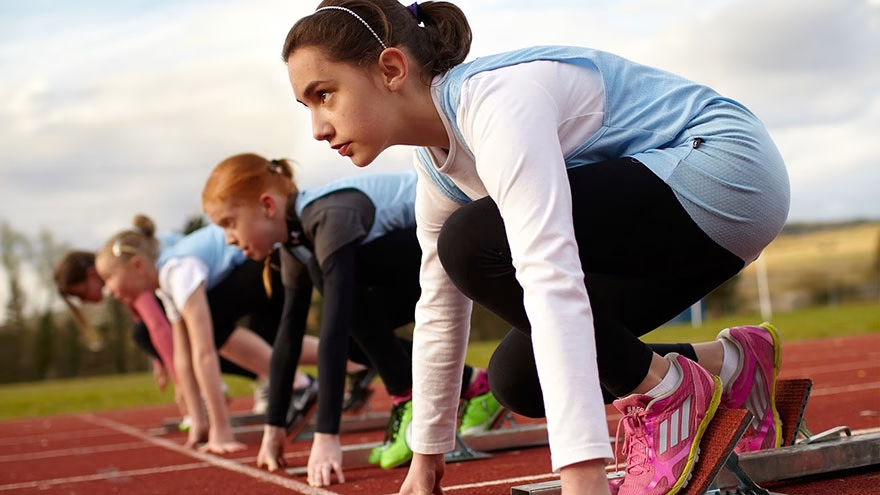
How to Overcome Sports Nervousness starts by treating nerves as information, not proof that you are weak. A little activation can sharpen performance; too much can make the body rush, freeze, or overthink.
The useful plan is not to erase nerves. It is to build a repeatable routine that helps attention move from fear of outcome to the next playable action.
Name The Pressure
Sports nervousness often comes from fear of mistakes, selection, judgment, injury, letting people down, or losing a role. Naming the pressure makes it easier to train.
APA describes sport and performance psychology as helping athletes and performers reach goals and cope with anxiety that can interfere with performance: APA sport and performance psychology.
Build A Pregame Routine
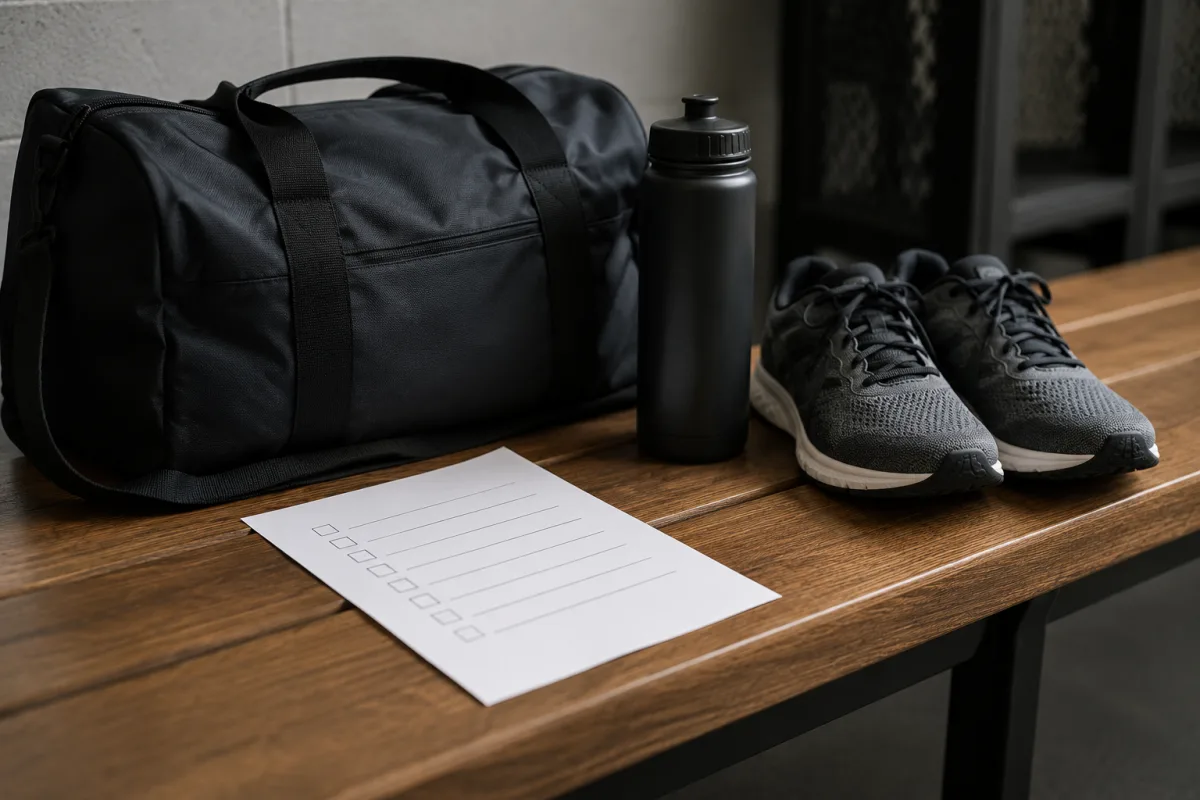
A routine gives the body a familiar track: arrive, warm up, breathe, hydrate, review cues, and start. The routine should be short enough to use on busy days.
If a routine has fifteen steps, it may become another thing to fail. Keep the core routine simple.
Use Task Cues
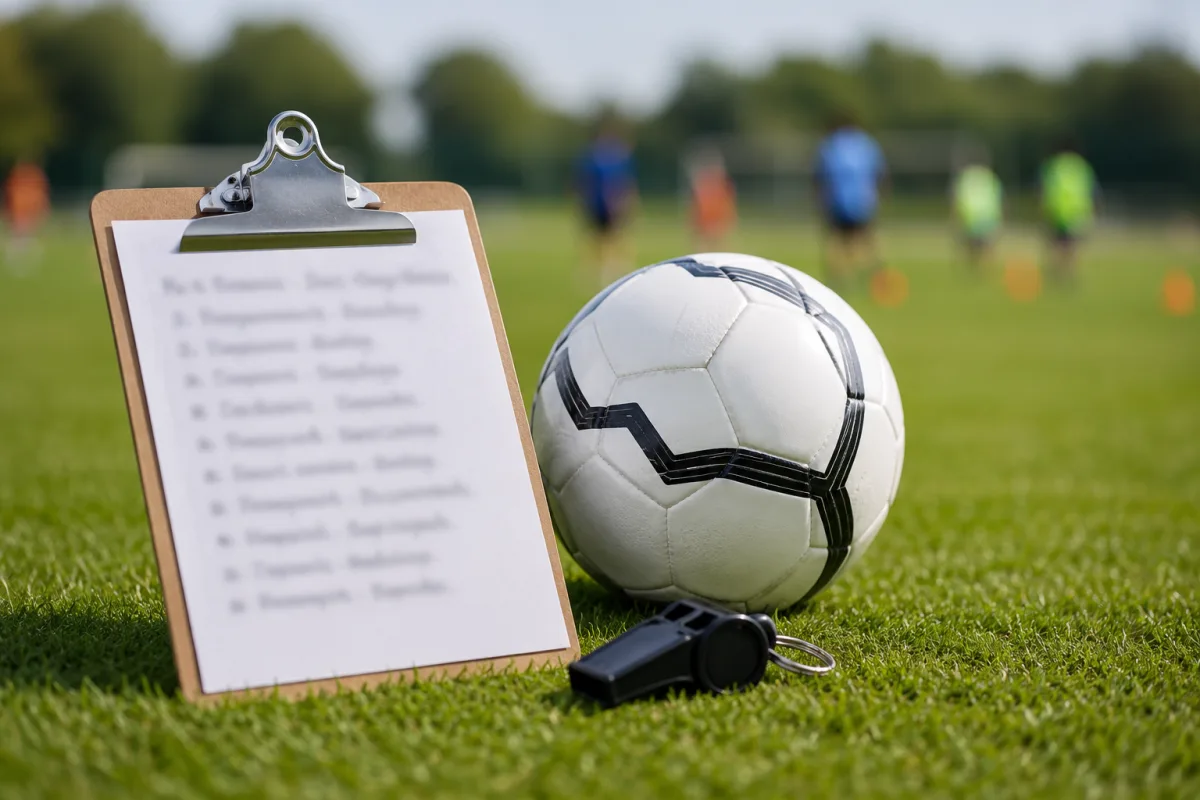
Task cues are short phrases tied to action: soft hands, drive through, see the ball, tall posture, next pass, breathe out. They work better than speeches in the middle of play.
Pick one or two cues for a game. Too many cues pull attention away from the sport.
Practice Pressure
If practice is always comfortable, games feel like a different planet. Add safe pressure: time limits, score counts, small audience, noise, or one-shot drills.
The point is not punishment. It is teaching the body that pressure can be practiced.
Reset After Mistakes
A mistake routine can save a game: exhale, name the next job, move your feet, and rejoin play. Practice it before you need it.
Livecub's sports tryout nerves guide can help with tryout-specific pressure.
Handle Audience Fear
Crowds, parents, scouts, or teammates can pull attention outward. Choose one physical anchor, such as shoes on ground or eyes on target.
Sports nerves and stage fright overlap. Livecub's stage fright guide may help with performance-day body control.
Sleep And Fuel
Nerves get louder when the athlete is under-slept, underfed, dehydrated, injured, or overloaded. Basic care is part of mental preparation.
Mayo Clinic Health System describes mental strategies for race day, including realistic, challenging, flexible goals: Mayo mental training for sports.
Talk To Coaches
A coach can help if they know what the athlete needs: a clear role, one cue, feedback after the game, or less yelling from the sideline.
A nervous athlete often hears every correction as identity judgment. Good coaching separates behavior from worth.
Parent Pressure
Parents can make nerves worse by turning every car ride into analysis. Ask one question: What kind of support do you want before and after games?
Johns Hopkins discusses student-athlete mental health and how parents and coaches can support stress and anxiety: Johns Hopkins student-athlete mental health.
When Nerves Are Bigger
If nervousness causes panic, vomiting, refusal, sleep loss, self-harm thoughts, or dread for days, it may need professional support.
NCAA mental health resources note updated mental health best practices for schools and teams. For a young athlete, that means bigger symptoms should not be handled as a motivation problem.
Track Patterns
Track sleep, food, warmup, fear level, mistakes, recovery, and what helped. Patterns are better than memory after a tense game.
Livecub's food journal guide uses tracking in another area, but the same habit works for performance notes.
Quiet Athletes
Some athletes go silent under pressure. They may need a cue card, hand signal, or short phrase rather than public questioning.
If silence happens in many social settings, Livecub's selective mutism guide may be more relevant than ordinary sports nerves.
Use The First Play
Give yourself one simple first-play goal: sprint to position, call for the ball, make the first pass, or breathe before the serve.
Starting with an action prevents the mind from trying to solve the whole game at once.
After-Game Review
Review after the body cools down. Write one thing that worked, one pressure moment, and one practice target.
A fair review builds confidence better than replaying every mistake in the car.
Separate Outcome From Job
A nervous athlete often thinks about selection, scouts, parents, ranking, or losing before the first whistle. Those outcomes matter, but they are too large to carry during a play.
Translate the outcome into a job: hold shape, communicate, watch the ball, finish the follow-through, recover to position. A job is something the athlete can do now. That gives attention somewhere useful to land.
Train Breathing Under Motion
Breathing practice works better when it is not saved for panic. Add it to warmups, water breaks, free throws, serves, starts, or the walk back to position after a mistake.
The athlete should not look like they are doing a therapy exercise in the middle of the game. A slow exhale, relaxed jaw, and one cue word can fit inside normal sport rhythm.
Make Coaches Easier To Hear
Nerves can make coaching sound like criticism even when the message is technical. Ask the coach for one cue before competition and one cue after, instead of a long list during the most anxious moment.
This helps both sides. The athlete knows what to listen for, and the coach avoids flooding a tense player with too much information. Short, repeatable language travels better under pressure.
Protect Recovery Time
Sleep, food, hydration, and rest days are not side issues for nervous athletes. A tired body reads pressure as threat more quickly, and small mistakes feel larger when recovery is poor.
Recovery also includes mental space away from the sport. An athlete who is analyzed at practice, in the car, at dinner, and at bedtime may never get a clean reset.
Create A Reset You Can Actually Use
A reset should take seconds, not minutes. Try one breath out, one physical cue, and one next action. For example: exhale, loosen shoulders, find your mark. Or exhale, tap the racket, watch the toss.
Practice the reset during drills so it becomes normal. If the first time you use it is during a final, it may feel fake. Repetition turns it into part of the sport instead of a rescue plan.
Do Not Confuse Calm With Ready
Some athletes expect readiness to feel calm. Many do not feel calm before competition; they feel charged, alert, talkative, quiet, shaky, or restless. The body can be ready while still uncomfortable.
The goal is to keep the energy usable. If the athlete waits to feel perfectly calm, they may think something is wrong every time nerves show up. A better question is: what action can I take with this energy?
Team Culture Matters
A team that mocks mistakes will create different nerves than a team that reviews mistakes and moves on. Coaches and captains can lower pressure by making recovery visible: next rep, next play, next assignment.
This does not mean standards disappear. It means the athlete knows an error will be coached, not turned into a character trial. That difference can change how quickly players return to useful attention.
Use Practice To Prove The Plan
A routine earns trust through boring repetition. Use it before easy drills, hard drills, scrimmages, and games so the athlete does not link the routine only with fear.
After a few weeks, ask what part actually helps. Keep that piece and drop the steps that only look impressive. The best routine is the one the athlete will use under pressure.
If the athlete skips the routine on good days, it will feel like an emergency tool on bad days. Make it normal before it is needed.
Frequently Asked Questions
How do I calm nerves before a game?
Use a short routine: arrive early, warm up, breathe out slowly, review one cue, and focus on the first action.
Can sports nervousness help performance?
A small amount can sharpen focus. Too much can cause rushing, freezing, overthinking, or avoidance.
What should I think after a mistake?
Use a reset phrase tied to the next play. Do not turn one mistake into a judgment about your whole ability.
How can parents help nervous athletes?
Ask what support the athlete wants, reduce car-ride criticism, and praise effort, preparation, and recovery.
When should an athlete get help?
Get help if anxiety causes panic, avoidance, sleep loss, vomiting, self-harm thoughts, or loss of joy in the sport.
Sports nervousness improves when athletes train routines, task cues, recovery, and pressure practice. The goal is not no nerves; it is playable nerves.

Cashie Evans
Covers parenting and practical household topics with clear steps, safety notes and links to current guidance.


Leave a reply
Replying to