
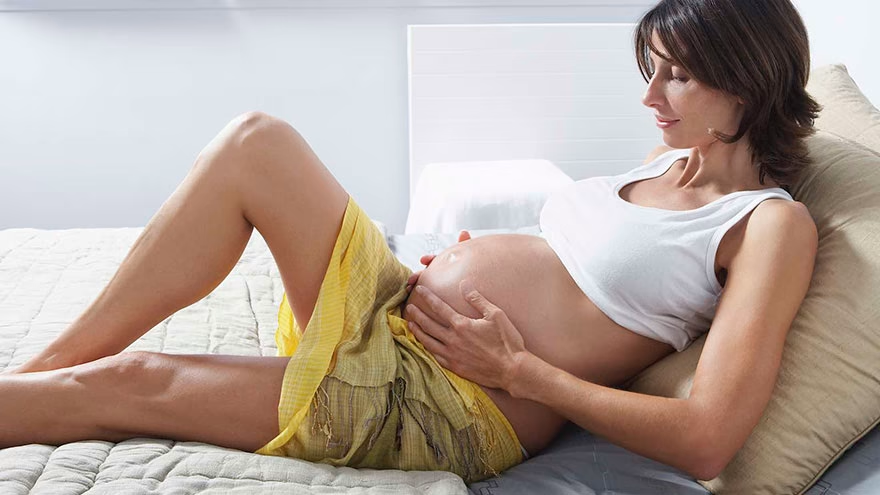
How to Cope With Hemorrhoids During Pregnancy starts with reducing pressure, softening stools, and knowing when bleeding or pain needs medical advice.
Hemorrhoids are swollen veins around the rectum or anus. Pregnancy can make them more likely because of constipation, pressure from the uterus, hormonal changes, and straining.
Know What Hemorrhoids Feel Like
Symptoms can include itching, soreness, swelling, pressure, pain during bowel movements, or bright red blood on toilet paper. Some hemorrhoids are internal; some are external.
NHS pregnancy guidance says piles are common in pregnancy and may cause itching, aching, soreness, or bleeding after passing stool: NHS piles in pregnancy.
Do not assume every rectal symptom is hemorrhoids. Severe pain, heavy bleeding, black stool, fever, or dizziness should be discussed with a clinician promptly.
Soften Stool First
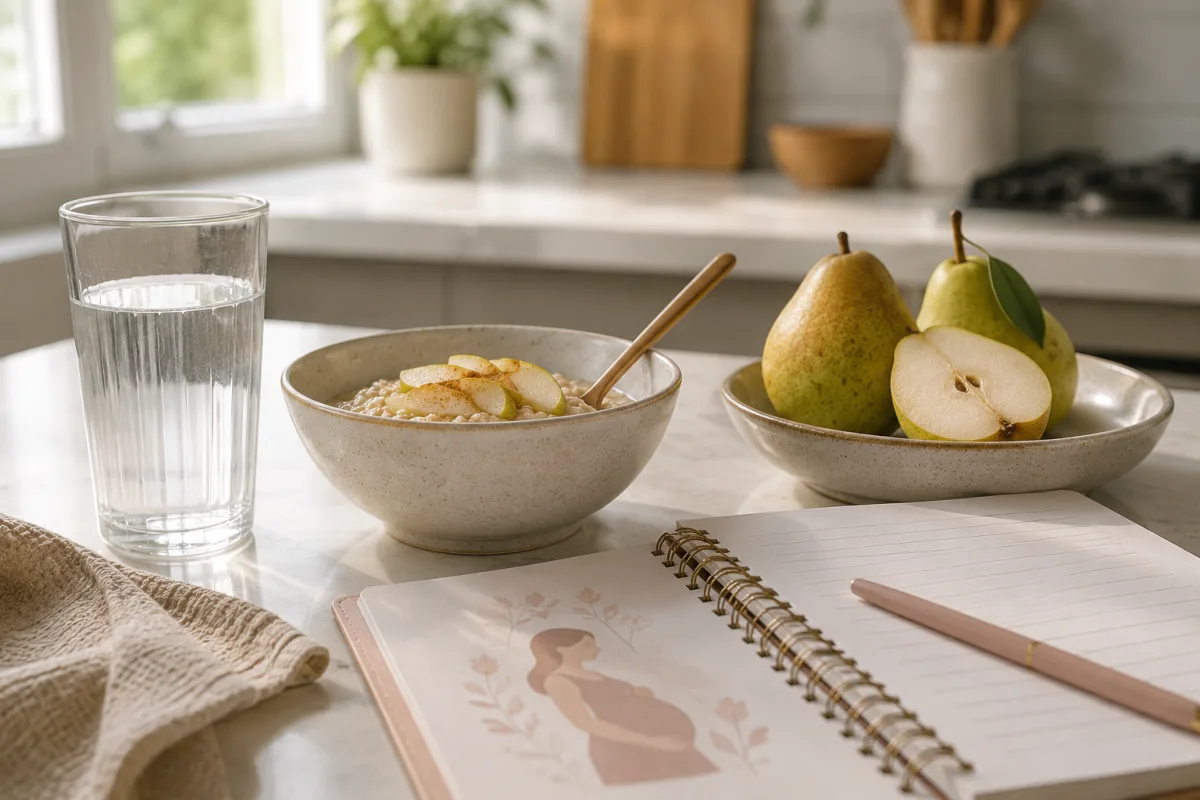
Straining keeps hemorrhoids irritated. The first practical goal is easier bowel movements: fluids, fiber, movement if cleared, and bathroom time without rushing.
Mayo Clinic notes that eating high-fiber foods and drinking fluids can help soften stool and increase bulk for hemorrhoid relief: Mayo Clinic hemorrhoid treatment.
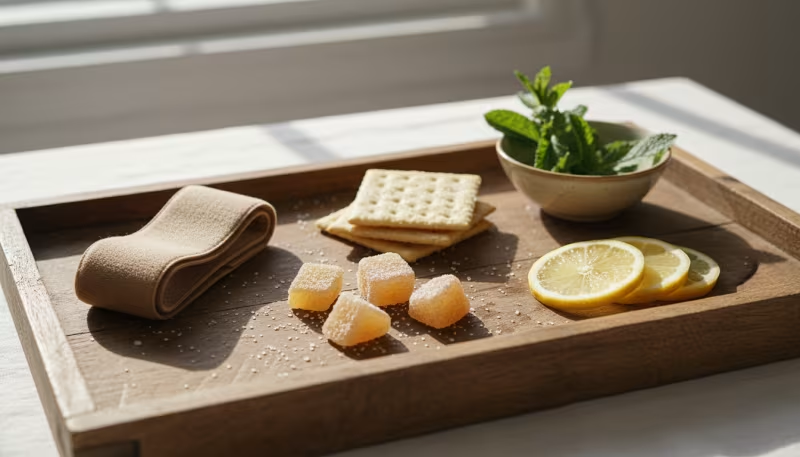
If nausea or food aversions make fiber hard, bland pregnancy foods may help you find gentler options, but severe constipation needs care.
Use Bathroom Habits That Reduce Pressure
Do not sit on the toilet scrolling for long periods. Long sitting increases pressure. Go when you feel the urge, then leave the bathroom.
A small footstool can make bowel movements easier for some people by changing hip position. Do not strain or hold your breath.
If iron supplements are worsening constipation, ask your clinician about options. Do not stop prescribed iron without medical guidance.
Comfort Measures
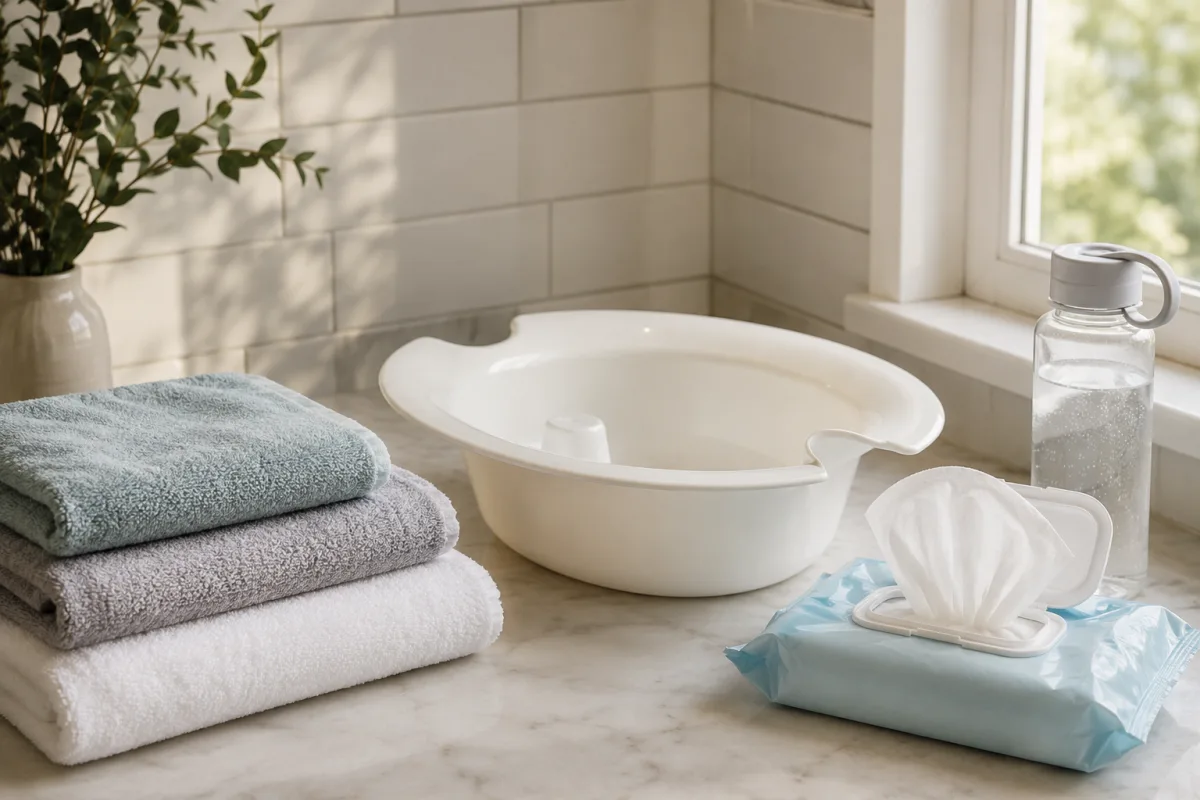
Warm sitz baths, cool compresses, gentle cleansing, soft toilet paper, and fragrance-free wipes can reduce irritation. Pat dry instead of rubbing.
ACOG's common pregnancy questions include constipation and hemorrhoids among digestive discomforts that can occur during pregnancy: ACOG digestive problems during pregnancy.
Ask before using medicated creams, suppositories, witch hazel pads, or stool softeners. Many options are common, but pregnancy history and symptoms still matter.
Move Without Overdoing It
Walking and gentle movement can support bowel regularity if your clinician has not limited activity. Long sitting can make pressure worse.
If you work at a desk, take short standing breaks. If you drive long distances, plan safe breaks to walk and use the bathroom.
If pelvic pressure, contractions, bleeding, or dizziness happens with movement, stop and call your care team.
Pregnancy Intimacy And Hemorrhoids
Hemorrhoids can make intimacy awkward or uncomfortable. Talk about pain, positions, and boundaries before touch becomes stressful.
If this is affecting your relationship, staying intimate during pregnancy may help with the conversation.
Pain is a valid reason to pause. Pregnancy does not require pretending discomfort is fine.
When To Call A Clinician
Call for heavy bleeding, severe pain, a hard painful lump, fever, pus, black stool, dizziness, or symptoms that do not improve with conservative care.
Also call if you are unsure whether the bleeding is rectal or vaginal. In pregnancy, location matters and it is better to ask than guess.
If anxiety or embarrassment is keeping you from calling, remember that clinicians discuss hemorrhoids often. You are not the first person to ask.
Postpartum Hemorrhoids
Hemorrhoids can flare after pushing, constipation, or postpartum swelling. Keep stool soft, hydrate, use comfort measures, and ask about safe medications if breastfeeding.
If the birth involved tears, stitches, or a C-section, ask how to manage bowel movements without straining. Pain control and stool softening often go together.
If mood is low or pain feels overwhelming, depression during pregnancy is related support reading, but urgent mental health symptoms need immediate help.
What Not To Do
Do not use random online remedies, strong essential oils, harsh scrubs, enemas, or laxatives without medical advice. Pregnancy changes the safety calculation.
Do not ignore repeated bleeding because you feel embarrassed. Bright red spotting may be hemorrhoids, but a clinician should know if it persists or worries you.
If body confidence is affected, feeling attractive during pregnancy may help emotionally, but the physical symptoms still deserve care.
A Simple Daily Plan
Drink fluids, include fiber you tolerate, walk if cleared, answer bowel urges quickly, keep bathroom time short, use gentle cleaning, and ask about safe medication if needed.
Track triggers for a week: iron timing, low fluid days, long sitting, travel, spicy foods, or skipped meals. Patterns make it easier to adjust.
If symptoms are tied to early labor worries, early labor support is a different topic, but support people can still help with comfort and privacy.
Fiber Ideas That May Be Easier
If raw vegetables make nausea worse, try oatmeal, pears, prunes, beans in small portions, chia pudding, lentil soup, or whole-grain toast if you tolerate them.
Increase fiber slowly. A sudden big jump can cause gas and cramping, which may make pregnancy discomfort worse.
Pair fiber with fluids. Fiber without enough fluid can leave stools hard and make straining worse.
Medication Questions To Ask
Ask which stool softener, fiber supplement, topical cream, pad, or suppository is appropriate for your pregnancy. Bring the product label or active ingredient list.
Ask how long to use it and when to stop. Some products are meant for short-term relief, not daily use for weeks without follow-up.
If you have high blood pressure, diabetes, bleeding issues, allergies, or other conditions, mention them before using over-the-counter products.
Work And Travel Adjustments
Long sitting can worsen pressure. If you work at a desk, stand briefly each hour, walk when safe, and use a cushion if it helps.
For travel, pack water, tolerated snacks, gentle wipes, and time for bathroom breaks. Rushing bowel movements on the road can make symptoms flare.
If travel causes severe pain, bleeding, or contractions, call your care team instead of pushing through the trip.
Common Myths
Myth one: hemorrhoids mean you did something wrong. They are common in pregnancy and often relate to pressure and constipation.
Myth two: bleeding is always harmless. It may be hemorrhoids, but repeated or heavy bleeding needs medical advice.
Myth three: you must live with severe pain until birth. Many comfort measures and pregnancy-appropriate options can help when guided by a clinician.
Delivery And Pushing Questions
If hemorrhoids are painful near your due date, ask your clinician what to expect during pushing and what comfort measures can be used afterward.
Do not feel embarrassed bringing it up at a prenatal visit. The care team can discuss stool softeners, positioning, ice packs, sitz baths, and postpartum warning signs.
If you have a planned C-section, constipation can still be an issue because pain medicine and reduced movement may slow bowel function.
A Small Supply Kit
Keep a simple kit: soft toilet paper, fragrance-free wipes, peri bottle, small towel, approved cream or pads if recommended, water bottle, and easy fiber foods.
Store supplies where you use them. When symptoms flare, walking across the house for wipes or towels can feel like too much.
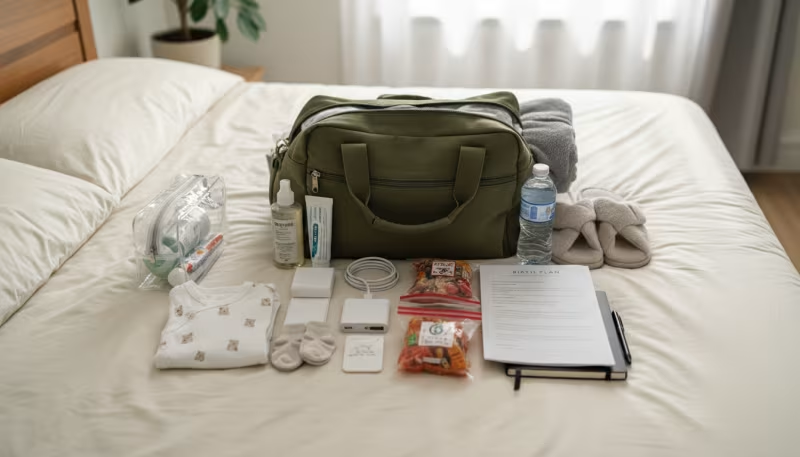
If you are close to delivery, pack a few gentle supplies in the hospital bag and ask what the facility provides.
How Partners Can Help
A partner can refill water, buy fiber foods, handle pharmacy runs, protect privacy, and take over chores that require long standing or heavy lifting.
Good help is quiet and practical. Jokes about hemorrhoids may make the pregnant person avoid asking for support.
If symptoms affect mood or intimacy, the kindest response is patience, not pressure.
When Symptoms Do Not Improve
If a week of careful stool-softening, fluids, short bathroom visits, and comfort measures does not help, ask your clinician for the next step.
Some people need prescription options, evaluation for fissures, or a different constipation plan. Persistent pain deserves follow-up.
Frequently Asked Questions
Are hemorrhoids common in pregnancy?
Yes. Constipation, pressure, and hormonal changes can make them more common.
Is bleeding always hemorrhoids?
No. Bright red blood can come from hemorrhoids, but heavy, repeated, or unclear bleeding needs medical advice.
Can I use hemorrhoid cream while pregnant?
Ask your clinician or pharmacist before using medicated creams or suppositories.
Will hemorrhoids go away after birth?
Some improve after delivery, but postpartum constipation and pushing can also cause flares.
How can I prevent them from worsening?
Keep stools soft, avoid straining, limit toilet sitting, move if cleared, and call for concerning symptoms.
This article is for general information only and isn't a substitute for medical advice. Talk to a clinician who knows your full history before making changes.

Alyssa Curlin
Edits general health, nutrition and education explainers. Medical topics are educational and link to public-health guidance.

Leave a reply
Replying to