

A humane mouse trap sounds simple: catch the mouse alive and let it go. The real question is harder. A trap can be called humane on the package and still cause stress, dehydration, injury, or a slow death if it is used carelessly.
The most humane plan is not only the trap. It is food control, sealing entry points, safe cleanup, fast trap checks, and a release plan that follows local rules. If there are many mice, children, pets, pregnancy, immune problems, or signs of heavy contamination, professional pest help may be safer.
Start With Evidence Of Mice
Look for droppings, gnaw marks, shredded paper, food bags with holes, scratching sounds, greasy rub marks along walls, or a sour smell in enclosed spaces. Do not assume one sighting means one mouse. It may be one visitor, or it may be the first visible sign of a nest.
Before setting traps, remove easy food. Store grains, pet food, seed, and snacks in hard containers. Wipe counters at night, empty trash, and move clutter away from walls. A live trap works better when the mouse has fewer competing food sources.
Pick A Trap That Limits Harm
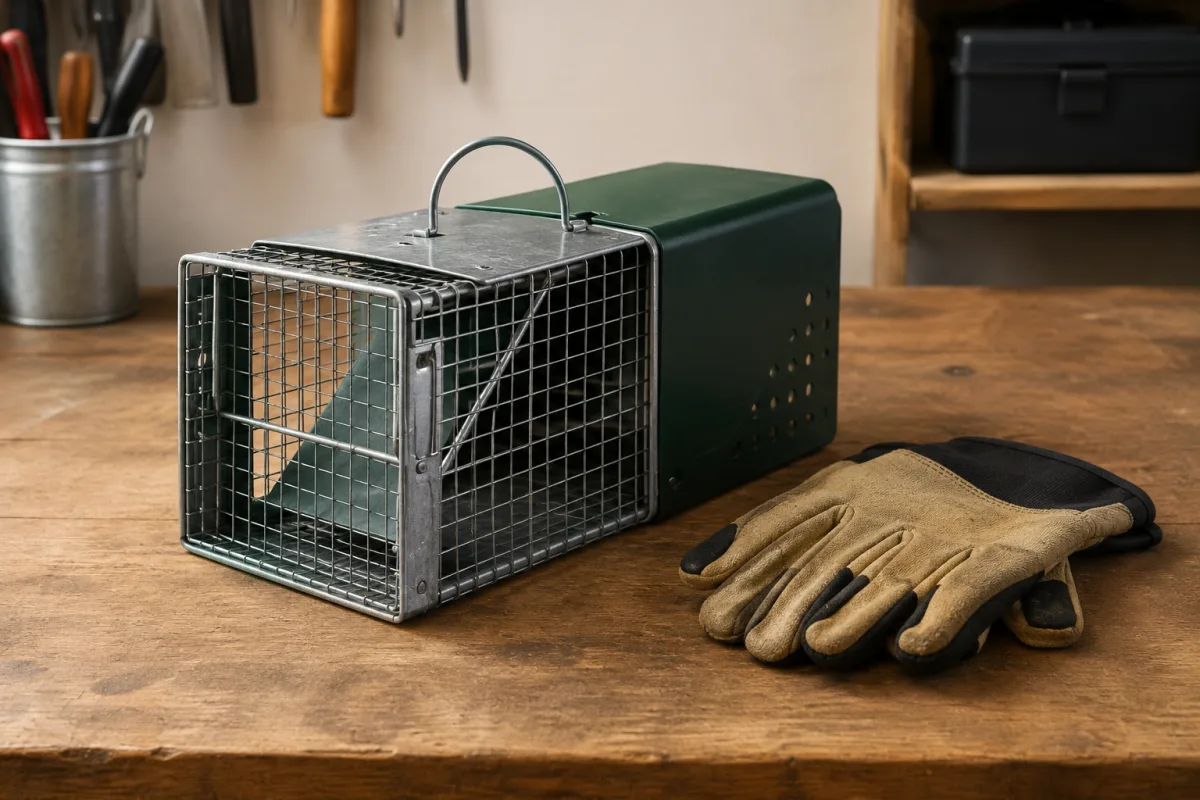
Choose a trap large enough for a mouse to turn around, with ventilation, a smooth entry, and no glue surface. Avoid glue boards. They can cause panic, injury, and prolonged suffering. A clear trap helps you check quickly without shaking the animal.
Multi-catch traps may sound kind, but they can also leave several animals crowded if you forget them. A single-catch trap is easier to monitor. If you use a multi-catch model, check it more often than the package suggests.
Check More Often Than Once A Day
A live trap becomes less humane the longer the animal sits in it. Check morning, evening, and before bed when possible. In hot, cold, or dry weather, check more often. A trapped mouse has no free access to water, shelter, or escape.
CDC rodent guidance focuses on avoiding contact with rodent urine, droppings, saliva, and nesting material: CDC hantavirus prevention. That safety point applies even when the trap is meant to avoid killing the animal.
If you like tracking household patterns, the same simple note-taking habit in writing a food journal can help you record where droppings, sounds, or trap activity appear.
Use Safe Bait And Placement
Peanut butter, oats, seeds, or a tiny amount of chocolate can attract mice, but do not overload the trap. Too much bait lets a mouse eat without triggering the door. Place traps along walls, behind appliances, under sinks, and near signs of travel.
Keep traps away from children, pets, food prep surfaces, and heating equipment. If you use a live trap in a garage or shed, protect it from freezing, direct sun, and water. The trap should be stable, level, and easy to reach for checking.
Release Is Not Always Simple
Release rules vary by location. Some areas restrict moving wild animals. Some experts warn that relocated mice may die from exposure, territory loss, or predators. That does not mean live traps are useless, but it does mean the plan needs realism.
If release is legal, choose a sheltered area away from busy roads and private property problems. Wear gloves, avoid touching the mouse, open the trap gently, and clean the trap afterward. If the animal seems injured, call local animal control or a wildlife rehabilitator for advice.
Clean Droppings The Safer Way
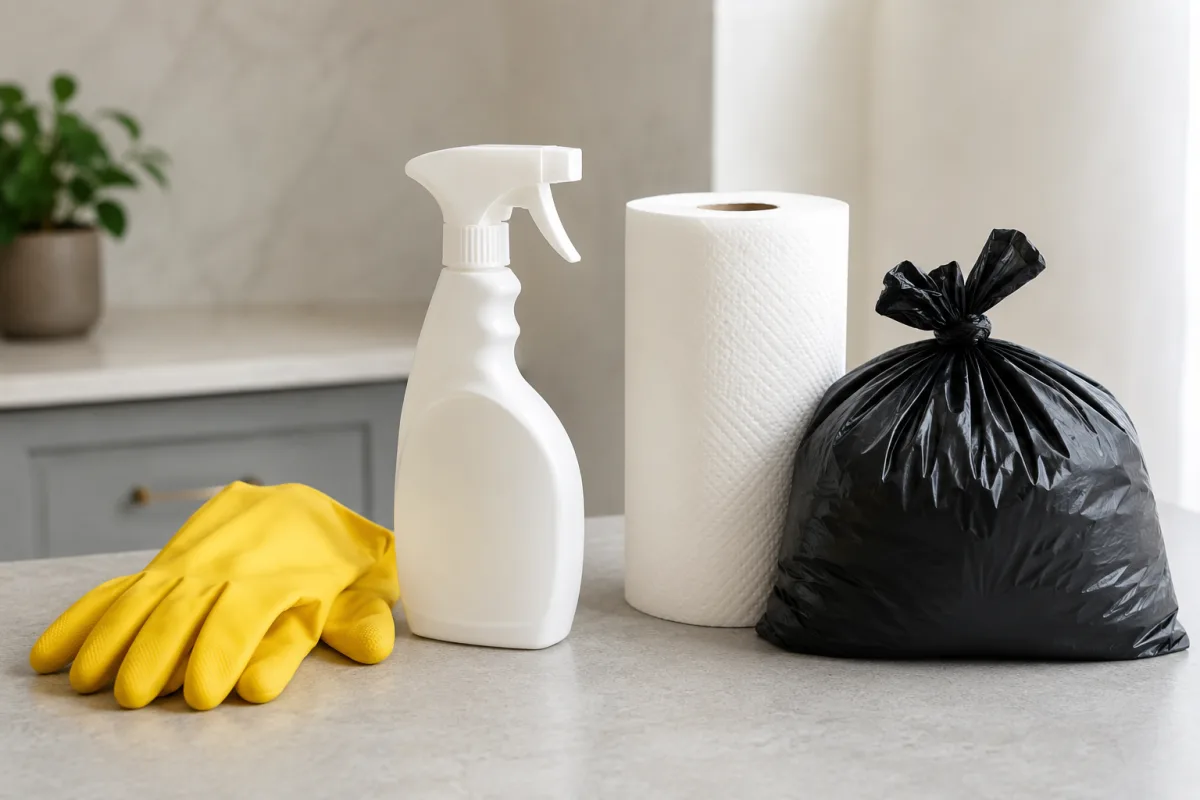
CDC cleanup guidance says to spray rodent urine and droppings with disinfectant or bleach solution before wiping; it also warns against dry sweeping or vacuuming contaminated material: CDC cleanup after rodents. The goal is to reduce dust that may carry germs.
Wear gloves. Ventilate the room if possible. Spray, wait, wipe, bag, and wash hands. Throw out contaminated food packaging. Wash fabrics that may have been used for nesting. If the mess is heavy, in insulation, or near HVAC, do not treat it like ordinary dust.
Seal Entry Points
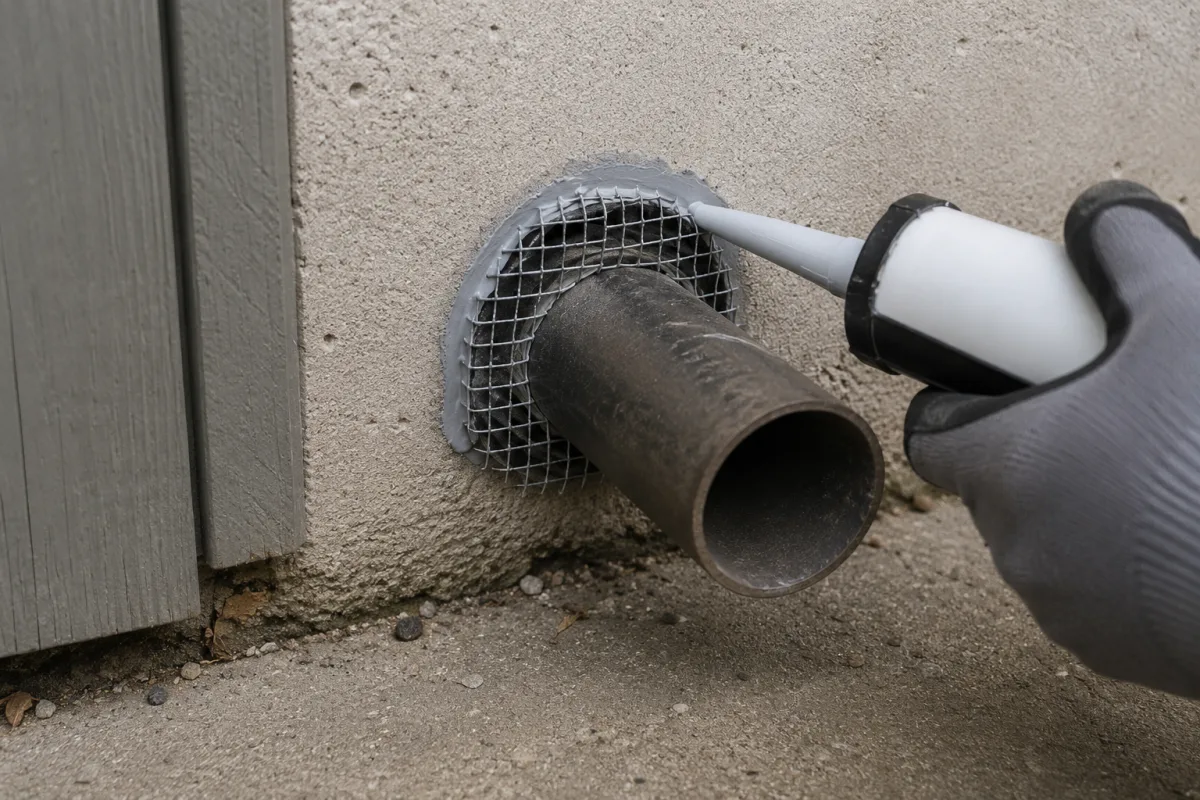
A trap catches the mouse already inside. It does not close the door. Check gaps around pipes, vents, doors, siding, garage seals, foundation cracks, and utility lines. Mice can squeeze through very small openings, so repair matters.
Use metal mesh, hardware cloth, copper mesh, steel wool with sealant, door sweeps, and proper repairs rather than foam alone. Foam can be chewed. If you rent, document the issue and ask the landlord for repairs in writing.
Household routines can be harder for older adults or people with limited mobility; Livecub's guide on motivation in older adults may help when a cleanup plan needs support from family.
Know When A Live Trap Is Not Enough
A few droppings near one cabinet is different from repeated sightings, chewed wires, attic noise, or contamination in food storage. Large infestations need a broader plan. In some cases, the humane choice is a trained professional using the least harmful effective method.
EPA's rodenticide page explains that rodent products carry safety concerns and should be handled carefully: EPA rodent control and rodenticides. If poison is considered, think about pets, children, wildlife, and secondary poisoning before anything is placed.
Protect People At Higher Risk
Pregnant people, infants, older adults, and people with weakened immune systems should avoid cleaning rodent-contaminated spaces when possible. If they live in the home, the repair and cleanup plan should be faster, cleaner, and less casual.
Do not leave a trap in a child's bedroom, under a crib, or near pet food. Do not ask a child to release a mouse as a lesson in kindness. Kindness includes keeping people safe from bites, urine, droppings, and fear.
Keep The Plan Calm
A mouse in the house can make people jumpy. Work in order: remove food, set traps, check often, release or call help, clean safely, seal holes, monitor for two weeks. Panic leads to rushed choices that may hurt animals and people.
If anxiety about the problem grows, Livecub has separate guides on stage fright and selective mutism; they are not rodent-control guides, but they show why stress responses deserve patience.
Review The Result
After a week, ask what changed. Are there new droppings? Is bait untouched? Did the trap catch anything? Are entry points sealed? Did food storage improve? A humane trap is only one tool in a plan that should end the mouse's access to the home.
If the same signs return, do not keep trapping one mouse at a time while the opening stays open. Find the source, repair the building, and get professional help if the problem keeps spreading.
Think About Timing
Mice are often active when the house is quiet. Set traps before the activity window, then check them early. Do not set a live trap before leaving for a weekend or a long workday if no one else can check it.
Protect Pets
Cats and dogs may paw at traps, frighten a captured mouse, or get pinched by a door mechanism. Put live traps inside cabinets, behind barriers, or in rooms pets cannot access. Bait should also be safe if a pet finds it.
Do Not Make It A Pet
A wild mouse in a trap is stressed, not adopted. Avoid holding it, showing it around, feeding it by hand, or keeping it in a box for children to inspect. Fast, quiet handling is kinder.
Keep Monitoring After The Catch
One successful catch does not prove the home is clear. Keep monitoring for droppings and sounds for at least two weeks. If signs return, the entry point or food source probably still exists.
Frequently Asked Questions
How often should I check a humane mouse trap?
Check at least twice daily, and more often during heat, cold, or dry weather. A live trap can become harmful if the mouse is left without water or shelter.
Are glue traps humane?
No. Glue traps can cause injury, panic, dehydration, and prolonged suffering. They also create messy safety problems for people and pets.
Where should I place a live mouse trap?
Place it along walls or near signs of mouse travel, away from children, pets, food prep areas, direct sun, and freezing temperatures.
Can I release a mouse anywhere?
No. Local rules vary, and relocation can be hard on the animal. Check local guidance and release only where legal and safe.
When should I call a pest professional?
Call if there are repeated sightings, chewed wires, attic activity, heavy droppings, high-risk people in the home, or failed trapping.
This article is for general information only and is not medical or mental health advice. If symptoms, distress, or safety concerns are present, contact a qualified professional or emergency services.

Olivia Prete
Edits culture and personal-development articles, distinguishing opinion and experience from verifiable claims.



Leave a reply
Replying to