

How to Find Out If a House Was Condemned means checking public records, code enforcement files, building department notices, court records, and the property itself. A condemned house is usually one a local authority has found unsafe, unfit, or unlawful to occupy, but the exact label and process vary by city, county, and state.
This article is general legal and real estate information, not legal advice. Condemnation can affect occupancy, financing, insurance, rental rights, purchase contracts, repairs, and title questions. Confirm records with the local authority and speak with a real estate lawyer before buying, renting, selling, or entering a disputed property.
Start With The Local Building Department
The building department, code enforcement office, housing department, or neighborhood services office is usually the best starting point. Ask whether the address has open code violations, unsafe structure orders, vacant building notices, demolition orders, or certificates of occupancy issues.
Use the exact street address, parcel number if available, and any alternate addresses. A corner property, duplex, or rural parcel may be listed under a different format than the one used in a real estate listing.
Search Online Property Portals
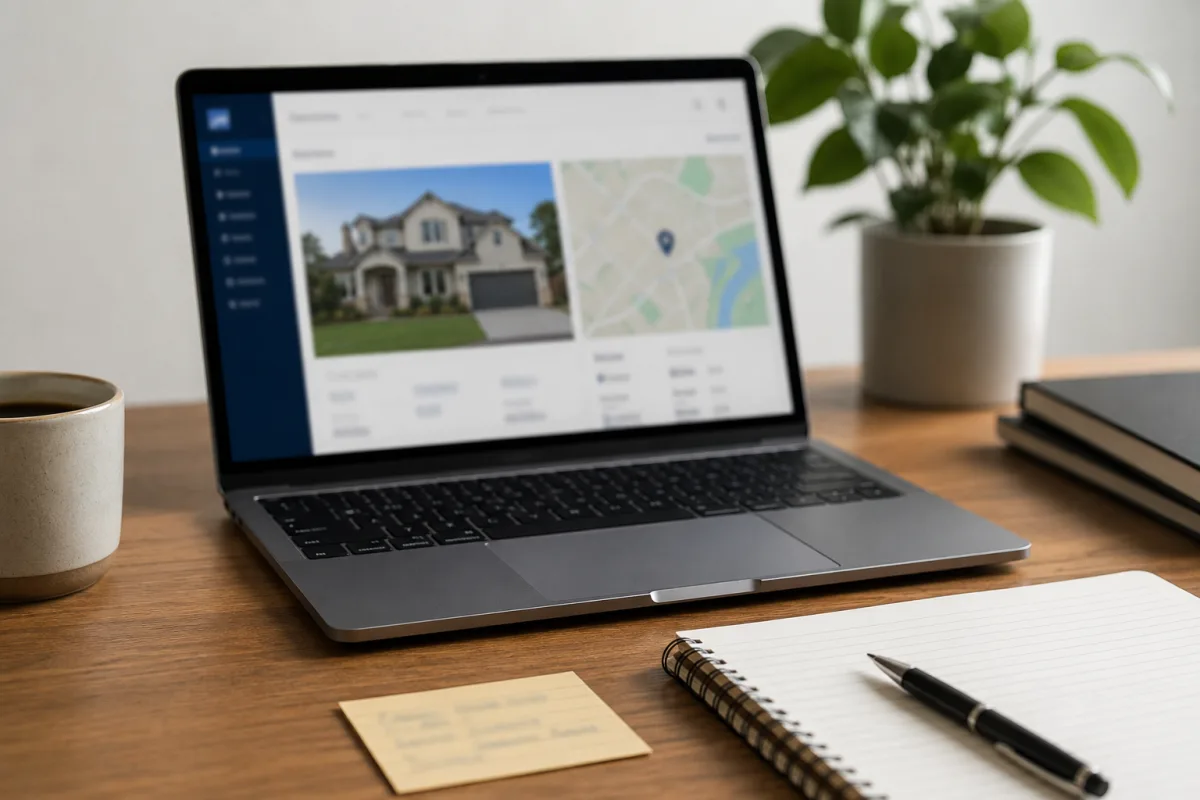
Many cities and counties offer online portals for permits, violations, complaints, rental licenses, and enforcement cases. Search by address and parcel number. Look for words such as unsafe, unfit, placard, notice, order to vacate, demolition, or condemnation.
New York City's Building Information Search is one example of a public portal where users can look up complaints, violations, permits, and other building data. Your city may use a different system.
Check The Property Assessor
The assessor or property appraiser can show owner name, parcel number, property class, assessed value, building details, and sometimes notes about condition. A sharp value drop, missing building value, or land-only assessment can be a clue, but it is not proof of condemnation.
Use assessor data to confirm the legal parcel and owner before asking other offices for records. Do not assume a listing photo or mailing address is enough.
Look For Posted Notices
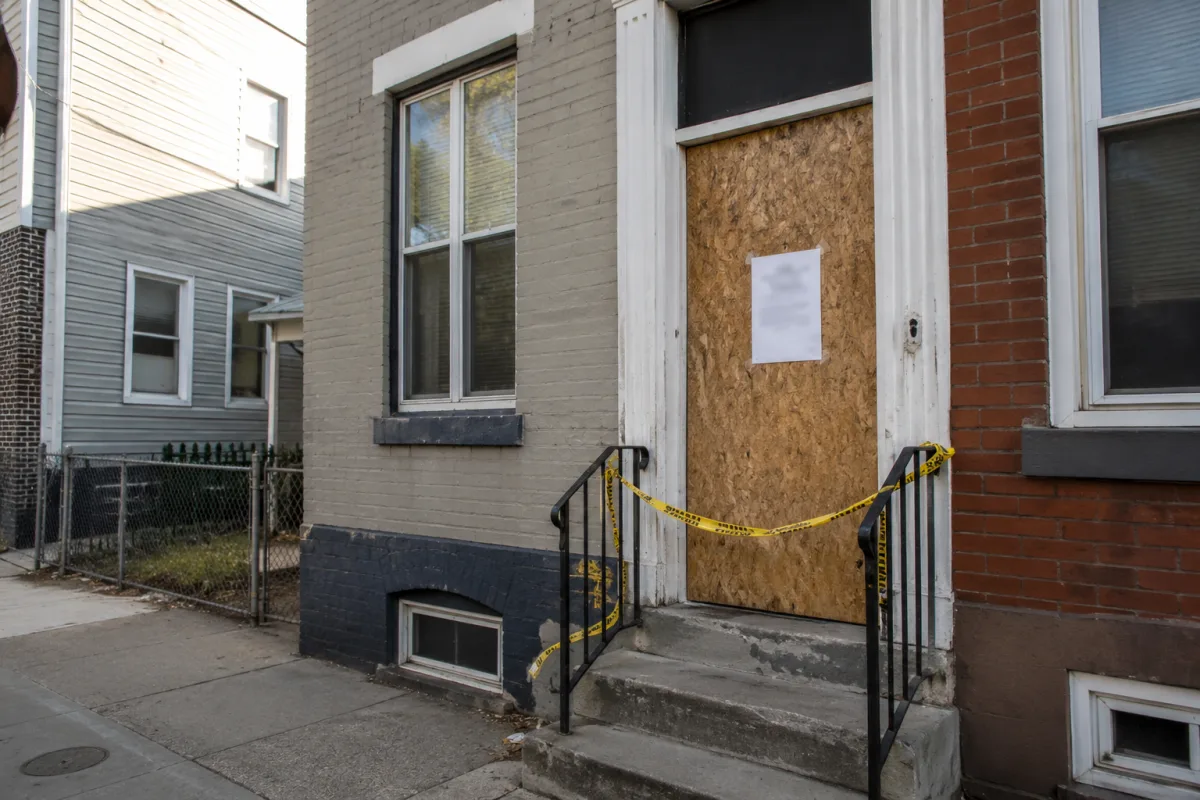
Condemned or unsafe buildings may have a posted notice on the door, window, fence, or utility meter area. The notice may list the issuing department, case number, date, and contact phone number. Photograph the notice from a lawful public place if you can do so safely.
Do not enter the property to read a notice. A condemned house may have structural collapse risk, mold, exposed wiring, animals, illegal occupancy, or criminal trespass issues.
Ask For Code Enforcement Records
If the online portal is incomplete, ask the code enforcement office for records. You may need a public records request. Ask for notices, inspection reports, violation history, abatement orders, hearing decisions, demolition orders, and closure letters.
Some files are partially withheld for privacy, safety, or law enforcement reasons. Still, the public record often shows enough to understand whether the property was declared unsafe or cleared.
Check Court And Hearing Records
Some condemnation or code cases go before an administrative hearing officer, housing court, municipal court, or civil court. Search the address, parcel number, owner name, and case number if you have one. Court records may show appeals, fines, liens, repair orders, or demolition disputes.
For broader court vocabulary, Livecub's probate court overview is not about housing, but it can help readers understand why court processes create records, deadlines, hearings, and orders.
Review Permit History
Permit history can show whether repairs were approved, inspected, and closed. A property may have been condemned in the past and later repaired. Or it may have open permits with failed inspections. Closed permits are better than verbal promises.
Ask whether the property has a valid certificate of occupancy or rental license if your area requires one. A house may be physically standing but not legally occupiable.
Search Fire And Health Department Files
Fire damage, hoarding, sewage problems, lead hazards, mold complaints, or utility shutoffs can lead to unsafe occupancy orders. In some places, the fire marshal, health department, or environmental health office keeps separate records.
The U.S. Department of Housing and Urban Development's housing quality standards inspection page is not a condemnation database, but it shows the kinds of health and safety issues housing programs inspect for.
Watch For Title And Lien Clues
Unsafe building orders can lead to liens, fines, demolition costs, nuisance abatement charges, or unpaid utility balances. Search county recorder records, tax records, municipal lien searches, and title reports. A real estate closing should not rely only on the seller's memory.
If an estate, trust, or deceased owner is involved, Livecub's property transfer after trustee death, estate lawyer questions, and death certificate search guide may help with related ownership paperwork.
Ask The Seller Direct Questions
If you are buying, ask in writing whether the property has ever been condemned, posted unsafe, ordered vacated, cited for major code violations, or subject to demolition proceedings. Ask for copies of notices, permits, inspection reports, and clearance letters.
A seller's answer is useful, but not enough. Verify with public offices, inspections, and title work. Disclosure rules vary by state, and some sellers may not know the full history.
Hire The Right Inspectors
A home inspector can identify visible defects, but condemned-property issues may require structural engineers, electricians, plumbers, mold assessors, pest inspectors, roofers, or environmental specialists. Ask the local authority what must be repaired before occupancy is legal.
Do not assume a low purchase price covers the risk. Repair, permit, lien, relocation, utility, insurance, and demolition costs can exceed the discount.
For Renters
If you rent and receive an order to vacate or see a condemned notice, contact the issuing department, legal aid, and your landlord in writing. Ask whether relocation assistance, rent withholding rules, or emergency housing rights apply in your area.
Do not ignore a formal order because the landlord says it is fine. Local orders can affect legal occupancy even when rent is still being requested.
Confirm Whether It Was Cleared
A house may have been condemned years ago and later cleared after repairs. Ask for the clearance letter, final inspection, certificate of occupancy, or other written release. A closed case is different from an open order.
Do not rely on fresh paint, new flooring, or a seller's statement that everything was fixed. The question is whether the issuing authority closed the unsafe condition.
Utilities And Insurance
Condemnation can affect water, power, gas, insurance, and occupancy. Utility shutoffs may signal safety concerns, unpaid balances, or required inspections. Insurance companies may refuse or limit coverage if a property is vacant, unsafe, or under repair orders.
Ask utility providers and insurers what they require before service or coverage can begin. A purchase contract should leave room to investigate these issues.
Do Not Skip A Lawyer For A Bargain
A condemned or formerly condemned property can look like a deal because the visible price is low. The hidden issues may be repair orders, liens, unsafe occupancy, missing permits, title problems, or a demolition deadline.
Before signing, ask a local real estate lawyer what conditions, contingencies, deadlines, and record searches should be in writing before money changes hands.
Keep A Record Of Everything
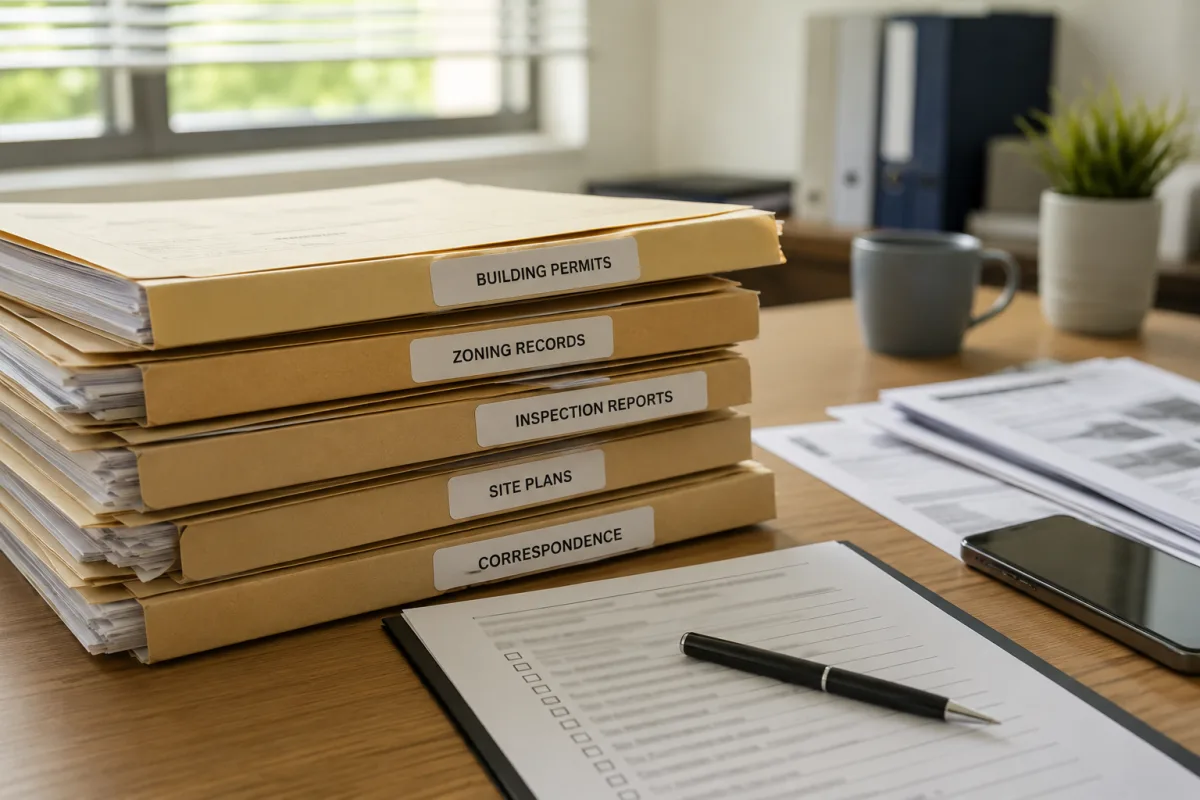
Save screenshots, office emails, case numbers, names of staff, inspection dates, photos taken from public areas, permit records, and title documents. If the answer changes later, your record shows what you were told and when.
If power of attorney or estate authority affects who can sign repair or sale documents, Livecub's power of attorney form guide and POA revocation guide may help with adjacent legal planning questions.
Frequently Asked Questions
Is a condemned house always demolished?
No. Some properties can be repaired and cleared; others may be ordered demolished if unsafe conditions remain.
Can I enter a condemned house?
Do not enter without legal permission and safety clearance. Trespass and injury risks can be serious.
Where do I find condemnation records?
Start with building, code enforcement, housing, fire, health, assessor, recorder, and court records.
Can a seller hide a condemned history?
Disclosure rules vary. Verify independently through public records, inspection, title work, and legal advice.
Does condemnation affect financing?
Often yes. Lenders and insurers may reject unsafe or illegally occupied properties until repairs are cleared.
The Verification Path
To find out if a house was condemned, search local building and code portals, request enforcement records, check court and permit history, review title and liens, inspect safely, and get written confirmation from the authority that issued or cleared the order.

Patrick Harwood
Edits sports, consumer-finance and general legal explainers. Regulated or time-sensitive topics link to primary sources and are not professional advice.


Leave a reply
Replying to