
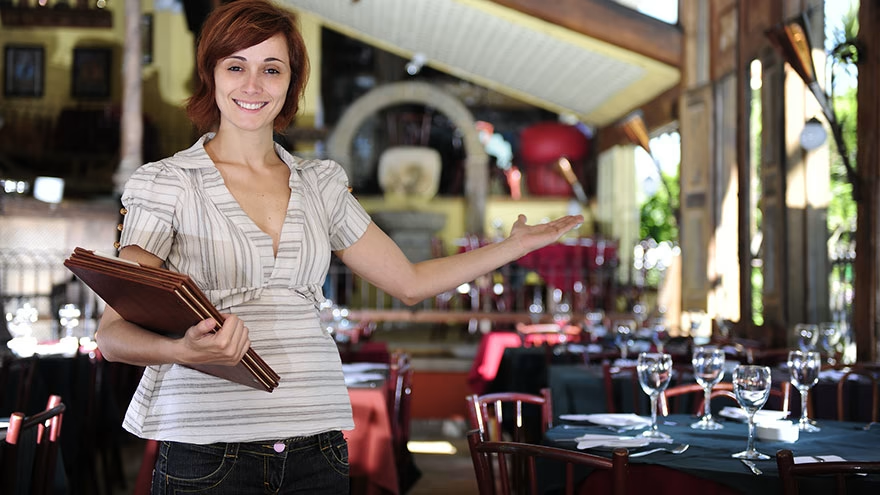
A busy wait can decide how guests feel about the whole restaurant before they taste a bite. The hostess cannot cook faster, add tables, or change the reservation book by magic. But the host stand can keep the room calm, give honest updates, seat fairly, and make guests feel seen. Learning how to handle a busy wait as a hostess is mostly about communication, pace, and control of the door.
A good host does not promise what the kitchen cannot deliver. A good host also does not hide behind the stand while guests grow restless. The skill is balancing warmth with clear information.
What Should You Do Before The Rush?
Start prepared. Check reservations, staffing, large parties, weather, patio status, menus, high chairs, accessibility needs, and which tables are close to turning. Confirm how managers want wait times quoted and when to stop taking names. A host who starts the rush already confused will spend the night apologizing.
Keep pens, paper backup, charged tablets, clean menus, and a clear floor plan ready. If customer service training is part of your job, Livecub's fun customer service training article can help turn waitlist pressure into practice, not panic.
Before service, ask the manager about any special limits: large-party cutoff, patio weather rule, bar seating rule, reservation grace period, and whether guests can leave and receive a text. Clear rules at 5 p.m. prevent arguments at 7 p.m.
How Do You Quote Wait Times Honestly?
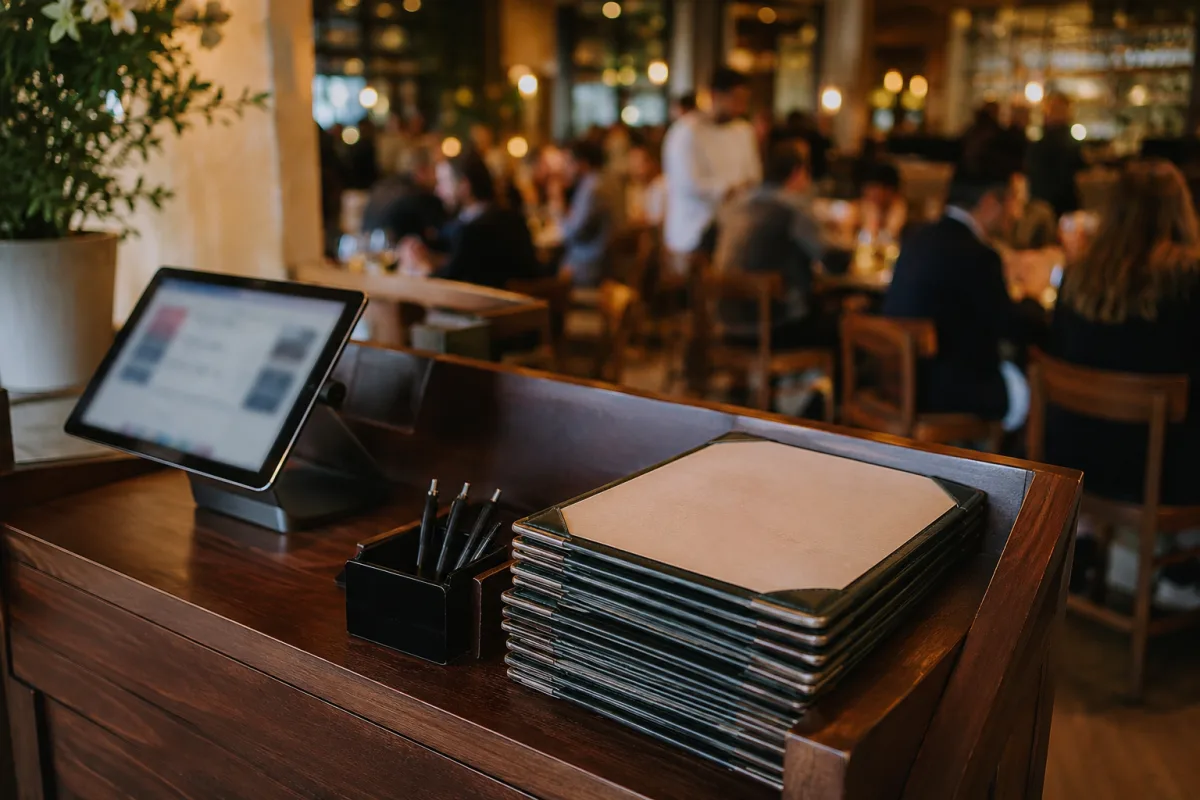
Give a range when exact timing is uncertain: "We're estimating 25 to 35 minutes for two." Do not promise 15 minutes because you want the guest to stay. Guests may forgive a long wait. They rarely forgive a false short wait that keeps stretching.
Toast's restaurant waitlist guidance emphasizes using waitlist tools and communication to manage guest flow. Even if your restaurant uses paper, the principle is the same: the waitlist should reflect reality. Update it as tables pay, linger, or reset.
When you quote a range, say what it depends on if the guest asks. "It depends on two tables that are finishing entrees" sounds more honest than pretending the number is exact. Guests may still leave, but they are leaving with truthful information.
How Do You Keep Guests Calm?
Acknowledge guests quickly, even if you cannot seat them. "I'll be right with you" is better than silence. Make eye contact. Keep your tone calm. If the lobby is crowded, give people a place to stand or a clear instruction about where they can wait.
Updates reduce anxiety. If the wait changes, tell guests before they ask. If a table is being cleaned, say that. If a large party is delayed because a table is lingering, explain without blaming the seated guests. Livecub's restaurant customer service complaints guide can help with language when frustration rises.
How Should You Manage The Waitlist?
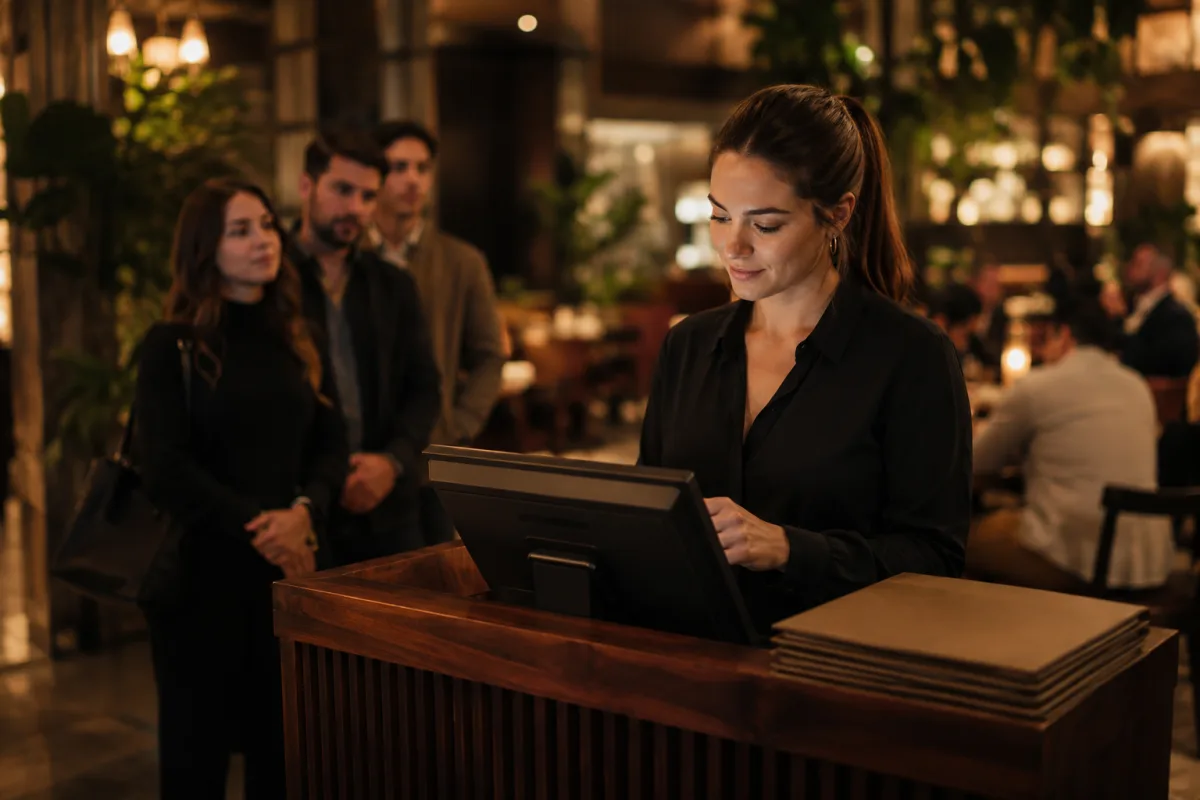
Write down party name, size, time quoted, seating preference, phone number if needed, high chairs, accessibility needs, and special notes. Repeat the party size back. Many seating problems begin with a wrong number at the stand.
Seat by fairness and fit. A party of two may be seated before a party of six if a two-top opens. Explain that clearly. Do not let loud guests jump the list unless a manager has made a service recovery decision. Fairness keeps the room from turning on the host stand.
Keep no-show rules clear. If a guest misses a text or leaves the building, follow the house policy and note what happened. Quiet consistency prevents accusations that the host is choosing favorites.
How Do You Work With Servers And Bussers?
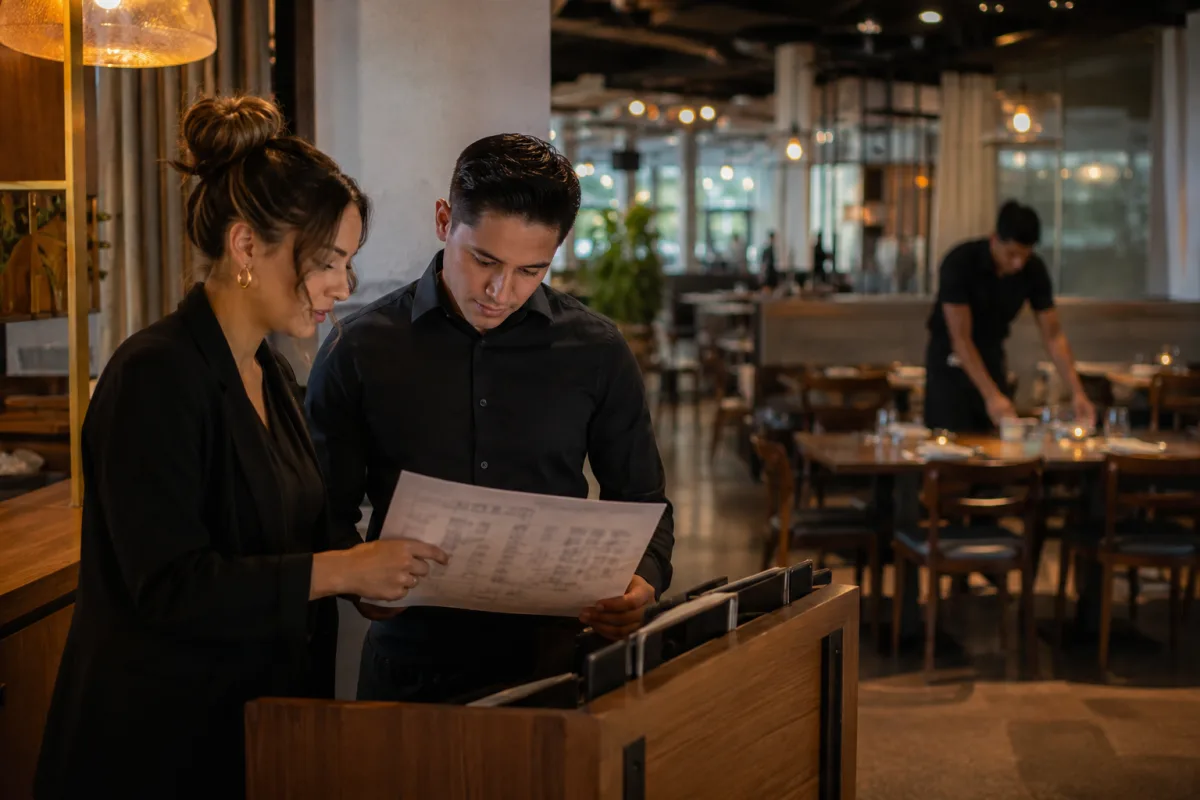
The host stand needs the floor team. Watch table stages: menus down, entrees cleared, check dropped, payment taken, table dirty, table reset. Communicate with bussers before a crowd stacks up. Seat in a way that does not overload one server while another section sits empty, unless rotation rules or reservations require it.
Use quick, calm updates. "Table 12 paid; can we reset for four?" is better than a vague "I need tables." If workplace tension gets sharp during rushes, Livecub's rude coworker guide can help separate urgency from disrespect.
What Do You Say To Angry Guests?
Start by acknowledging the frustration. "I understand the wait is longer than we quoted, and I'm sorry." Then give one real update and one option: stay on the list, sit at the bar if allowed, take a later time, or speak with a manager. Do not argue about whether the guest should be upset.
If a guest becomes abusive or threatening, get a manager. Courtesy does not require taking abuse. The host stand should have a clear escalation policy so a young or new hostess is not left alone to handle unsafe behavior.
Do not trade insults. A host stand is too visible for that, and it rarely helps. Use short phrases, repeat the option, and move the decision to a manager when needed. Calm does not mean weak.
How Do You Handle Reservations And Walk-Ins Together?
Reservations should be protected, but walk-ins should still receive honest information. If the next several tables are reserved, say so. If a walk-in can wait for a gap, offer the range. Do not seat a walk-in at a reserved table without checking timing.
OpenTable's waitlist management resources focus on guest flow and communication. Technology helps, but judgment still matters. A table is not truly available until it is cleaned, assigned, and matched to the right party size.
How Can You Stay Organized Under Pressure?
Use short notes, consistent abbreviations, and one active list. Do not keep mental side deals. If a manager approves an exception, write it down. If a guest leaves, remove them. If someone steps outside, note how you will reach them.
Protect your energy too. Long rushes require alertness. Drink water when you can, stand where you can see the door, and ask for help before the lobby becomes unmanageable. Livecub's stay awake at work guide is basic, but the point is real: tired hosts make more list mistakes.
After the rush, review what went wrong while it is still fresh. Was the quote too short? Did one server get double-seated? Did the lobby block the door? Small fixes before the next shift can improve the whole front-door experience.
How Do You Keep The Door Moving?
Separate greeting from problem-solving when the lobby is full. A quick greeting tells new guests they have been seen, while the next sentence can direct them to wait near the stand, check in, or step aside for a moment. Silence creates a crowd faster than a long wait does.
Use the same phrases consistently. "I have you checked in," "We are still estimating about twenty minutes," and "I will text you when the table is ready" are simple, but they reduce repeat questions. Guests do not need a new speech every time. They need confidence that someone is tracking them.
Watch the entrance path. If waiting guests block servers, bussers, or new arrivals, politely reset the space. A host who manages the physical doorway prevents confusion before it becomes irritation. The stand is not only a list; it is traffic control.
When the rush ends, thank the team that helped reset tables and answer questions. A little acknowledgment keeps the next rush easier to face together. It also reminds everyone that the door and dining room succeed together.
Frequently Asked Questions
Should a hostess overquote or underquote the wait?
Quote honestly with a range. Slightly conservative is better than promising a short wait you cannot control.
What if guests keep asking for updates?
Give calm, brief updates and explain what you are waiting on. Recheck when something changes.
Can a smaller party be seated first?
Yes, if the available table fits them and not the larger party. Explain that seating depends on table size.
Who handles abusive guests?
A manager should step in. Hosts should not be left alone with threatening or abusive behavior.
What is the biggest waitlist mistake?
Quoting times to make guests happy instead of quoting the real floor situation.
What Makes A Busy Wait Work?
A busy wait works when the host stand stays honest, organized, visible, and fair. You cannot control every table, but you can control the list, the tone, the updates, and the handoff. Guests may still wait, but they should not feel forgotten.
Cashie Evans
Covers parenting and practical household topics with clear steps, safety notes and links to current guidance.




Leave a reply
Replying to