

Workplace harassment is not the same as a rude comment, a hard manager, or a personality clash. It becomes a serious workplace issue when conduct is unwelcome, tied to protected characteristics or protected activity, severe or repeated, or creates an intimidating, hostile, or abusive work environment. If you are figuring out how to handle workplace harassment, start with safety, facts, reporting options, and evidence rather than waiting for the situation to become impossible.
What counts as workplace harassment?
Harassment can include offensive jokes, slurs, threats, intimidation, ridicule, insults, unwanted touching, sexual comments, repeated demeaning behavior, or interference with work. The legal details depend on facts, location, employer, and protected basis, so the first practical step is to record what happened accurately.
The EEOC explains that harassment is unlawful when enduring offensive conduct becomes a condition of employment or when conduct is severe or pervasive enough to create a hostile work environment. The EEOC harassment guidance is the key official starting point.
If the problem is rude behavior that does not rise to harassment, Livecub's rude co-worker guide may fit the situation better. Harassment needs a more formal risk lens.
What should you do first?
Check immediate safety. If there is violence, threats, stalking, sexual assault, weapons, or danger outside work, seek urgent help through emergency services, security, or a trusted authority. Do not treat a safety threat as a normal HR complaint.
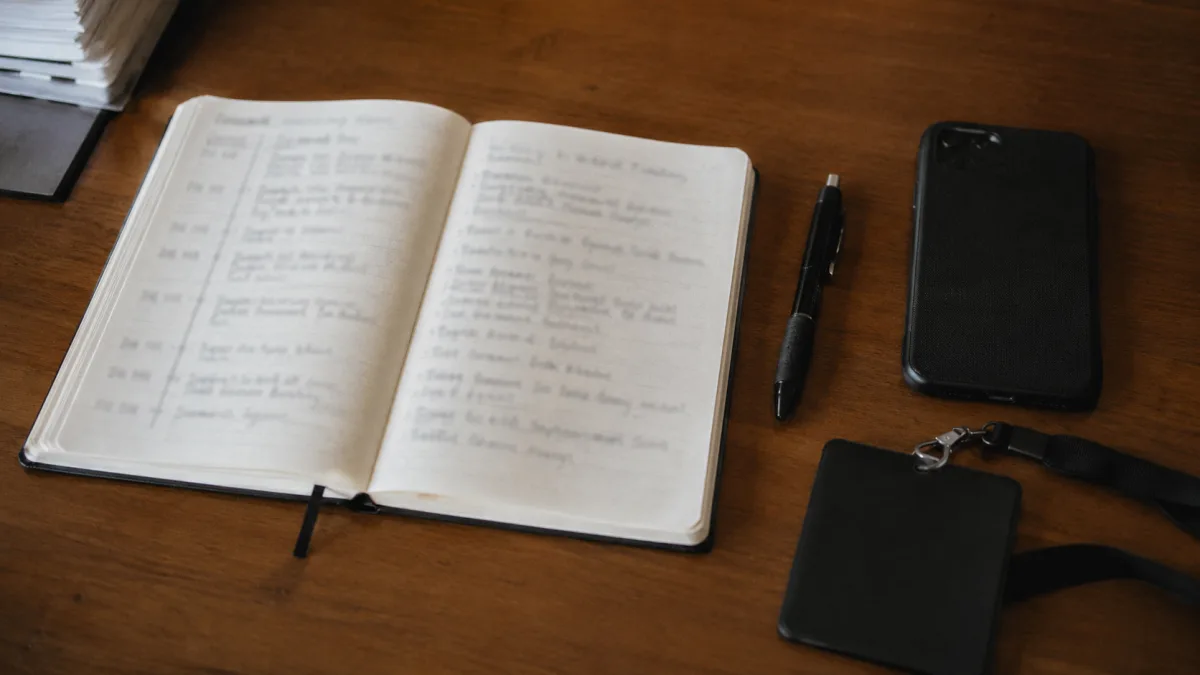
If immediate danger is not present, write down what happened as soon as possible. Include date, time, location, people present, exact words or actions, screenshots, emails, messages, and how it affected your work. Keep copies somewhere you can access if work systems are removed.
Facts travel better than labels. "He made a sexual comment during the 2 p.m. meeting in front of Dana and Luis" is stronger than "He is creepy."
Should you confront the harasser?
Only if it is safe and appropriate. Some policies encourage telling the person to stop, but you are not required to put yourself in danger or handle serious harassment alone. A clear written or spoken boundary can help in some cases, but reporting may be the better path.
If you do set a boundary, keep it short: "Do not comment on my body at work." Avoid long debates about intent. The issue is the conduct and the workplace impact.
If the person retaliates, escalates, or tries to isolate you, document that too. Retaliation is part of the story, not a side issue.
How should you report workplace harassment?
Review your employer's policy for reporting channels: supervisor, HR, ethics hotline, union representative, compliance office, or another designated contact. If your supervisor is involved, use an alternate channel if the policy allows it.
Bring a concise timeline, evidence, names of witnesses, and what outcome you are requesting. You may ask for the behavior to stop, schedule changes, no-contact measures, investigation, accommodation, or protection from retaliation, depending on the situation.
If customer or public contact is part of the problem, Livecub's restaurant customer service complaints guide shows a different workplace pressure point, but harassment should not be normalized as "part of the job."
If the harasser is your supervisor, skip any channel that requires you to report only to that person if the policy offers another path. If the policy is unclear, document why you chose HR, compliance, a hotline, or another manager. The record should show that you tried to use a reasonable route.
What evidence should you preserve?

Preserve emails, chat messages, texts, voicemails, photos, calendar entries, schedules, witness names, complaint copies, policy documents, and your own notes. Do not secretly record audio unless you understand the law where you are; recording rules vary.
Keep evidence organized by date. If you later speak with HR, a lawyer, union representative, or agency, a clear timeline will help more than scattered screenshots. Protect originals when possible, and make backup copies outside employer-controlled systems.
For work stress under pressure, Livecub's stress and anxiety during Army basic training guide is not a harassment resource, but it reflects a basic point: stress can cloud recall, so written notes matter.
Do not alter messages to make them cleaner. Save the full thread where possible, including dates, sender details, and context before and after the statement. Cropped evidence can be questioned later.
What if the harassment happens remotely?
Remote harassment can happen through chat, email, video calls, shared documents, direct messages, scheduling pressure, or after-hours contact. Treat digital conduct as real workplace conduct when it affects the job.
Save screenshots with timestamps, export message threads if allowed, and note meeting names or calendar invites. If a video call incident happens, write down who was present and what was said as soon as the call ends.
Remote does not mean invisible. Digital trails can be useful if you preserve them before access changes.
What if HR does not act?
If the employer does not act, delays without explanation, leaks your complaint, or allows retaliation, continue documenting and consider outside advice. Options may include an attorney, union, state civil rights agency, EEOC, or another regulator depending on your location and facts.
The EEOC explains how to file a charge of discrimination and notes that strict time limits apply. The EEOC charge filing page is the official place to check process, deadlines, and next steps.
Do not wait until the last day if you think a legal deadline may apply. Deadlines can be short, and internal complaints do not always pause external filing timelines.
What should witnesses do?
A witness should document what they saw, avoid gossip, support the affected person without taking control, and report through the right channel if policy requires it. A witness can matter because harassment often happens in fragments that one person cannot prove alone.
Do not confront the harasser in a way that increases risk for the target. Ask the affected person what support is safe, unless immediate danger requires urgent action.
How should you handle retaliation?

Retaliation can include demotion, schedule punishment, isolation, bad assignments, threats, sudden discipline, reduced hours, or hostility after a complaint or protected activity. Keep documenting changes after you report.
The Department of Labor describes retaliation as adverse action against workers for engaging in protected activity under covered laws. The DOL retaliation guidance is useful for understanding the broader concept, though the right agency depends on the claim.
If your workspace is being used to isolate or intimidate you, Livecub's office cubicle guide is obviously lighter, but physical workspace details can still matter in a harassment timeline.
How do you protect your health while the process continues?
Use support outside the reporting chain: a trusted friend, counselor, doctor, union representative, attorney, or employee assistance program if safe. Harassment can affect sleep, focus, appetite, and confidence. That does not make you weak; it means the workplace has become stressful.
Set practical boundaries where you can. Save documents, avoid unnecessary one-on-one contact, use written communication, and ask for interim measures if policy allows. Do not let embarrassment keep you from getting help.
You do not have to solve the whole system alone. Your task is to stay safe, preserve facts, and use the channels available to you.
What should you avoid doing?
Avoid deleting evidence, using employer systems for private legal research, making threats, posting details publicly before getting advice, or assuming HR conversations are confidential in the same way therapy is. HR may need to investigate.
Also avoid minimizing the pattern because each incident seems small. Repetition can matter. A timeline helps show whether the conduct is isolated, escalating, or tied to a protected report.
Frequently Asked Questions
Is workplace bullying the same as harassment?
Not always. Bullying may violate policy, but unlawful harassment usually involves protected characteristics or protected activity under applicable law.
Should I report harassment in writing?
Written reports create a record. If you report verbally, consider sending a follow-up summary that confirms what you reported.
Can I be punished for reporting harassment?
Retaliation may be unlawful in many situations. Document any negative changes after reporting and seek proper advice quickly.
Do I need a lawyer before talking to HR?
Not always, but legal advice can help if the situation is severe, involves retaliation, or deadlines may apply.
Handle harassment like a serious workplace risk: protect safety, document facts, report through the right channel, and watch the response closely over time without delay or quiet minimization later on.

Patrick Harwood
Edits sports, consumer-finance and general legal explainers. Regulated or time-sensitive topics link to primary sources and are not professional advice.




Leave a reply
Replying to