
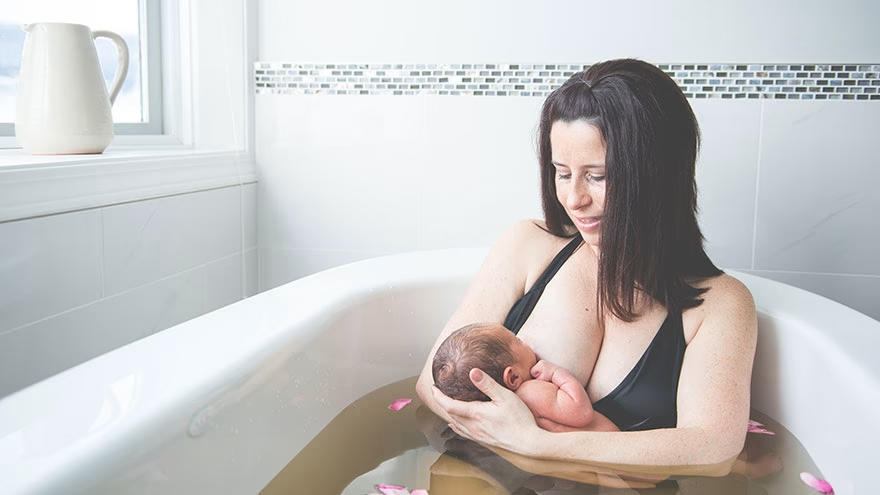
How to Make an Herb Bath for Postpartum Moms should begin with a safety note: postpartum skin, stitches, tears, hemorrhoids, bleeding, and C-section incisions all change what is safe.
Warm water alone can be soothing. Herbs should be optional, mild, and approved by a clinician, especially after birth complications, heavy bleeding, infection concerns, allergies, or surgery.
Ask Before Adding Herbs
A postpartum bath is not the moment to test strong botanicals, essential oils, bath bombs, or scented products. Ask your OB, midwife, or postpartum nurse what is safe for your birth situation.
ACOG's postpartum pain management FAQ lists warm sitz baths as one option for perineal discomfort, along with other pain care measures.
Choose A Sitz Bath Or Tub
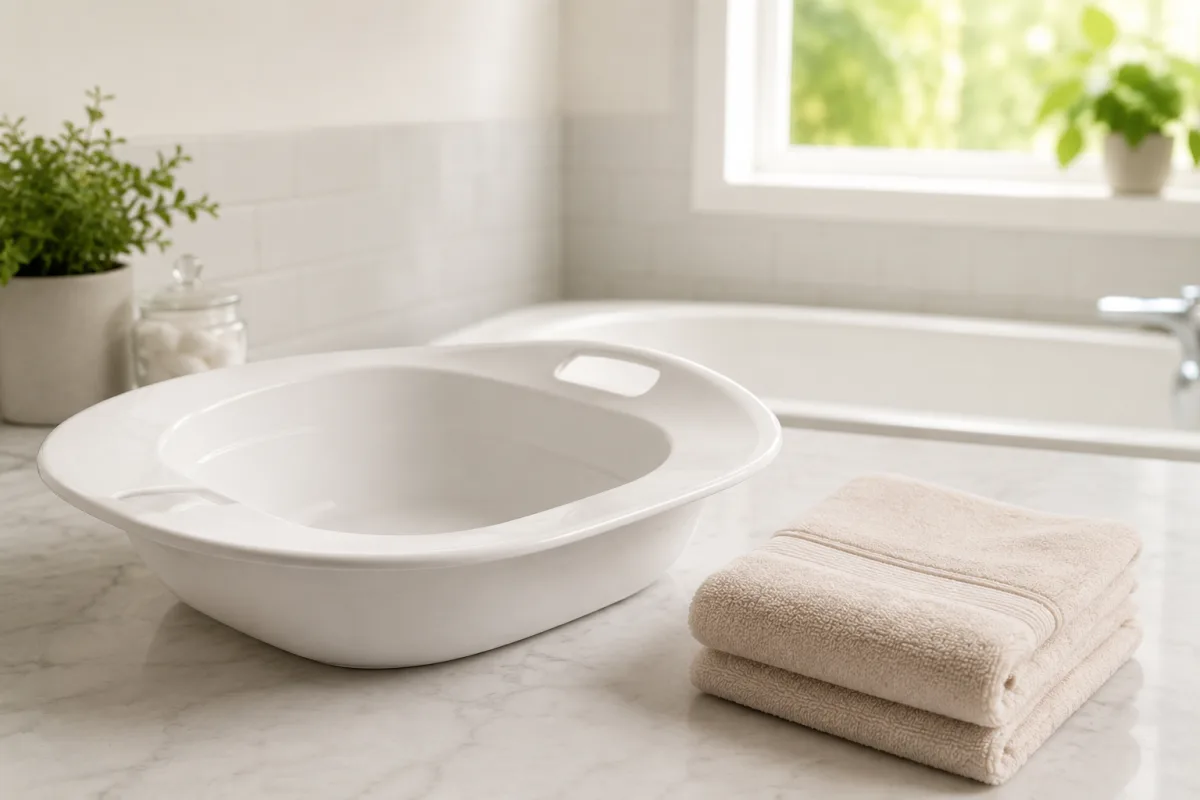
A sitz bath uses shallow warm water around the perineal area. It can be done in a clean bathtub with a few inches of water or a sitz basin that fits over the toilet.
Cleveland Clinic describes a sitz bath as a warm, shallow bath for the perineal area that may ease pain, burning, or itching. Its sitz bath guide explains the basic method.
Keep The Blend Simple
If your clinician says herbs are okay, keep the blend simple: calendula, chamomile, lavender flowers, or yarrow are common in traditional postpartum blends. Use dried whole herbs from a clean source.
Avoid essential oils unless your clinician specifically approves them. They are concentrated, can irritate skin, and may be risky around newborns, breastfeeding, allergies, and healing tissue.
Make A Strong Tea First
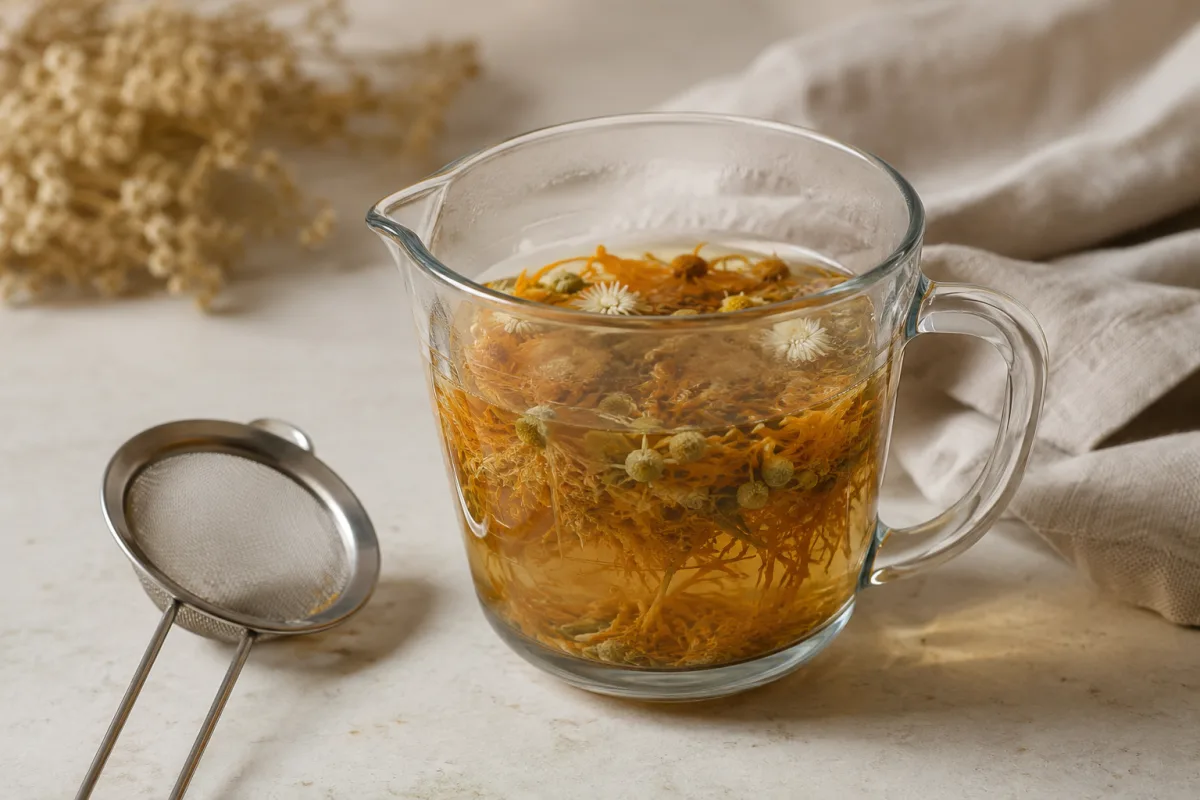
Do not scatter loose herbs into the tub. Steep the herbs in boiling water like tea, strain well, and add the cooled infusion to clean warm bath water.
A muslin bag or paper tea filter can help keep plant pieces out of stitches and drains. The bath should look clean, not like a swamp of loose leaves.
Use Safe Water Temperature
The water should feel warm, not hot. Postpartum dizziness, blood loss, fatigue, and medication can make hot baths a poor idea.
Sit down carefully and keep a phone, towel, and water nearby. If you feel faint, chilled, shaky, or unwell, get out and call for help.
Timing After Birth
After a vaginal birth, many people are told they can use a sitz bath early, but instructions vary by tear, stitches, bleeding, and hospital policy.
After a C-section, do not soak the incision until your clinician says tub bathing is safe. A shallow perineal sitz bath may still need approval if you are recovering from surgery.
How Long To Soak
A common range is 10 to 20 minutes, but follow your care instructions. Longer is not always better if the skin gets irritated or the water cools.
Pat dry with a clean towel. Do not rub stitches or irritated skin. Put on a clean pad and underwear after the bath.
What Not To Add
Skip bubble bath, perfumes, bath bombs, harsh soap, strong salts, alcohol-based products, and anything that stings. Postpartum tissue needs quiet care.
Cleveland Clinic's postpartum physical changes page advises warm sitz baths for discomfort and says not to add bubble bath or other products to prevent infection.
Watch For Warning Signs
Do not use an herb bath to cover up infection signs. March of Dimes lists postpartum warning signs such as fever, chills, extreme pain, bad-smelling discharge, confusion, fast breathing, and fast heart rate. See its postpartum warning signs guide.
Call your provider if pain worsens, bleeding increases, stitches look infected, urination burns badly, or you feel something is not right.
Support And Rest
A bath is easier when someone else fills, cleans, and watches the baby. Postpartum recovery is not a solo endurance test.
Livecub's emotional support during early labor guide is about birth, but the same practical support matters after birth: water, food, timing, and calm presence.
Mood And Body Image
A warm bath can give a tired parent a few private minutes, but it should not become pressure to bounce back or perform self-care perfectly.
If body changes feel hard, Livecub's feeling attractive during pregnancy article may help frame the body with more kindness. If low mood deepens, Livecub's pregnancy depression guide can point toward support.
Simple Recipe
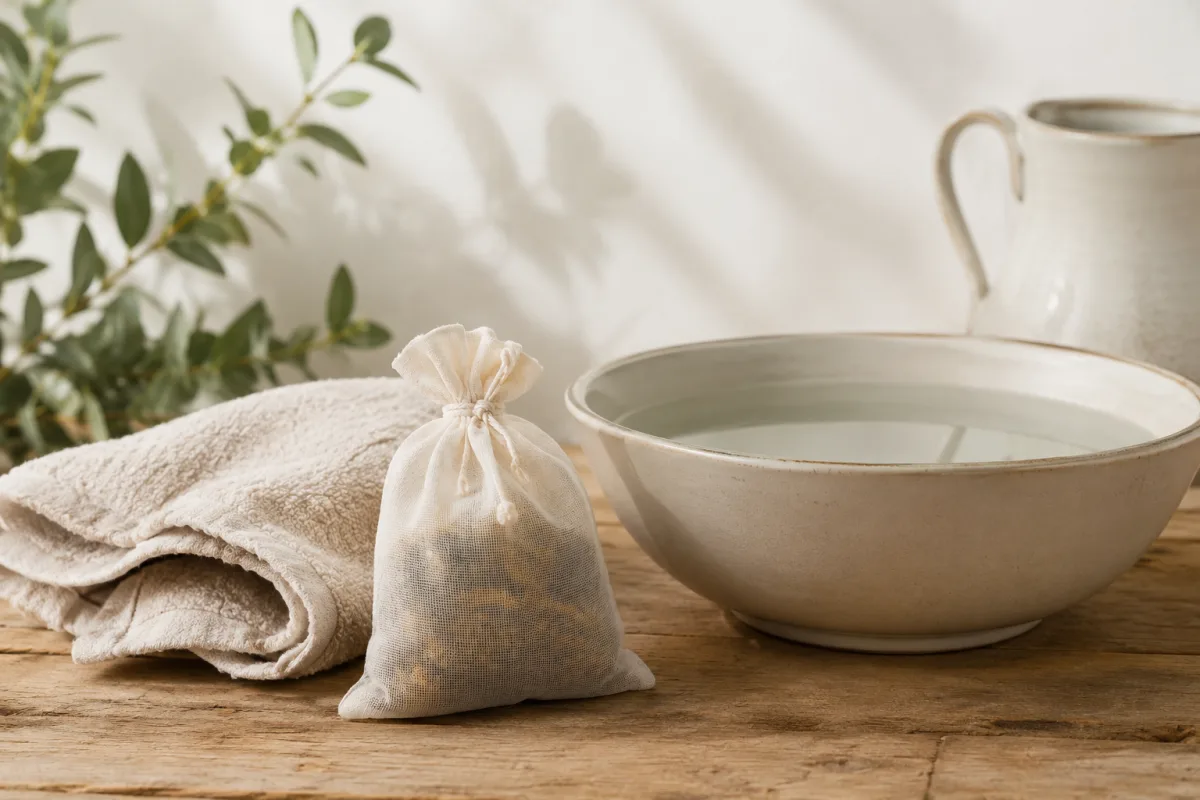
Steep one to two tablespoons total dried herbs in two cups of boiling water for 15 to 20 minutes. Strain carefully. Add the infusion to warm shallow bath water after your provider says it is okay.
Use less at first. If itching, burning, rash, headache, dizziness, or irritation starts, stop using the blend and return to plain water until you speak with a clinician.
Clean The Basin
Clean the tub or sitz basin before and after use. Postpartum bleeding and healing tissue make cleanliness more than a comfort detail.
Use a basin only for personal care and do not share it. Let it dry fully before storing.
Breastfeeding Considerations
If breastfeeding, ask before using strong herbs or essential oils around the chest, bathwater, or newborn. Scents and residue can cling to skin.
Wash hands and any skin the baby may touch after the bath if an herb infusion was used.
Make It Easy
Prepare dry herb bags before birth if your provider approves the plan. Label them with ingredients so helpers know what they are using.
A tired parent should not be measuring herbs while bleeding, sore, and holding a newborn. Simple systems are safer.
Allergy Check
Chamomile can bother people with ragweed-related allergies, and lavender can irritate sensitive skin. Even gentle herbs can be wrong for one body.
Test nothing directly on broken skin. If you have a history of skin reactions, plain warm water is the better first choice.
Bleeding And Lochia
Postpartum bleeding is normal, but heavy bleeding or large clots are not a bath problem. Do not sit in warm water while trying to decide whether bleeding is serious.
Call your provider if you soak pads quickly, pass large clots, feel faint, or notice a sudden change in bleeding.
Hemorrhoids
A sitz bath may help hemorrhoid discomfort after birth. Keep the water shallow and clean, then dry gently before applying any provider-approved pads or creams.
If pain is severe, bleeding from the rectum is heavy, or bowel movements become frightening, ask for medical guidance rather than only changing the bath recipe.
Helper Instructions
Write the recipe on a card for a partner, friend, or relative: how much herb, how long to steep, how to strain, and how warm the water should be.
Clear instructions prevent a helper from adding extra herbs, oils, or scented products with good intentions.
Peri Bottle First
A peri bottle may be easier than a bath in the first days. Warm water during urination and gentle rinsing can reduce stinging without soaking the whole body.
Use the tools your hospital gave you before adding herbs. Simple care often works best while swelling and bleeding are fresh.
Stop If Symptoms Change
If a bath that once felt soothing starts to burn, itch, or increase pain, stop. Healing tissue changes day to day, and yesterday's comfort can become today's irritant.
Return to plain water and ask your provider whether the change could be yeast, infection, stitches, hemorrhoids, or skin sensitivity.
Partner Boundaries
A helper should not pressure a postpartum parent into a bath for relaxation. Some people feel exposed, sore, or too tired for the ritual.
Offer setup and cleanup, then let the recovering parent decide whether the bath is useful that day.
Frequently Asked Questions
Can I use essential oils in a postpartum herb bath?
Avoid essential oils unless your clinician approves them. They are concentrated and may irritate healing tissue or affect a newborn's environment.
Is warm water enough without herbs?
Yes. Warm plain water can be soothing and is often the safest starting point.
Can I take an herb bath after a C-section?
Do not soak a C-section incision until your clinician says tub bathing is safe. Ask about any perineal sitz bath separately.
How often can I take a postpartum sitz bath?
Follow your discharge instructions. Many people use sitz baths one or more times daily, but frequency should match your healing and provider guidance.
What if the herb bath stings?
Stop immediately, rinse with plain water, and do not use that blend again. Call your provider if irritation, swelling, pain, or discharge continues.
A postpartum herb bath should be gentle, clean, and optional. Plain warm water, provider guidance, careful straining, and warning-sign awareness matter more than any herb list.

Chiara Bradshaw
Covers education, culture and creative topics with an emphasis on readable explanations and verifiable references.


Leave a reply
Replying to