
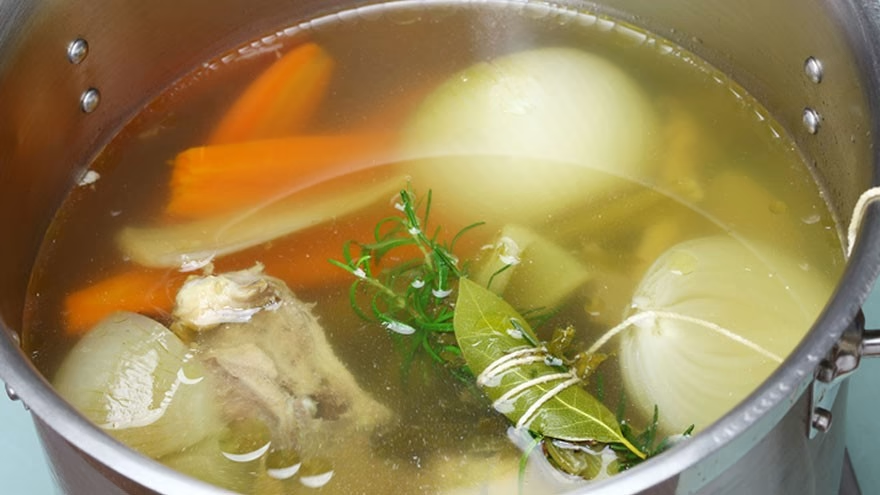
Making Your Own Stock Is Mostly About Control
Learning how to make your own stock gives you control over salt, body, flavor, and waste. A good stock can start with chicken bones, beef bones, fish bones, vegetable scraps, herbs, or a mix of clean trimmings. It does not need to be complicated, but it does need careful handling.
Illinois Extension's broths and soups from scraps guidance suggests saving vegetable peels, ends, stalks, stems, and tops in a freezer-safe bag until you have enough for broth. That habit turns routine prep into future flavor.
The best stock tastes like the food you cook most often. Make stock for your kitchen, not for a restaurant test.
What to Save for Stock
Good vegetable stock scraps include onion ends, carrot peels, celery leaves, parsley stems, mushroom stems, leek tops, tomato cores, corn cobs, and clean herb stems. Avoid anything dirty, spoiled, moldy, or bitter.
Chicken stock can use roasted chicken bones, wing tips, backs, necks, and leftover carcasses. Beef stock often benefits from roasted bones. Fish stock should use clean fish bones and heads from mild fish and should simmer for a much shorter time.
Some scraps do not belong in every stock. Broccoli stems, cabbage, Brussels sprouts, beet peels, and strong herbs can dominate the pot. Save them only when you want that flavor.
If you cook poultry often, Livecub's how to cook goose article is a useful reminder that carcasses and bones can become the base for later soups or sauces.
Vegetable Stock and Meat Stock Are Different
Vegetable stock is usually lighter, quicker, and more flexible. It can taste clean and sweet in rice, beans, lentils, vegetable soup, and pan sauces. Long simmering is not always better because delicate scraps can turn dull.
Meat stock gets body from bones, connective tissue, skin, and cartilage. It needs more time, and it often improves when bones are roasted first. Chicken stock can stay pale and gentle, while beef stock usually benefits from deeper browning.
Do not mix every scrap into one bag if you cook many styles of food. Keep a neutral vegetable bag, a mushroom-heavy bag, and a poultry bone bag if your freezer space allows. Separate scraps give cleaner choices.
Build the Pot
Put bones, scraps, and aromatics in a large pot. Add enough cold water to cover by an inch or two. Cold water helps draw flavor out gradually, while too much water can make a thin stock.
Add onion, carrot, celery, bay leaf, parsley stems, peppercorns, and thyme if they suit the final use. Hold back salt. Stock reduces as it cooks, and salted stock can become too salty later.
For a deeper meat stock, roast bones and onions first until browned. That step changes the flavor from light and clean to darker and richer. It is optional, but useful for sauces, stews, and braises.
For vegetable stock, keep the simmer shorter and gentler. Long cooking can turn delicate vegetable flavor dull.
Salt, Acid, and Aromatics
Leave most salt out of the pot. Stock is often reduced later, and reduction concentrates salt. A low-salt stock is easier to use in soup, gravy, rice, and sauces.
Acid is optional. A small splash of vinegar in a meat stock can be used, but it should not make the finished stock taste sharp. For vegetable stock, lemon and vinegar are usually better added later in the final dish.
Aromatics should support the stock, not take over. One bay leaf, a few peppercorns, parsley stems, and thyme are enough for many pots. Keep the base flexible if you do not know the final recipe yet.
Simmer, Do Not Boil Hard
Bring the pot just to a simmer, then lower the heat. A hard boil can make stock cloudy and can break scraps into tiny pieces that are harder to strain.
Skim foam from meat stocks during the early simmer if you want a cleaner look. Do not obsess over every bubble. A home stock can be slightly cloudy and still taste good.
The National Center for Home Food Preservation's meat stock instructions include simmering carcass bones until remaining meat easily falls off. That is a useful doneness cue for poultry stock.
Gentle heat gives cleaner flavor. The pot should move, not churn.
Strain and Cool Safely
Strain the stock through a colander first, then through a fine mesh strainer if you want a clearer liquid. Do not press every scrap hard unless you do not mind a cloudier stock.
Cool stock quickly. Set the pot in an ice bath, stir, then move the liquid into shallow containers. Large deep containers stay warm too long in the center.
After chilling, fat may harden on top of meat stock. Lift it off if you want a cleaner stock, or save some for cooking. Label containers with the date and type.
For vegetable prep that leads to frozen scraps, Livecub's fresh vegetable freezing guide connects well with the same freezer habit.
Freeze, Refrigerate, or Can
Refrigerated stock should be used quickly. For longer storage, freeze it in containers, freezer bags, muffin tins, or ice cube trays. Small portions are useful for pan sauces and quick soups.
Michigan State University Extension's preserving broth guidance says meat-based broth is low acid and must be pressure canned for shelf-stable storage. A boiling-water bath is not the right method for meat stock.
If you do not pressure can, freeze the stock instead. Leave headspace because liquid expands as it freezes. Thaw in the refrigerator or reheat from frozen in a pot.
Do not guess with canning stock. Use tested pressure-canning instructions or keep it frozen.
How to Use Homemade Stock
Use stock in soups, stews, risotto, rice, beans, sauces, gravies, braises, dumplings, mashed potatoes, and pan deglazing. A small amount can make weeknight cooking taste more finished.
Vegetable stock is flexible in rice, grains, bean soup, and sauces. Chicken stock works almost anywhere. Beef stock is stronger, so save it for dishes that can carry a deeper flavor.
If your stock tastes weak, reduce it by simmering uncovered. If it tastes muddy, use it in a dish with stronger seasoning. Livecub's stir-fry sauce guide is a good example of how salt, acid, and aromatics can sharpen a flat base.
For greens, beans, and vegetable soups, Livecub's guide to cooking greens pairs naturally with a clean homemade stock.
Portion Stock for Real Cooking
Large containers look efficient, but they are not always useful. Freeze some stock in one-cup portions for rice and sauces, some in two-cup portions for soups, and a few ice cube portions for quick pan deglazing.
Flat freezer bags thaw faster than deep tubs. Lay bags on a sheet pan until frozen, then store them upright like files. Use rigid containers if you want a cleaner, stackable freezer.
Label the strength too. A reduced stock behaves differently from a light stock. Mark it as chicken, beef, vegetable, mushroom, reduced, unsalted, or lightly salted so future cooking is easier.
If you forget to thaw stock, run warm water over the outside of the container, then slide the frozen block into a pot and warm it slowly over low heat without rushing it.
Common Stock Mistakes
Using spoiled scraps is the biggest mistake. Stock is not a way to rescue food that should be thrown out. Use clean trimmings from food you would still eat.
Adding too much salt early is another common problem. Unsalted or lightly salted stock is more useful because it can reduce without becoming harsh.
Cooking vegetable stock for hours can make it dull. Cooking meat stock too violently can make it cloudy and greasy. Match the method to the ingredients.
A good stock is quiet kitchen work: save clean scraps, simmer gently, strain well, cool fast, and store in portions you will actually use.
Frequently Asked Questions
Can I make stock from vegetable scraps?
Yes. Save clean onion, carrot, celery, herb, mushroom, leek, and similar scraps in the freezer until you have enough.
Should I salt homemade stock?
Keep it unsalted or lightly salted. You can add salt later when using it in a recipe.
How long should stock simmer?
Vegetable stock can be shorter, often under an hour. Poultry and meat stocks usually need longer, depending on bones and flavor goals.
Can homemade stock be water-bath canned?
No. Meat-based stock is low acid and needs tested pressure-canning instructions, or it should be frozen.

Chiara Bradshaw
Covers education, culture and creative topics with an emphasis on readable explanations and verifiable references.




Leave a reply
Replying to