
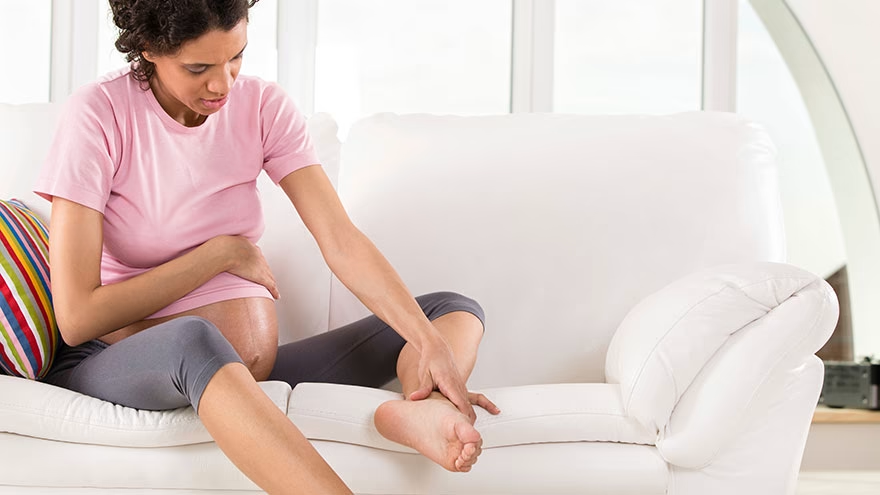
How to Prevent Leg Cramps During Pregnancy usually comes down to calf stretching, hydration, safe movement, footwear, sleep position, and knowing when a cramp may be something more serious.
Night cramps are common, especially later in pregnancy, but sudden one-sided swelling, warmth, redness, or pain that does not behave like a normal cramp should be checked quickly.
Why Leg Cramps Happen
Pregnancy leg cramps are often blamed on circulation changes, muscle fatigue, nerve pressure, fluids, and mineral needs. The exact cause is not always clear.
Cochrane notes that leg cramps are common in pregnancy and can disrupt sleep and daily life in its review of interventions for pregnancy leg cramps.
Calf Stretch
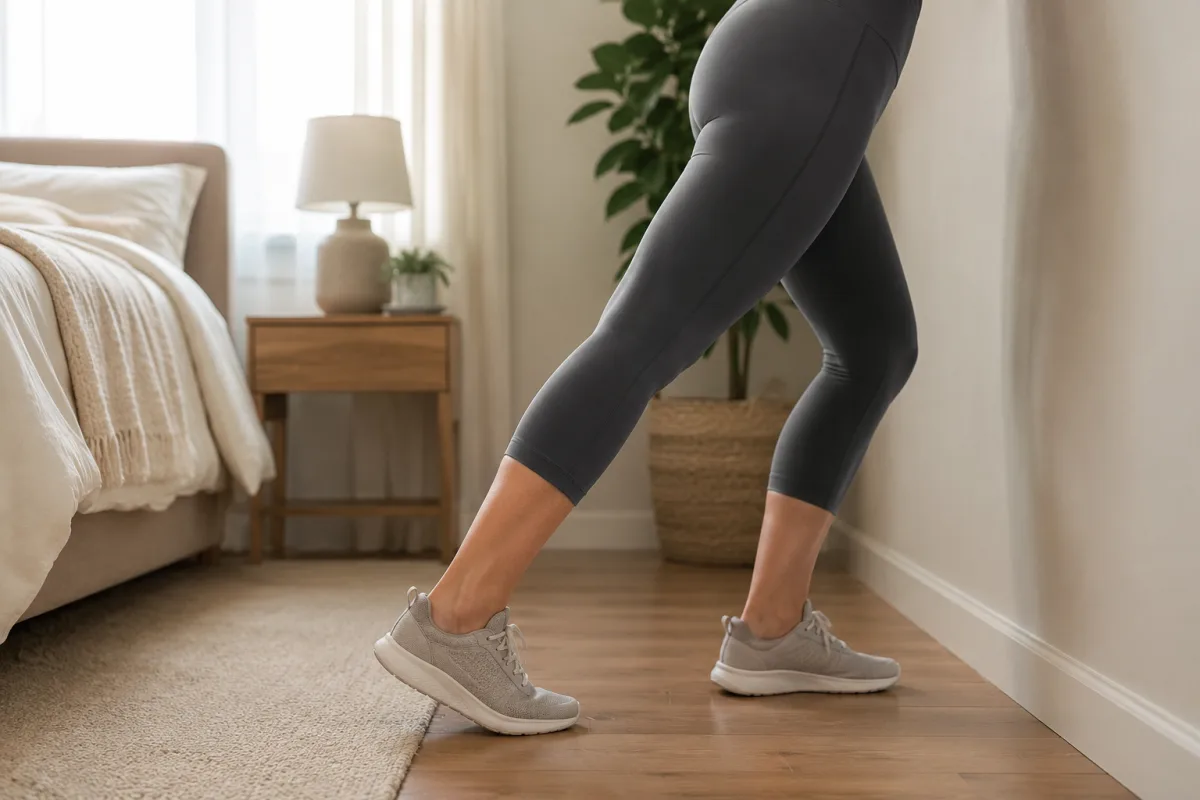
Mayo Clinic suggests stretching calf muscles before bed to help prevent pregnancy leg cramps. Its leg cramp prevention answer describes a wall stretch with the back knee straight and heel down.
Do the stretch gently. Bouncing, forcing the ankle, or stretching through sharp pain can irritate the muscle instead of calming it.
During A Cramp
Straighten the leg if you can, flex the foot toward the shin, and breathe slowly. Some people get relief from standing carefully, walking, or massaging the calf.
If you are half asleep, sit up before standing. A sudden cramp plus pregnancy balance changes can lead to a fall.
Hydration

Dehydration may make cramps worse for some people. Aim for steady fluids through the day rather than trying to catch up right before bed.
Urine that is pale yellow is often a useful sign, though vitamins can change color. If vomiting, diarrhea, fever, or heat limits fluids, call your clinician.
Stay Active
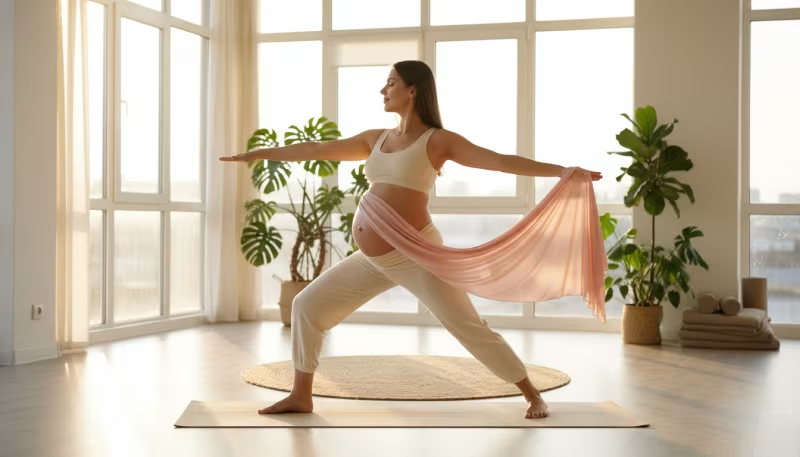
Regular pregnancy-safe movement can help circulation and muscle comfort. Walking, prenatal yoga, swimming, or gentle cycling may be options if your clinician approves.
Do not start a hard new exercise plan just to fix cramps. The best activity is one you can repeat without pain, dizziness, bleeding, or contractions.
Footwear
Supportive shoes may reduce calf strain, especially if you stand at work or your arches feel different during pregnancy. Avoid slippery soles and unstable heels.
If foot pain, swelling, or back pain changes your walk, cramps may follow. Small footwear changes can sometimes help more than another supplement.
Sleep Position
Cramps often strike at night. Try stretching before bed, keeping blankets loose around the feet, and using pillows so your legs are not held in a pointed-toe position.
If side sleeping causes hip discomfort, adjust pillow support. Livecub's feeling attractive during pregnancy guide may help with body frustration, but physical comfort still deserves practical fixes.
Magnesium And Calcium
Some people ask about magnesium or calcium. Evidence is mixed, and supplements can cause side effects or interact with other medicines.
American Pregnancy Association discusses hydration, stretching, massage, support socks, and mineral-rich foods in its leg cramps overview. Ask your clinician before adding supplements.
Food Support
Food choices cannot guarantee cramp prevention, but steady meals with calcium, magnesium, potassium, protein, and fluids may help the body avoid extremes.
If nausea limits food, Livecub's bland pregnancy diet guide can help you keep simple foods going while you ask about prenatal vitamins or labs.
Massage
Gentle calf massage after a cramp may feel good, but avoid deep pressure on a painful, swollen, red, or warm calf. Those signs need medical advice first.
For general comfort touch, Livecub's massage guide can help a partner be useful, but leg pain with clot warning signs is not a massage problem.
Compression Socks
Some pregnant people like support socks, especially with standing or travel. Ask your clinician what compression level is appropriate if you have swelling, varicose veins, or circulation concerns.
Put socks on before swelling builds during the day. Remove them if they cause pain, numbness, skin marks that worry you, or shortness of breath.
When To Call
Call urgently for one-sided calf swelling, redness, warmth, tenderness, chest pain, shortness of breath, coughing blood, fainting, or a leg that looks clearly different from the other.
Also call if cramps are severe, frequent, linked with weakness, or keep you from sleeping night after night. Pregnancy discomfort should still be manageable.
Labor And Late Pregnancy
Late pregnancy makes every new pain feel suspicious. Leg cramps are different from contractions, but dehydration and stress can make the whole body feel unsettled.
If symptoms overlap with labor worries, Livecub's early labor emotional support guide can help the support person stay calm while you call for advice.
Workday Prevention
If you stand for long periods, change position often, stretch calves during breaks, and ask about supportive footwear or mats. Long stillness can make cramps more likely.
If your job limits breaks or water, ask your clinician whether a work note is appropriate. Small schedule changes can reduce nighttime misery.
Travel Prevention
For long car rides or flights, ask your clinician about movement, hydration, compression socks, and clot risk. Do not sit for hours without a plan.
Stop to walk when possible. If leg pain after travel is one-sided, swollen, warm, or paired with breathing symptoms, seek care.
Morning Reset
After a night cramp, the calf may feel sore the next morning. Gentle walking, light stretching, and supportive shoes can help you avoid guarding the leg all day.
If soreness is one-sided and paired with swelling, warmth, or redness, treat it differently and call.
Blanket Position
Heavy blankets can push toes downward while you sleep, keeping the calf shortened. Try loosening the blanket at the foot of the bed.
A small pillow or different sleep position may help keep ankles more neutral. Comfort experiments are allowed.
Baths And Heat
Warmth can relax an ordinary tight muscle, but avoid overheating during pregnancy. A warm shower or short warm compress is safer than a hot soak.
If heat makes you dizzy or flushed, stop. Cramp prevention should not create a heat problem.
Electrolyte Drinks
Electrolyte drinks are not automatically needed. Some contain a lot of sugar, caffeine, herbs, or sodium that may not fit your pregnancy needs.
Ask your clinician if vomiting, sweating, or medical issues make electrolytes relevant. Water and food are enough for many people.
Prenatal Appointment Notes
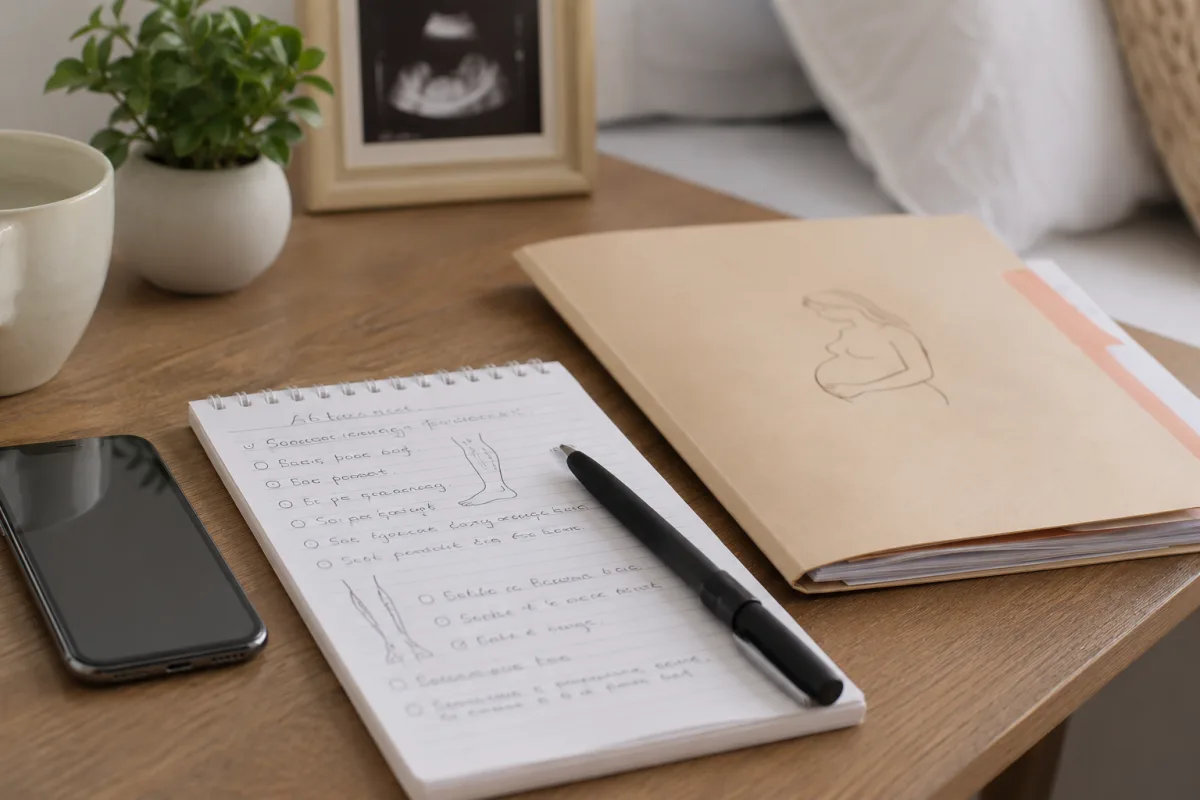
Bring cramp details to prenatal visits: time of day, side, swelling, activity, fluids, supplements, and what helped.
Patterns help the clinician decide whether this sounds like ordinary cramping, a nutrition issue, vein pressure, or something that needs testing.
Partner Help
A partner can refill water, remind you to stretch, adjust blankets, and help you stand safely during a night cramp.
They should also know the warning signs that mean no massage and no waiting: one-sided swelling, warmth, redness, chest pain, or shortness of breath.
Night Routine
A simple night routine can help: drink earlier in the evening, stretch calves, loosen blankets, and keep a clear path to the bathroom.
Keep slippers nearby if you need to stand during a cramp. Preventing a fall matters too.
Side Differences
Ordinary cramps can happen in either leg. A pattern that is always one-sided, more swollen, or tender to touch deserves more attention.
Compare both calves if you are worried. Visible difference is a reason to call, not a reason to massage harder.
Do Not Overstretch
Stretching should feel like a pull, not a sharp pain. Pregnancy hormones can make joints feel looser, but muscles can still be strained.
Hold steady, breathe, and stop if pain increases. Gentle repetition beats one aggressive stretch.
Ask About Labs
If cramps are frequent, ask whether anemia, electrolytes, thyroid issues, medication effects, or hydration should be reviewed.
The answer may be simple reassurance, but asking keeps you from guessing with supplements you may not need.
Frequently Asked Questions
What helps prevent leg cramps during pregnancy?
Calf stretching before bed, steady fluids, pregnancy-safe movement, supportive shoes, and avoiding pointed-toe sleep positions may help.
What should I do during a leg cramp?
Flex the foot toward the shin, gently straighten the leg, breathe, and stand or walk carefully if that helps.
Should I take magnesium for pregnancy leg cramps?
Ask your clinician first. Evidence is mixed, and supplements can cause side effects or interact with other medicines.
When is leg pain not just a cramp?
One-sided swelling, redness, warmth, tenderness, chest pain, or shortness of breath needs urgent medical advice.
Can massage help leg cramps?
Gentle massage may help ordinary cramps, but do not massage a calf that is swollen, red, warm, or unusually painful.
Leg cramps during pregnancy are common, but they are not something you have to ignore. Stretch gently, hydrate steadily, move safely, and call fast for clot warning signs.

Chiara Bradshaw
Covers education, culture and creative topics with an emphasis on readable explanations and verifiable references.


Leave a reply
Replying to