
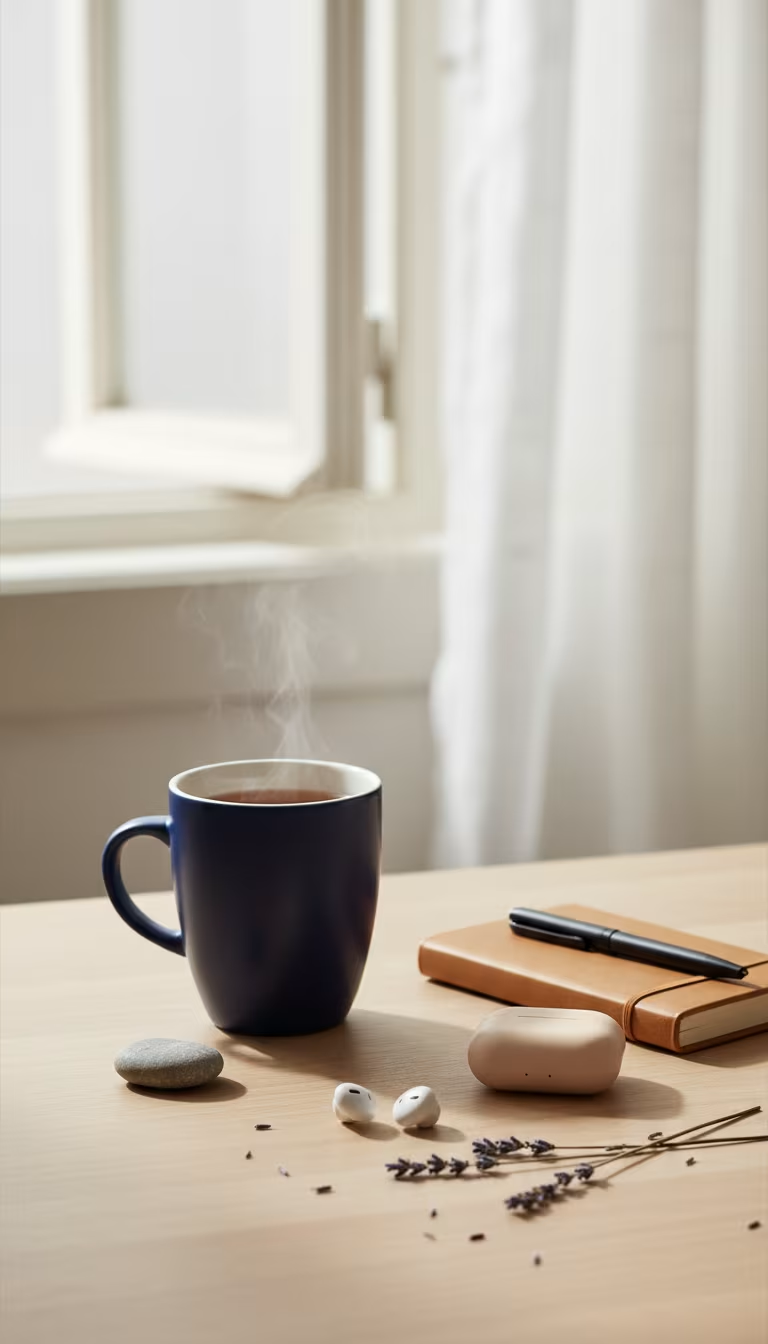
A five-minute pocket of absorbed attention will not cure depression, and any promise that it will is worth ignoring. What it can do is smaller and more honest: interrupt a flat, scattered, or agitated stretch of the day and hand you a slightly steadier next hour. That modest claim is exactly why the practice is worth keeping.
A micro-flow state is a short spell of focused, active engagement — chopping vegetables, sketching, clearing one drawer, practicing a single guitar phrase, walking a familiar route, or writing a few lines. The task is small, the feedback is immediate, and the difficulty is just high enough to hold attention without tipping into stress.
What Micro-Flow Means
Flow research describes a state of full task absorption in which self-focused thinking quietly drops away and the activity seems to carry itself. The concept, first developed by psychologist Mihaly Csikszentmihalyi, has been studied for decades as one of the more reliable ingredients of everyday well-being (Flow in psychology).
The micro version keeps the same shape but shortens the clock. You do not need three empty hours or a special mood. You need one clear task, a visible finish line, and just enough challenge to stop the mind wandering every few seconds. Most people already have a dozen candidates within arm's reach.
Part of why it helps is that absorbed attention crowds out rumination. When the mind is fully occupied with a concrete task, it has less room to run the anxious loops that keep a low day low. You are not arguing yourself out of the mood; you are giving attention somewhere better to go, and the loosened grip on the thought loop is often the real relief.
Pick Tasks With Fast Feedback
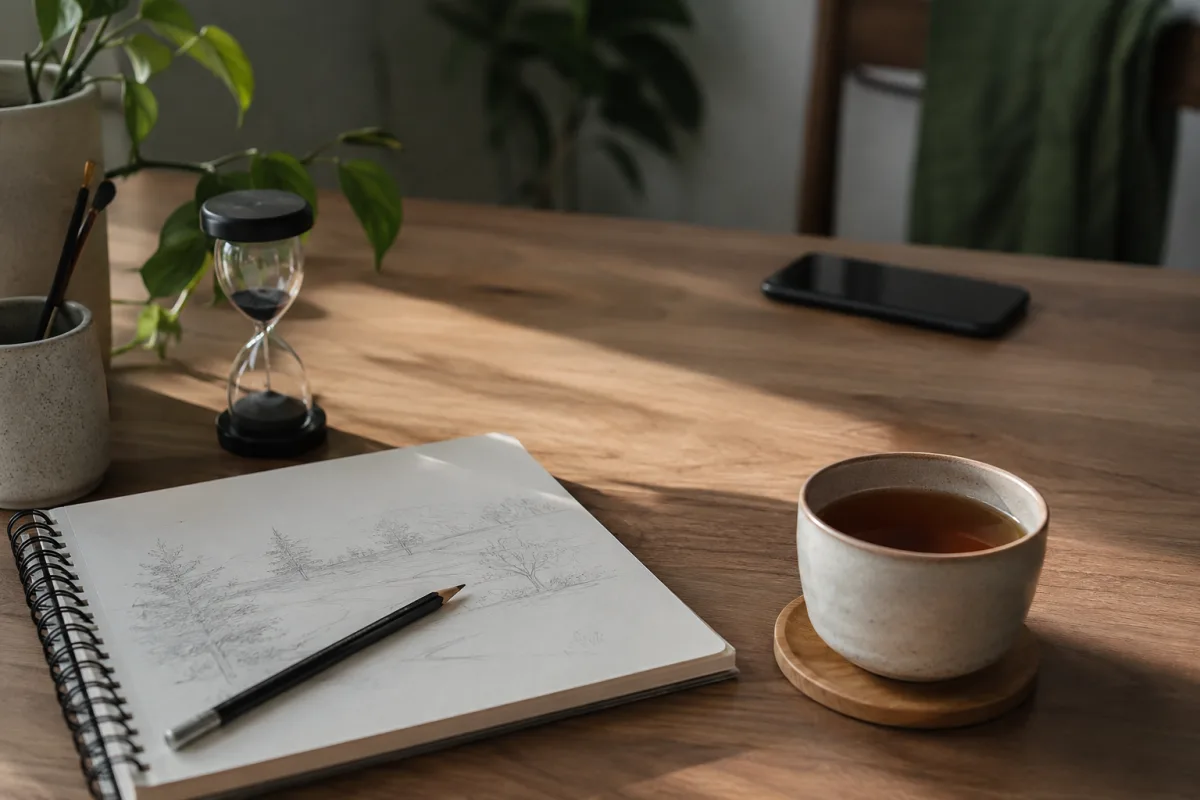
Good micro-flow tasks show progress quickly. Folding ten shirts, watering the plants, practicing a riff, wiping down the sink, sorting a pile of receipts, moving through a short stretch routine, or assembling a simple lunch all give the brain something to register as done.
A mood log helps you find your best tasks over time. Use a journal-style tracker for energy and mood rather than food: note the task, the time, your mood before, your mood after, and whether it actually pulled you in. After a week the pattern usually names itself.
Use the Challenge-Skill Match
Too easy slides into boredom. Too hard tips into frustration. Micro-flow lives in the narrow band between the two. If a task feels dull, add a timer or a tiny target. If it feels overwhelming, shrink it until the first move is obvious and almost automatic.
This is why nobody should start with repainting a whole room after a rough morning. Start with taping one edge, rinsing one brush, or just choosing the color card. Momentum matters far more than scale — the point is to begin something with a shape you can finish, not to prove ambition.
Low mood in particular makes thinking feel heavy, and a body-based task is often easier than trying to think your way into feeling better. Sweeping the porch, walking around the block, stretching your hips, or washing the dishes gives restless or sluggish energy somewhere concrete to go. The movement does part of the work that willpower cannot, which is why physical tasks so often outperform “just cheer up” on the hardest days.
Make the Phone Harder to Reach
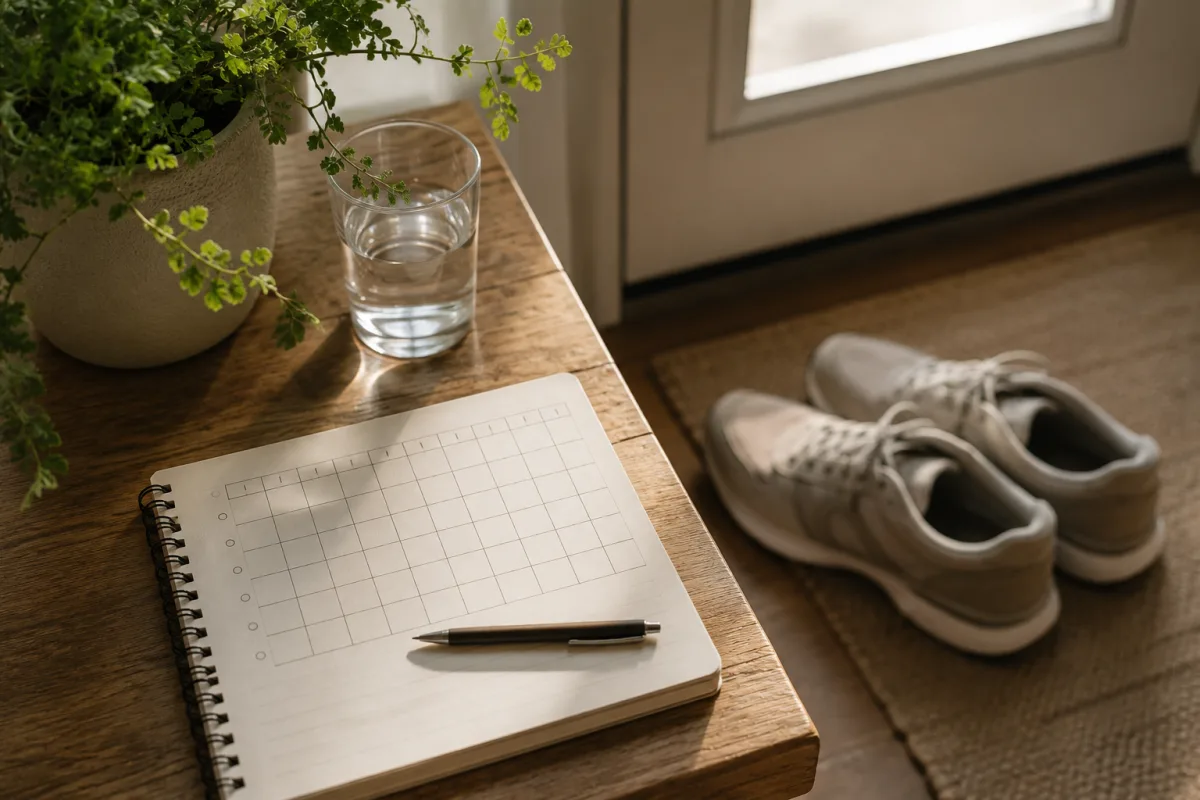
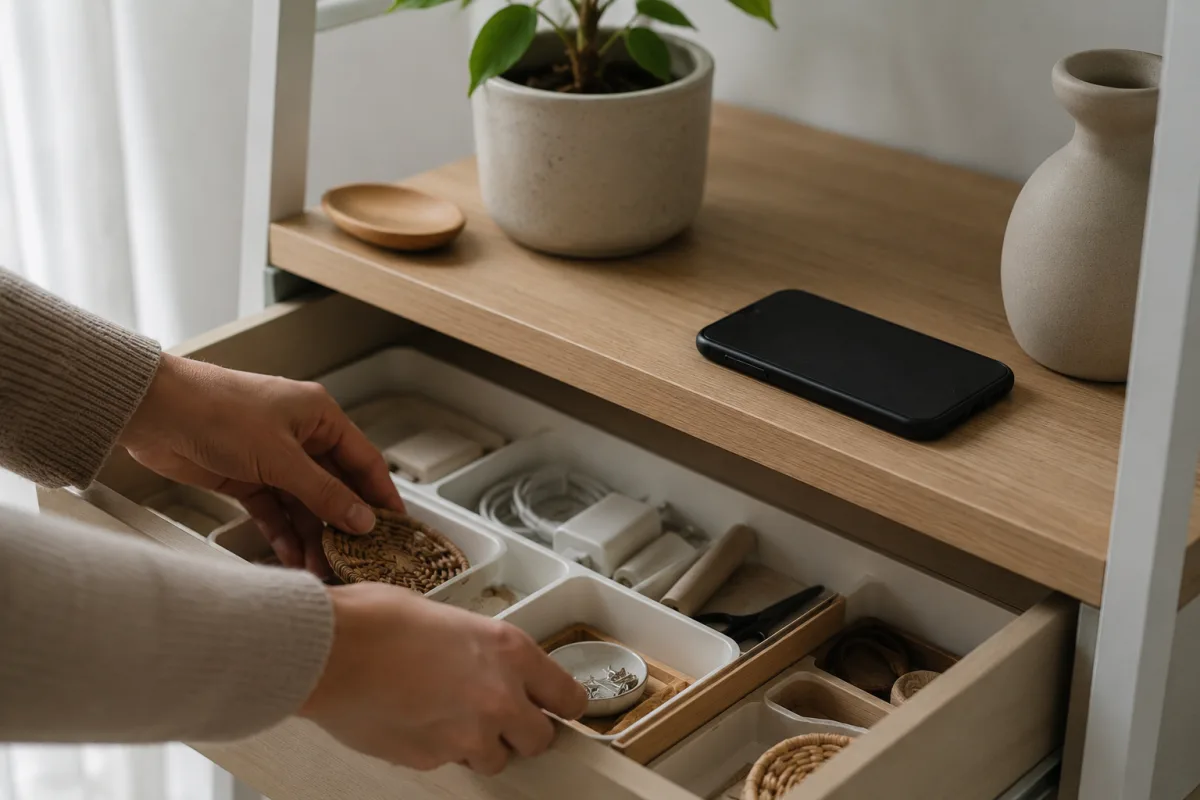
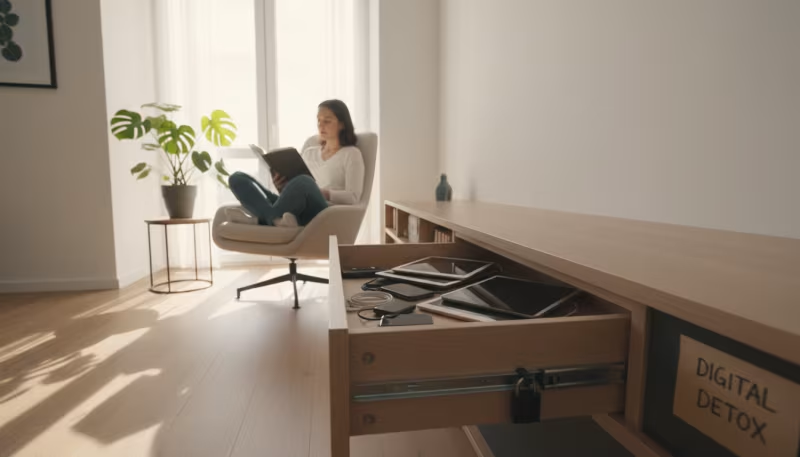
Flow follows attention, and attention leaks fast. Put the phone across the room, set a short timer, or leave it face down while the task runs. Ten minutes of genuine absorption beats an hour of half-attention split with a screen, and for many people that is all a single window needs to be.
Standard stress guidance points in the same direction, recommending time to unwind, journaling, time outdoors, and relaxing activities you actually enjoy. Micro-flow fits neatly inside that advice as long as it stays active and realistic rather than becoming one more thing to optimize and grade.
Don't Turn It Into Productivity Theater
Micro-flow is not a trick for squeezing labor out of every spare minute. The task should steady the mind, not become another demand with a scoreboard attached. Reading one poem, shaping dough, drawing a deliberately bad sketch, or pulling a few weeds all count fully.
Do not grade the session either. If you chopped carrots for six minutes and felt one notch calmer, that is a success. If you tried a drawing task and felt annoyed, that is information, not failure. Rest is allowed, boredom is allowed, and some days need sleep, food, or a real conversation more than they need another task.
Micro-Flow Menus for Different Days
Different moods need different entry points, and having a menu ready beats inventing a strategy while already flat or wired.
A low-energy day needs tasks with almost no setup: rinse a cup, stretch for three minutes, step outside, water one plant, or make the bed. The task should be so small that starting feels easier than avoiding it. A restless day needs the body: sweep, walk, fold laundry, cook something that involves chopping, or clean one small surface, giving anxious energy somewhere to go.
A foggy day needs clear edges — sort ten emails, sharpen the pencils, prep a snack, choose tomorrow's clothes, or write three bullet points, because fog often lifts once the task defines what “done” looks like. A sad day needs warmth and contact with ordinary life: put on socks, make tea, sit in sunlight, brush a pet, or play one familiar song. The aim is not forced cheer but a small return to the room you are actually in. Keep the menu visible; a sticky note with five tiny tasks is worth more than willpower.
A One-Week Trial
For one week, choose two micro-flow windows per day, each roughly five to fifteen minutes, pairing one practical task with one enjoyable one. Rate your mood before and after on a plain one-to-five scale, and look for small shifts rather than dramatic change: less agitation, more clarity, an easier next action, fewer minutes lost to scrolling.
Vary one thing each day so you learn what actually helps you. Test timing early on, since many people default to late at night when their attention budget is already spent. Test environment by removing one friction point before you start — open the window, set the notebook on the table, move the phone to another room. Test recovery by using a task right after a stressful call or commute, checking whether it helps your system settle rather than whether it fixes the whole day.
Test social fit too. Some people slip into micro-flow near others — parallel reading, quiet chores side by side, drawing at the kitchen table, or walking with a friend without heavy conversation. Others need solitude to drop in. Both are valid, and knowing which one you are saves a lot of frustration. It also helps to attach the practice to a cue you already have: after coffee, before lunch, or once the phone goes down at night. An existing habit makes the new one far less fragile. By the end of the week, keep the tasks that left you steadier and drop the ones that felt performative or draining. The goal is a short personal menu, not a perfect routine.
Signals That It Is Working
A working micro-flow habit usually feels plain rather than dramatic. You may notice less rumination, a softer jaw, steadier breathing, fewer loops of the same thought, or a little more willingness to do the next ordinary thing. The benefit often arrives after the task, not during it, so track the after-effect before deciding it did nothing. Some people never feel relaxed while drawing, cleaning, or walking, yet notice that the following hour is simply easier to move through — that quiet aftershift is the signal worth watching for.
If a task regularly leaves you more keyed up, lower the stakes, slow the pace, or switch categories — a precision task can calm one person and irritate another. And if sadness, anxiety, numbness, or loss of interest persists, do not treat micro-flow as treatment. It can sit beside therapy, medication, sleep work, and social support, but it should never delay real care. NIMH's guidance on caring for your mental health is a useful anchor for that larger picture (NIMH on caring for your mental health). If pressure alone were a plan, nobody would freeze — which is why matched, small steps beat force.
Frequently Asked Questions
How long should a micro-flow session last?
Five to fifteen minutes is enough. Stop while the task still feels useful rather than pushing until it drains you.
Can micro-flow treat depression?
No. It may support mood, but persistent symptoms need professional care and should not be managed with small tasks alone.
What tasks work best?
Tasks with clear progress and quick feedback: cooking, cleaning, drawing, walking, music, light exercise, or craft work.
What if I get distracted?
Shrink the task and move the phone. A two-minute start is better than arguing with yourself about focus.
Can older adults use micro-flow?
Yes, when tasks are safe and matched to ability. Supportive routines for older adults may help caregivers choose respectful options.
This article is for general information only and isn't a substitute for medical advice. Talk to a clinician who knows your full history before making changes.

Timothy Davidson
Edits step-by-step general-interest guides for clarity, realistic limits and source verification.


Leave a reply
Replying to