
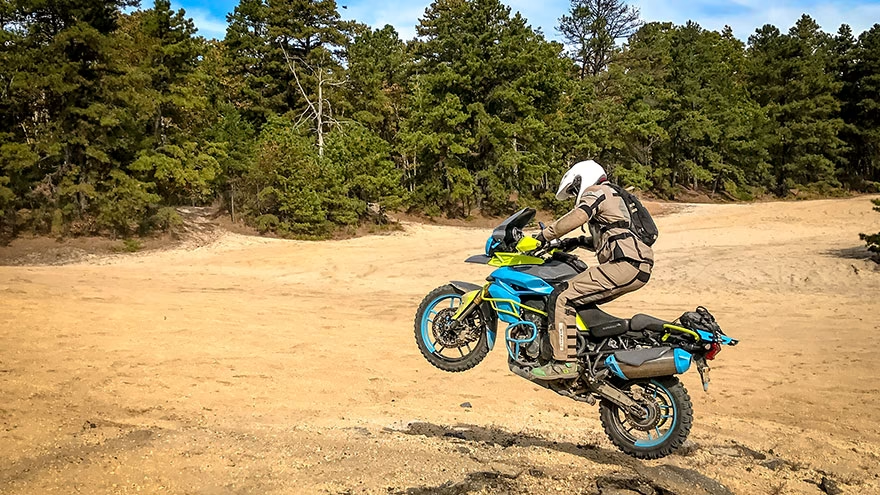
Where Should You Start With Wisconsin Off-Road Motorcycle Trails?
Wisconsin off-road motorcycle trails are not one giant open playground. They are a mix of state, county, municipal, club-maintained, and private systems with different seasons, vehicle rules, passes, maps, and maintenance conditions. A good trip starts with the current land manager, not with an old forum post or a screenshot of a trail map.
The Wisconsin DNR's off-highway motorcycle trails page explains that some trails are open to street-licensed off-highway motorcycles while others may not allow limited-use dirt bikes. That distinction can decide whether your bike is legal on a route.
Before loading the trailer, confirm three things: the trail is open, your motorcycle qualifies, and your pass or registration status is correct. Weather, spring thaw, logging, storms, and local maintenance can change access.
The practical rule is official map first. Use social recommendations for ideas, but verify with the DNR, county, or trail operator before you drive across the state.
What Passes or Registration Do Riders Need?
Wisconsin treats off-highway motorcycle access as a regulated recreation system. Residents and nonresidents should check current DNR requirements before riding public OHM routes or areas. Do not assume an out-of-state plate or a motocross background is enough.
The Wisconsin DNR's nonresident OHM trail pass page explains annual and five-day pass options for nonresidents using eligible Wisconsin OHM routes or areas. Fees, display rules, and expiration dates can change, so use the current DNR page.
Keep proof where you can reach it. A pass that exists at home or in an email you cannot open at the trailhead is not helpful. Screenshot key details before leaving cell service.
If you are traveling with friends, check every bike separately. One prepared rider does not make the whole group legal.
Which Trail Areas Are Commonly Discussed?
Riders often talk about county forest systems, northern Wisconsin routes, single-track loops, and designated OHM areas. Examples that appear in official or local tourism resources include Clark County, Douglas County, the Tamaracks area, and other county-managed networks. The exact mileage and opening dates should be checked before travel.
Clark County's motorcycle trail page describes a looped trail system in the Clark County Forest with seasonal dates and trailhead details. That kind of local page is useful because county systems often manage closures more closely than broad travel articles.
Do not choose only by mileage. A shorter technical single-track can be harder than a longer, smoother route. Soil, roots, rocks, whoops, sand, mud, and sightlines all change the day.
For planning around outdoor destinations, Livecub's Petoskey travel guide is a reminder that travel days work better when stops, fuel, and timing are planned before fatigue hits.
How Should You Plan a Weekend Ride?
A weekend ride needs more than a trail name. Check drive time, fuel stops, lodging or camping, food, water, parts stores, cell service, and what happens if the trail closes after rain. A backup plan can save the trip.
Call or check the county page if conditions look uncertain. Local staff and clubs usually know whether a route is drying, freshly graded, blocked by storm damage, or under seasonal restriction. Current status beats memory.
Plan the first day lighter than the second if you are traveling far. Loading, driving, unloading, and setting up camp already drain energy before the motorcycle starts. A short evening loop can be smarter than forcing a full ride after a long drive.
How Should Beginners Choose a Trail?
Beginners should choose legal, maintained, clearly mapped routes with easy bailout points. A trail that looks exciting online may be miserable if it is narrow, wet, rutted, or far above the rider's skill level.
Start with a smaller loop and repeat sections if needed. New riders learn more from controlled practice than from surviving a long ride while exhausted. Ride within recovery: if your hands, legs, or focus are gone, stop before mistakes stack up.
Bring a rider who knows the area if possible, but do not let group pressure pick your pace. A good group waits at turns, checks on slower riders, and does not shame someone for turning around.
Navigation should not depend on one phone. Download maps before leaving, carry a paper map if available, and agree on meeting points. A dead battery or broken mount can turn a simple wrong turn into a long problem.
Beginners should also avoid riding alone on unfamiliar trail systems. A minor crash, stuck bike, or mechanical problem is easier to solve with another rider nearby. Ride with margin until the terrain and your bike both feel familiar.
For another outdoor fit-and-setup topic, Livecub's walking-stick adjustment guide shows the same principle: equipment and terrain should match the person using them.
What Gear and Bike Prep Matter?
Helmet, eye protection, gloves, boots, long sleeves, long pants, hydration, basic tools, spare tube or plug kit as appropriate, first-aid supplies, and a charged phone or emergency communicator all belong in the planning conversation.
Bike prep should include tires, brakes, chain, controls, fuel range, coolant or oil level, air filter, spokes, and any required spark arrestor or sound compliance for the area. Check local rules before assuming your setup is allowed.
Noise discipline matters on mixed-use lands. Loud or careless riding can damage relationships with landowners, counties, and other trail users. Trail access often depends on behavior as much as machinery.
If the ride includes scenic stops, Livecub's Skyline Drive waterfalls article is a useful contrast: natural places stay open longer when visitors treat trails and water with care.
What Should You Do if Something Goes Wrong?
Breakdowns and small crashes are part of off-road riding. Carry basic tools, water, first-aid supplies, and a way to contact help. Know the nearest road crossing or trailhead instead of assuming someone else can describe your location.
If a rider is injured, stop the group and make the scene safe before moving bikes around. Do not turn a manageable incident into a second crash. Send two people for help if possible and keep the injured rider warm and calm.
Mechanical problems call for judgment. A loose lever or flat tire may be repairable. A damaged brake, stuck throttle, leaking fuel, or serious wheel problem should end the ride. Getting back late is better than gambling with control.
How Do Weather and Seasons Change the Ride?
Wisconsin trail conditions can change quickly. Spring closures protect soft trail surfaces. Rain can turn low areas into mud, while dry weeks can make sand and dust worse. Fall leaves can hide rocks and roots.
Do not ride closed trails because "it looks fine." Closure rules protect the trail base, nearby habitat, maintenance budgets, and future access. A few riders can create damage that volunteers or counties spend weeks repairing.
Check trail status the night before and again the morning of the ride when possible. County pages, DNR updates, club notices, and local contacts can save a wasted drive.
For remote-location planning habits, Livecub's Spiral Jetty travel guide shows why road, weather, and service checks should happen before the trip, not after arrival.
How Do You Ride Respectfully on Shared Land?
Stay on designated routes, yield as posted, slow near trailheads, keep dust down around other users, and do not widen trails around obstacles. If a section is beyond your ability, turn around instead of carving a new line.
Pack out trash, carry what you need, and avoid roosting parking areas or road crossings. Respectful riding is not only politeness. It is access protection.
Groups should set rules before starting: wait at intersections, ride sober, help with breakdowns, and stop before a tired rider becomes a rescue problem. The best trail day ends with every rider and every bike back at the truck.
This article is general travel and recreation information, not legal or safety training. Check current Wisconsin DNR, county, and trail-operator rules before riding.
Frequently Asked Questions
Do nonresidents need a Wisconsin OHM trail pass?
Often yes for public OHM routes or areas, but riders should check the current Wisconsin DNR page before traveling.
Are all Wisconsin ATV trails open to dirt bikes?
No. Motorcycle access can differ by trail, vehicle type, registration status, and local rule.
When do Wisconsin motorcycle trails open?
Dates vary by trail system and season. Always check the official trail operator or county page.
Can beginners ride Wisconsin off-road motorcycle trails?
Yes, if they choose legal beginner-friendly routes, ride with good judgment, and avoid trails above their skill level.

Cashie Evans
Covers parenting and practical household topics with clear steps, safety notes and links to current guidance.



Leave a reply
Replying to