
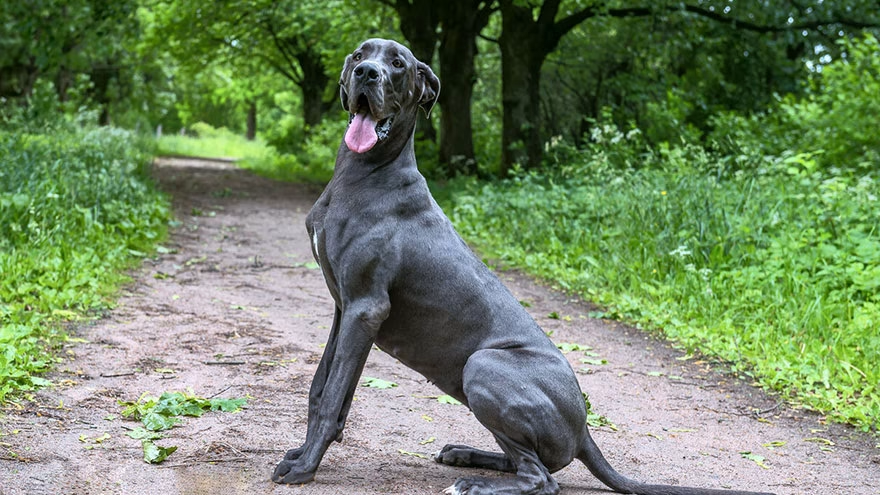
Understand the Giant-Breed Commitment
A Great Dane is not just a large version of a small companion dog. Size changes the cost, the training stakes, the vehicle you need, the crate size, the food bill, the medication dose, and the risk of accidental injury when a young dog is wild indoors. The American Kennel Club's Great Dane page describes the breed as easygoing and affectionate, but it also notes that owning a dog of this size is a serious commitment.
A good breeder starts there. They do not sell a Dane as a dramatic couch ornament. They explain growth, joints, socialization, training, bloat awareness, and the emotional reality of a breed with a shorter average lifespan than many small dogs. The right buyer wants giant-breed reality, not just giant-breed photos.
Before contacting breeders, look honestly at your home. Can you manage a tall puppy near stairs, toddlers, small pets, and fragile furniture? Can you afford larger food bags, bigger beds, and higher veterinary costs? Can you train early, before the puppy weighs more than many adults can control easily?
Health Testing Comes Before Color
Great Dane colors attract attention, but health testing should come first. The Great Dane Club of America's health page says recommended disease screenings for breeding stock include normal hip, heart, thyroid, and eye results, with heart and thyroid testing repeated every two to three years because young-adult results do not remain valid for life. Read the GDCA health and research page before you ask breeders about puppies.
Ask for verifiable results
Ask for registered names, not just call names. Then ask where hip, cardiac, thyroid, and eye results can be checked. A breeder may use OFA or PennHIP for hips depending on the test. The answer should be specific. "The vet says they are healthy" is not the same as verifiable health testing.
Ask about the family line
Health tests do not remove all risk. Ask about bloat, heart disease, orthopedic problems, temperament, age at death in relatives, and how older dogs in the line are doing. A serious breeder can discuss the good and the hard parts without sounding like a salesperson.
Bloat and gastric torsion are topics every Dane buyer should discuss with a veterinarian and breeder. Ask what the breeder teaches about meal timing, exercise around meals, emergency signs, and whether relatives have had problems. Do not expect a breeder to replace veterinary advice. Expect them to take the subject seriously and point you toward qualified care.
Ask about growth and feeding
Great Dane puppies need careful growth. Ask what food the breeder uses, how they manage body condition, and what they expect from the buyer during the first year. Overfeeding a giant puppy is not kindness. Slow, steady growth is usually the goal.
Ask what body condition should look like at different ages. A puppy should not be pushed to look massive. Extra weight can add stress to a growing frame, and slick floors or rough jumping can make movement harder. A good breeder will talk about growth with patience, not bragging. They should also encourage a first veterinary visit soon after pickup.
Look for Breeder Behavior That Protects the Dog
The GDCA page on whether a Great Dane is right for you lists breeder questions and points buyers toward club or affiliate-club contacts. It also describes appropriate health testing before breeding. Use that mindset when you talk to sellers.
Good breeders ask about your home, schedule, yard, children, other pets, training plan, and prior giant-breed experience. They may not have puppies available right away. They may match puppies by temperament rather than letting buyers choose by photo. That process can feel slow, but it often leads to better homes and fewer returns.
Be cautious if a seller focuses on rare color, size bragging, immediate payment, shipping convenience, or emotional pressure. A Dane that grows too large too fast, lacks training, or comes from untested parents can create heartbreak and expense. Price alone should never be the deciding factor.
Ask how the breeder handles puppy placement. A bold, pushy puppy may not fit a first-time giant-breed home with small children. A softer puppy may need a quieter owner. Breeders who watch puppies daily can often see differences that a buyer misses in a short visit.
It helps to compare breeder conversations across breeds. Livecub's Brittany Spaniel breeder recommendations covers a much different dog, but the same buyer habits apply: ask for records, ask about temperament, and listen for honest detail.
Discuss Temperament and Early Training
A Great Dane puppy should meet normal household life with calm exposure. Ask how the litter hears sounds, meets people, explores surfaces, and starts crate time. Puppies do not need chaos; they need steady, age-appropriate experiences. A shy giant dog can become hard to manage. A pushy giant dog can become unsafe without meaning harm.
Training should begin immediately. Name response, leash basics, polite greetings, crate comfort, and body handling matter more than cute tricks. A jumping Dane puppy may seem funny at 30 pounds and dangerous at 120. Ask the breeder how they start manners and what they expect from buyers in the first month.
Livecub's article on the biggest dog breeds is a good reminder that size changes everyday life. Livecub's Rottweiler questions can also help buyers think about training responsibility in strong dogs, even though the breeds are very different.
Health history should also include problems that are not visible in a puppy photo. Ask about orthopedic issues, heart concerns, allergies, behavior, and sudden losses in the family line. Livecub's Staffordshire Bull Terrier health problems article is about another breed, but it shows why breed-specific health questions should be direct and written down.
Read the Contract and Return Policy
A Great Dane contract should cover price, registration, health terms, spay or neuter expectations if any, breeder support, and what happens if the buyer can no longer keep the dog. Many responsible breeders require that the dog return to them or that they help with placement. That policy protects the dog for life.
Read health guarantees carefully. Ask what is covered, for how long, what documentation is needed, and what remedy is offered. A guarantee is not a substitute for health testing, but it shows how the breeder handles responsibility. Ask also about microchip, vaccination records, deworming, diet, and the first veterinary visit.
If a contract says the buyer must follow specific feeding, exercise, or growth instructions, ask why. Some requirements are there because giant-breed puppies need special care. The answer should be practical, not controlling for its own sake.
Prepare the Home Before Pickup
Buy the crate, bed, bowls, leash, collar, cleaning supplies, and safe baby gates before the puppy comes home. Make sure floors are not dangerously slick. Decide where the puppy will sleep and how outdoor potty trips will work. A Great Dane puppy grows fast, so cheap gear may be outgrown quickly.
Plan socialization with control. Meet calm people, friendly vaccinated dogs, gentle surfaces, vehicles, and grooming tools. Avoid dog parks with a young puppy. Protect joints by limiting forced running, slippery play, and repetitive stair work. Ask your veterinarian and breeder how to balance safe exercise with normal puppy life.
Daily logistics matter too. A Dane may need a vehicle with enough space, a crate that fits without bending the dog, raised awareness around counters, and a plan for visitors who are nervous around large dogs. Teach calm greetings early. A polite giant is easier to include in family life than an excited one that nobody can physically manage.
Great Dane ownership works best when the buyer is sober about size but warm about the dog. The best breeders look for that combination. They want homes that can love the breed without underestimating it.
Frequently Asked Questions
What health tests should Great Dane breeders discuss?
Ask about hip evaluation, cardiac exam, thyroid evaluation, and eye certification, plus family history for bloat, heart disease, orthopedic issues, temperament, and longevity.
Are Great Danes good first dogs?
They can be, but size makes mistakes harder. First-time owners need training support, a realistic budget, and a plan for safe handling before the puppy becomes huge.
Should I choose a Great Dane by color?
No. Color may matter to a buyer, but health testing, temperament, breeder support, structure, and home fit should come first.
Why do breeders ask so many questions?
Responsible breeders want to place giant puppies in homes prepared for size, cost, training, and long-term care. Their questions help protect the dog.

Chiara Bradshaw
Covers education, culture and creative topics with an emphasis on readable explanations and verifiable references.


Leave a reply
Replying to