
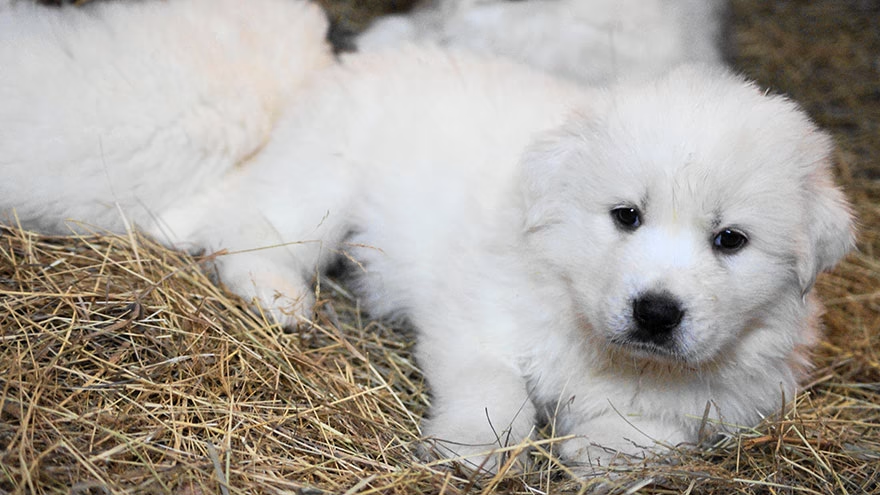
A Great Pyrenees puppy can look like a cloud with paws, but the adult dog is a serious guardian breed with size, independence, coat, barking, and boundary instincts. Good Great Pyrenees breeder recommendations should help you find a breeder who explains the real dog, not only the beautiful puppy photo.
Is a Great Pyrenees right for your home?
The AKC describes the Great Pyrenees as a large, thick-coated working dog historically used to guard flocks. The AKC Great Pyrenees breed page is a useful starting point because it frames the breed as more than a big white companion.
This breed often suits homes that respect independent decision-making, nighttime alert barking, secure fencing, shedding, and calm leadership. It may be a poor fit for someone who wants a highly obedient, low-shedding, silent apartment dog.
For size perspective, Livecub's biggest dog breeds guide helps place the Great Pyrenees in a large-dog context.
Do you want a working guardian or a companion?
Be clear about the job you expect. A working livestock guardian prospect may need different early exposure than a companion puppy going to a suburban home. Neither path is better by default, but the breeder should understand the difference.
If you own livestock, ask what animals the puppies have seen, how the parents work, and what management the breeder recommends. If you want a family companion, ask how the puppies handle house noise, visitors, crates, grooming, and basic boundaries.
Purpose changes the questions. A puppy raised only for one setting may need extra help in another.
What should a responsible breeder explain?
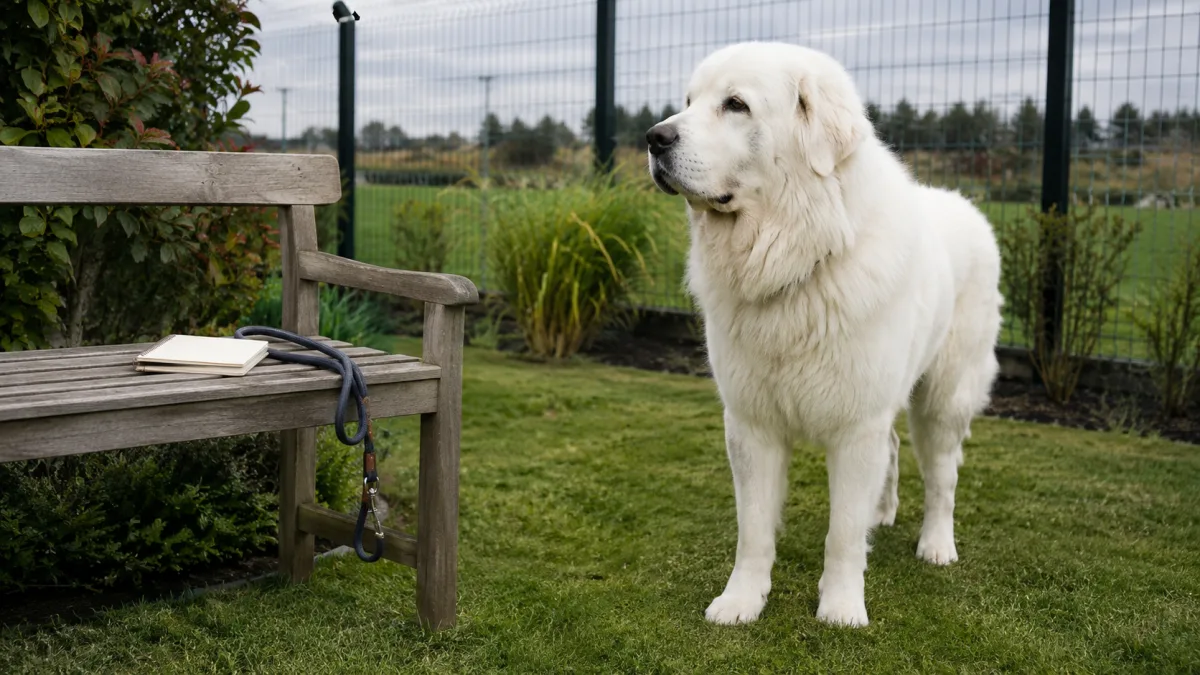
A responsible breeder should explain guarding instincts, barking, roaming risk, coat care, socialization, family fit, health testing, and what kind of homes the puppies are being raised for. A livestock guardian placement and a suburban family placement may need different matching.
The Great Pyrenees Club of America provides breed information and breeder resources. The Great Pyrenees Club of America site is a better starting point than listings that only mention size and color.
A breeder should be honest about the inconvenient parts. Barking, fencing, and shedding are not small footnotes with this breed.
Which health questions matter?
Ask about health screening on the sire and dam, not only a recent vet visit. Large breeds can have orthopedic concerns, eye concerns, and other breed-specific risks that responsible breeders discuss openly.
OFA's CHIC program provides a way to review breed screening recommendations and public health results. The OFA CHIC breed directory is a useful source before you ask breeders for proof.
Ask for registered names, test dates, and where results can be checked. If the breeder cannot explain the difference between a vet exam and health screening, keep asking questions.
For health-question framing in another large breed, Livecub's Rottweiler questions guide can help readers think about size, health, and management.
What temperament should you look for?
Great Pyrenees should not be frantic or careless with their size. Ask how the parents behave with visitors, children, other dogs, livestock if relevant, grooming, confinement, and nighttime routines. Guardian breeds need confidence with judgment, not random suspicion.
Ask whether the breeder raises puppies around the kind of life they will have later. Farm exposure, household exposure, children, grooming tables, crates, and car rides all teach different lessons.
How should barking be discussed?
Barking is not a tiny side issue with this breed. Great Pyrenees often alert when they hear or sense activity, especially at night. A breeder should talk about this honestly, including what training can improve and what management may still be needed.
Ask how the breeder's adult dogs behave at night, around neighbors, and when visitors arrive. If you live in a dense neighborhood, this conversation matters before you bring home a giant guardian puppy.
Do not buy the puppy and hope the instinct disappears. Plan the home around the dog you are choosing.
How important is fencing?
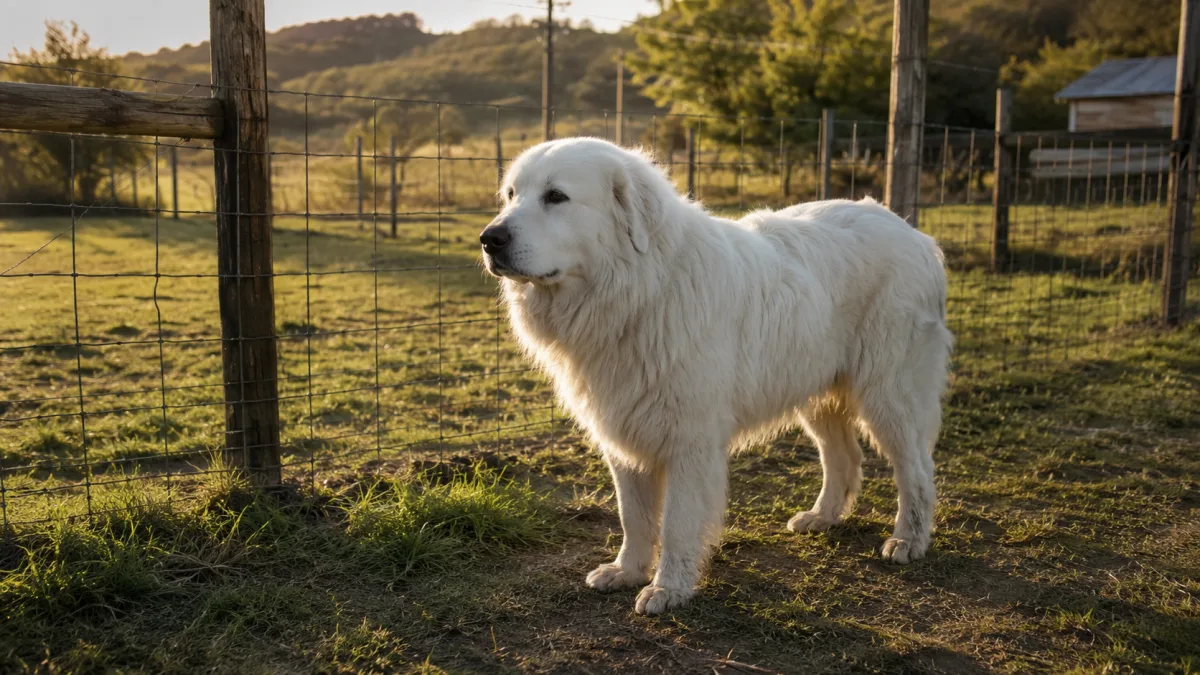
Secure fencing matters. Great Pyrenees were bred to patrol and make decisions. A weak boundary can become an invitation to roam. Invisible fencing is often a poor match for a guardian breed because it does not create a physical barrier against leaving or outside threats.
A Great Pyrenees should not be expected to train itself out of its history. Plan for the instincts before the puppy is home.
What should puppy raising include?
Good puppy raising should include clean housing, handling, grooming practice, age-appropriate noises, surfaces, visitors, and early boundaries. Puppies should not be isolated in a pen with no human contact, and they should not be overhandled in ways that ignore their future size.
Ask how the breeder evaluates puppies. A confident guardian prospect, a softer companion puppy, and a bold boundary tester may not fit the same home.
Livecub's Brittany Spaniel breeder recommendations offers a useful contrast because sporting-dog matching and guardian-dog matching ask different questions.
What should you ask about children and other pets?
Ask how the parents and puppies behave around children, small dogs, cats, and livestock. Size alone can create risk even when the dog is gentle. A breeder should explain supervision, introductions, and what behavior is normal for the breed.
Do not expect a puppy to understand its future strength. Teach calm greetings, leash manners, trade games, and rest areas early. Children should also learn not to climb on, chase, or disturb a sleeping dog.
Should you consider an adult Great Pyrenees?
An adult dog can be a smart option when temperament, size, barking, and guarding style are already visible. Some breeders know of retired dogs, returns, or adults needing homes. This can help buyers who are honest that a giant puppy may be too much.
Ask why the adult is available, how it handles strangers, fencing, grooming, other animals, and nights. Adult placement still needs a contract and support, not a handshake and a quick pickup.
What about grooming and daily care?
The thick double coat sheds and needs regular brushing. Ask the breeder to show you coat care, nail handling, ear checks, and how they introduce grooming. A puppy that has never been brushed may become a powerful adult that objects to routine care.
For coat-care context, Livecub's longhair Dachshund grooming guide is a different coat type, but the handling lesson still applies.
What red flags should stop the purchase?
Red flags include no health-test proof, no buyer questions, no contract, no return policy, vague parent information, dirty housing, pressure to pay fast, and a breeder who says the breed never barks, never roams, or never sheds.
Another red flag is poor matching. A breeder who sells a guardian-breed puppy to anyone with cash may not support the dog when normal guardian behavior appears.
What questions should be on your list?
Ask why the litter was bred, what the parents are like, what health results can be verified, how puppies are matched, and what homes the breeder refuses. Ask what support is offered if training, barking, fencing, or rehoming concerns appear later.
Also ask what the first month should look like. A useful answer may include crate or pen routines, calm handling, safe social exposure, fencing checks, grooming practice, and how to prevent nuisance barking from becoming rehearsed.
The first month should not be a parade of visitors. Let the puppy learn the property, the household rhythm, the grooming tools, and the rules for doors and gates. Calm habits are easier to build early than repair later, especially with a giant adolescent coming into the house with opinions, strength, and a loud voice at night outside the bedroom window during patrols.
Good breeders give homework. If the only instruction is when to send money, keep looking.
Frequently Asked Questions
Are Great Pyrenees good family dogs?
They can be, but families need secure fencing, grooming plans, training, and realistic expectations about size, barking, and independence.
Should I buy from a working-line breeder?
It depends on your home. Livestock guardian work, suburban companionship, and show or performance goals may require different matching.
What should I ask a Great Pyrenees breeder first?
Ask about health testing, parent temperament, fencing expectations, puppy raising, guarding behavior, contracts, and return policy.
Do Great Pyrenees bark a lot?
Many are alert barkers, especially at night. A breeder should explain this honestly instead of promising a silent guardian dog.
A good Great Pyrenees breeder prepares you for the adult dog. Look for health proof, temperament honesty, careful matching, and support after the puppy leaves.

Chiara Bradshaw
Covers education, culture and creative topics with an emphasis on readable explanations and verifiable references.


Leave a reply
Replying to