
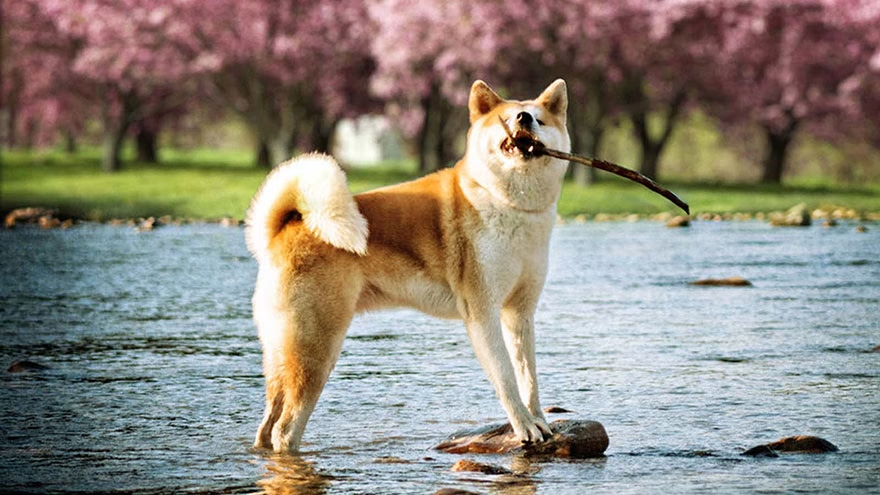
Owning an Akita Inu : Breeder Recommendations should be grounded in the breed's seriousness. Akitas are powerful, loyal, independent dogs with strong presence and a double coat. The right breeder helps you understand temperament, health, socialization, and whether this breed fits your home. The wrong seller hands over a beautiful problem.
Before looking at puppies, decide which type you mean. In many places, "Akita" can refer to the American Akita, while "Japanese Akitainu" refers to the Japanese breed type. The distinction affects standards, clubs, breeders, and sometimes expectations.
What Should You Know About The Breed First?
The American Kennel Club describes the Akita as dignified, courageous, and loyal, with ancient Japanese lineage. Those words sound romantic, but they also signal a dog that needs structure, socialization, and careful ownership.
Akitas are not usually casual dog-park dogs. Many are selective with other dogs and reserved with strangers. A breeder should say this plainly. If a seller promises an Akita that loves everyone and needs no work, keep looking.
Where Should You Start Looking?
Start with breed clubs and referrals, not random ads. The Akita Club of America puppy page describes what responsible breeders should know and how they should think about breed standard, health, and placement.
If you are looking for Japanese Akitainu specifically, the Japanese Akitainu Club of America is a key breed-club starting point. It encourages serious buyers to find reputable hobbyist breeders or rescue options. Do not treat every fluffy Akita-looking puppy online as the same thing.
How Do You Verify A Breeder's Claims?
Ask for registered names, health records, titles if claimed, parent ages, and the reason for the pairing. Then check what can be checked. A responsible breeder will not be offended by calm verification. They will expect it.
Be wary of sellers who answer every question with "trust me" or rush you toward payment. Good breeders usually have a process: application, conversation, waiting list, contract, records, and follow-up. Fast access is not always a gift.
What Should A Breeder Ask You?
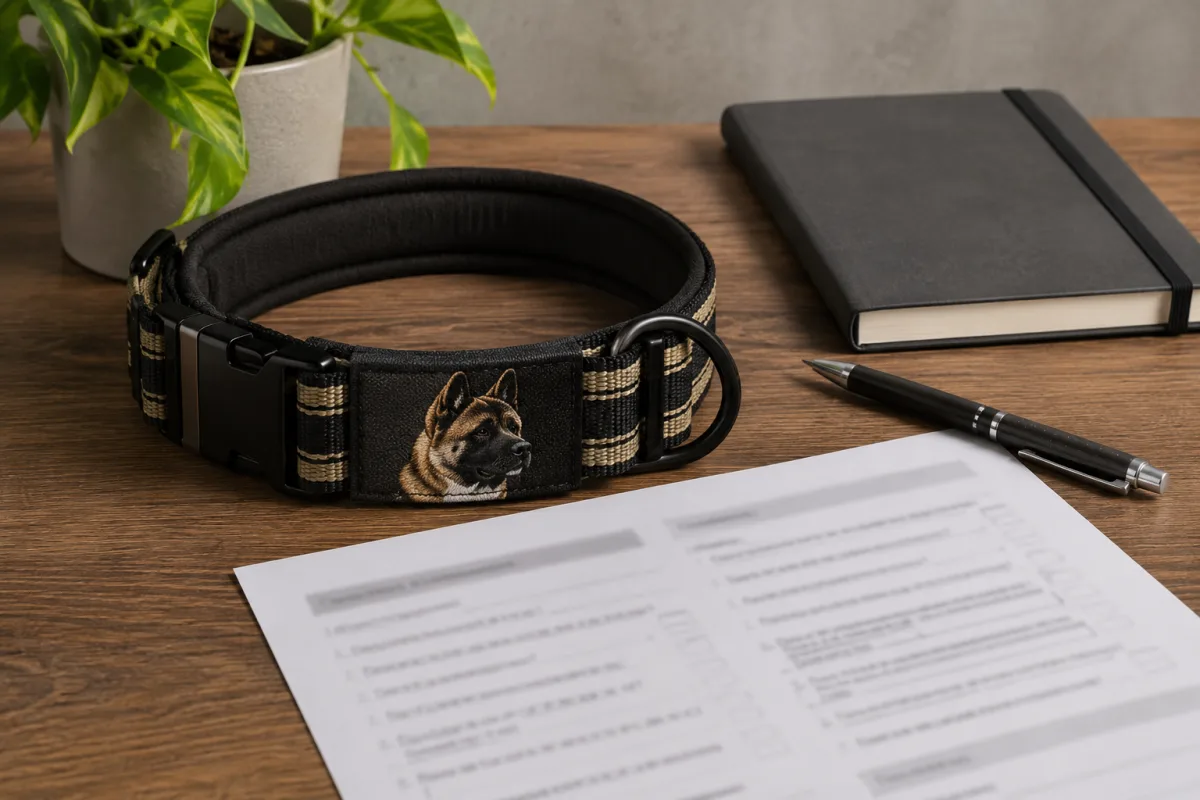
A responsible breeder should ask about your dog experience, home, fencing, children, other pets, training plan, grooming plan, work schedule, climate, and why you want an Akita. This is not nosiness. It is placement.
If you have never lived with an independent large breed, say so. The breeder should help you decide whether the breed fits. Livecub's Brittany breeder recommendations cover another breed, but the buyer mindset is similar: honest questions protect the dog.
What Health Testing Should You Discuss?
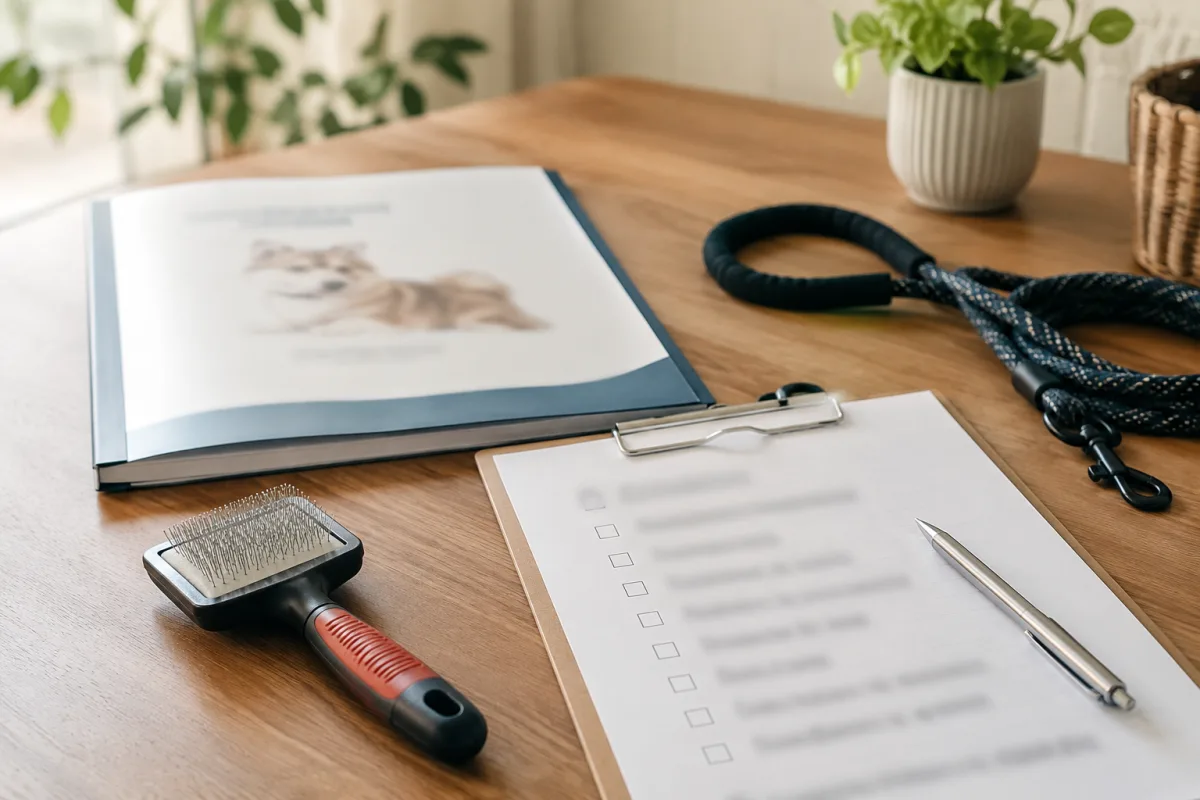
Ask about hips, eyes, thyroid, elbows, patellas, autoimmune conditions, skin, allergies, and any breed-club health guidance. The Akita Club of America health clearances page lists minimal recommended testing such as hip or PennHIP evaluation, eye registry, and thyroid panel with TgAA, plus optional testing.
For Japanese Akitainu, JACA health material also highlights awareness of autoimmune conditions. A breeder should not promise that testing removes every risk. They should explain what is known, what is unknown, and what appears in the family lines.
What Temperament Should You Look For?
Look for stable, observant, recoverable dogs. Akita puppies should not seem frantic, shut down, or unmanaged. Adult dogs should be controlled and comfortable with the breeder. Reserved is fine; uncontrolled aggression is not.
Ask how puppies are matched to homes. Do not choose only by color, sex, or markings. A bold puppy may not fit a first-time owner with small children and visiting dogs. A breeder should care more about fit than letting buyers pick in order of deposit.
What Should You See During A Visit?
If an in-person visit is possible, look for clean living areas, healthy adult dogs, calm handling, safe puppy spaces, and a breeder who can discuss each dog's temperament without exaggeration. If distance makes a visit hard, ask for a live video conversation rather than polished clips only.
You do not need a show kennel. You do need honesty, cleanliness, records, and dogs that appear cared for. If the breeder will not show where puppies are raised, will not let you meet at least the mother when reasonable, or keeps changing the story, pause.
How Should Puppies Be Raised?
Puppies should experience normal household sounds, handling, clean surfaces, age-appropriate play, gentle grooming, and early social contact. They should not be isolated in a way that makes the world feel shocking after pickup.
Ask about crate introduction, car rides, nail trims, brushing, surfaces, and visitors. An Akita puppy that has never been handled calmly may become difficult to groom and examine as an adult. Livecub's longhair Dachshund grooming guide is a different coat, but early handling is the shared lesson.
What Red Flags Should Stop You?
Walk away if the seller avoids health records, refuses to discuss temperament, always has puppies, ships without conversation, pushes rare colors, dismisses dog selectivity, or says Akitas do not need training. Also be cautious with sellers who cannot explain whether they breed American Akitas, Japanese Akitainu, or mixes.
A beautiful puppy can still come from careless breeding. Price, photos, and registration do not replace health testing, temperament knowledge, and lifetime support.
What Should Be In The Contract?
The contract should cover health records, registration, return policy, spay or neuter terms if any, breeding restrictions, support, and what happens if you cannot keep the dog. Read it before paying a deposit.
A return clause is often a good sign. Responsible breeders do not want their dogs passed from home to home without notice. Ask questions if any contract term feels unclear.
Are Akitas Good With Other Pets?
Some live with other pets, especially when raised carefully, but many Akitas are selective with dogs, particularly same-sex dogs. Prey drive can also matter around small animals. A breeder should ask what animals live in your home before placing a puppy.
Do not count on dog parks, loose introductions, or wishful thinking. If you are comparing another strong breed, Livecub's Rottweiler questions show why size and confidence demand planning.
What Should The First Month Look Like?
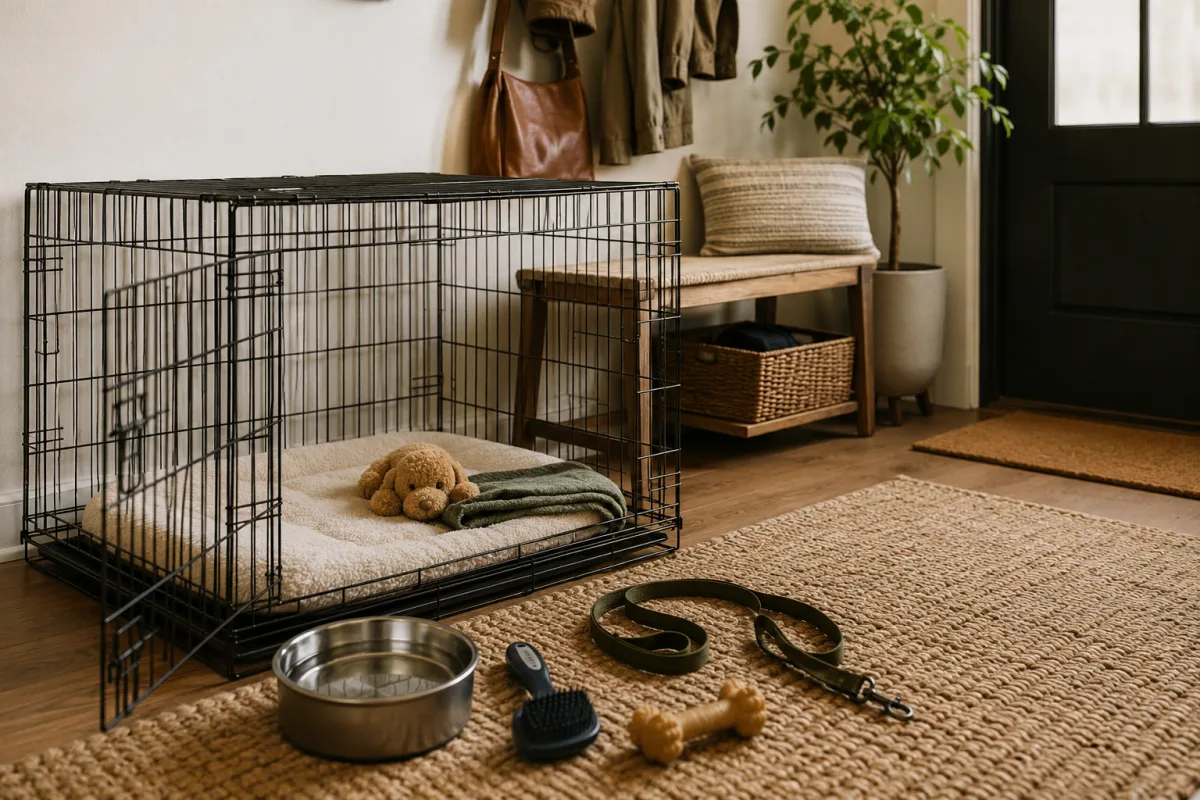
Plan for structure from day one: crate or safe room, toilet schedule, short training, handling, brushing, controlled visitors, calm leash work, and rest. Do not flood the puppy with crowds. Socialization should be thoughtful, not chaotic.
Book a vet visit, bring records, and discuss vaccination timing, growth, diet, parasite prevention, and breed-specific concerns. A good breeder will want to know how the transition is going.
What Budget Questions Matter?
The purchase price is only the opening cost. Ask yourself whether you can handle quality food, training, grooming tools, fencing, crates, vet care, parasite prevention, emergency savings, and travel arrangements for a large dog.
A breeder who never discusses cost may be avoiding reality. Akitas are not tiny, low-maintenance pets. Planning the budget before pickup protects the dog and keeps you from resenting normal care needs later.
What Support Should Continue?
Breeder support should not end at the parking lot. You should know whom to contact for diet questions, growth concerns, coat changes, training problems, and temperament worries. The breeder may not solve everything, but they should care what happens.
Good support also includes honesty about rehoming. If your life changes and you cannot keep the dog, the contract should explain the breeder's role. Responsible placement includes the whole life of the dog, not only the sale day.
Save every record from the breeder in one folder before pickup. Registration papers, microchip details, health results, diet notes, vaccination dates, deworming history, and contract terms are much easier to manage when the puppy is not already home demanding attention.
Frequently Asked Questions
Is an Akita good for first-time owners?
Some first-time owners can succeed, but the breed is usually better for prepared, structured homes.
Should I choose male or female?
Temperament and household fit matter more than sex, though same-sex dog issues should be discussed.
Are American Akitas and Japanese Akitainu the same?
They are related but treated differently by clubs and standards in many contexts. Know which type you are seeking.
Do Akitas need much grooming?
Yes. The double coat needs brushing, especially during shedding seasons, plus nails, teeth, and ear care.
What if a breeder refuses health questions?
Leave. Health and temperament questions are basic, not rude.
What Is The Best Breeder Choice?
Choose the breeder who tells the truth about Akita temperament, documents health work, raises puppies thoughtfully, asks you hard questions, and stays available after the sale. A good Akita breeder is not selling a legend. They are placing a serious dog in a home ready to live with one.

Tory Stearns
Edits practical household, travel and lifestyle explainers. Claims that can change are linked to current primary or subject-authority sources.



Leave a reply
Replying to