

Techniques That Can Enhance Your Personal Self Confidence is about the way people respond to challenge without pretending life is easy. The useful version is practical: notice reality, choose one workable action, use support, and keep enough flexibility to adjust when facts change.
This is general mental health education, not therapy. If low confidence, stress, panic, trauma, depression, or avoidance is limiting daily life, talk with a qualified clinician. Self-help works best when it does not replace care.
Start With A Clear Definition
Positive adaptation means adjusting to stress or change in a way that protects function, relationships, and values. It is close to resilience, but it does not require pretending the event was good.
APA defines resilience as adapting to difficult experiences through mental, emotional, and behavioral flexibility. That definition keeps adaptation grounded.
Use Small Evidence

Confidence grows when the brain sees evidence. Finish one phone call, walk for ten minutes, ask one question, or practice one skill. A tiny completed action is stronger than a huge plan abandoned by dinner.
For performance pressure, Livecub's tryout nerves article can help with small pre-performance actions.
Separate Feeling From Ability
You can feel nervous and still be capable. Waiting to feel confident before acting often keeps people stuck. Act at a size your nervous system can tolerate, then let the result teach you.
This is especially useful after criticism, illness, job change, divorce, or public failure.
Build Self-Efficacy
Self-efficacy is belief in your ability to do a specific task. It is more useful than vague confidence because it can be trained through mastery, modeling, encouragement, and emotional regulation.
APA's article on self-efficacy and human agency explains why belief in capability affects behavior and persistence.
Use Support Without Dependency
Support can be a friend, coach, therapist, teacher, group, or mentor. The point is not to outsource your life. It is to borrow structure while you rebuild your own.
For older adults, Livecub's motivating elderly adults article shows how dignity and support can work together.
Track Patterns
Write what helped, what drained you, and what you avoided. Patterns show where confidence is real, where skills are missing, and where fear is exaggerating danger.
Livecub's food journal guide uses the same observation-first method in a different context.
Practice Boundaries
Confidence drops when every day is shaped by other people's demands. Say no to one low-stakes request, ask for time to decide, or stop apologizing for a normal need. Boundaries create room for adaptation.
If speaking up is hard, begin with written scripts.
Use Body Cues
Posture, breath, sleep, food, and movement affect confidence. A tired body can make a normal problem feel impossible. Before judging yourself, check for hunger, poor sleep, tension, or overload.
Body care is not a substitute for skill, but it makes skill easier to access.
Learn From Setbacks
A setback is data: the step was too large, the plan was vague, the support was missing, or the timing was wrong. Shame says stop. Adaptation asks what changes next time.
For stage fear, Livecub's stage fright article offers a concrete model for returning after discomfort.
Avoid Fake Confidence
Fake confidence is loud, brittle, and dependent on being right. Real confidence can say I do not know, I need help, or I made a mistake. That flexibility makes it stronger.
The goal is not to become fearless. It is to become more workable under pressure.
Create A Weekly Practice

Choose one repeatable practice for a week: make one decision faster, ask one honest question, practice one skill for fifteen minutes, or write one boundary sentence. Keep the practice small enough to complete.
Repetition turns a good idea into identity evidence.
Know When It Is More Than Confidence
If avoidance is severe, panic is frequent, mood is low, or trauma reactions are strong, the issue may need professional care. Confidence tools can support recovery, but they cannot carry every load.
Getting help is an adaptive action, not a failure.
Use A Baseline
Before trying to change confidence or adaptation, describe the current baseline. What do you avoid, what do you handle well, what drains you, and what support already exists? A baseline stops you from judging progress by mood alone.
Progress can be real even before it feels dramatic.
Make The Step Smaller
If a step keeps failing, shrink it. Send one email, not ten. Walk around the block, not five miles. Practice one introduction, not a whole speech. Small enough to complete is better than impressive enough to abandon.
Small steps also protect people whose nervous system is already overloaded.
Borrow Structure
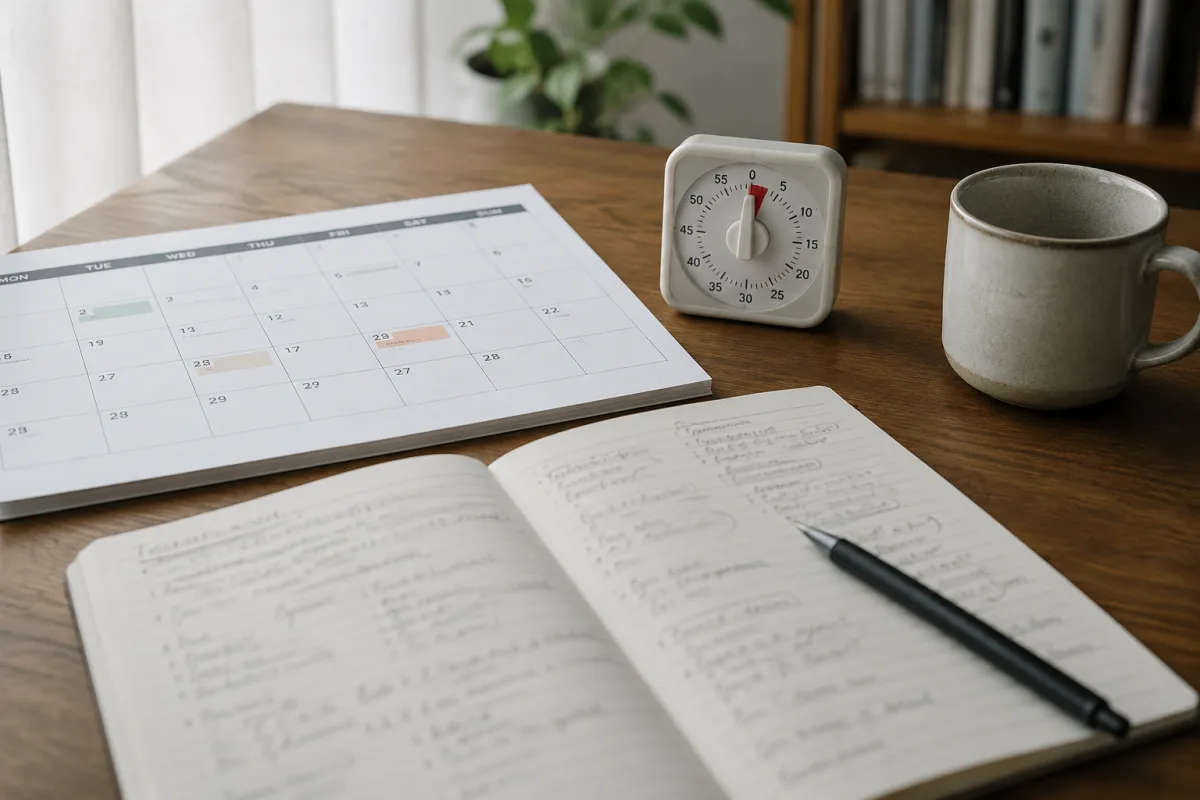
Use calendars, reminders, checklists, accountability calls, classes, therapy, coaching, or group practice. Structure does not mean weakness. It means you are reducing friction so the skill can actually happen.
A person can be independent and still use tools.
Handle Comparison
Comparison can make confidence collapse because you compare your first draft to someone else's finished routine. Compare your current self with your recent self instead. Ask what is one percent better than last week.
That keeps attention on behavior you can change.
Practice After Setback
The most useful practice often happens after a setback. Make the apology, try the second attempt, ask for feedback, or restart the plan. Confidence grows when you learn that a bad moment is not the end of the story.
This is where adaptation becomes visible.
Know The Red Flags
If avoidance spreads, sleep collapses, panic attacks increase, or hopelessness appears, do not keep pushing self-help alone. A clinician can help identify anxiety, depression, trauma, ADHD, or another factor affecting confidence.
Getting help is not the opposite of confidence. It is a confident response to real data.
Make A Two-Column List
Use two columns: what I control and what I do not control. Put your next action only in the first column. This reduces rumination and makes the plan less dependent on other people behaving perfectly.
The list is especially useful when emotions are loud and facts feel scattered.
Ask For Specific Feedback
Vague feedback can bruise confidence without helping. Ask for one specific change: what should I try next time, what was unclear, or what would make this easier to trust? Specific feedback turns criticism into usable data.
If the person cannot be specific, you may not need to treat their opinion as instruction.
Protect Recovery Time
Adaptation and confidence both require recovery. Schedule time after hard conversations, medical appointments, public work, or travel changes. Without recovery, every challenge stacks on the last one.
Rest is part of the plan, not a reward for finishing everything.
Use A Trusted Witness
For hard changes, tell one trusted person what you are practicing. Ask them to notice the behavior, not judge your whole personality. A witness can help you see progress when your mood says nothing changed.
Choose someone steady, not someone who turns your growth into gossip.
Review Monthly
Once a month, review what changed: one boundary kept, one fear faced, one form submitted, one appointment made, one relationship clarified. Monthly review prevents daily mood from erasing slow progress.
Small evidence becomes convincing when you collect it over time.
Keep The Next Step Visible
Put the next step where you will see it: calendar, note, reminder, or printed itinerary. A hidden plan is easy to forget when stress rises. Visible cues reduce decision fatigue and make follow-through more likely.
Practice In Low-Stakes Places
Use low-stakes moments to practice before the hard one: return a wrong order, ask for a receipt, request a seat change, or say you need a minute. Repetition makes the skill less dramatic when the stakes rise.
Name The Lesson
After each attempt, write one lesson in plain language. The lesson may be about timing, support, preparation, or limits. Naming it turns experience into usable information instead of vague self-judgment.
Frequently Asked Questions
Is confidence the same as self-esteem?
No. Confidence is often task-specific, while self-esteem is broader self-worth.
Can confidence be learned?
Yes. It often grows through practice, support, feedback, and repeated small wins.
What if I still feel nervous?
Nervousness can remain while ability grows. Start with smaller actions.
Does positive adaptation mean liking stress?
No. It means responding in a workable way, even when the event is hard.
When should I get help?
Get help when fear, mood, trauma, or avoidance affects daily life.
The Practical Takeaway
Positive adaptation and confidence grow through realistic action: define the challenge, use support, practice small skills, learn from setbacks, and keep care on the table when self-help is not enough.

Linda Fehrman
Edits general wellness and relationship explainers. Health material is educational, avoids diagnosis and links to health-authority guidance.




Leave a reply
Replying to