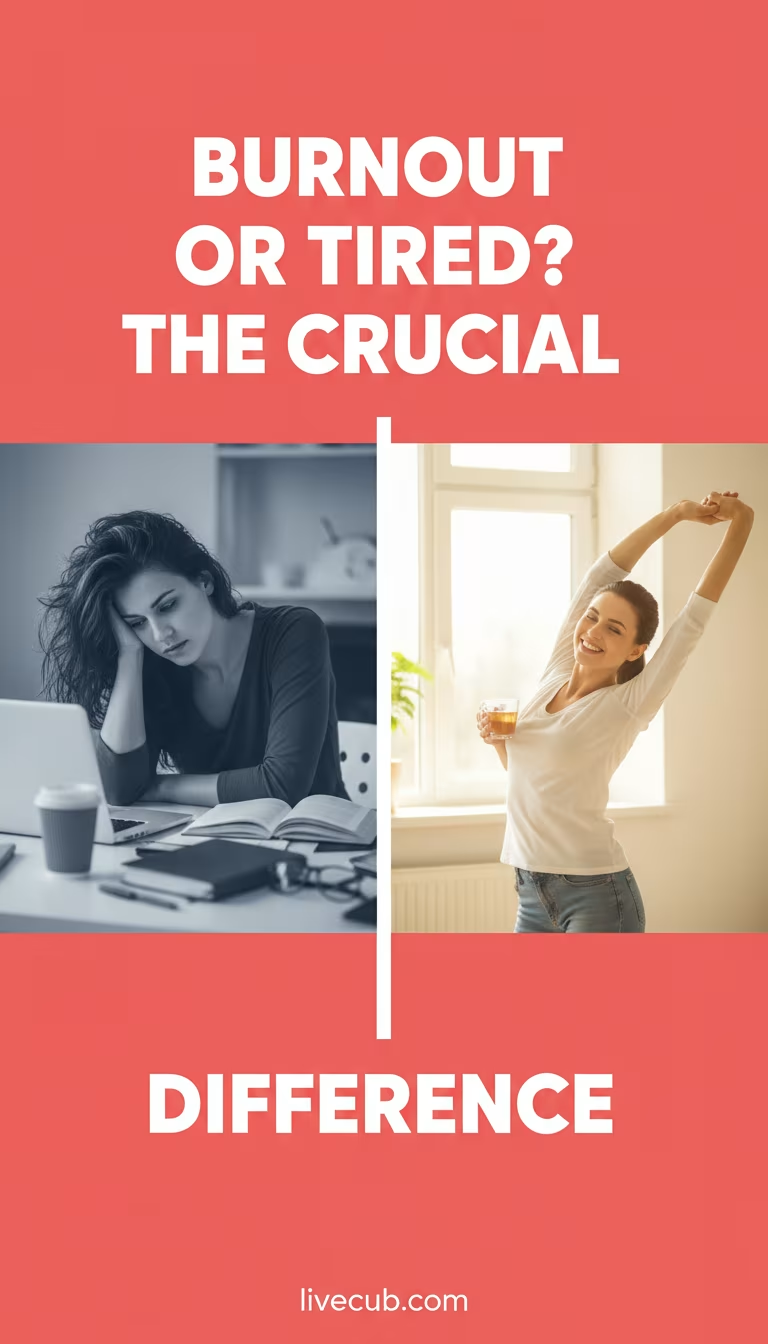
The Difference Between Burnout and Just Being Tired
Ever had one of those weeks where you just feel… drained? Like every fiber of your being is screaming for a duvet day, a long bath, and maybe a complete silence retreat in a remote cabin? You tell yourself, "Ugh, I'm just so tired." And you probably are.
We all get tired. It's a fundamental part of being human, a clear signal from our bodies that it’s time to slow down, rest, and recharge. But what if that feeling lingers?
What if a weekend of Netflix and extra sleep doesn't quite cut it? What if the exhaustion is deeper, more pervasive, and seems to touch every corner of your life? That's when we need to start asking a different question: Is this just tiredness, or is it something more serious, something we call burnout?
It’s a question I’ve grappled with myself, and one I see countless friends, colleagues, and readers wrestling with daily. In our fast-paced world, where the lines between work and life often blur, and the pressure to 'do it all' is immense, distinguishing between normal fatigue and something more insidious isn't just a semantic exercise.
It’s about understanding your own well-being, preserving your mental and physical health, and ultimately, living a life that feels vibrant and sustainable, not constantly on the brink of collapse. Let's unpack this together, shall we?
Why This Matters
Here’s the thing: we often dismiss our feelings of exhaustion. We push through. We chug another coffee.
We tell ourselves everyone feels this way, it’s just part of being an adult, right? But ignoring these signals can be incredibly detrimental. Think of your body and mind like a high-performance engine.
Regular maintenance, proper fuel, and occasional tune-ups keep it running smoothly. If you just keep driving it harder and harder without ever stopping for that essential care, eventually, something's going to seize up. It's not a matter of if, but when.
Understanding the difference between being tired and being burned out isn't just about labeling a feeling; it's about identifying the root cause of your discomfort and knowing how to properly address it. If you’re just tired, a good night’s sleep, a relaxing weekend, or a short vacation might be exactly what you need to bounce back.
Your energy levels will replenish, your mood will lift, and you’ll feel ready to tackle the week again. It’s a temporary state that resolves with rest.
But burnout? That’s a whole different beast. It requires a more systemic, often long-term, approach to recovery.
Misdiagnosing burnout as mere tiredness can lead to a vicious cycle. You try to rest, but the rest doesn't stick. You feel guilty for not feeling better.
You push yourself harder, only to sink deeper into the well of exhaustion. This can impact your relationships, your work performance, your physical health, and your overall sense of self-worth. It can even lead to more serious mental health issues like anxiety and depression.
That's why getting this right isn't just important, it's absolutely vital for your well-being. It's about giving yourself permission to seek the right kind of help and implement the right strategies, rather than continuously hitting a wall of ineffective remedies.
Just Being Tired: The Body's Natural Request for a Break
Let's start with what we all know and experience: being tired. This is the normal, healthy, and frankly, expected outcome of expending energy. You've had a busy day at work, chased after kids, hit the gym hard, or maybe even stayed up late binging your favorite show.
Your body clocks in at the end of the day, or perhaps after a particularly intense period, and says, "Hey, I need some downtime." It's your internal battery indicator flashing red, letting you know it's time for a recharge. And what happens when you plug it in? It recharges!
When you're simply tired, the exhaustion is primarily physical. Your muscles might ache a bit, your eyelids might feel heavy, and your brain might be a little foggy. You might yawn a lot.
Maybe you're a bit more irritable than usual, but it's usually situational and dissipates fairly quickly. You crave sleep, and usually, a good night's rest (7-9 hours for most adults) makes a world of difference. You wake up feeling refreshed, ready to tackle a new day.
You might still have challenges ahead, but you feel capable of facing them. The joy in activities you love hasn't disappeared; you just need to power down for a bit before engaging. You can still focus, make decisions, and feel a general sense of optimism or normalcy.
Think about it like this: after running a marathon, you'd be exhausted, right? Your body would be screaming for rest, nutrients, and recovery. But you wouldn't necessarily feel emotionally detached from the joy of having accomplished something incredible.
You wouldn't feel perpetually cynical or totally depleted of motivation for future goals. You'd just be physically tired, needing time for your body to repair and rebuild. This kind of tiredness is a natural, temporary state.
It's a signal, not a symptom of a deeper problem. It's your body's way of maintaining balance, making sure you don't overdo it. Ignoring it consistently can lead to chronic fatigue, but it doesn't immediately signify burnout.
The key here is its reversibility and its specific focus on physical or acute mental exertion.
Quick Fixes and Prevention for Everyday Tiredness
- Prioritize Sleep: This sounds obvious, but so many of us shortchange ourselves. Aim for 7-9 hours of quality sleep every night. What I’ve found helpful is creating a consistent bedtime routine – even on weekends! Dim the lights, put away screens an hour before bed, maybe read a book or take a warm bath. It really signals to your body that it’s time to wind down.
- Hydrate Like Your Life Depends On It: Dehydration is a huge culprit for feeling sluggish. Keep a water bottle handy and sip throughout the day. Sometimes that afternoon slump isn't just about needing coffee; it's your body crying out for H2O. I noticed a massive difference in my energy levels after I started tracking my water intake.
- Movement, Even Just a Little: It might sound counterintuitive to exercise when you're tired, but light to moderate activity can actually boost your energy. A brisk 20-minute walk, some gentle stretching, or a short yoga session can increase blood flow and release endorphins, giving you a natural lift without overexertion. Don't push yourself to a hardcore workout if you're already feeling low, but a gentle stroll can be surprisingly revitalizing.
- Mindful Eating for Sustained Energy: Fuel your body with whole foods, complex carbohydrates, lean proteins, and healthy fats. Avoid sugar crashes and heavy, greasy meals that leave you feeling even more sluggish. Small, frequent meals can help stabilize blood sugar and energy levels throughout the day. Think nuts, fruits, veggies, and whole grains instead of highly processed snacks.
Diving Deep into Burnout: The Real Deal
Now, let's talk about burnout. This isn't just a bad week or needing an extra nap. Burnout is a state of emotional, physical, and mental exhaustion caused by prolonged or excessive stress.
It’s not just feeling tired; it’s feeling utterly depleted, cynical, and ineffective. The World Health Organization (WHO) even recognized burnout as an occupational phenomenon in its International Classification of Diseases (ICD-11), describing it as a syndrome resulting from chronic workplace stress that hasn't been successfully managed.
But let’s be real, it doesn't just happen in the workplace; caregivers, students, and anyone dealing with persistent, high-demand situations can experience it.
The crucial difference here is the "prolonged or excessive stress" aspect. It’s not a one-off event that leads to burnout. It's the relentless grind, the feeling of being constantly overwhelmed, the never-ending to-do list that never seems to shrink, no matter how much effort you put in.
It's like trying to fill a bucket with a hole in the bottom – you keep pouring, but it never gets full, and eventually, you run out of water entirely. And the worst part? That bucket isn’t just your physical energy; it’s your emotional reserves, your cognitive capacity, and your spiritual well-being.
In my experience, burnout often sneaks up on you. You might not even realize it’s happening until you’re deep in it. You start by feeling a bit more stressed, a little less engaged.
Then, you notice a creeping cynicism. Projects you once loved become burdens. People you care about start to annoy you.
The things that used to bring you joy feel flat. You might try to push through, thinking you just need to work harder, but the harder you work, the worse you feel. It's a cruel paradox.
One of the hallmarks of burnout is that rest doesn't provide the usual relief. You can sleep for 10 hours and still wake up feeling just as exhausted, if not more so. Your mind races even when your body is still.
You might find yourself withdrawing from social activities you once enjoyed, not because you're physically tired, but because the emotional effort of engaging feels too monumental. You lose your passion, your drive, and your sense of purpose. It’s a profound sense of disillusionment and a feeling of being completely emptied out.
It's not just a momentary dip; it's a persistent state that reshapes your perspective and capacity to function.
When Does Tiredness Cross the Line to Burnout? Recognizing the Shift
So, how do you know when that persistent feeling of tiredness has morphed into something more serious? How do you tell if you’re just in need of a good weekend or a fundamental shift in your lifestyle? This is where understanding the specific symptoms of burnout becomes absolutely critical.
It’s about looking beyond the surface-level fatigue and tuning into deeper, more insidious changes in your mental, emotional, and physical landscape.
Let's look at the key indicators that signal you might be experiencing burnout, not just run-of-the-mill tiredness:
- Chronic Exhaustion (Beyond Physical): With tiredness, you're physically weary. With burnout, the exhaustion is pervasive. It's a deep-seated weariness that affects your mind and spirit as much as your body. You might feel a profound lack of energy even before your day has truly begun. It’s not just a physical heaviness; it’s an intellectual and emotional heaviness too. Thinking feels like wading through mud, and even simple decisions feel overwhelming. You might find yourself staring blankly, unable to focus, even on tasks you once found simple or engaging.
- Cynicism and Detachment: This is a big one. When you're just tired, you might be a bit grumpy, but your general outlook remains intact. With burnout, a pervasive sense of cynicism can set in. You become critical of your work, your colleagues, even yourself. You might start to feel emotionally detached, like you're going through the motions. Tasks that once felt meaningful now seem pointless. You might withdraw from people, not just because you’re tired, but because you just don’t have the emotional capacity to engage. Relationships start to feel like another chore on the list.
- Reduced Efficacy and Productivity: While tiredness can temporarily reduce your productivity, you typically bounce back after rest. Burnout leads to a persistent feeling of inadequacy and a decline in your ability to perform effectively. You might work longer hours but accomplish less, feeling like you're constantly fighting an uphill battle. You lose confidence in your abilities, and a sense of hopelessness can set in regarding your work or life situation. This isn't just a bad day; it's a sustained drop in performance and a feeling of being ineffective, no matter how hard you try.
- Increased Irritability and Impatience: Everyone gets a bit irritable when they're tired. But with burnout, this irritation becomes a constant companion, often escalating into anger or frustration over minor issues. You might find yourself snapping at loved ones, colleagues, or even strangers for no apparent reason. Your fuse becomes incredibly short, and your patience wears thin, leaving you feeling guilty and misunderstood. It's a deeper emotional dysregulation than just being a bit grumpy before your morning coffee.
- Physical Symptoms Persist: Tiredness might give you heavy eyes or aching muscles. Burnout can manifest in a range of persistent physical ailments: chronic headaches, stomach issues, frequent colds or infections (due to a weakened immune system), changes in appetite or sleep patterns (insomnia despite exhaustion, or excessive sleeping that doesn't help), and generalized body aches. These aren't just one-off occurrences; they become chronic and resistant to typical remedies. It's your body sounding the alarm because your nervous system is perpetually overstressed.
- Loss of Enjoyment and Motivation: This is probably the most heartbreaking symptom for many. Things you once loved – hobbies, social gatherings, personal projects – no longer bring you joy. You might feel a profound apathy towards them. The motivation to pursue anything, even your passions, simply isn't there. It's not just that you're too tired to do them; it's that the spark, the desire, has gone out. This isn't a temporary lack of enthusiasm; it's a deep, sustained absence of joy and purpose.
If you're nodding along to more than a couple of these, it's a strong indicator that you're likely dealing with something more than just needing a good night's sleep. It's a sign that your stress levels have exceeded your coping mechanisms for a prolonged period, and your entire system is protesting. Recognizing this distinction is the first, most powerful step towards healing.
Common Mistakes to Avoid
When you're feeling perpetually drained, it's easy to fall into traps that actually exacerbate the problem, whether it's plain old tiredness or full-blown burnout. We often reach for quick fixes or adopt coping mechanisms that, in the long run, do more harm than good. Here are some common mistakes I’ve seen myself and others make, and why you really want to steer clear of them:
1. Powering Through Without Real Rest: This is probably the biggest offender. The "hustle culture" narrative often tells us to push harder, sleep less, and just grind until we succeed.
But what it doesn't tell you is that this path often leads straight to collapse. When you're tired, or worse, burned out, pushing through without genuine rest just digs you into a deeper hole. You might feel productive in the moment, but you’re actually diminishing your long-term capacity and increasing your risk of serious health issues.
Your body needs downtime to repair, and your mind needs it to process and rejuvenate. Ignoring this fundamental need is like trying to drive a car with no oil; it might run for a bit, but it won't end well.
2. Relying Heavily on Stimulants: Coffee, energy drinks, even certain sugary snacks – we often use these as crutches to get through the day when we're tired. While a morning cup of coffee can be a lovely ritual, relying on multiple doses throughout the day to simply function is a red flag.
These stimulants provide a temporary illusion of energy by tricking your body, but they don't address the underlying fatigue. In fact, they can disrupt your sleep cycle, leading to even greater exhaustion, and create a dependency that makes it harder to ever feel truly rested without them. It's a short-term band-aid over a gaping wound.
3. Isolating Yourself: When you're feeling overwhelmed, the natural inclination can be to withdraw. Social interactions can feel like another drain on your already depleted resources.
While some alone time is essential for self-care, completely isolating yourself is detrimental. Humans are social creatures, and connection is vital for mental and emotional well-being. Talking to a trusted friend, family member, or even a professional can provide perspective, support, and a much-needed emotional outlet.
Bottling everything up only intensifies feelings of loneliness and makes the burden feel heavier.
4. Neglecting Physical Health Basics: When stress is high, the first things to go are often exercise, healthy eating, and consistent sleep. We tell ourselves we don't have time.
But these are precisely the things that create resilience and help your body cope with stress. Skipping meals, eating processed foods, abandoning your exercise routine, and pulling all-nighters might feel like you're gaining time, but you're actually sabotaging your body's ability to recover and protect itself.
It's like trying to build a strong house without a solid foundation.
5. Ignoring Early Warning Signs: This is a big one. Many of us are conditioned to ignore the subtle whispers of our body and mind until they're screaming.
Those persistent headaches, that sudden cynicism, the unusual irritability – these aren't just random occurrences. They're early warnings. Dismissing them as "just a phase" or "I'm fine" only allows the underlying issues to fester and grow, making recovery much harder down the line.
Listen to your body and mind; they're trying to tell you something important.
Expert Tips for Long-Term Well-being
Moving beyond the quick fixes for tiredness and understanding the deeper implications of burnout, what can you actually *do* to build a more resilient, balanced life? This isn't about magical solutions but about consistent, intentional strategies that foster genuine well-being. These are the practices I’ve personally integrated and seen make a profound difference for myself and others, especially when navigating the complexities of modern life.
1. Master the Art of Boundaries: This is perhaps the most powerful tool in your arsenal against burnout. Learning to say no – to extra work, to social commitments when you’re already stretched thin, to requests that don’t align with your priorities – is a superpower.
It’s not about being selfish; it’s about self-preservation. Set clear working hours and stick to them. Don't check emails after hours.
Create a distinction between your 'work' self and your 'home' self. This might feel uncomfortable at first, especially if you’re a people-pleaser, but I promise you, it's liberating and absolutely essential for protecting your energy. Remember, your time and energy are finite resources; you get to decide where they're spent.
2. Embrace Mindful Movement: Beyond just 'exercise,' think about movement that connects you to your body and your breath. Yoga, Tai Chi, long walks in nature, swimming – these activities don't just work your muscles; they calm your nervous system.
What I love about mindful movement is that it’s not about pushing yourself to exhaustion, but about intentional, gentle engagement that brings you back into your body and out of your head. Even 15-20 minutes a day can significantly reduce stress hormones and improve your mood. It’s a form of active meditation that fuels both your body and your spirit.
3. Cultivate Self-Compassion: When we're struggling, especially with burnout, we often become our harshest critics. We blame ourselves for not coping better, for feeling exhausted, for not being 'enough.' This self-criticism only adds to the burden.
Practice self-compassion: treat yourself with the same kindness and understanding you would offer a dear friend. Recognize that experiencing tiredness or burnout isn't a personal failure, but a human response to unsustainable pressure. Speak to yourself gently, acknowledge your struggles, and give yourself permission to rest and heal.
This shift in internal dialogue is truly transformative.
4. Reconnect with Purpose and Passion: Burnout often comes from feeling disconnected from the meaning in your work or life. Take time to reflect on what truly energizes and inspires you.
Is there a hobby you’ve abandoned? A cause you care deeply about? Reintegrating activities that bring you joy and a sense of purpose can reignite your spark.
It doesn't have to be a grand gesture; even small, consistent acts of engaging with your passions can provide a powerful antidote to cynicism and detachment. What do you do purely for the love of it? Make space for that.
5. Seek Professional Support: If you suspect you're experiencing burnout, or if chronic tiredness is severely impacting your life, don't hesitate to reach out for professional help. A doctor can rule out underlying medical conditions contributing to fatigue.
A therapist or coach specializing in stress and burnout can provide invaluable strategies, tools, and a safe space to process your feelings. There’s no shame in seeking support; it’s a sign of strength and a proactive step towards reclaiming your well-being. In my experience, sometimes an objective third party can help you see patterns and solutions you’re too close to recognize yourself.
Implementing these tips isn't a sprint; it's a marathon. It requires patience, consistency, and a deep commitment to your own well-being. But the rewards – a life lived with more energy, more joy, and less overwhelm – are absolutely worth every effort.
Final Thoughts
Distinguishing between just being tired and experiencing burnout is more than a mere exercise in semantics; it's a critical act of self-awareness and self-preservation. It’s about listening to the subtle, and sometimes not-so-subtle, messages your body and mind are sending you. Remember, being tired is a normal, healthy part of life, a signal that you need to slow down and rest.
It’s temporary, and it resolves with good sleep and a bit of downtime. Burnout, on the other hand, is a pervasive, chronic state of emotional, physical, and mental exhaustion, born from prolonged stress and an unsustainable pace. It steals your joy, saps your motivation, and leaves you feeling hollow.
I know it can feel overwhelming to confront these feelings, especially if you suspect you’re teetering on the edge of burnout. But here's what I want you to take away: you are not alone, and it is absolutely possible to recover. Recognizing the difference is the crucial first step on your path to healing.
Give yourself permission to truly assess how you’re feeling. Don't dismiss your exhaustion; instead, lean into it and ask what it’s trying to tell you. Be kind to yourself, set those boundaries, and prioritize your well-being above the relentless demands of the modern world.
Your energy, your passion, and your vitality are precious. Guard them fiercely. What small step will you take today to honor your body's wisdom and move towards a more rested, more vibrant you? Start there. You’ve got this.
Save for later
Found this helpful?
Pin this article to your Pinterest board and come back to it whenever you need a reminder.
Save to Pinterest