

Getting pregnant is often described like a trick, but the useful advice is calmer: understand ovulation, have sex in the fertile window, and protect health before the positive test.
The plan should help the couple, not turn every month into a pass-fail exam.
Time Sex Around Ovulation
ACOG explains that people are most fertile around ovulation and should plan sex around the time an egg is released: ACOG ovulation timing. For many couples, sex every one to two days during the fertile window is more useful than chasing one perfect moment.
Ovulation can move from month to month, even with mostly regular cycles.
Learn The Fertile Window

ASRM notes that fertile-window timing can vary and that tracking methods such as calendar tracking, cervical mucus, ovulation tests, and basal body temperature can help some people: ASRM natural fertility guidance.
Livecub's guide to trying to conceive can help keep timing advice grounded, especially if family pressure is pushing myths about controlling the baby.
Clean Up The Basics Before Testing
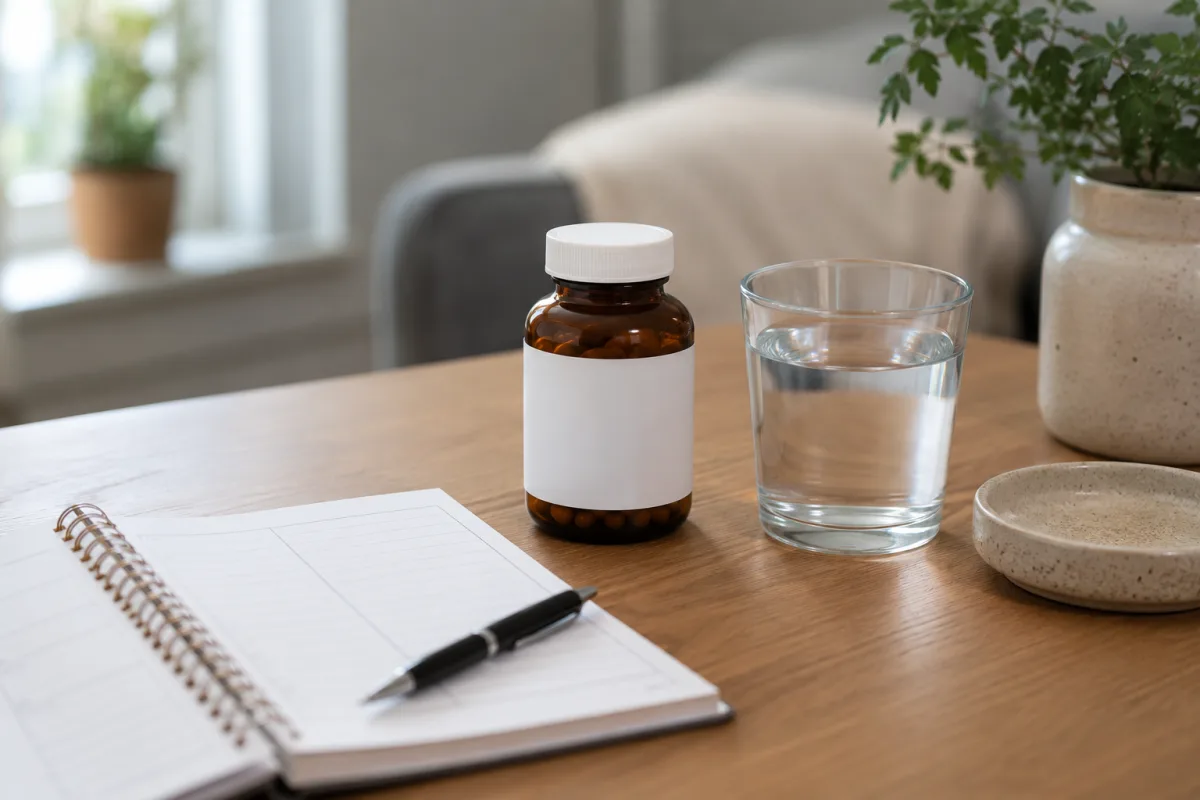
Mayo Clinic's fertility guidance stresses knowing ovulation and having sex regularly near ovulation: Mayo Clinic fertility timing. It also helps to review smoking, alcohol, medications, weight, sleep, and chronic conditions with a clinician.
If pregnancy may already have happened, Livecub's guide to early signs of pregnancy helps organize early symptoms without overreading every change.
Do Not Wait Too Long For Help
Many couples are told to try for a year, but age, irregular cycles, known reproductive conditions, prior pelvic infection, recurrent miscarriage, or male-factor concerns can justify earlier help.
If trying is causing sadness or stress, Livecub's guide to depression during pregnancy may help name the emotional side before it becomes private shame.
Keep The Relationship In The Plan

Timed sex can start to feel clinical. Livecub's guide to staying intimate during pregnancy is relevant because closeness can get lost when every cycle becomes a test.
If nausea, food changes, or a positive test follows, Livecub's guide to bland pregnancy meals can help with early meal planning.
Keep The Dates In One Place
Write down the first day of the last period, positive test dates, cycle length if known, ovulation test dates, fertility treatment dates, bleeding, pain, and any ultrasound dates.
A single note prevents the same question from being rebuilt at every visit. It also helps a partner or support person give accurate information if you are tired or stressed.
Ask What Would Change The Answer
For tips for how to become pregnant, the useful visit question is: what detail would change the advice? That might be cycle length, timing of sex, missed pills, bleeding, pain, medication, age, or a prior pregnancy issue.
This keeps the plan personal. General guidance is a starting point, not a replacement for care that knows the whole timeline.
Know When To Call Quickly
Call for severe pelvic pain, heavy bleeding, fainting, shoulder pain, chest pain, trouble breathing, fever, or symptoms that feel sharply different from your usual pattern.
If pregnancy is possible and pain is one-sided or severe, do not wait for a home test to become clearer.
Do Not Let Apps Overrule Your Body
Cycle apps can help organize dates, but they estimate. Stress, illness, irregular cycles, postpartum hormones, travel, and medication can move ovulation or bleeding patterns.
Use an app as a notebook, not as proof. Bring the data to the clinician when the answer matters.
Keep Sex And Timing Human
Trying to conceive or avoiding pregnancy can make sex feel like a schedule. If the process is creating pressure, talk about it before resentment builds.
A practical plan should leave room for rest, consent, affection, and ordinary life.
Check Medicines And Supplements
Ask before starting fertility supplements, herbs, high-dose vitamins, emergency contraception repeats, or leftover prescriptions. Natural does not always mean safe or useful.
Take photos of labels when asking the clinic or pharmacist. Ingredient names and doses matter more than brand promises.
Plan The Next Test Or Visit
Do not leave the next step vague. Ask whether to retest, when to test, whether blood work is useful, and what symptom should move the plan from routine to urgent.
A clear next step lowers the urge to keep searching late at night.
Protect The Emotional Side
Tips for How to Become Pregnant can carry hope, worry, guilt, or impatience. Those emotions are real data about how the process is affecting daily life.
If the question is changing sleep, appetite, work, or relationships, bring that up too. Reproductive health includes the mental load.
Use Simple Language With Clinicians
You do not need medical wording. Say what happened, when it happened, what you took, what the test showed, and what scares you.
Plain, accurate details are more useful than trying to sound technical.
Review The Plan Later
Advice about tips for how to become pregnant can change after a test result, a missed period, an ultrasound, or a new symptom. Save the latest answer where you can find it.
Old advice can become wrong when the timeline changes. Recheck instead of guessing.
Separate Facts From Guesses
Keep one column for facts and one column for guesses. A fact might be the date bleeding started, the date sex happened, the day a test turned positive, or what an ultrasound report says.
A guess might be the day ovulation happened, why a symptom appeared, or what a late period means. Separating the two keeps the next decision calmer and easier to discuss.
Bring The Exact Timeline
Before a call or visit, put the dates in order instead of telling the story from memory. Include missed pills, emergency contraception, fertility medicines, bleeding, pain, fever, and test results.
Screenshots can help, but a plain written timeline is faster for a clinician to read. The goal is not perfect formatting; the goal is fewer missing details.
Ask For The Next Decision Point
A good care plan should say what happens next if the test is negative, positive, unclear, early, late, or paired with new symptoms. That keeps the plan from ending with vague waiting.
Write down the exact day to test again, the symptom that changes the plan, and the phone number to use after hours.
Use Online Tools As Organizers
Calculators, trackers, and forums can help organize questions, but they cannot see your medical history. Treat them as note-taking tools, not as a final answer.
If a tool gives a date that conflicts with ultrasound, cycle history, or clinical advice, ask which date should guide care and why.
Include The Other Person Without Losing Privacy
A partner can help remember dates, drive to visits, pick up tests, or hear instructions. That support is useful only when it respects the pregnant person's privacy and choices.
If a topic feels tense, decide ahead of time what can be shared in the room and what should be discussed privately with the care team.
Keep The Plan Small Enough To Follow
Tips for How to Become Pregnant can quickly turn into too many tabs, guesses, and late-night searches. Reduce the next step to one or two actions you can actually finish.
For example: call the clinic, retest on a set date, write down symptoms, check a medication label, or ask whether a same-day visit is needed.
Keep One Short Note
After reading, write a short note in your own words: what is known, what is uncertain, what you plan to do next, and who needs to know.
This step turns a long article into a decision you can revisit. If the note feels unclear, the next action probably needs to be smaller.
Decide What Can Wait
Not every detail needs action today. Sort the issue into now, soon, and later so urgent items do not get buried under shopping, planning, or worry.
The now list should be short. It may be one call, one measurement, one question, one appointment, one safety change, or one honest conversation.
Watch For The Exception
General advice works only until an exception appears. Pain, safety concerns, money limits, school rules, medical history, family conflict, or access barriers can change the right answer.
Name the exception early. A plan that ignores the hardest detail usually fails at the exact moment it is needed.
Share Only What Helps
Advice from family, friends, social feeds, and forums can be kind, but too many opinions can blur the next step. Share the question with people who can help without taking over.
If a conversation leaves you more confused, return to the facts, the timeline, and the professional or local rule that actually applies.
Remove The Extra Work
Tips for How to Become Pregnant should not create a second full-time job. Remove steps that are decorative, repetitive, unsafe, unaffordable, or based only on pressure.
A smaller plan that gets done is better than a perfect plan that stays in notes. Practical usually wins because people have real limits.
Recheck After New Information
The right answer for tips for how to become pregnant can change after a test result, phone call, meeting, appointment, new symptom, budget change, or family update.
Set a point to recheck instead of carrying old advice forward. The best plans stay editable.
Frequently Asked Questions
When is the best time to have sex to get pregnant?
The highest chance is around ovulation, especially in the few days before ovulation and shortly after it.
Do ovulation apps always work?
They estimate. Cervical mucus, ovulation tests, cycle history, and clinical advice may add context.
Should both partners review health?
Yes. Fertility and pregnancy health can involve both partners, medication use, habits, and medical history.
When should we ask for fertility help?
Ask earlier if age, irregular cycles, known conditions, miscarriages, or other concerns apply.
Can stress stop pregnancy?
Stress alone is not a simple on-off switch, but high stress can affect timing, sex, sleep, and care-seeking.
This article is for general information only and is not medical, pregnancy, labor, or emergency advice. Contact your obstetric care team for personal guidance and call emergency services for urgent symptoms.

Cashie Evans
Covers parenting and practical household topics with clear steps, safety notes and links to current guidance.



Leave a reply
Replying to