
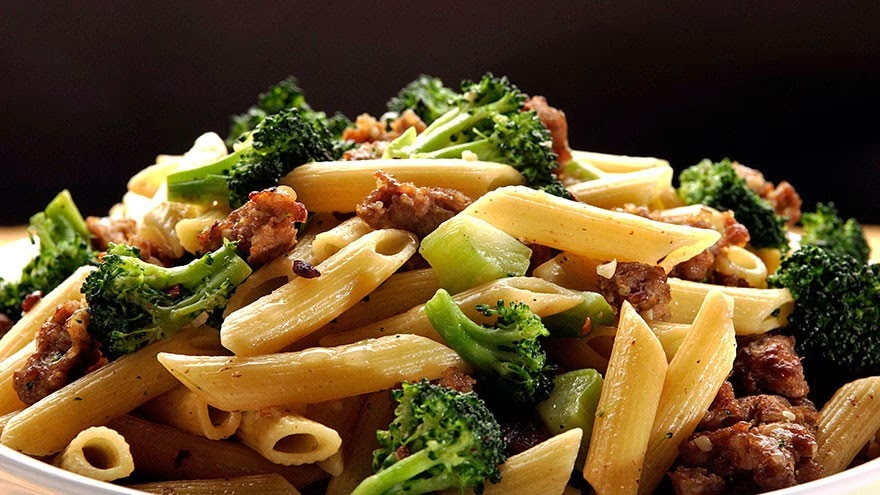
Tips to Lower Calories of Pasta Dishes work best when they keep the meal satisfying. A tiny bowl of plain noodles rarely lasts; a generous bowl with vegetables, protein, and a smarter sauce usually does.
Pasta is not the enemy. The calorie load usually comes from oversized portions, heavy cream sauces, lots of oil, cheese added by habit, and a missing protein or vegetable anchor.
Start With The Portion Before The Sauce
Most pasta plates are built backward: a mountain of noodles first, then sauce, then maybe vegetables. Flip the order. Decide the pasta amount, add vegetables, add protein, then sauce lightly enough that the meal still tastes like itself.
USDA MyPlate's grain guidance encourages making at least half of grains whole grains: USDA MyPlate grains. Whole-wheat pasta is not lower in calories by magic, but the extra fiber can make the portion more satisfying.
If you use regular pasta, measure it once or twice to retrain your eye. After that, you may not need the measuring cup every night.
Bulk The Bowl With Vegetables
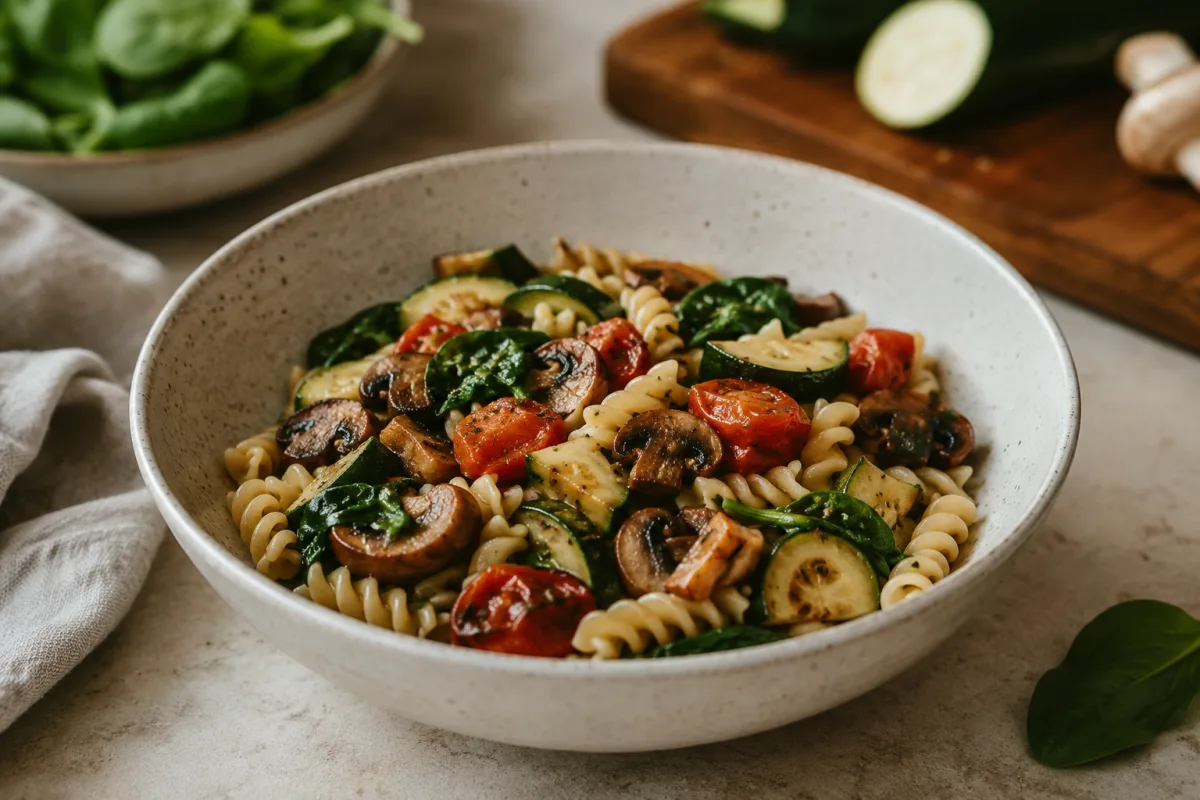
Vegetables lower calorie density because they add volume, water, fiber, color, and chewing time. Zucchini, mushrooms, spinach, broccoli, peas, peppers, tomatoes, eggplant, and cauliflower all work with pasta without making the dish feel like a diet plate.
A good target is equal volume vegetables and cooked pasta. For creamy dishes, add mushrooms and spinach. For tomato sauce, add zucchini, peppers, or eggplant. For pesto, add green beans, peas, or roasted broccoli.
If you want a more dramatic change, pasta substitutes can help you use zucchini noodles, spaghetti squash, chickpea pasta, or vegetable-heavy mixes without pretending they all taste the same.
Use Protein To Make The Meal Last
Protein changes how the meal lands. Chicken, tuna, shrimp, turkey meatballs, beans, lentils, tofu, cottage cheese, or Greek yogurt-based sauces can turn pasta from a quick starch bowl into dinner.
CDC's healthy eating guidance points toward lean proteins and limiting saturated fat, added sugars, and sodium: CDC healthy eating guidance. That translates well to pasta: use more beans, fish, poultry, or lean meat and less sausage, cream, and butter.
This is also where a food log can be useful. If pasta nights leave you hungry two hours later, writing a food journal may reveal that the missing piece is protein, not willpower.
Thin Rich Sauces Without Losing Flavor
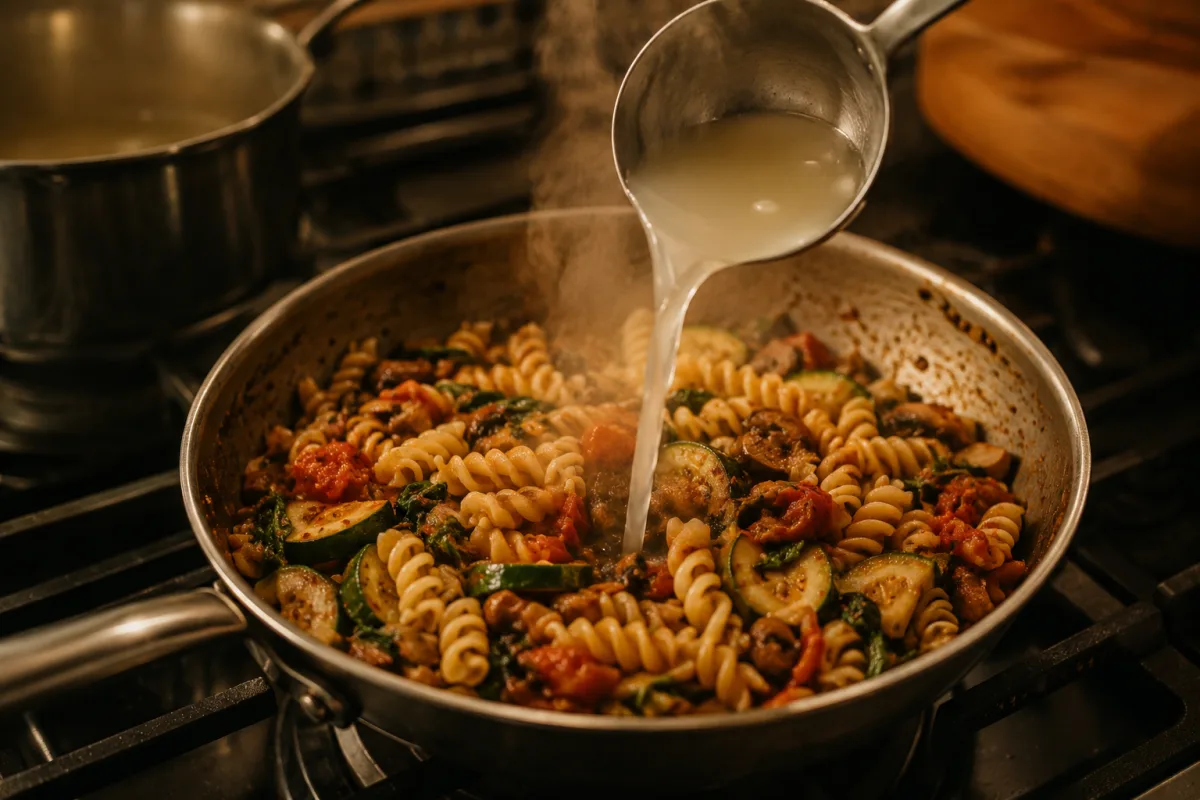
Cream sauce is dense because fat carries flavor and calories together. You do not have to remove it; you can stretch it. Use pasta water, broth, tomato, roasted vegetable puree, or Greek yogurt added off heat to make the sauce cling without becoming a puddle.
A small amount of sharp cheese often works better than a large amount of mild cheese. Parmesan, pecorino, feta, or aged cheddar bring more flavor per spoonful. Measure oil for pesto and aglio e olio; free-pouring is where calories quietly climb.
Acid helps too. Lemon juice, vinegar, capers, tomatoes, or a small spoon of mustard can make a lighter sauce taste brighter without adding much energy.
Pick Pasta Shapes That Help Control Serving
Long strands can make portions hard to judge. Short shapes such as penne, rotini, shells, and farfalle mix more evenly with vegetables and beans, so every forkful has more than noodles.
Stuffed pasta, baked ziti, and lasagna can be harder because cheese and oil are built in. Keep those dishes, but serve them beside a big salad or roasted vegetables instead of garlic bread plus another starch.
For a hearty non-pasta meal on another night, easy Yugoslavian chicken can give the week a protein-forward dinner so pasta does not carry every comfort-food craving.
Use Leftovers On Purpose
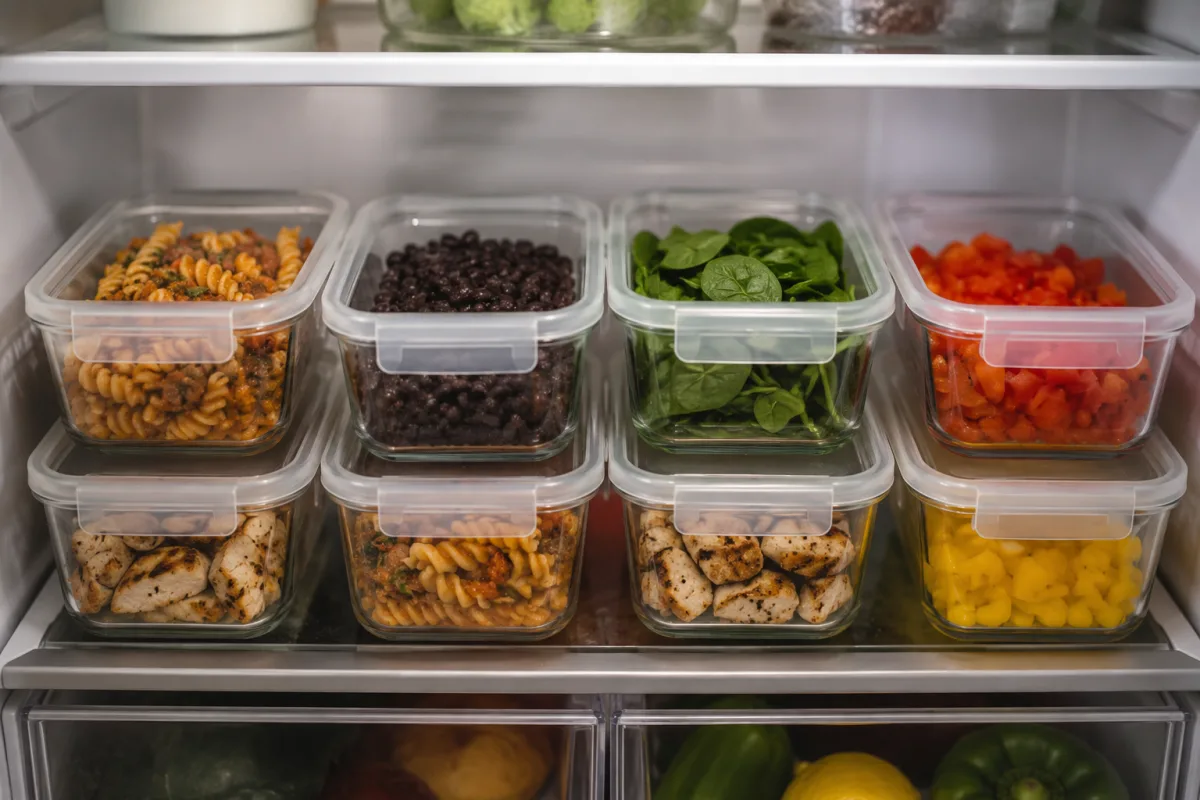
Pasta leftovers often become extra pasta because the sauce is already mixed in. Before storing, divide servings into containers and add vegetables or protein if the original meal was light on them.
Cold pasta salads can be balanced with beans, tuna, chopped vegetables, herbs, and vinaigrette. Reheated pasta can get a handful of spinach or frozen peas stirred in while it warms.
Dessert does not need to disappear, but it should be counted as dessert, not as part of the pasta fix. If a meal ends with something rich, a recipe like fudge icing belongs in a deliberate portion rather than an open bowl beside the stove.
A Lower-Calorie Pasta Formula
Use a formula until the habit becomes automatic: one measured pasta portion, two handfuls of vegetables, one protein, one flavor booster, and one measured fat. That structure leaves plenty of room for taste while stopping the bowl from becoming mostly noodles and oil.
The vegetables do not need to be fancy. Frozen spinach, peas, broccoli, mushrooms, canned tomatoes, and roasted peppers can all work on a weeknight. Keep them easy enough that you will actually add them.
Protein can be leftovers. A few slices of chicken, a scoop of beans, tuna, lentils, shrimp, or tofu can change the meal without adding much cooking time. If the pasta is the only thing in the bowl, hunger often comes back quickly.
Flavor boosters make lighter pasta feel intentional. Use garlic, chili flakes, basil, parsley, lemon zest, black pepper, capers, olives, a small amount of sharp cheese, or toasted breadcrumbs. Small, strong flavors beat large amounts of bland fat.
Plate the food before serving. Family-style pasta bowls invite silent seconds because the spoon is already there. A plated portion with salad or vegetables beside it gives your eyes a clearer stopping point.
If you want seconds, take vegetables and protein first. If you still want more pasta after that, take a small amount and enjoy it. The point is control, not punishment.
Use the sauce as a coating, not a soup. A glossy spoonful that clings to the pasta usually tastes better than a bowl swimming in cream or oil. Tossing pasta with sauce in a hot pan helps every piece get flavor without needing extra ladles.
Salt the cooking water, then taste before adding salty toppings. Bacon, sausage, olives, capers, anchovies, parmesan, and jarred sauce can stack sodium quickly. A squeeze of lemon or a handful of herbs can wake the dish up without another salty layer.
Choose one rich element. If the sauce is creamy, skip the sausage. If the cheese is generous, keep the oil measured. If the pasta is baked with cheese, put a crisp salad beside it instead of bread.
Restaurant pasta needs its own tactic. Ask for a to-go container early, split the serving, or share a salad first. Many restaurant portions are built for value and drama, not for a normal weeknight appetite.
Texture helps satisfaction. Add toasted breadcrumbs, roasted vegetables, or a small amount of nuts instead of more cheese. A meal that crunches and chews slowly often feels larger than its calorie count.
Do not make every swap at once. Whole-wheat pasta, less sauce, more vegetables, and no cheese may be too many changes for one dinner. Start with the change that affects the dish least, then adjust again next time.
A tomato sauce can take a lot of vegetables without tasting crowded. Grated carrot, mushrooms, onions, peppers, spinach, and lentils melt into the background while adding bulk. That is often easier than serving vegetables on the side to someone who skips them.
For creamy pasta, keep heat gentle after adding yogurt or milk-based sauces. High heat can split lighter sauces and make them seem disappointing. Lower heat, pasta water, and quick tossing protect texture.
If a lighter version tastes flat, fix seasoning before adding more fat. Most disappointing pasta needs salt balance, acid, herbs, or heat, not another pour of oil.
Frequently Asked Questions
Should I stop eating pasta to lose weight?
Not necessarily. Portion size, sauce, protein, vegetables, and total meal pattern matter more than pasta alone.
Is whole-wheat pasta lower in calories?
Often it is similar in calories, but it brings more fiber, which may make the same portion more satisfying.
What is the easiest calorie cut?
Measure oil and cheese. Those are easy to overuse and can change the meal's energy quickly.
Are vegetable noodles better?
They are lower in calories but not identical to pasta. Many people do better mixing them with pasta rather than fully replacing it.
How can I make pasta more filling?
Add lean protein, beans, vegetables, and a sauce that clings without drowning the dish.
This article is for general information only and isn't a substitute for medical advice. Talk to a clinician who knows your full history before making changes.

Cashie Evans
Covers parenting and practical household topics with clear steps, safety notes and links to current guidance.




Leave a reply
Replying to