
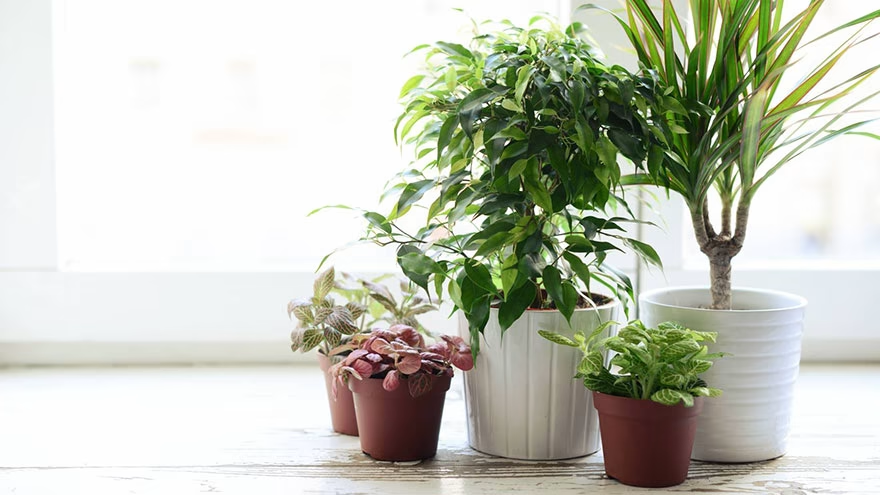
Good Office Plants Fit the Office First
What are good office plants? The answer depends less on a trendy plant list and more on the office itself: light, temperature, watering access, desk space, building rules, pets, allergies, and how often someone will actually care for the plant.
A good office plant is not the most dramatic one. It is the one that can survive Monday through Friday without becoming a chore for everyone nearby.
The best desk plant matches the routine. Choose for reality, not the photo.
Start With Light, Not Looks
Office light can be tricky. A desk near a bright window is different from a cubicle under fluorescent lights. Plants that tolerate lower light still need some light; they are not decorations for a dark closet.
The University of Minnesota Extension's houseplant care guidance explains how light, water, containers, and humidity shape indoor plant health. Use those basics before buying.
For workspace setup more broadly, Livecub's How to Personalize Your Office Cubicle Space at Work fits naturally because plants are one part of a workable desk.
Choose Low-Maintenance Plants
ZZ Plant
ZZ plants tolerate lower light and missed watering better than many office plants. They are a good choice for someone who wants greenery without daily attention.
Pothos
Pothos is popular because it grows easily, trails nicely, and recovers from imperfect care. It still needs trimming and should not be left to crawl across shared work surfaces.
Snake Plant
Snake plants handle dry indoor air and missed watering well. Their upright shape works on floors, file cabinets, or larger desks.
Peace Lily
Peace lilies can handle indoor settings and show thirst clearly, but they need more attention than a ZZ plant and may not suit every office.
Water Less Than You Think
Overwatering kills many office plants. People water because they remember the plant exists, not because the soil needs it. Check the soil before watering and use pots with drainage when possible.
Set a simple schedule, but let the plant and soil override the calendar. A plant near heat vents may dry faster than one in a cooler corner.
Care should be calm and repeatable. If the plant needs constant rescuing, it is the wrong office plant.
Think About Plant Safety
Some common houseplants can be toxic to pets if chewed. That may matter in pet-friendly offices, home offices, or workplaces where employees bring dogs.
The ASPCA's toxic and non-toxic plant list is a useful reference when pets may have access. If in doubt, choose a safer plant or keep it out of reach.
For workplace setup context, Livecub's How to Personalize Your Office Cubicle Space at Work is a reminder that desk choices should fit shared rules.
Keep Shared Spaces in Mind
A plant on your desk is still in a shared environment. Avoid strong scents, messy soil, water leaks, fungus gnats, sprawling vines, or plants that block sightlines.
Use a saucer, wipe spills quickly, and do not water over paperwork, cords, or shared electronics. If the plant sheds leaves, clean them up.
Office plants should make the space easier to be in. They should not create work for someone else.
Use the Right Container
A pretty pot without drainage can turn into a root-rot problem. If you use a decorative cachepot, keep the plant in a nursery pot inside it and remove standing water after watering.
Choose a container that will not tip easily. Tall plants in light pots can fall when someone bumps a desk or cart.
The University of Illinois Extension's houseplant selection guidance is useful for matching plants to indoor conditions rather than buying only by appearance.
Know When a Fake Plant Is Better
Some offices have no suitable light, strict cleaning rules, allergy concerns, or no one willing to water. In that case, a good artificial plant may be better than a dying real one.
There is no moral victory in keeping a struggling plant on a desk. Choose the version that fits the workplace.
For general office comfort habits, Livecub's How to Stay Awake at Work in 5 Steps shows how small environmental choices can affect the workday.
Match Plants to Desk Size
A tiny desk needs a tiny plant. Large leaves, trailing vines, and heavy pots can crowd keyboards, paperwork, phones, and shared counters.
Use vertical space carefully. A plant on a shelf or file cabinet may work better than one beside a monitor, but only if it cannot fall onto people or equipment.
The plant should not compete with the work. It should soften the space without taking over.
Watch for Common Office Plant Problems
Yellow leaves can mean overwatering, underwatering, poor light, or stress from temperature changes. Brown tips can come from dry air, inconsistent watering, mineral buildup, or damage.
Fungus gnats often appear when soil stays too wet. Letting the top layer dry, improving drainage, and avoiding constant small waterings can help.
A plant problem is feedback. It is not a reason to keep doing the same care routine.
Set Ownership Before Buying
Shared office plants need an owner. If everyone is responsible, usually nobody is. Decide who waters, who trims, who handles pests, and what happens during vacations.
For a personal desk plant, keep care supplies small and tidy. A watering can, cloth, or soil bag should not become another clutter problem.
Pick Plants for Vacation Gaps
Office plants often suffer during holidays, remote weeks, conferences, and long weekends. Choose plants that can tolerate missed care if nobody is assigned to water them.
Before a long break, water appropriately, move plants away from harsh heat or cold drafts, and ask one person to check only the plants that truly need it.
A plant that cannot survive your schedule is the wrong plant.
Avoid Pest Problems Early
Fungus gnats, sticky residue, and webbing can annoy coworkers quickly. Check new plants before bringing them to the office, and isolate a plant at home if it looks questionable.
If pests appear, act early or remove the plant. A shared workplace is not the place to run a long pest experiment.
Plants Should Fit Cleaning and Facilities Rules
Some offices limit plants because of cleaning routines, water damage, security, pests, or shared-desk policies. Ask before bringing a large plant or placing one in a common area.
Facilities staff should not have to move heavy pots or clean leaked water because a plant owner was not thinking ahead.
Use Plants to Soften, Not Hide, the Workspace
A plant can make a desk feel calmer, but it should not block cameras, vents, exit signs, nameplates, shared screens, or customer sightlines. In open offices, keep plants below eye level unless the space is designed for taller greenery.
Large floor plants belong where people will not trip over pots, cords, saucers, or fallen leaves. If a plant changes a walkway, it is in the wrong place.
Good placement is part of plant care. A healthy plant in a bad spot is still a bad office choice.
Rotate or Replace Without Guilt
Office plants sometimes decline because the space is too dark, too dry, too cold, or too inconsistent. If care changes do not help, take the plant home, move it to a better spot, or replace it with a tougher option.
Do not leave a dying plant on a shared desk for months. It makes the space feel neglected and may invite pests.
Start With One Plant
It is tempting to buy several plants at once, but one plant teaches you the light, watering rhythm, and office tolerance. Add more only after the first one is stable.
That slow approach avoids turning a desk into a plant hospital.
It also makes it easier to notice which plant actually improves the space.
One healthy plant usually looks better than several neglected ones crowded together.
Frequently Asked Questions
What is the easiest office plant?
ZZ plants and snake plants are often good low-maintenance choices, especially when light and watering are limited.
Can plants grow under office lights?
Some can tolerate office lighting, but most still need adequate brightness. Watch for weak growth or yellowing.
How often should I water an office plant?
Check the soil instead of watering by habit. Many office plants need less water than people expect.
Are office plants safe for pets?
Some are not. Use a plant safety reference if pets may have access, and keep questionable plants out of reach.

Tory Stearns
Edits practical household, travel and lifestyle explainers. Claims that can change are linked to current primary or subject-authority sources.




Leave a reply
Replying to