
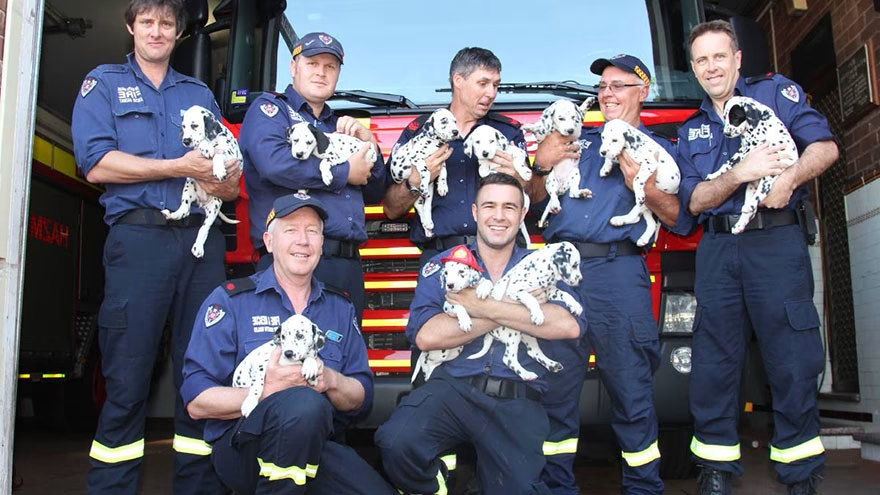
The Dalmatian did not become a firehouse symbol because of a cartoon, a spotted coat, or a cute station photo. The association started with horses. Before motorized fire engines, teams pulled heavy pumps through crowded streets, and a fast, steady dog that understood horses could help the crew move, guard the apparatus, and stay calm around noise. That is the short answer to why Dalmatians are associated with firemen.
Why did Dalmatians work with horse-drawn fire engines?
Dalmatians were already known as carriage dogs before they became firehouse dogs. They could run alongside horse-drawn coaches, stay near the team, and help protect horses and property during stops. Fire companies used the same traits because early fire equipment moved like a working carriage under pressure.
The American Kennel Club's history of the breed explains how Dalmatians became natural companions for brass-trimmed fire engines pulled by horses. The AKC Dalmatian history page is useful because it ties the firehouse role back to carriage work rather than treating it as a mascot story.
That horse connection also explains why the breed's endurance mattered. A dog had to run with the rig, handle city streets, and stay near the horses after arrival. A decorative dog would not have lasted long in that job.
Early fire runs were loud, fast, and crowded. A dog that could stay with horses without nipping, spooking, or drifting into wheels had practical value. The Dalmatian's old coach-dog role made that pairing believable in a way that a slower or less horse-aware breed would not have matched.
Were Dalmatians used because they were deaf?
No. The common siren-and-deafness story is a myth. Dalmatians can have congenital hearing issues, but deafness is not why firehouses chose them. The useful qualities were stamina, horse sense, guarding instinct, visibility, and trainability around apparatus.
The Dalmatian Club of America Foundation notes that Dalmatian hearing status can be tested with BAER screening and that puppies either can or cannot hear within the first weeks of life. Its Dalmatian hearing guidance is a better source than repeating the old rumor.
The myth survives because it sounds tidy. A true history is messier: horse-drawn equipment, crowded streets, station life, property protection, and a breed that had already earned a reputation around coaches.
What made the breed suited to firehouse work?
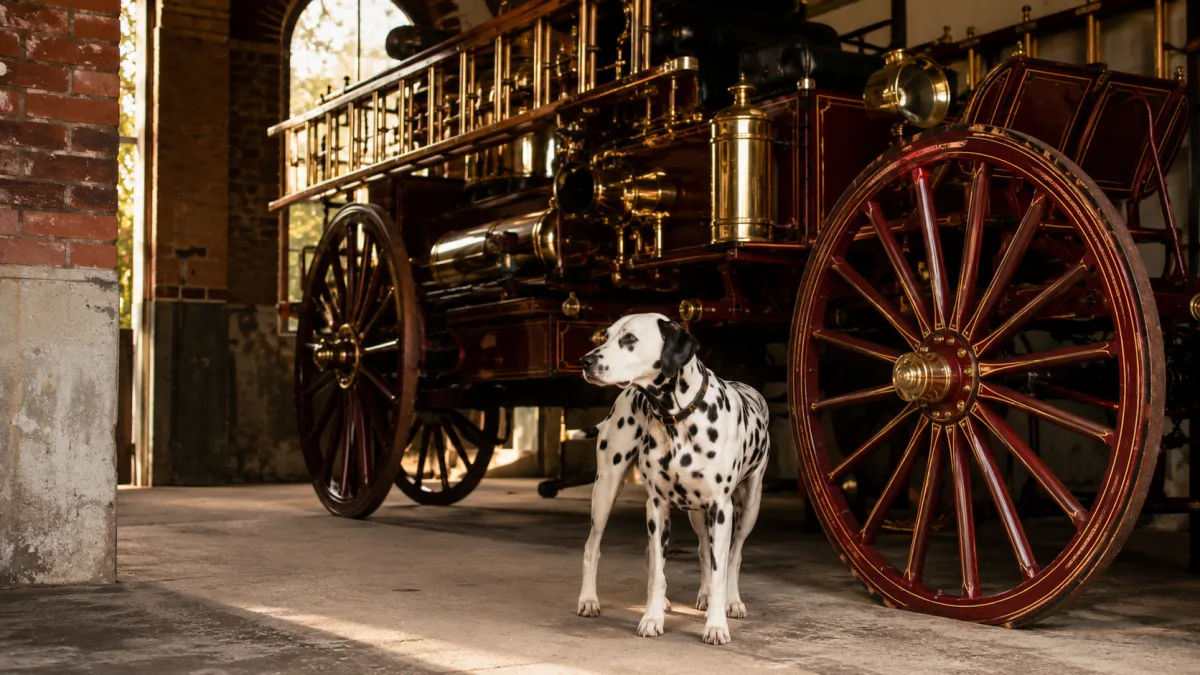
Dalmatians are athletic, alert, and built for sustained movement. They also have a history of stable and coach work, so the firehouse did not ask them to learn a completely foreign job. A good firehouse dog had to read horses, people, wheels, shouts, smoke, and motion without falling apart.
Their coat helped too, but not in the way people often assume. The spots made the dog easy to identify in a busy street or station yard. Recognition became part of the public image later, but visibility was practical long before it became branding.
If you are comparing breed traits beyond the Dalmatian story, Livecub's guide to large dog breeds is a reminder that size alone never explains a working role. Temperament, stamina, and the job's environment matter more.
A station dog also needed social stability. Firehouses brought strangers, children, horses, metal gear, wet floors, and sudden alarms into one place. Noise tolerance and recovery mattered as much as speed, because a panicked dog would create another hazard.
That does not mean every Dalmatian would have been suited to the work. Individual temperament, training, and handling still mattered. The tradition describes a breed pattern, not a guarantee attached to every spotted puppy.
Why did the job change after motor fire trucks arrived?
Motorized apparatus removed the horse from the center of the firehouse. Once engines no longer needed teams of horses, the Dalmatian's working function faded. The dog no longer had to run beside the rig, guard a team, or settle horses during a chaotic stop.
That did not erase the symbol. Firehouses kept Dalmatians as station dogs, companions, and public-facing reminders of the older service. Traditions often survive when the original tool disappears, especially when the image is easy for children and communities to recognize.
The job shifted from movement to memory. A Dalmatian in a firehouse now points backward to horse-drawn equipment and forward to fire prevention education.
The change also made the image safer than the old job. Running dogs near modern traffic, diesel rigs, and emergency scenes would be reckless in many places. A mascot can honor the history without putting a dog in the middle of a response.
Some departments also preserve the image through artwork, station patches, antique apparatus displays, and school programs rather than a live dog. That choice can be more realistic for departments with shift changes, allergies, kennel limits, or no staff member able to take full responsibility for daily care every single day.
What does a firehouse Dalmatian do now?
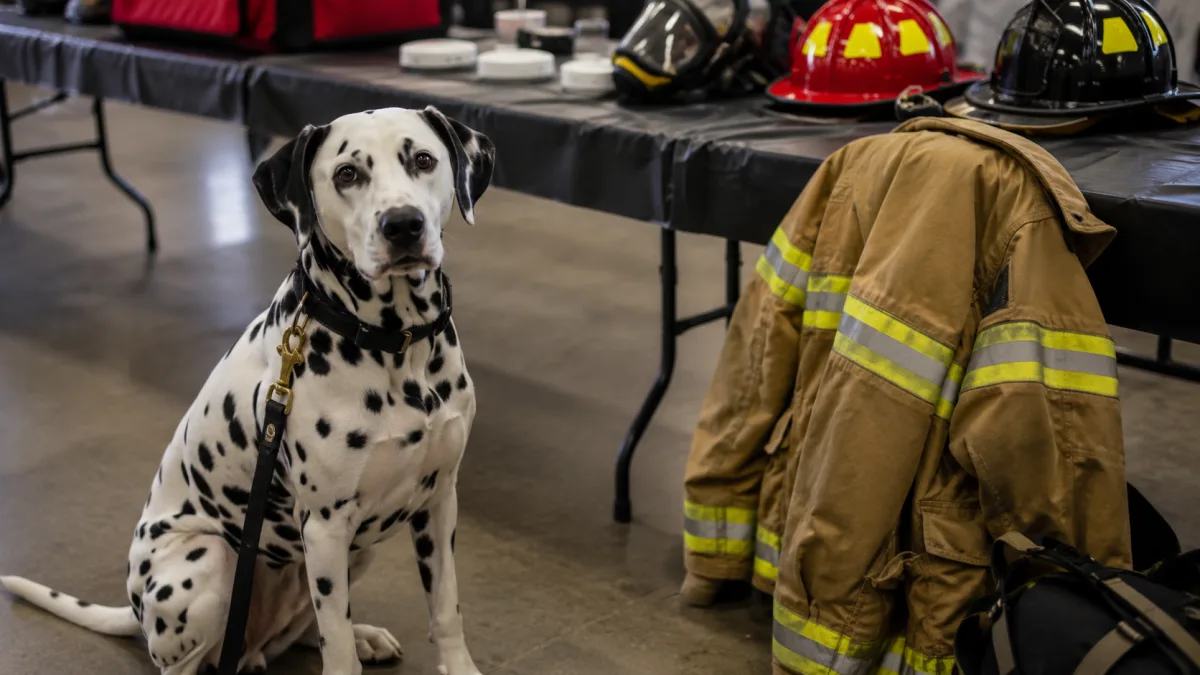
Most firehouse Dalmatians today are mascots, station companions, or education partners. They may appear at open houses, school visits, parades, and fire prevention events. Their value is not pulling a rig; it is helping people remember the message.
NFPA's fire safety mascot is a Dalmatian named Sparky. The NFPA Sparky the Fire Dog page shows how the breed's image became part of public fire safety education, not just station nostalgia.
That public role needs careful handling. A live dog at an event should be trained, comfortable with crowds, and protected from heat, noise, and rough handling. The symbol is old; the welfare obligation is current.
Is a Dalmatian a good pet for every firefighter or family?
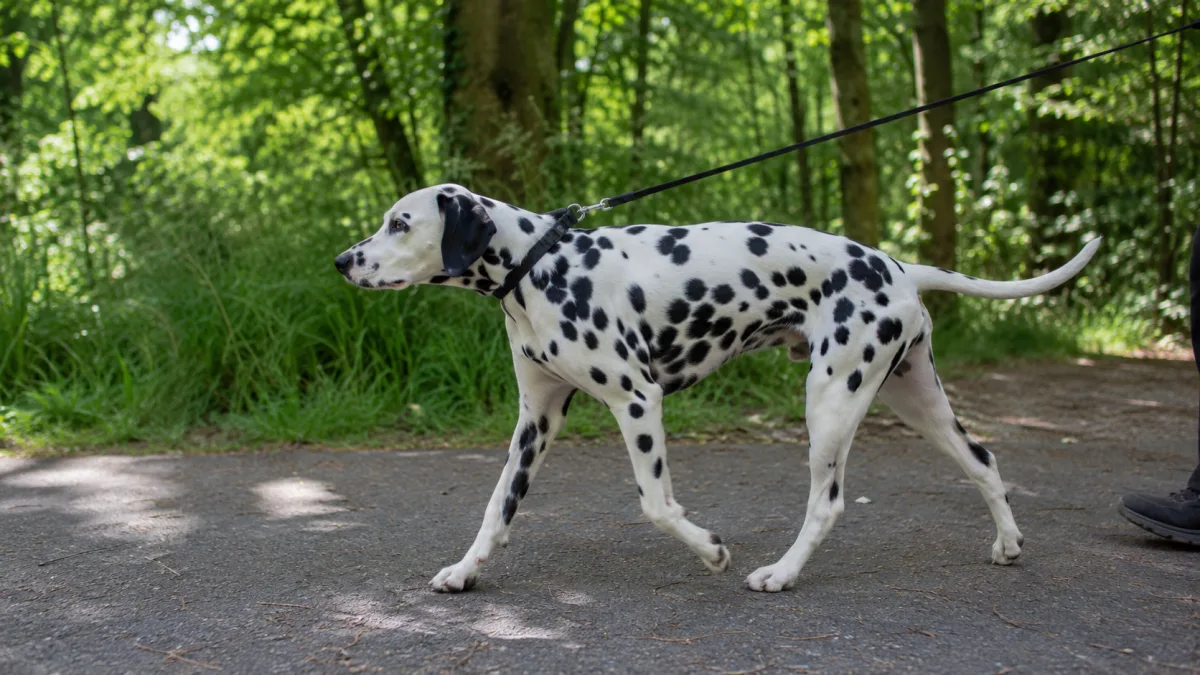
No breed tradition guarantees an easy pet. Dalmatians can be energetic, smart, and affectionate, but they also need exercise, training, socialization, and a household that understands their drive. A family should not choose one only because it likes firehouse history.
Coat care is simple compared with some breeds, but shedding is real. If grooming expectations are part of the decision, Livecub's longhair Dachshund grooming guide shows how different coat types create very different household chores.
Match the dog to the life. A Dalmatian may suit an active owner who enjoys training and movement. It may frustrate someone who wants a quiet ornament with spots.
Health screening belongs in the decision too. Hearing status, urinary health discussions, exercise needs, and breeder or rescue support are more useful than a romantic station image. A good adoption conversation should feel practical, not rushed.
How does the tradition help fire safety education?
Children remember images before they remember procedures. A spotted dog next to a firefighter gives educators a friendly way into serious lessons: smoke alarms, safe exits, stop-drop-and-roll, and calling emergency services only for emergencies.
The dog is not the lesson by itself. The lesson works when the mascot supports clear instruction and repeated practice at home or school. A firehouse mascot can start attention, but adults still need working smoke alarms and an escape plan.
Breed recognition can also help rescue conversations. Many people fall in love with a look before learning daily needs, so responsible adoption should include hearing checks, exercise expectations, and breeder or rescue screening. For another breed-specific ownership lens, Livecub's Maltese questions guide shows why popularity should never replace research.
Good education keeps the dog in proportion. The mascot opens the door, but the family action happens afterward: test alarms, draw exits, practice a meeting place, and teach children not to hide from firefighters in gear. The symbol should lead to a drill, not just a photo.
That is why the old firehouse link still works. It gives departments a familiar image, then gives parents and teachers a chance to turn attention into a household habit that can be practiced before any emergency.
Frequently Asked Questions
Did Dalmatians really run with fire engines?
Yes. Their firehouse role grew from carriage work, so running with horse-drawn fire engines was part of the old job.
Are Dalmatians fire dogs because sirens do not bother them?
No. That is a myth. The tradition began before modern sirens and centered on horses, endurance, and guarding work.
Do firehouses still keep Dalmatians?
Some do, but usually as mascots or companions rather than working dogs. Many departments use the image mainly for education.
Are all Dalmatians deaf?
No. Some Dalmatians have congenital hearing issues, but many hear normally. Responsible owners and breeders use BAER testing.
The real story is practical: Dalmatians were horse-friendly carriage dogs that fit the old firehouse. The mascot came later.

Timothy Davidson
Edits step-by-step general-interest guides for clarity, realistic limits and source verification.

Leave a reply
Replying to