
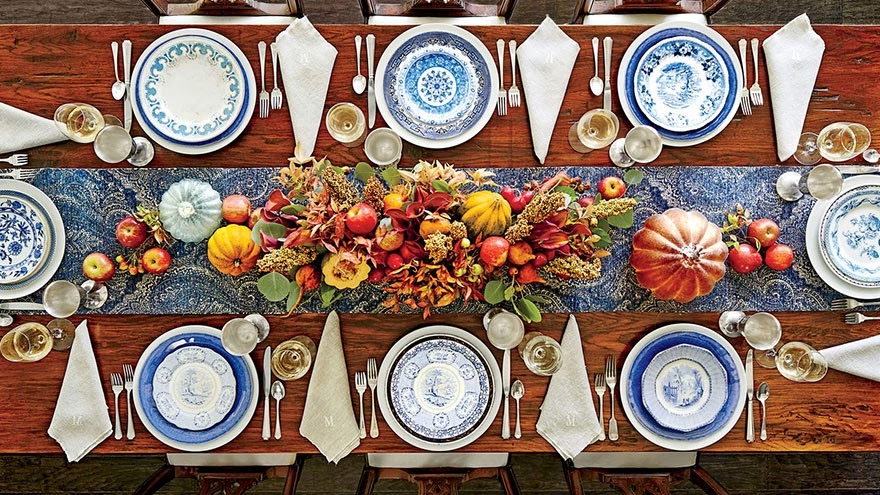
Thanksgiving Gets Easier When the Decisions Are Early
4 smart tips for an organized Thanksgiving sounds simple, but the real work is not only cooking. It is chairs, thawing, refrigerator space, dietary needs, serving spoons, trash bags, and knowing which dish goes into the oven first.
The meal feels calmer when the decisions are made before the kitchen is hot. Nobody wants to count forks while gravy is thickening or discover a frozen turkey on Thanksgiving morning.
Organization is not fussiness here. It is the difference between hosting and sprinting.
Count Seats Before You Count Recipes
Start with people, not food. Count adults, children, high chairs, and anyone who may drop in late. Then count chairs, plates, forks, glasses, napkins, and serving pieces.
If you need a folding table, borrow or buy it early. Set it up the day before if possible so you can see whether people can move around the room. A crowded table can be charming; a blocked walkway is just annoying.
For a dessert table, keep the setup tight and practical. Livecub's Ultimate Guide to Cookie Displays can help you think about trays, height, and serving order without turning dessert into clutter.
Assign Jobs Before Guests Arrive
Guests often ask how they can help, but the question is least useful when the kitchen is crowded. Decide early which jobs can be handed off: filling water glasses, taking coats, lighting candles, moving chairs, or putting rolls in a basket.
Give people finished tasks. Do not ask a guest to manage a recipe unless they already know the kitchen and the timing. Small jobs make people useful without creating traffic around the stove.
Children can help too if the work is clear. Folding napkins, setting spoons, carrying sealed containers, or sorting place cards can keep them included without putting them near knives or hot pans.
Ask About Dietary Needs Directly
Do not wait until guests arrive to learn about allergies, vegetarian needs, diabetes concerns, gluten restrictions, or foods someone cannot eat for religious reasons. Ask directly, then write the answers down.
You do not have to redesign the whole meal for every preference. You do need at least a few clearly safe options and a way to avoid cross-contact for serious allergies.
Labels help more than speeches. A small card near a dish can say contains nuts, vegetarian, gluten-free, or dairy. Keep the wording plain and accurate.
Thaw the Turkey on a Calendar
A frozen turkey needs more time than many hosts expect. The USDA FSIS safe Thanksgiving guide recommends refrigerator thawing with about 24 hours for every 4 to 5 pounds of turkey.
Put the turkey in a tray or pan while it thaws so juices do not leak onto other foods. Keep it in the refrigerator, not on the counter. If you need faster thawing, use official cold-water guidance and cook the turkey right after thawing.
Turkey is not the only option, but the same planning rule applies to large birds. Livecub's How to Cook Goose is a useful reminder that holiday roasts need thawing, timing, and resting time.
Map the Oven and Stove
Write every dish on a sheet of paper with temperature, cooking time, and whether it can rest. Then mark which dishes need the oven, stovetop, slow cooker, microwave, or no heat at all.
Many Thanksgiving conflicts happen because four dishes need different oven temperatures at the same hour. Solve that before the holiday. Choose sides that can be reheated, served room temperature, or finished on the stovetop.
The oven is a schedule, not a closet. If you pack it full without airflow, dishes cook unevenly and everything takes longer.
Prep Sides Before the Kitchen Fills
Chop onions, celery, herbs, and bread cubes the day before. Wash greens, trim vegetables, make cranberry sauce, toast nuts, and set out serving dishes with sticky notes for each dish.
Freezer-friendly prep can save the week. Livecub's How to Freeze Fresh Vegetables fits holiday planning because trimmed vegetables and prepped components reduce the number of jobs on Thursday.
If you need a quick nontraditional side or sauce, Livecub's 6 Stir Fry Sauces may not be classic Thanksgiving, but the idea is useful: a measured sauce prepared early is calmer than last-minute improvisation.
Make a Day-Before Reset List
The night before Thanksgiving, reset the kitchen. Empty the dishwasher, clear counters, sharpen the knife you will use most, set out towels, and take inventory of butter, salt, stock, foil, parchment, and trash bags.
The reset list prevents tiny emergencies. Running out of foil is not dramatic until the turkey needs tenting and every drawer is already open.
Put breakfast and snacks somewhere separate so the holiday ingredients are not raided before cooking begins.
Build a Serving Flow
Decide whether food will be plated, served family-style, or arranged as a buffet. Buffet service is easier for large groups, but it needs a clear line, serving spoons, trivets, and a place for people to set drinks while filling plates.
Put plates at the start, napkins and utensils at the end, and sauces near the foods they belong with. Keep traffic away from the oven and sink if possible.
For dessert, make-ahead options are your friend. Livecub's How to Make the Perfect Tiramisu is not traditional, but it shows why a chilled dessert made early can protect the main meal timeline.
Use Thermometers and Timers
The turkey is done when it reaches a safe temperature, not when the skin looks brown. FoodSafety.gov's Thanksgiving advice notes that turkey should reach 165 F in the thickest parts, and stuffing also needs 165 F if cooked inside the bird.
Use more than one timer if needed: one for turkey checks, one for sides, one for rolls, and one for warming gravy. Phone timers are fine, but label them so a mystery alarm does not send everyone searching.
The CDC's holiday turkey safety guidance reinforces the same habit: cook safely, avoid cross-contamination, and refrigerate leftovers on time.
Plan Leftovers Before the Meal Starts
Leftovers are part of Thanksgiving, but they need containers before people are tired. Set out shallow containers, labels, and a marker before dinner. Clear refrigerator space earlier in the day.
FoodSafety.gov's guide to Thanksgiving leftovers recommends storing food within two hours and dividing large portions so they cool quickly.
Send food home only if it has been handled safely. A beautiful container of turkey that sat out all afternoon is not a gift.
Protect the Host After Dinner
Cleanup should have a plan too. Put one person on leftovers, one on dishes, and one on trash if people are willing to help. Clear food first, then worry about the roasting pan.
Keep coffee, tea, or dessert in a separate zone so guests can linger without standing in the middle of cleanup. A smoother ending makes the whole day feel better.
Create a Drink Station
Drinks create traffic if every guest has to enter the cooking area. Set water, glasses, ice, coffee supplies, tea bags, and nonalcoholic options somewhere outside the main work zone.
Refill pitchers before the meal starts. If serving wine, cider, or cocktails, decide who is handling them so the host is not pouring drinks while checking the oven.
A drink station also helps children. Put their cups in a safe spot and keep hot drinks away from the edge of the table.
Add a small towel, bottle opener, spoon, and trash bowl nearby. That keeps spills and wrappers from migrating back into the cooking zone.
Use Coolers for Space, Not Shortcuts
A cooler can help with drinks, extra ice, or sealed items that do not need the main refrigerator. It should not become a vague holding place for warm food that needs real chilling.
Before guests arrive, move canned drinks, bottled water, and sturdy condiments out of the refrigerator if safe to do so. That frees the coldest shelves for turkey, dairy dishes, salads, and leftovers that need quick cooling.
Frequently Asked Questions
When should I start thawing a turkey?
Use refrigerator thawing and plan about 24 hours for every 4 to 5 pounds. Large turkeys may need several days.
How do I keep Thanksgiving organized?
Write a schedule for seating, thawing, oven space, prep, serving, and leftovers. Assign dishes to serving pieces before cooking starts.
What can be made ahead?
Cranberry sauce, pie dough, some desserts, chopped vegetables, toasted nuts, bread cubes, and many casseroles can be prepared ahead.
How fast should leftovers be stored?
Refrigerate leftovers within two hours. Use shallow containers so food cools quickly and safely.

Timothy Davidson
Edits step-by-step general-interest guides for clarity, realistic limits and source verification.

Leave a reply
Replying to