
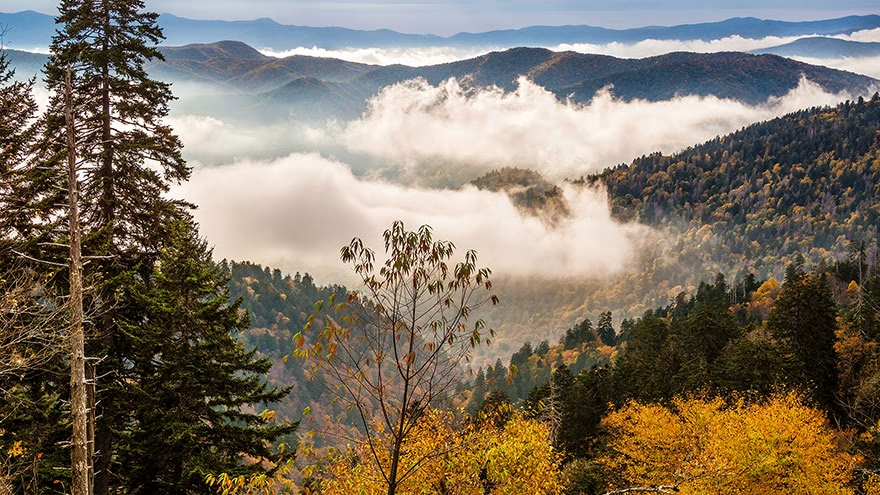
The Smokies Are Famous for Good Reasons
5 Fun Facts About the Great Smoky Mountains should go beyond a quick list. The park is easy to reach, free to enter, biologically rich, culturally layered, and more varied than many first-time visitors expect.
The same place can hold a crowded roadside overlook, a quiet creek, a historic cabin, a bear traffic jam, and a trail where you may not see another person for a while.
That mix is why a simple facts article can be useful before a trip. The best Smokies day is rarely built around one famous stop; it is usually a few realistic choices made with weather, traffic, and energy in mind.
The Smokies reward visitors who look past the first overlook.
The Blue Haze Has a Natural Side
The National Park Service's air profile for Great Smoky Mountains explains that pollution-caused haze differs from the natural blue mist-like clouds that helped give the Smokies their name.
Plants release natural organic compounds, and those compounds can help create the blue-gray look people associate with the mountains. Air pollution can also reduce visibility, so the view tells more than one story.
On clear days, the ridgelines stack into long layers. On hazier days, the mountains can feel softer and closer, but that does not mean visibility is healthy. It is worth reading the sky as scenery and as an air-quality clue.
The haze is beautiful, but clean air still matters.
It Is the Most Visited National Park in the United States
NPS's Great Smoky Mountains National Park page describes the park as America's most visited national park.
That popularity comes from scenery, easy road access, nearby gateway towns, no entrance fee, and the fact that many Americans live within a day's drive.
For another travel topic where arrival and access shape the experience, Livecub's cruise line smoke stack guide is a reminder that how people arrive changes how they travel.
The visitor number also changes the practical rhythm of a trip. Parking can fill early at famous trailheads, short drives can take longer than expected, and a relaxed start sometimes means choosing a quieter corner instead of forcing the most photographed stop.
The Park Is Also a UNESCO World Heritage Site
UNESCO's Great Smoky Mountains listing notes the park's beauty, plant diversity, endangered species, and salamander variety.
The designation helps explain why the Smokies matter beyond weekend tourism. The park protects one of the world's significant temperate landscapes.
It is not only a regional favorite; it has global conservation value.
Biodiversity Is One of the Park's Biggest Stories
National Park Service materials describe the Smokies as the most biodiverse park in the National Park system and note that more than 19,000 species have been documented.
Elevation, rainfall, old forest, coves, ridges, streams, and varied microclimates all help create that richness. Flowers, salamanders, fungi, trees, birds, and insects are part of the story, not background decoration.
For visitors, that means the small stuff deserves time. A wet rock, a decaying log, or a shaded creek edge may hold more life than a wide overlook reveals at first glance.
The park is not just big scenery; it is living detail at ground level.
Many Visitors Stay Close to the Roads
Roadside overlooks, Cades Cove, Newfound Gap Road, visitor centers, and short waterfall paths can get crowded. That does not mean the whole park is crowded.
Start early, use less famous trailheads, and choose weekdays when possible. Even a short walk beyond the main parking area can change the mood of the day.
Livecub's Skyline Drive waterfalls guide fits the same kind of planning: popular scenery often needs timing.
If you are traveling with kids, older relatives, or anyone who does not want a hard hike, build the day around short stops with breathing room between them. A slower route often beats a checklist that keeps everyone in the car.
There Is No Entrance Fee, but Parking Rules Matter
The park does not charge a general entrance fee, which is unusual for a major national park. Visitors still need to check current parking tag rules, campground fees, backcountry permits, and special program reservations.
Free entry does not mean no planning. Bring patience, especially during leaf season, weekends, and holiday periods.
It also means demand can be high on beautiful days. If a parking lot is full, circle less and adapt more. The mountains will still be there after lunch or on another trail.
Historic Communities Are Part of the Park
The Smokies preserve more than mountains and streams. Historic churches, cabins, mills, barns, cemeteries, and old roadbeds reflect families who lived in the mountains before the park was created.
Visit these places with respect. Cemeteries and old homes are not props; they connect to real families and displacement.
Reading a sign at a cabin or mill can change how the landscape feels. The forest may look timeless, but many valleys hold stories of farming, worship, work, isolation, and forced change.
Slow stops often make the history easier to feel.
Black Bears Need Distance
Black bears are one of the park's best-known animals. Seeing one can be exciting, but crowding a bear is dangerous for people and bad for the animal.
Use zoom, stay back, never feed wildlife, and do not block roads for long periods. A bear that learns to approach people may face consequences later.
Food storage matters too. Keep snacks inside the car, use bear-safe practices at campsites, and never leave food scraps near a trailhead. Good wildlife behavior is part of protecting the park.
Wildflowers Are a Major Spring Draw
The Smokies are famous for spring wildflowers, especially in coves and lower-elevation forest paths. Different species bloom at different times, so timing matters.
Stay on trails and do not pick flowers. The next person came to see them too.
A careful spring walk can feel different from a summer overlook trip. Look low, move slowly, and give yourself time to notice small blooms before chasing the next viewpoint.
Waterfalls Are Beautiful but Slippery
Waterfall hikes are popular for good reason, but wet rock and stream edges can be dangerous. Wear shoes with grip, stay behind barriers, and avoid climbing around cascades for photos.
For walking gear choices, Livecub's walking sticks guide can help hikers think about balance before a trail day.
The Weather Changes With Elevation
A warm day in Gatlinburg or Cherokee can feel cooler and windier at higher elevations. Fog, rain, ice, and road closures can also change plans.
Check current park conditions before leaving, pack layers, and keep a backup plan. In the Smokies, a flexible day is usually a better day.
Elevation can change a comfortable plan into a cold one, especially near exposed overlooks and high ridges.
Cades Cove Is More Than a Wildlife Loop
Cades Cove is famous for wildlife sightings, but its real value is the blend of scenery, preserved buildings, valley views, and slow travel. It can be wonderful, and it can also be slow enough to frustrate visitors who expected a quick loop.
Go early, bring water, and treat the drive as part of the visit rather than dead time between stops. If traffic is heavy, one patient loop is better than spending the whole day trying to escape it.
The Appalachian Trail Crosses the Park
The Appalachian Trail runs through the Smokies, which adds another layer to the park's identity. Day hikers may share stretches of trail with long-distance hikers carrying far more than a camera and water bottle.
You do not need to hike far to appreciate that connection. Even a short walk near Newfound Gap can remind visitors that the Smokies are part of a much longer mountain corridor.
Gateway Towns Shape the Trip
Gatlinburg, Townsend, Cherokee, and other nearby towns create very different entry points. Some visitors want restaurants and family attractions close by; others want a quieter base with less traffic.
Choosing the right gateway can matter as much as choosing the right trail. A good base reduces backtracking and makes early starts more realistic.
Leave No Trace Matters Here
Heavy visitation adds pressure to trails, streams, historic sites, and roadside pullouts. Stay on durable surfaces, pack out trash, keep distance from wildlife, and let old structures age without carving or climbing on them.
Small visitor choices add up fast in a park this busy.
Fall Color Is Beautiful but Busy
Autumn brings cool air, glowing ridges, and some of the year's heaviest traffic. Peak color also moves with elevation, so a single weekend forecast cannot describe the whole park.
Build a fall visit with backup routes and early starts. If the classic overlook is packed, a quieter road, creek walk, or historic stop can still make the day feel worthwhile.
Frequently Asked Questions
Why are the Great Smoky Mountains smoky?
The blue-gray look comes partly from natural plant emissions and mist, while pollution can also affect visibility.
Is Great Smoky Mountains National Park free?
There is no general entrance fee, but parking tags, campground fees, and permits may apply. Check current NPS rules.
Why is the park so popular?
It is scenic, accessible, free to enter, near major roads and gateway towns, and offers short walks as well as longer trails.
Can I see bears in the Smokies?
Possibly, but sightings are never guaranteed. Keep distance, never feed bears, and follow park wildlife rules.

Timothy Davidson
Edits step-by-step general-interest guides for clarity, realistic limits and source verification.



Leave a reply
Replying to