
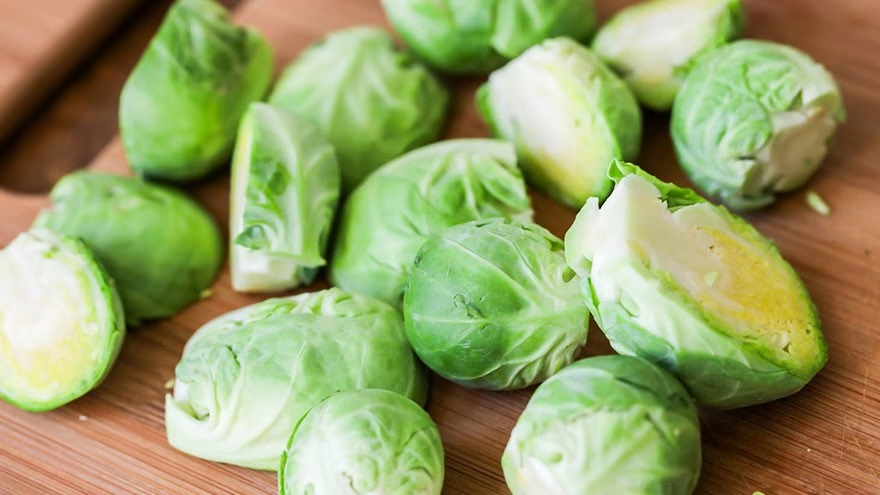
Brussels Sprouts Deserve Better Than Boiling
A guide to buying and cooking Brussels sprouts should begin with a correction. Most people who dislike them have met the overcooked version: gray-green, soft, bitter, and sulfurous.
Good Brussels sprouts are different. They can be nutty, sweet at the edges, crisp in spots, and tender in the middle. The difference comes from buying fresh sprouts, cutting them evenly, and choosing the right heat.
Brussels sprouts are small cabbages with a short patience limit.
Buy Firm, Compact Sprouts
Michigan State University Extension's Brussels sprouts guide recommends choosing bright green sprouts that are uniform in size, firm, and compact. Similar size matters because the sprouts cook at the same pace.
Avoid sprouts with yellow leaves, black spots, a sour smell, or loose leaves that look tired. A few outer leaves can be trimmed, but a bag full of soft sprouts is not worth saving.
Small sprouts tend to be sweeter and faster-cooking. Larger sprouts can still be good, but they usually need to be halved or quartered.
Stalk or Loose Sprouts
Brussels sprouts may be sold loose, bagged, or still attached to the stalk. Stalk sprouts look dramatic and can stay fresh well, but they take more refrigerator space.
Loose sprouts are easier for weeknight cooking. Check the bottom stems and outer leaves before buying. Bagged sprouts should not have lots of trapped moisture or slimy pieces.
Buy the format you will actually cook before it fades.
Store Them Dry and Cold
Utah State University Extension's Brussels sprouts guide advises not washing or trimming sprouts before refrigerator storage. Moisture and cut edges shorten their best life.
Keep sprouts in the refrigerator, ideally in the crisper. Remove damaged leaves first if needed, but save washing and trimming for cooking day.
If sprouts are already shredded or cut, store them airtight and use them soon. Cut vegetables lose quality faster than whole ones.
Trim Without Wasting Half the Sprout
Cut a thin slice from the stem end, then peel away loose or damaged outer leaves. Do not cut so high that the sprout falls apart unless you plan to shred it.
Halve medium sprouts through the stem so each half holds together. Quarter very large sprouts. Leave tiny sprouts whole, or cut a shallow X in the stem if you want the center to soften faster.
The cut should make cooking even, not create confetti.
Roast for the Best First Impression
Roasting is the easiest way to change minds. Toss halved sprouts with oil, salt, and pepper. Spread them on a hot sheet pan with space between pieces, cut side down if you want deep browning.
Roast until the edges are browned and the centers are tender. Crowding the pan makes steam, which leads to soft sprouts without color.
For another vegetable side, Livecub's guide to cooking greens can help you think about quick cooking and finishing flavors.
Prep for Better Roasting
Dry sprouts before they hit the pan. Water on the leaves slows browning and encourages steaming. Use enough oil to coat the cut sides lightly, then season before the pan goes into the oven.
Place the largest pieces near the hotter edges of the pan and smaller pieces toward the center. If your oven browns unevenly, rotate the pan once.
Dry sprouts and open space make better browned edges.
Saute for Speed
For a skillet version, slice sprouts thinly or halve them. Use a wide pan, medium-high heat, and enough oil to coat the surface. Let the cut sides brown before stirring too much.
Add garlic near the end so it does not burn. Finish with lemon, vinegar, mustard, Parmesan-style cheese, toasted nuts, or chili flakes.
Color brings out sweetness; constant stirring fights it.
Steam Only Until Tender
Steaming can work when you want a cleaner side dish, but timing matters. Steam just until a knife slides in with slight resistance, then season immediately.
Plain steamed sprouts need help. Add butter, olive oil, salt, pepper, lemon zest, toasted seeds, or a sharp vinaigrette. Do not leave them in the steamer after they are done.
Shred for Salads and Quick Cooks
Shredded Brussels sprouts behave more like slaw or greens. Slice them thinly with a knife, mandoline, or food processor, then toss with dressing or saute quickly.
For raw salads, massage the shreds lightly with salt and lemon or vinegar. Add apples, dried cranberries, nuts, cheese, or herbs if you want a holiday-style salad.
Thin shreds turn a dense sprout into something fast and flexible.
Use Sauces Carefully
Brussels sprouts can handle bold flavors: mustard, balsamic vinegar, maple, soy sauce, sesame oil, garlic, chili, bacon, walnuts, pecans, cranberries, or tahini. The sauce should cling lightly, not drown the sprouts.
Livecub's stir-fry sauces guide can inspire fast pan sauces for shredded sprouts, especially with garlic, ginger, and soy-style flavors.
A little sauce after browning is better than wet sprouts before browning.
Do Not Overcook Them
Overcooking is the classic mistake. Brussels sprouts become stronger-smelling and more bitter when cooked too long. Pull them when they are tender enough to eat but still hold shape.
If sprouts are already overcooked, rescue them with acid and texture. Add lemon, vinegar, toasted nuts, crisp crumbs, or a salty topping. Next time, cook hotter and shorter.
Freeze Only for Cooked Uses
Fresh sprouts are best for roasting and sauteing. If you need to freeze them, blanch first, cool quickly, dry well, and pack airtight. Frozen sprouts are better for casseroles, soups, and cooked sides than for crisp roasting.
Livecub's fresh vegetable freezing guide can help with blanching habits for other produce too.
Build a Meal Around Them
Brussels sprouts can be more than a side. Add roasted sprouts to grain bowls, pasta, tacos, hash, salads, or sheet-pan dinners. Shredded sprouts can replace slaw in sandwiches and wraps.
For a larger dinner, they pair well with chicken, pork, beans, potatoes, squash, apples, rice, and sharp cheeses. Livecub's easy Yugoslavian chicken recipe could sit beside roasted sprouts for a simple plate.
Use Leftovers Without Reboiling
Leftover roasted sprouts are best reheated in a skillet or hot oven, not boiled. Chop them into fried rice, hash, omelets, pasta, or a warm grain bowl.
If they taste flat the next day, add acid and crunch. Lemon, vinegar, toasted nuts, bread crumbs, or a spoonful of yogurt sauce can make them feel intentional again.
Pair Flavors by Mood
For a sweet-savory side, use maple, mustard, and black pepper. For a sharper side, use lemon, capers, and Parmesan-style cheese. For a warm spice profile, use chili, garlic, and a touch of honey.
Keep one flavor direction per dish. Too many toppings can hide the sprouts instead of improving them.
Turn Them Into a Sheet-Pan Meal
Brussels sprouts work well on sheet pans because they like dry heat. Pair them with potatoes, onions, squash, chicken sausage, chickpeas, or tofu, depending on the meal.
Cut everything to a size that finishes together. If one ingredient cooks faster, add it later instead of letting it burn.
A sheet-pan dinner needs timing as much as seasoning.
Make Them Friendlier for Skeptics
If someone thinks they hate Brussels sprouts, start with roasted halves and a familiar flavor. Lemon and Parmesan-style cheese, maple and mustard, or garlic and butter are easier introductions than plain steamed sprouts.
Do not serve a huge pile the first time. A small portion with browned edges is more persuasive than a bowl that smells overcooked.
Use Raw Sprouts With Enough Dressing
Raw shredded Brussels sprouts need a stronger dressing than lettuce. Use lemon, vinegar, mustard, salt, and olive oil, then let the salad sit briefly so the shreds relax.
Add apples, nuts, dried fruit, or cheese if the salad needs sweetness or richness. Thin slicing matters because thick raw pieces can feel tough.
Serve chilled.
Frequently Asked Questions
How do I choose good Brussels sprouts?
Look for firm, compact, bright green sprouts that are similar in size. Avoid yellowing, slime, strong odor, and soft spots.
Should I wash Brussels sprouts before storing?
No. Store them dry and wash just before cooking so moisture does not shorten their freshness.
Why do Brussels sprouts taste bitter?
They can taste bitter when old or overcooked. Browning with high heat and finishing with acid can improve flavor.
What is the best way to cook Brussels sprouts?
Roasting is usually the best first method because it browns the cut sides and brings out sweetness.

Chiara Bradshaw
Covers education, culture and creative topics with an emphasis on readable explanations and verifiable references.




Leave a reply
Replying to