
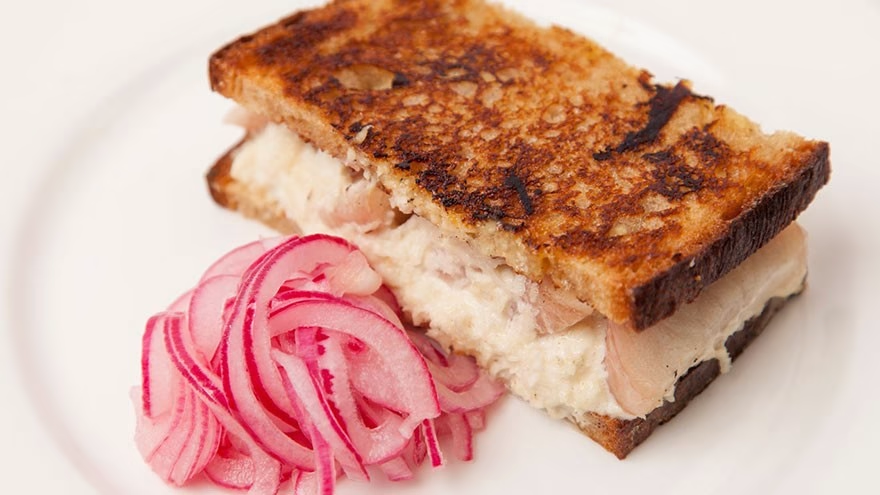
Buying and cooking eel starts with a choice many recipes skip: should you buy it at all, and from whom? Eel is rich, firm, and excellent with sweet-salty sauces, but sourcing matters. Some eel fisheries and farmed products carry sustainability concerns, and raw eel is not a casual home project. For most cooks, the safest route is a reputable seafood seller, clear labeling, cold handling, and a cooking method that keeps the flesh moist.
Think of eel as a fatty fish with a dense texture, not as a novelty. It can be grilled, broiled, pan-seared, steamed, or simmered, but it needs trimming, sauce control, and proper heat. The goal is tender flakes with a lacquered outside, not a dry strip drowned in sugar.
What Kind Of Eel Should You Buy?
Buy eel only from a seafood counter, fishmonger, or market you trust. Ask whether it is freshwater eel, conger, or another species; whether it is fresh, frozen, smoked, or prepared; and whether it has been cleaned. If the seller cannot answer basic questions, choose another fish.
Fresh eel should smell clean and mild, not sour or ammonia-like. FDA guidance on selecting and serving seafood safely says fish should be refrigerated or displayed on a thick bed of ice, and that color alone is not a reliable freshness test.
If you are new to unusual proteins, eel belongs in the same mental category as buying and cooking frog legs: the recipe is the easy part after the sourcing question is handled.
Should You Check Sustainability First?
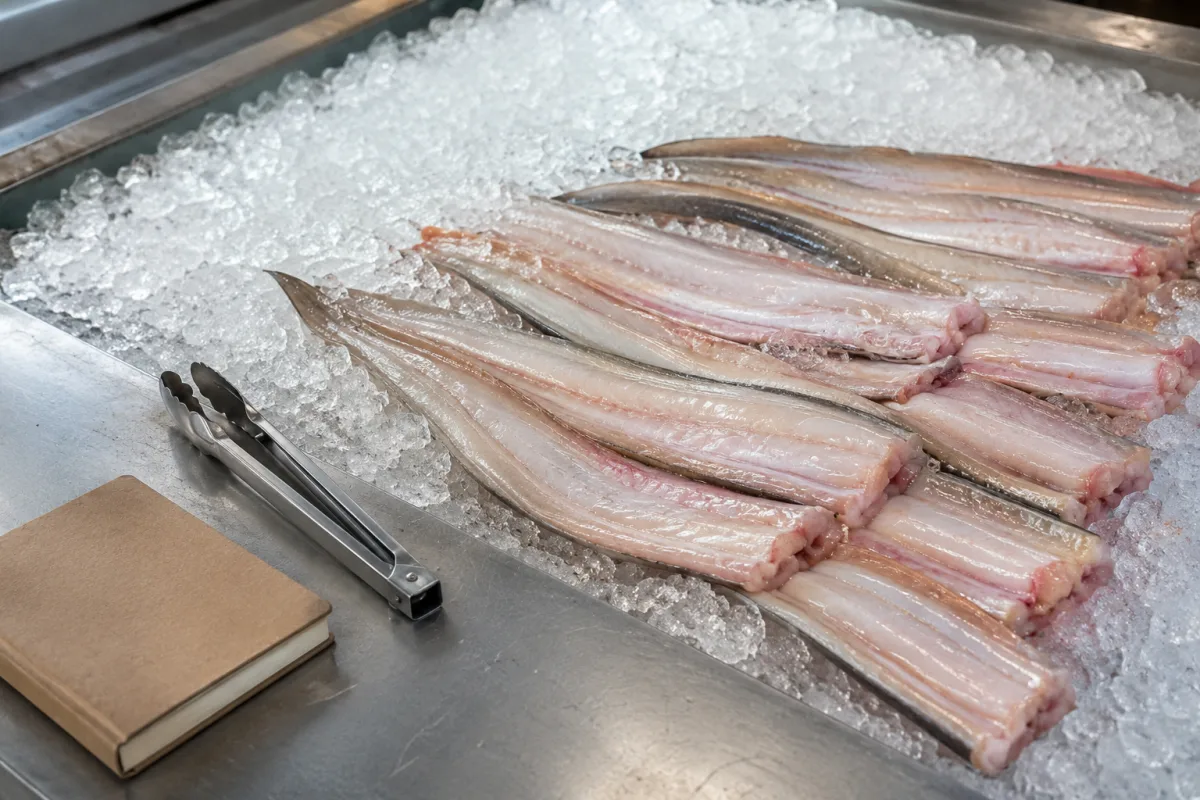
Yes. Eel is one of the seafood categories where sustainability cannot be treated as decoration. Monterey Bay Aquarium's Seafood Watch recommendation for Japanese eel is red-rated as "Avoid," which means shoppers should pause before buying standard unagi without better sourcing details.
That does not mean every eel dish everywhere is identical, but it does mean you should ask questions. Is the eel farmed or wild? Which species? Which country or region? Is there a sustainability rating or certification? If no one can tell you, pick a different seafood for that meal.
Frozen prepared eel can be easier than raw eel, especially for a first try. Read the package closely: some products are already cooked and sauced, while others are raw or only partially prepared. Follow the label for thawing and heating, and do not assume a glossy sauce means the fish is ready to eat.
For a seafood dinner where the purchase feels clearer, you might choose a different centerpiece and keep eel as a small course. The point is not to shame the ingredient; it is to make the purchase less blind. A menu that ends with tiramisu can still feel special without making eel carry the entire evening.
How Do You Handle Eel Safely?
Keep eel cold until cooking. Refrigerate it as soon as you get home, keep it covered, and cook it the same day if possible. If it is frozen, thaw it in the refrigerator, not on the counter. Pat it dry before cooking so the surface browns instead of steaming.
Use a separate cutting board for raw seafood, wash knives and boards well, and keep marinades that touched raw eel away from cooked food unless you boil them hard first. These are ordinary seafood rules, but they matter more with a fish that many home cooks handle less often.
Plan the cooking order before you open the package. Sauce, rice, salad, and plates should be ready first, because eel is best served soon after it leaves the heat. Waiting around while rice finishes is how a glossy piece turns dry.
If you are planning several dishes, prep vegetables first, then raw seafood. A green side from cooking greens can be washed, cut, and set aside before eel touches the board.
What Temperature Should Eel Reach?
FoodSafety.gov lists 145 F for fish or cooking until the flesh is no longer translucent and separates easily with a fork. Use a thermometer in the thickest part if the piece is large enough. Thin eel fillets can overcook quickly, so check early.
Do not serve eel raw at home. Sushi restaurants that serve eel usually serve it cooked, often grilled or broiled with sauce. Raw eel is a different risk category and not a beginner technique.
Rest the cooked eel for a few minutes before cutting. The flesh is oily and tender when hot; slicing too soon can tear the glaze and make the plate look rough.
If the eel has skin, leave it attached during cooking unless your fishmonger advises otherwise. Skin helps hold the piece together and can crisp or tighten under direct heat. If the texture bothers you after cooking, trim it on the plate rather than fighting the raw fish with a dull knife.
How Do You Grill Or Broil Eel?
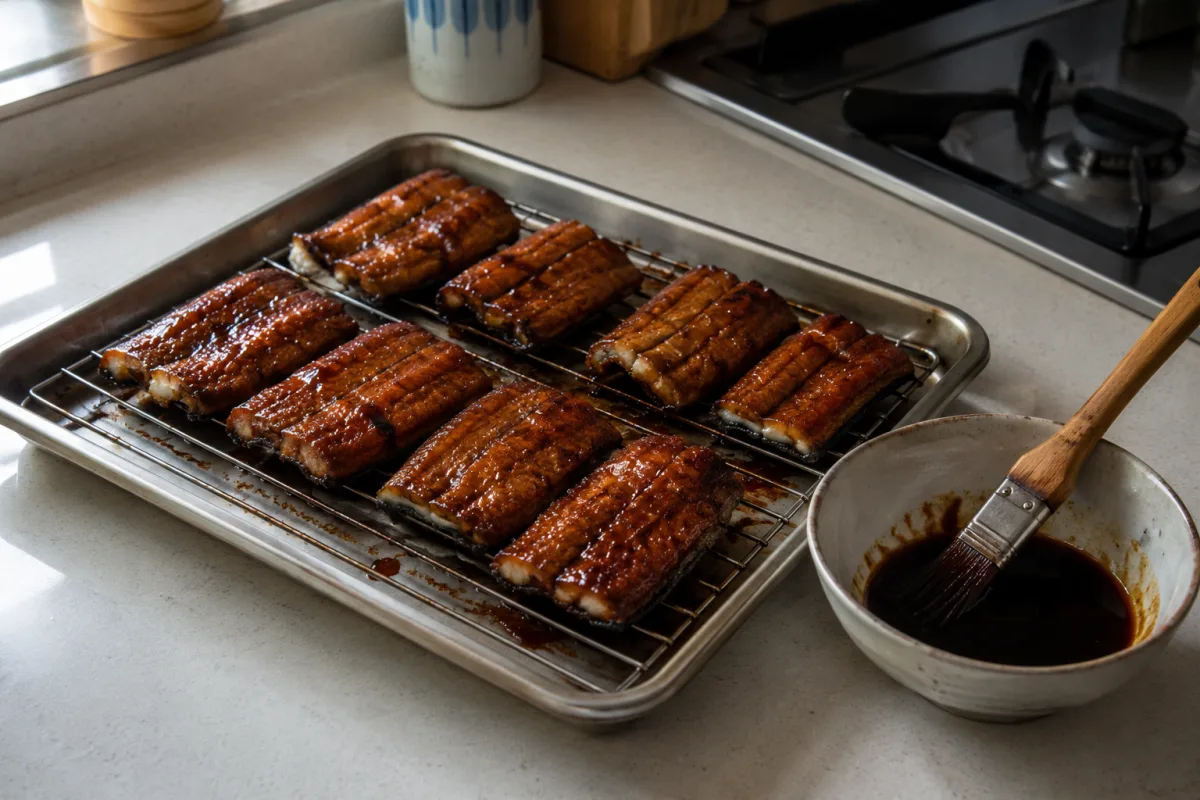
For a simple home version, brush cleaned eel pieces with a light coating of oil, season with salt, and cook skin-side down first if skin is present. Grill or broil until the surface tightens, then brush with sauce in layers near the end. Sauce added too early can burn before the fish cooks through.
A classic eel glaze leans on soy sauce, mirin or a mild sweetener, sake or water, and a little sugar. Simmer the sauce until it lightly coats a spoon. Brush, cook, brush again, and stop before the glaze turns bitter. The best eel tastes rich and savory, not like candy.
For sauce balance, think about the same sweet-salty-acid structure used in stir fry sauces. Eel has enough fat to handle sweetness, but it still needs salt and a little sharpness.
Can You Pan-Cook Eel?
Yes, especially if you have smaller pieces. Dry the eel, season lightly, and sear in a thin film of oil over medium heat. If the piece is thick, lower the heat after browning and cover briefly so the center cooks without burning the outside. Brush with glaze at the end.
Smoked eel needs a different approach. It is already cooked and strongly flavored, so use it in small amounts with eggs, potatoes, toast, greens, or a sharp salad. Do not treat smoked eel like a raw fillet.
If your menu already has a heavy centerpiece, such as roast goose, eel may be too rich as a second main. Use it as a small starter or skip it.
What Should You Serve With Eel?
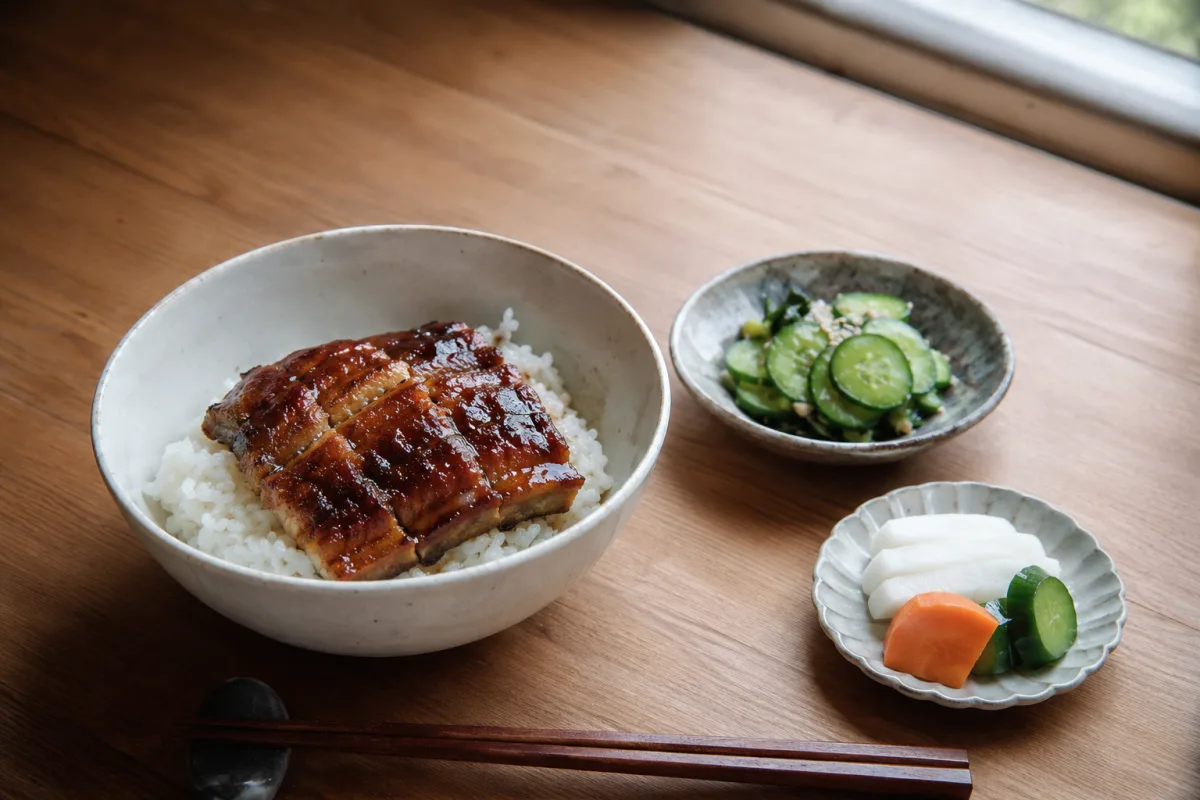
Serve eel with plain rice, pickled vegetables, cucumber salad, bitter greens, citrus, or a small bowl of broth. The side dishes should reset the palate. Eel's fat and glaze do not need cream, cheese, or heavy starch fighting for attention.
A small portion works better than a slab. Two or three glazed pieces over rice can be more satisfying than a plate that tires the mouth halfway through. For a dinner with older luxury ingredients, tips from serving foie gras point to the same rule: richness needs restraint.
Leftover cooked eel should be cooled quickly, refrigerated, and used soon. Reheat gently. Hard reheating makes the flesh dry and the glaze sticky.
If you are unsure about doneness, cut one piece open rather than guessing from the glaze. Sauce can brown before the center finishes. The flesh should look opaque and separate cleanly, not cling together in a translucent band. A small thermometer hole is better than serving undercooked seafood at dinner to guests.
Frequently Asked Questions
Can you eat eel raw?
No for home cooking. Eel is usually served cooked, even in sushi settings. Buy cleaned eel and cook it safely.
What does eel taste like?
Eel is rich, firm, and mildly sweet, with a fatty texture that handles grilling, broiling, and sweet-salty glazes well.
Is eel sustainable?
Often not. Some eel products are red-rated by Seafood Watch, so check the species, source, and recommendation before buying.
How do I know eel is cooked?
Use 145 F as the safe fish temperature guide, or cook until the flesh is opaque and separates easily with a fork.
Can I cook frozen eel?
Thaw it in the refrigerator first unless the package gives safe cook-from-frozen directions. Pat it dry before browning or glazing.
Eel is best treated as a special purchase, not an impulse buy. Ask where it came from, keep it cold, cook it cleanly, and let the sauce support the fish instead of hiding it.

Tory Stearns
Edits practical household, travel and lifestyle explainers. Claims that can change are linked to current primary or subject-authority sources.




Leave a reply
Replying to