
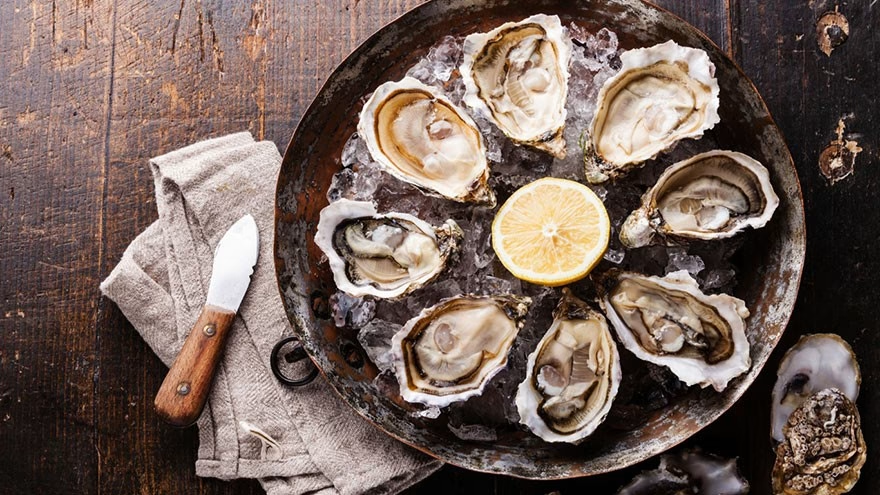
Oysters Are Simple Food With Strict Rules
Buying and cooking oysters feels intimidating because the stakes are real: they are live shellfish, they spoil quickly, and raw service is not safe for everyone. Once you respect those rules, oysters become much easier to handle at home.
The FDA's guide to selecting and serving seafood safely recommends buying from reputable sources and keeping seafood cold. That is the starting point for oysters, whether you plan to serve them raw, roast them, grill them, or fold them into a cooked dish.
Freshness and temperature decide the rest. A good recipe cannot fix oysters that were bought carelessly or left warm too long.
How to Buy Live Oysters
Buy oysters from a fishmonger, market, or grocery counter that moves seafood quickly and can tell you where the oysters came from. Ask when they arrived and how they have been stored. Oysters should be cold, damp, and alive, not sitting in warm water or dry heat.
Look for shells that are closed or that close when tapped. Avoid oysters with broken shells, strong sour odors, or shells that stay open. A clean briny smell is normal. A rotten smell is not.
If the oysters are sold in a bag or container, check for harvest tags where available and keep the information until after the meal. That habit is common in food service, and it is useful at home if a safety question comes up later.
For comparison with another delicate ingredient, Livecub's frog legs guide shows why buying quality matters before any cooking method begins.
Raw Oysters Need Extra Caution
Raw oysters are popular, but they are not risk-free. CDC's Vibrio prevention guidance warns that raw or undercooked oysters can carry harmful bacteria and that people with certain health conditions face higher risk.
Do not serve raw oysters to guests without thinking about who is at the table. Older adults, pregnant people, young children, and people with weakened immune systems or liver disease should avoid raw or undercooked oysters unless their clinician says otherwise.
Cooking changes the risk profile, but it still needs to be done correctly. If you are hosting, offer a cooked oyster option so no one feels pressured into raw shellfish.
Raw is a choice, not a default.
Storing Oysters Before Cooking
Keep live oysters cold in the refrigerator until you use them. Do not seal them in an airtight container and do not store them submerged in fresh water. They are live shellfish and need cold, damp storage, not a closed bath.
Place them cup-side down in a bowl or tray, cover with a damp towel, and keep them in the coldest practical part of the refrigerator. Drain any melted ice or liquid so the oysters are not sitting in water.
Use them soon. The longer oysters sit, the more quality drops. If an oyster opens and does not close when tapped, or if it smells off after opening, discard it.
Do not bargain with shellfish safety.
Cleaning and Sorting Before Service
Before shucking or cooking, sort the oysters again. Rinse the shells under cold running water and scrub away mud, grit, and loose debris with a stiff brush. Do this close to cooking or service time, not hours before the meal.
Keep the oysters cold while you work. If you are prepping more than a small batch, return finished oysters to the refrigerator and bring out the next group. A calm station with a bowl for debris, a towel, and a trash container nearby makes the job safer.
Do not soak live oysters in fresh water to "clean" them. That can weaken or kill them. Clean the shell, not the oyster's living environment.
If you feel rushed, slow down; rushed shellfish prep is where small mistakes stack up.
Shucking Without Turning It Into a Show
Shucking oysters takes a proper oyster knife, a folded towel or glove, and patience. Do not use a sharp kitchen knife. It can slip, snap, or cut your hand. Hold the oyster steady with the hinge facing you, work the knife into the hinge, twist gently, and keep the blade close to the top shell.
Once the top shell opens, slide the knife along the inside to release the muscle. Keep as much liquor in the shell as you can. Wipe away shell fragments, then loosen the oyster from the bottom shell just before serving or cooking.
If the oyster smells unpleasant, looks dry, or seems dead, throw it out. Pride has no place in shellfish prep.
Cooking Methods That Respect the Oyster
Oysters cook quickly. The goal is to heat them through without turning them rubbery. Grilling, roasting, broiling, steaming, and baking all work, especially when the toppings are light enough to let the oyster remain the focus.
For shell-on cooking, place oysters on a hot grill or in a hot oven until they open. Discard any that do not open after cooking. For shucked oysters, cook just until the edges curl and the oyster is hot.
FoodSafety.gov's safe temperature chart gives seafood guidance and reinforces the larger point: do not guess when food safety is involved.
Oysters can take butter, herbs, garlic, lemon, crumbs, chili, bacon, spinach, or a small amount of cheese. Keep toppings balanced. A heavy topping can bury the oyster and make timing harder.
How Many Oysters to Buy
Quantity depends on the role of the oysters. As an appetizer, plan fewer per person, especially if there are other small bites. As the main event, you will need more, plus sides that make the meal feel complete.
Buy a few extras because some oysters may be discarded during sorting, shucking, or cooking. That is normal. It is better to lose a few questionable oysters than to pressure yourself into using every shell in the bag.
For a mixed seafood or special-occasion table, serve oysters in waves. Cold oysters should stay cold, and cooked oysters are best soon after they leave the heat. Small batches protect quality.
Flavor Pairings and Serving Ideas
Raw oysters often need only lemon, mignonette, hot sauce, or nothing at all. Cooked oysters can handle browned butter, parsley, garlic, smoked paprika, scallions, or crisp crumbs. The best pairing depends on salinity and size.
If you want a sauce strategy for cooked seafood, Livecub's stir-fry sauce guide is useful because salt, acid, sweetness, and heat need balance in any quick-cooked dish.
For a richer special-occasion comparison, Livecub's foie gras serving guide shows how small portions and careful heat can make a luxury ingredient feel controlled rather than excessive.
What to Serve With Oysters
Oysters like contrast. Serve them with crisp salad, grilled bread, roasted potatoes, simple greens, sparkling water, dry white wine, or a light beer if alcohol fits the occasion. Avoid piling on too many heavy sides.
Cooked oysters can sit beside roasted poultry, rice dishes, soups, or a seafood spread. Livecub's goose cooking guide is not an oyster article, but it fits the same dinner-planning question: rich food needs clean sides and good timing.
If you serve oysters at a party, put them out in small batches and keep cold food cold. Refill from the refrigerator instead of letting a large platter sit.
Common Oyster Mistakes
The first mistake is buying from a vague source because the price is low. The second is keeping live oysters sealed in a container where they cannot breathe. The third is trying raw oysters with guests who have not been told the risk.
Another mistake is overcooking. Oysters should taste like oysters, not like rubber bands. Use high heat, short timing, and simple toppings until you know the oyster's size and salinity.
Finally, do not let presentation override safety. Ice, clean plates, separate utensils, and prompt refrigeration matter more than a dramatic platter.
Frequently Asked Questions
How do I know if an oyster is fresh?
A fresh live oyster should be cold, smell clean and briny, and have a closed shell or one that closes when tapped.
Are raw oysters safe for everyone?
No. People with higher health risk should avoid raw or undercooked oysters because harmful bacteria can be present.
Should oysters open when cooked?
Shell-on oysters usually open during cooking. Discard any that stay closed after proper cooking.
What is the easiest way to cook oysters?
Roasting or grilling shell-on oysters is often easiest because the heat helps open the shells and the cooking time is short.

Tory Stearns
Edits practical household, travel and lifestyle explainers. Claims that can change are linked to current primary or subject-authority sources.




Leave a reply
Replying to