
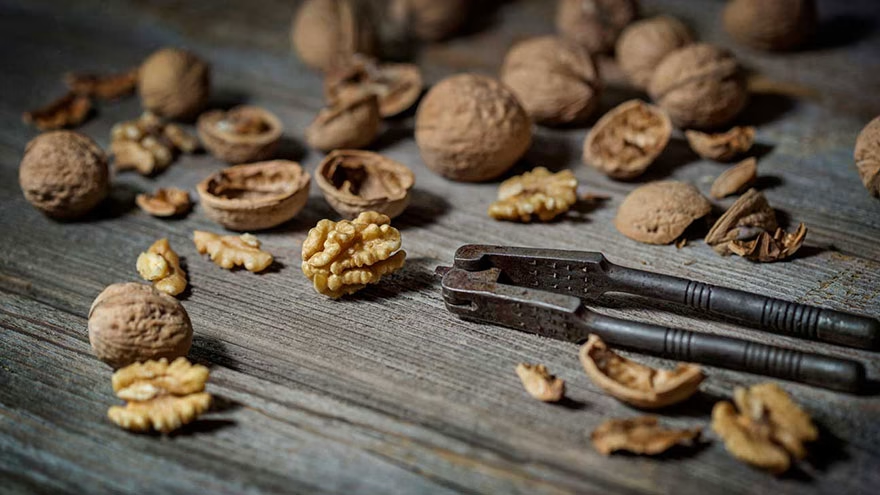
Walnuts Are Rich, Useful, and Easy to Ruin
A guide to buying and cooking walnuts should begin with storage. Walnuts have a deep flavor and enough oil to turn stale or rancid if they sit too long in a warm pantry.
Fresh walnuts can make salads, cakes, cookies, pastas, sauces, stuffings, breakfast bowls, and roasted vegetables taste fuller. Old walnuts can make the same dishes taste bitter.
With walnuts, freshness is flavor.
Buy What You Can Use
Choose walnuts from a store with good turnover. Sealed bags or containers protect better than open bins. If buying in bulk, smell before committing if the store allows it.
Walnuts should smell nutty and clean, not paint-like, sour, musty, or bitter. Pieces go stale faster than halves because more surface is exposed.
A bargain bag is not a bargain if half of it turns rancid.
Know the Main Forms
Walnut halves look nice for topping cakes, salads, and cheese boards. Pieces are easier for cookies, muffins, granola, and quick breads. Ground walnuts can thicken sauces or fillings but lose freshness fastest.
Black walnuts have a stronger, wilder flavor than English walnuts. Use them in smaller amounts until you know how much intensity you want.
English Walnuts and Black Walnuts
Most grocery-store walnuts are English walnuts. They are mild enough for baking, salads, breakfast, and sauces. Black walnuts taste bolder, earthier, and more assertive.
If a recipe simply says walnuts, assume English walnuts unless the writer says otherwise. Black walnuts can be wonderful, but they can overpower delicate desserts.
The walnut type changes the whole dish.
Store Walnuts Cold
UC Davis food safety guidance on handling and storing nuts notes that nuts keep quality much longer at refrigerator or freezer temperatures than at room temperature.
Pack walnuts in airtight, odor-tight containers because shelled nuts can absorb moisture and smells. Keep a small jar for current use and the rest in the freezer.
Cold, sealed storage protects the oils that make walnuts taste good.
Check Before Using
Before adding walnuts to a recipe, taste one. If it tastes sharp, bitter, stale, or musty, do not bake it into a cake and hope sugar hides it.
Look for shriveled pieces, dark oily spots, or off odors. Rancid walnuts can ruin a whole batch of cookies, pesto, or stuffing.
The USDA FoodData Central site is useful for nutrition data, but your nose and tongue still decide whether the nuts in your kitchen are pleasant to eat.
Buy Shelled or In-Shell
Shelled walnuts save time, but they have more exposed surface. In-shell walnuts can store well when dry and sound, but they require cracking and sorting.
If you bake often, shelled walnuts are practical. If you use walnuts slowly, buy smaller sealed amounts and keep them cold.
Toast for Better Flavor
Toasting makes walnuts warmer, deeper, and less raw-tasting. Toast in a dry skillet over moderate heat or on a sheet pan in the oven. Stir or shake often because walnuts can go from golden to burnt quickly.
Toast only what you need. Toasted nuts have more aroma right away, but they also lose freshness faster than untoasted frozen nuts.
Toast close to serving when flavor matters most.
Choose a Toasting Method
Use a skillet for a small handful because you can smell and watch the nuts closely. Use the oven for a larger batch because the heat is more even.
After toasting, pour walnuts onto a plate instead of leaving them in the hot pan. Carryover heat can darken them more than you expect.
The last minute of toasting is where walnuts burn.
Chop With the Recipe in Mind
Large pieces work for salads and toppings. Medium pieces work for cookies, brownies, muffins, and quick breads. Fine pieces work for crusts, fillings, and sauces.
Use a sharp knife and stop before the nuts turn oily. If using a food processor, pulse briefly. Overprocessing can move walnuts toward paste.
Livecub's cookie display guide can help when walnuts are part of a dessert tray.
Use Walnuts in Baking
Walnuts belong in banana bread, brownies, spice cake, shortbread, rugelach, biscotti, oatmeal cookies, and coffee cake. Toasting first usually improves flavor, but watch oven timing because toasted nuts brown faster.
For a rich dessert pairing, Livecub's Mom's Best Fudge Icing can work with a walnut-topped cake or brownie plate.
Walnuts bring bitterness and richness, so sweet batters need balance.
Use Walnuts at Breakfast
Add walnuts to oatmeal, yogurt, granola, pancakes, muffins, toast, or fruit bowls. Toasted walnuts with apples, pears, bananas, or berries can make a simple breakfast feel more complete.
Keep breakfast walnuts in a small airtight jar in the refrigerator if you use them often. Refill from the freezer so the main supply stays fresh.
Use Walnuts in Savory Food
Walnuts are not only for dessert. Add them to salads, roasted Brussels sprouts, green beans, pasta, rice pilaf, stuffing, grain bowls, pesto, romesco-style sauces, or cheese plates.
They pair well with apples, pears, blue cheese, goat cheese, squash, mushrooms, greens, honey, mustard, lemon, and herbs. Livecub's guide to cooking greens can pair with toasted walnuts for a fast side.
Use Walnuts as a Finishing Texture
Walnuts often work best at the end of cooking. Sprinkle them over roasted vegetables, soups, salads, oatmeal, pasta, or fruit desserts after the dish is plated.
If they cook too long in wet food, they lose crunch. Add them early only when the recipe needs them baked into the structure, as in quick bread or cookies.
Make Sauces and Coatings
Walnuts can be blended into sauces with garlic, olive oil, herbs, roasted peppers, yogurt, or breadcrumbs. They can also coat fish, chicken, tofu, or vegetables when chopped and mixed with crumbs.
For seasoning ideas, Livecub's stir-fry sauces guide can help if you want walnuts in a soy-style noodle or vegetable dish.
Walnuts add body as well as flavor.
Store for Food Service or Big Batches
California Walnuts' buying and storing guidance also points toward cold storage and keeping walnuts away from strong odors. That advice matters at home too.
If you buy a large bag for holiday baking, divide it into smaller airtight portions. Keep one portion in the refrigerator and freeze the rest.
Keep Portions Sensible
Walnuts are rich, so a small handful can do a lot. Use them as a topping, texture, or sauce base rather than pouring them into every dish.
Do not make strong health promises around walnuts. They can be part of a varied diet, but they are still one ingredient, not a cure.
Watch for Allergies
Walnuts are tree nuts, and tree nut allergies can be serious. When serving guests, mention walnuts clearly instead of hiding them in crusts, sauces, or toppings.
Use separate utensils if you are also preparing nut-free food. A beautiful dessert is not worth surprising someone with an allergen.
Prevent Walnut Waste
If a recipe needs only a few tablespoons, return the rest to cold storage right away. Do not leave the bag open near the oven while you finish baking.
Use small leftover amounts in bread crumbs, salad toppings, yogurt bowls, pesto-style sauces, or cookie dough. A few walnuts can add texture without taking over the dish.
Sweet Walnut Ideas
For quick candied walnuts, cook a small amount of sugar, salt, and walnuts in a skillet until coated, then cool on parchment. Keep the batch small so the sugar does not burn.
Use sweet walnuts on apples, ice cream, oatmeal, cakes, or holiday cookie trays. Livecub's cookie display guide can help place candied walnuts neatly on a dessert table.
Cool candied walnuts fully before storing so steam does not make them sticky.
Revive Cold Walnuts Before Serving
Walnuts from the refrigerator or freezer can taste muted at first. Let them sit briefly at room temperature, or toast them lightly if the recipe allows.
Do not thaw and refreeze the same small portion repeatedly. Take what you need and return the rest to cold storage.
Frequently Asked Questions
How can I tell if walnuts are fresh?
Fresh walnuts smell clean and nutty. Avoid walnuts that smell sour, musty, paint-like, or taste bitter and stale.
Should walnuts be refrigerated?
Yes, refrigeration or freezing helps protect quality. Store them airtight so they do not absorb moisture or other food odors.
Should I toast walnuts before baking?
Usually yes for better flavor, but watch closely. Toasted walnuts can brown faster once they go into a batter or topping.
Can walnuts be used in savory dishes?
Yes. Use them in salads, pasta, roasted vegetables, grain bowls, sauces, stuffings, and cheese plates.

Cashie Evans
Covers parenting and practical household topics with clear steps, safety notes and links to current guidance.




Leave a reply
Replying to