
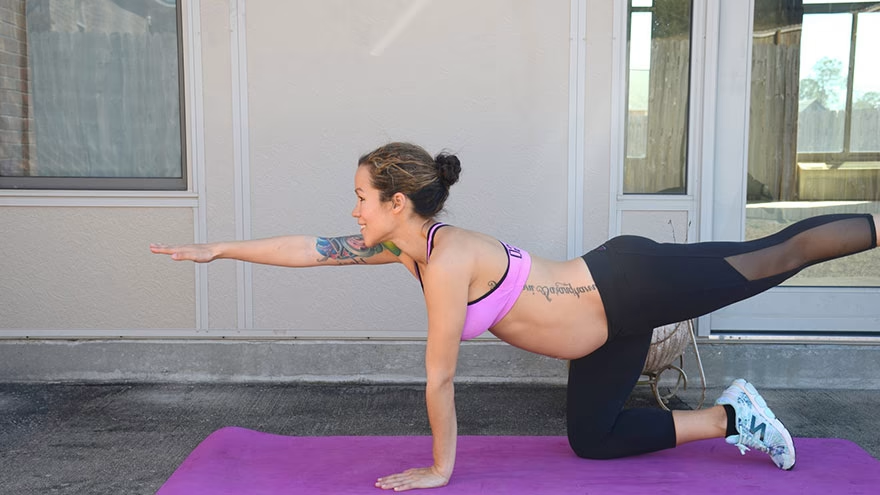
Abdominal Exercises While Pregnant should focus on support, breathing, posture, and control rather than six-pack work. Pregnancy changes the abdominal wall, pelvic floor, balance, and pressure system, so the safest core work usually looks quiet.
Ask your pregnancy care professional before starting or changing exercise, especially with bleeding, dizziness, chest pain, shortness of breath before exertion, fluid leakage, contractions, or exercise restrictions.
Use A Safety Filter
ACOG says physical activity during pregnancy has benefits and can reduce back pain for many people with uncomplicated pregnancies: ACOG exercise during pregnancy.
That guidance still needs personal screening. A twin pregnancy, placenta issue, cervical concern, severe anemia, or other medical factor can change the plan.
Think Deep Core
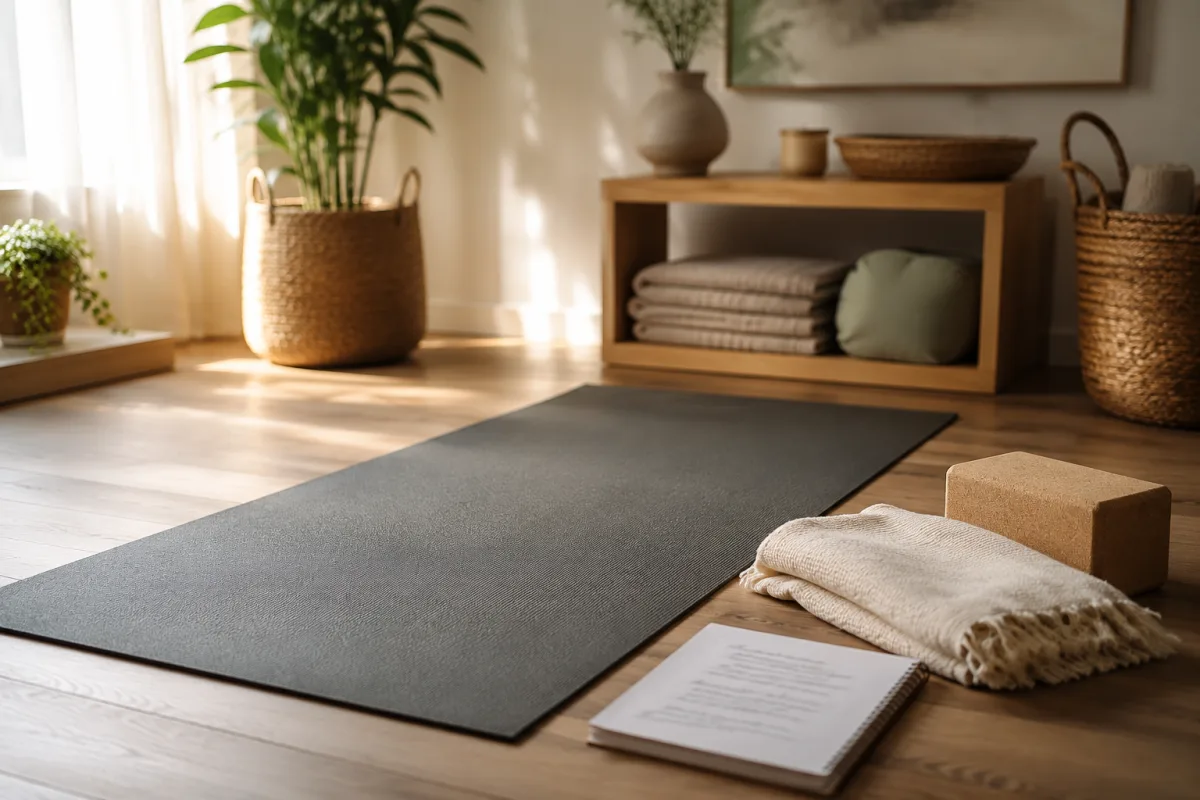
Pregnancy abdominal work should often start with breathing, posture, and the deep core muscles rather than crunches. The goal is pressure control.
Try a slow exhale as the belly gently draws inward, then release. Do not brace so hard that the ribs, jaw, or pelvic floor grip.
Hands And Knees Leg Raises
Mayo Clinic describes leg raises on hands and knees to strengthen back and abdominal muscles during pregnancy: Mayo Clinic pregnancy exercises.
Keep hands under shoulders, lift one leg only as high as control allows, then return without arching the low back.
Standing Core Work

Standing wall pushups, band rows, and gentle anti-rotation holds can train the trunk without lying flat or loading the belly heavily.
Use a stable stance and light resistance. If the belly domes, breath gets tight, or pelvic pressure appears, stop.
Pelvic Tilts
Pelvic tilts can be done on hands and knees, standing against a wall, or seated on a firm chair. Move slowly between neutral and a gentle tuck.
This is not a big movement. It should help the person find control, not force the low back flat.
Avoid Pressure Moves
Cleveland Clinic advises avoiding sit-ups and crunches after 12 weeks of pregnancy because they can put pressure on the abdominals: Cleveland Clinic diastasis recti.
Also be careful with full planks, double-leg lifts, and heavy twisting if they create doming, strain, or breath holding.
Watch For Doming
Doming or coning along the midline can mean the abdominal wall is under more pressure than it can manage well in that position.
One sign does not mean panic. It means modify: reduce range, change position, exhale earlier, or ask a pelvic floor physical therapist.
Everyday Core
Getting out of bed, lifting groceries, carrying a toddler, and rolling off the couch all use the core. Practice log rolling and exhaling during effort.
Livecub's early labor support guide can help partners learn to assist without pulling or rushing.
Body Feelings
Core changes can feel strange. A growing belly, softer midline, and modified exercises do not mean the body is failing.
Livecub's feeling attractive during pregnancy guide can help readers keep body respect in the conversation.
When To Stop
Stop for pain, bleeding, dizziness, chest pain, calf swelling, fluid leakage, contractions, headache, or symptoms your clinician named.
If an exercise feels wrong in the belly, pelvis, back, or breathing, choose a lower-pressure version instead of pushing through.
Seated Marches
Sit tall on a firm chair and lift one foot slightly while exhaling. Keep the pelvis steady and the shoulders relaxed.
This can train trunk control without lying flat or loading the belly heavily.
Side Plank Modification
A wall side plank or supported side hold may work for some people, but floor side planks can be too intense as pregnancy changes.
Choose the version that allows normal breathing and no midline doming.
Daily Lifting
Use the exhale during effort when lifting a laundry basket, standing up, or carrying groceries.
Everyday movement is where core training either helps or falls apart.
Trimester Changes
A core move that feels fine at 10 weeks may not fit at 28 weeks. Recheck pressure, balance, and comfort often.
Modification is progress, not a downgrade.
Recovery After Birth
Pregnancy core work should also leave room for postpartum recovery. Avoid treating pregnancy as the time to max out abdominal strength.
Ask about return to exercise after birth, especially after cesarean, tearing, pelvic pain, or diastasis concerns.
Breath Timing
Exhale before the effort, then move. This can help reduce bearing down during standing, lifting, or leg raises.
If the movement only works while holding the breath, the exercise is too hard for now.
Chair Work
A chair can make core work more stable. Try seated heel lifts, seated band rows, or seated pelvic tilts with both feet grounded.
Chair options are useful on days when nausea, fatigue, or balance makes mat work less appealing.
Wall Pushups
Wall pushups train the front body without the pressure of floor pushups. Keep the body in one long line and step closer if effort feels too high.
Watch the midline of the belly. If it domes, reduce range or stop.
Ball Work
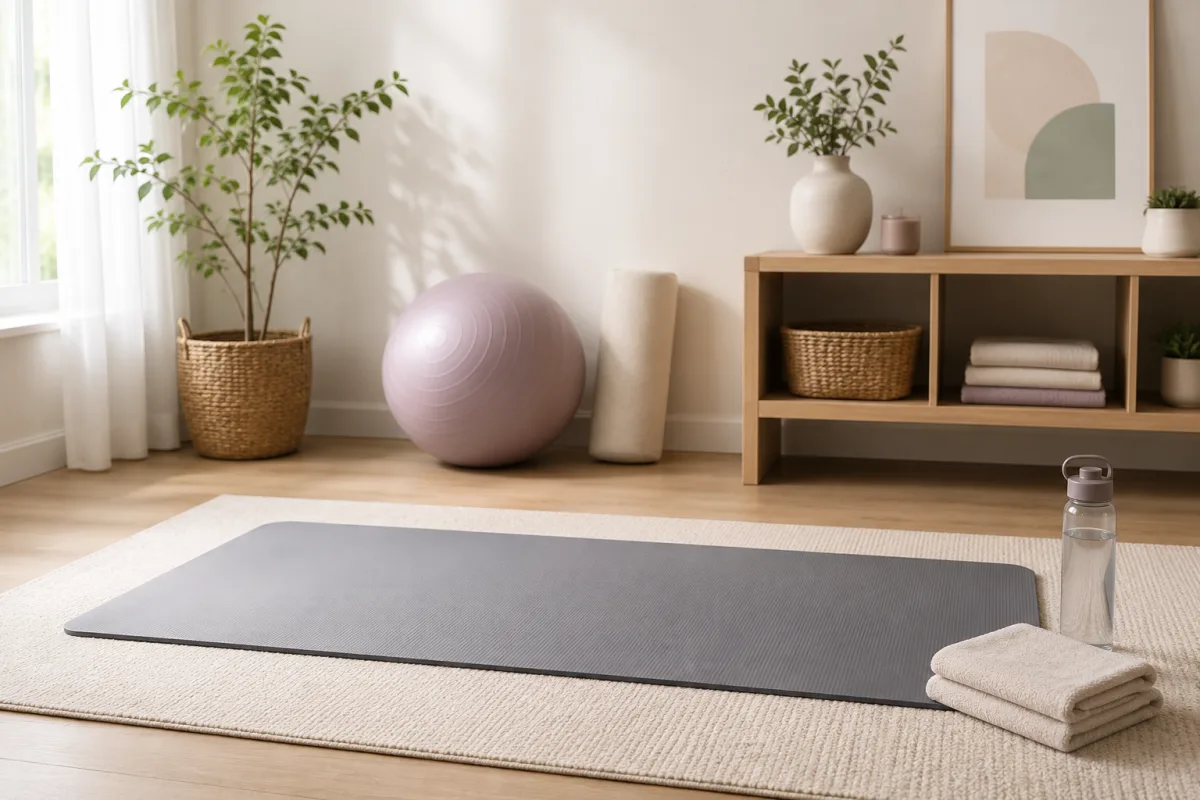
A birth ball can support gentle pelvic circles and seated posture work. Keep one hand near a wall or stable chair if balance is uncertain.
The ball should support calm movement, not turn core work into a balance test.
What Not To Chase
Do not chase soreness, shaking, or a flat belly during pregnancy. Those are poor measures of safe core training.
A better measure is whether breathing stays easy and daily movement feels supported.
Care Team Questions
Ask which movements are safe for your pregnancy, how to handle doming, and if pelvic floor physical therapy would help.
Specific questions get better answers than asking if abs are allowed in general.
Partner Help
A partner can set up the chair, band, mat, and water, then step back unless help is requested.
Livecub's staying intimate during pregnancy guide can help couples keep touch and support consent-based.
Nausea And Timing
Core work may feel better after a small snack or during the least nauseated part of the day.
Livecub's bland pregnancy foods guide can help with simple food ideas around exercise timing.
Supine Caution
After the first trimester, lying flat on the back may be uncomfortable or discouraged for some people. Use incline, side-lying, standing, or hands-and-knees options when needed.
If lying down causes dizziness, nausea, shortness of breath, or feeling unwell, roll to the side and stop.
Repetition Range
Use low repetitions and clean form. Five careful reps can be better than twenty reps with doming and breath holding.
Increase only one variable at a time: reps, resistance, range, or session length.
Warm Up
Start with easy walking, shoulder rolls, and gentle pelvic movement before core exercises.
A warm body usually coordinates better than a body dropped straight into effort.
What To Tell The Clinician
Mention the exact exercises you are doing, what week of pregnancy you are in, and any symptoms during or after training.
Specifics help the clinician or physical therapist adjust the plan safely.
Confidence
Core modifications can feel humbling for people who trained hard before pregnancy.
The goal is not to prove old fitness. It is to keep strength useful while the body is doing a different job.
Workout Notes
Keep a tiny note of exercises, symptoms, and recovery. Patterns can show which moves work and which keep causing pressure.
Bring that note to the next appointment if you keep adjusting without feeling sure.
No Comparison
Another pregnant person's core routine may not fit your body, trimester, or medical history.
Use examples as ideas, not assignments.
After Meals
Avoid core work right after a large meal if reflux, nausea, or pressure is common.
A short walk first can show whether the body is ready for more structured movement.
Hydration
Keep water nearby and pause if heat or thirst builds.
Small breaks are part of safe training.
Frequently Asked Questions
Can I do abdominal exercises while pregnant?
Many people can do modified core work during uncomplicated pregnancy, but the safest plan depends on medical history and symptoms.
Are crunches safe during pregnancy?
Many clinicians recommend avoiding traditional crunches later in pregnancy, especially if they create pressure or doming.
What core exercises are gentler?
Breathing drills, pelvic tilts, hands-and-knees leg raises, standing band work, and wall pushups can be easier to modify.
What is abdominal doming?
Doming is a ridge or cone along the midline during effort. It can mean the exercise needs modification.
Should I see a pelvic floor physical therapist?
It can help if you have pelvic pressure, leaking, pain, doming concerns, or uncertainty about safe core work.
Abdominal exercises while pregnant should support daily movement, not punish the belly. Keep the work gentle, symptom-aware, and easy to modify.

Linda Fehrman
Edits general wellness and relationship explainers. Health material is educational, avoids diagnosis and links to health-authority guidance.


Leave a reply
Replying to