
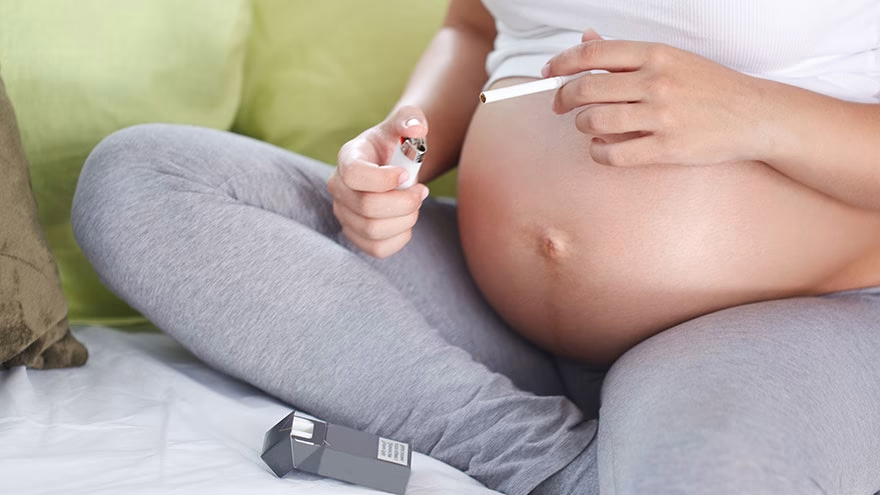
How Does Smoking During Pregnancy Affect the Mental Development of the Fetus? The short answer is that cigarette smoke and nicotine can affect fetal growth, oxygen delivery, and brain development. Researchers also link prenatal tobacco exposure with later attention, learning, behavior, and mental health risks, though many studies must account for other family and environmental factors.
This article is general pregnancy health education, not medical advice. If you are pregnant and smoke, vape, use nicotine pouches, or live with smoke exposure, talk with your obstetrician, midwife, or clinician. Quitting support is care, not judgment.
Smoke Reaches The Pregnancy
Cigarette smoke contains nicotine, carbon monoxide, and many other chemicals. During pregnancy, these exposures can affect blood flow, oxygen delivery, placenta function, fetal growth, and developing organs. The fetal brain is especially sensitive because it is building cells, connections, and signaling systems.
The CDC's cigarettes and reproductive health page says smoking during pregnancy can damage a baby's developing lungs and brain, and that quitting at any time during pregnancy can help.
Oxygen And Growth Matter
The brain needs oxygen, nutrients, and steady growth. Smoking can raise the risk of low birth weight, poor fetal growth, preterm birth, and placenta problems. Babies born too early or too small have higher risk for developmental challenges.
March of Dimes explains in its development and substance exposure guidance that chemicals from smoking can cross the placenta and lower the amount of oxygen and food available to a developing baby.
Nicotine Affects Brain Signaling
Nicotine can interact with brain signaling systems involved in attention, arousal, and learning. Animal and human studies suggest prenatal nicotine exposure may affect how brain circuits develop, but real-life human studies are complex because smoking is often linked with stress, poverty, mental health, nutrition, and other exposures.
That complexity does not make smoking safe. It means researchers are careful about separating direct biological effects from other risks that travel with smoking.
Attention And Learning Risks
Studies have linked prenatal tobacco exposure with higher rates of attention problems, behavior concerns, language delays, lower cognitive scores in some groups, and need for developmental support. Not every exposed child will have these problems, and not every developmental issue is caused by smoking.
The safer message is practical: reducing and stopping tobacco exposure is one modifiable step that can support fetal and child health.
Smoking Is Not Only Cigarettes
Vapes, nicotine pouches, smokeless tobacco, and other nicotine products can still expose the fetus to nicotine. Switching from cigarettes to another nicotine product without medical advice may not remove fetal brain and growth concerns.
ACOG's tobacco and nicotine cessation guidance discusses cigarette smoking and other nicotine products during pregnancy and supports screening and cessation counseling.
Secondhand Smoke Counts

A pregnant person does not have to smoke directly for exposure to matter. Secondhand smoke can contribute to lower birth weight, preterm delivery risk, and infant health problems after birth. Household rules matter.
Ask partners, relatives, roommates, and visitors to smoke outside and away from doors and windows. Smoke on clothing can also bother newborns, so changing outer layers and washing hands can be part of the plan.
Mental Development Is Not One Thing
Mental development includes attention, memory, language, emotional regulation, learning, sleep, behavior, sensory processing, and social development. Smoking may affect some pathways directly and others indirectly through preterm birth, low birth weight, or newborn health problems.
If pregnancy stress or depression makes quitting harder, Livecub's depression during pregnancy article may help readers think about getting support rather than trying to quit alone.
Quitting Earlier Helps, Later Still Helps
Stopping before pregnancy or early in pregnancy gives the best chance to lower risk, but quitting later is still better than continuing. Cutting down can be a step, but a clinician can help build a safer plan and discuss which supports fit pregnancy.
Do not avoid prenatal care because you feel ashamed. Clinicians need accurate information to help you and the baby.
Make A Trigger Plan

Many people smoke more when stressed, lonely, nauseated, angry, or around certain friends. Write down your top triggers and one replacement for each: call someone, step outside without smoking, use gum if approved, drink cold water, walk, or ask to leave the room.
Livecub's early labor emotional support guide is about labor, but the same support principle applies here: a calm, prepared helper can make hard moments easier.
Food And Nausea Can Interfere
Some pregnant people smoke to manage nausea, appetite, or stress around eating. Tell your clinician. There may be safer nausea strategies, meal timing changes, or support options that reduce the urge without nicotine exposure.
Livecub's bland diets for pregnancy article may help with gentle food ideas while you ask for medical guidance.
After Birth Still Matters
Smoke exposure after birth can affect breathing, sleep safety, ear infections, and the baby's environment. If quitting during pregnancy did not happen, the postpartum period is still a valuable time to reduce exposure.
Keep smoke away from the baby, the car, and the home. Ask pediatric care teams for local quit resources and secondhand smoke advice.
Do Not Use Fear Alone
Fear can start a quit attempt, but support keeps it going. A plan may include counseling, text support, quitline help, partner changes, medication discussion, mental health care, and practical help with stress. Pregnancy is a medical moment, not a moral test.
If body image or relationship pressure makes pregnancy harder, Livecub's feeling attractive during pregnancy article may help with the emotional side of caring for yourself while changing habits.
Research Uses Careful Words
You may see words such as linked, associated, or may affect. That does not mean researchers are uncertain that smoking is risky. It means human development is shaped by many things, so studies describe risk carefully.
The practical takeaway stays the same: reducing tobacco and nicotine exposure is one of the changeable steps that can support pregnancy and child development.
Ask For A Quit Plan, Not A Lecture
A good quit conversation should ask how much you smoke, what you tried before, who smokes around you, what triggers cravings, and what support is safe in pregnancy. If you feel dismissed, ask again or request another clinician, counselor, or quitline.
Quitting often takes more than willpower. Stress, withdrawal, habits, and household smoke all need a plan.
Developmental Follow-Up After Birth
If there was tobacco exposure during pregnancy, tell the pediatrician honestly. That does not label the baby. It helps the care team watch growth, feeding, sleep, breathing, hearing, language, attention, and milestones over time.
Early support works best when concerns are noticed early. Regular well-child visits are part of the protection plan.
Make The Home Smoke-Free
A quit plan is harder when the home still smells like smoke or cigarettes are easy to reach. Ask household members to keep tobacco out of the home and car, smoke away from doors and windows, and avoid offering cigarettes during stressful moments.
Partners and relatives can support the pregnancy without becoming perfect overnight. The first target is simple: less smoke near the pregnant person and, later, near the baby.
Relapse Is A Signal To Adjust
If you smoke again after quitting, tell your clinician and restart the plan. A relapse does not mean the pregnancy is ruined or that quitting is pointless. It means the trigger, craving, stress, or support plan needs adjustment.
Many people need several attempts. Each smoke-free stretch still reduces exposure compared with continuing without a plan.
Frequently Asked Questions
Can smoking during pregnancy affect a baby's brain?
Yes. CDC and ACOG warn that smoking and nicotine exposure can affect fetal development, including the brain and lungs.
Does every exposed baby have mental development problems?
No. Risk is not destiny. Many factors affect development, but avoiding tobacco exposure is a safer choice.
Is vaping safer during pregnancy?
Do not assume that. Nicotine products can still expose the fetus to nicotine, and ACOG advises screening and cessation support for tobacco and nicotine use.
Is it too late to quit if I am already pregnant?
No. Quitting at any time during pregnancy can help protect maternal and baby health.
Who can help me quit?
Start with your obstetrician, midwife, primary care clinician, local quitline, or pregnancy support program.
The Development Bottom Line
Smoking during pregnancy can affect fetal mental development by changing oxygen delivery, fetal growth, nicotine exposure, and early brain development. The most useful next step is not guilt. It is honest prenatal care, quitting support, secondhand smoke reduction, and follow-up for the baby's development after birth.

Linda Fehrman
Edits general wellness and relationship explainers. Health material is educational, avoids diagnosis and links to health-authority guidance.




Leave a reply
Replying to