

Here is something pregnancy research reveals that most advice skips over: body dissatisfaction tends to peak in the early to mid-second trimester, not later. At around 14 to 20 weeks, weight gain has become visible, clothing no longer fits properly, and yet the belly has not yet reached the unmistakably round silhouette that reads as clearly pregnant. That in-between zone — where you look different but not definitively bump-forward — is where many women struggle most to feel attractive during pregnancy. The third trimester often brings a psychological shift in the other direction, as the body's shape becomes undeniably purposeful. Understanding that dip is the most practical starting point, because it means what you are experiencing at week 16 or 18 is not unusual or a sign that something is wrong with how you feel about yourself.
Body image during pregnancy — what research shows by trimester
A prospective study published in BMC Pregnancy and Childbirth found that body image dissatisfaction was highest in the early to mid-second trimester and that these second-trimester disturbances were significant predictors of how women felt about their bodies postpartum. That finding matters because it suggests this is not just a passing moment of vanity — it has real psychological momentum, and addressing it during pregnancy is worthwhile.
The first trimester tends to be dominated by nausea, fatigue, and physical symptoms rather than visible changes, so body image concerns are often secondary to simply getting through the day. By the third trimester, research shows many women shift toward a kind of acceptance or even pride, as the physical transformation feels more clearly tied to the baby growing inside. The difficult window is in the middle, and knowing that does not make it easy — but it does make it less bewildering.
A separate body of research links body image dissatisfaction during pregnancy to depression during pregnancy, reduced prenatal bonding with the baby, and in some cases harmful behaviors like restrictive eating. These connections make self-care not a luxury but a genuine health priority. What follows is a section-by-section, evidence-informed look at what actually helps.
Maternity clothing that fits and flatters

The single most practical thing you can do in those early weeks — before you need full maternity wear — is go up one size in regular clothing rather than squeezing into your pre-pregnancy wardrobe. A slightly looser regular top at week 14 feels better than a tight one, and it buys time before the maternity section becomes necessary.
When the bump arrives in earnest, fit is everything. Clothes that are oversized everywhere except the belly tend to read as shapeless; the goal is fabric that moves with the body rather than hiding it. Empire waistlines, which sit just below the bust, are flattering at nearly every stage because they define the chest while allowing the abdomen to expand freely. Stretchy jersey fabrics and modal blends are worth investing in — they accommodate a growing belly without losing their shape over weeks of wear.
Pregnancy also tends to raise your body temperature, so layering light pieces gives you flexibility throughout the day. A soft cardigan over a fitted tank, or a wrap dress in a breathable fabric, adapts more easily to how your body runs warmer than it used to. Update your maternity wardrobe in stages rather than buying everything at once — the bump at 20 weeks and the bump at 36 weeks are different fits, and a few well-chosen pieces at each stage beats a closet full of things that only work for a month.
If you want tips specifically on extending your existing wardrobe, see how to wear regular jeans while pregnant.
Skincare during pregnancy — what's safe and what to avoid
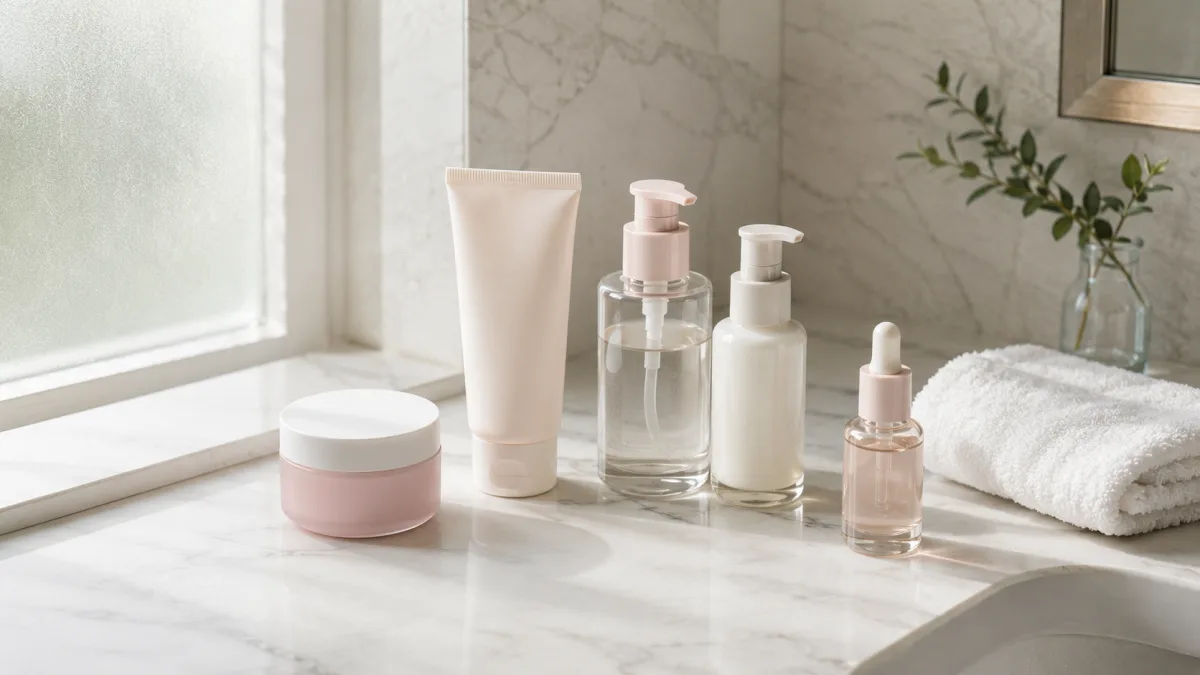
Pregnancy changes the skin in ways that can feel disorienting: hormonal fluctuations bring extra oiliness in some women and dryness in others, hyperpigmentation (melasma) affects up to 70% of pregnant women, and acne that had not appeared since adolescence can return. The complication is that several of the most effective skincare ingredients are contraindicated during pregnancy.
Ingredients to stop using during pregnancy include:
- Retinoids and retinol — high-dose vitamin A derivatives are associated with developmental harm when taken orally; topical safety data during pregnancy is limited, and most clinicians recommend avoiding them entirely.
- Hydroquinone — used for dark spots and melasma, but it has high systemic absorption rates compared to other topicals.
- High-dose salicylic acid in leave-on products — rinse-off formulas and concentrations below 2% are considered lower-risk, but high-strength BHA toners should be avoided.
- Oxybenzone — a chemical UV filter found in many sunscreens; switch to mineral sunscreens containing zinc oxide or titanium dioxide.
What is safe and effective: azelaic acid works well for hyperpigmentation and mild acne, and it is one of the few ingredients with pregnancy safety data. Niacinamide helps even skin tone and reduces inflammation without raising safety concerns. Glycolic acid in low concentrations (under 10%) is generally considered acceptable. Hyaluronic acid is fine for hydration. For acne, a low-concentration benzoyl peroxide wash used briefly and rinsed off is considered lower-risk than a leave-on product, according to AAD guidance, though your provider's guidance should take precedence.
The key shift is from treatment-focused skincare to maintenance-focused skincare during pregnancy — keeping skin clean, hydrated, and protected from the sun with a mineral SPF rather than trying to aggressively treat conditions that will largely resolve postpartum.
Hair care and coloring during pregnancy
One of the more pleasant surprises of pregnancy is what estrogen does to your hair. During pregnancy, elevated estrogen levels prolong the anagen phase — the active growth phase of each hair follicle. Fewer hairs move into the telogen (resting and shedding) phase than usual, which means hair appears fuller, thicker, and more voluminous. This effect is real, not imagined, and it typically peaks in the second and third trimesters.
The less pleasant news: it reverses after birth. Postpartum telogen effluvium, the wave of shedding that usually begins two to four months after delivery, is estrogen dropping suddenly and releasing all those retained hairs at once. Losing 100 to 300 hairs per day during that period is medically normal even though it can feel alarming. Prenatal vitamins containing biotin, iron, and folate support general hair health but will not prevent this postpartum shed — it is a hormonal process, not a nutritional deficiency.
On hair coloring: the ACOG position is that hair dye is generally considered safe during pregnancy, because skin absorption of the chemicals is minimal and the amounts that could reach the placenta are unlikely to be significant. That said, most providers recommend waiting until after the first trimester as a precautionary measure — the first 12 weeks are when organogenesis (organ formation) is most active. Highlights and balayage are considered the safest coloring options because the product does not contact the scalp directly, reducing absorption further. If you do color your hair during pregnancy, use a well-ventilated space and rinse thoroughly.
Regular trims are worth keeping up. Healthy ends and a fresh cut make a tangible difference in how your hair looks and feels, especially when styling energy is low.
Exercise during pregnancy — benefits for body and mood
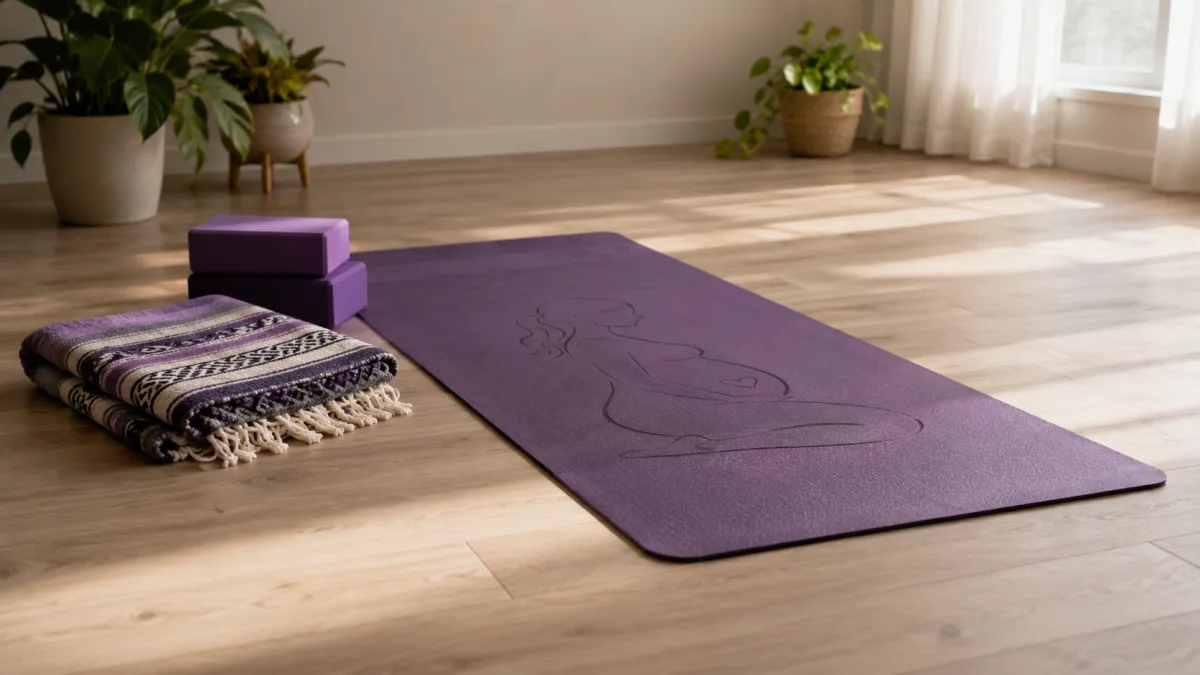
The American College of Obstetricians and Gynecologists recommends that women with uncomplicated pregnancies aim for 150 minutes of moderate-intensity aerobic activity per week — the same target as the general adult population. Moderate intensity means you can hold a conversation but would find it hard to sing. That 150 minutes can be broken into 30-minute sessions five days a week or shorter 10-minute blocks throughout the day; both approaches count.
The physiological benefits extend well beyond fitness. Exercise during pregnancy increases endorphin release, which improves mood and can reduce the low-grade anxiety that many women experience. It helps counteract fatigue by improving cardiovascular efficiency. Regular movement during pregnancy is associated with reduced lower back pain, better sleep quality, and lower risk of gestational diabetes. These are not incidental benefits — they affect how you feel in your body every day, which directly connects to feeling better about your body.
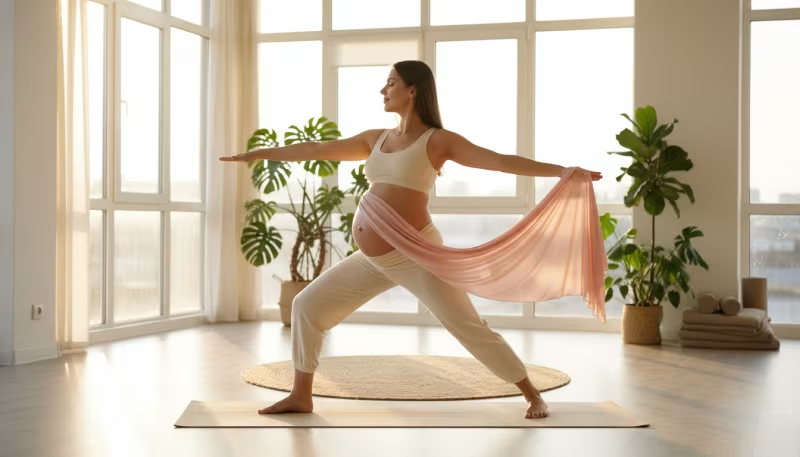
Activities that work well throughout pregnancy include walking, swimming, stationary cycling, and prenatal yoga. Swimming is particularly good in the third trimester because the buoyancy offsets the weight on joints and the spine. Contact sports, activities with significant fall risk (skiing, horseback riding), scuba diving, and hot yoga are on the ACOG list of activities to avoid. Always check with your provider before starting any new exercise program during pregnancy, and stop if you experience pain, dizziness, chest pain, or unusual breathlessness.
Exercise also creates a feedback loop with body image: moving regularly — even gently — tends to shift the psychological relationship with the body from passive observation to active participation. That shift matters.
Stretch marks — what actually works (and what doesn't)
Stretch marks form when the dermis — the middle layer of skin containing collagen and elastin fibers — tears as the skin stretches faster than those fibers can accommodate. Pregnancy is one of the most common causes because of both the speed of abdominal growth and the hormonal changes that affect skin elasticity. They appear first as reddish or purplish lines (striae rubrae) and fade over time to silver or white (striae albae), though they rarely disappear entirely.
The honest answer about prevention is that genetics is the dominant factor. If your mother developed stretch marks during pregnancy, your risk is substantially higher regardless of what you apply to your skin. That does not mean topical products do nothing — there is some evidence that consistent moisturizing keeps skin more supple and may reduce severity — but the expectation should be reduction of severity, not prevention.
Vitamin E creams are widely marketed for stretch mark prevention, but the clinical evidence does not support their effectiveness. A Cochrane-reviewed analysis found no statistically significant difference in stretch mark severity between women who used topical preparations and those who did not. Products containing centella asiatica or hyaluronic acid have shown modest benefit in some studies when applied consistently from early pregnancy. Staying well-hydrated and gaining weight within your provider's recommended range (which varies based on your pre-pregnancy BMI) reduces the pace of skin stretching, which is meaningful.
What postpartum options exist if you want to address them later: topical tretinoin (retinoid), laser therapy, and microneedling all have evidence behind them for improving appearance after delivery. During pregnancy, the focus is realistically on hydration and consistency, not elimination.
Intimacy and feeling connected to your partner
Libido during pregnancy is not linear, and knowing the typical pattern is useful. The first trimester often brings decreased desire — nausea, fatigue, and hormonal volatility are not conditions that invite intimacy. The second trimester frequently reverses this: energy returns, the pregnancy feels more stable, and increased blood flow to the pelvic region can heighten sensitivity. Many women report this as the most comfortable period for sex during pregnancy. The third trimester tends to bring a second decline as the physical bulk of the belly changes what feels comfortable and fatigue increases again.
ACOG is clear that sexual intercourse is safe throughout an uncomplicated pregnancy. The fetus is protected by the amniotic sac and uterine muscles, and orgasm does not cause miscarriage in healthy pregnancies. Exceptions include placenta previa, a history of preterm labor or cervical incompetence, and unexplained bleeding — in those cases, your provider will advise you specifically.
Physical position becomes more of a practical consideration than a safety one as the pregnancy advances. Side-lying positions and those where you control depth and pace tend to be more comfortable in the third trimester. Communication with your partner about what feels good and what does not is the most effective tool here — and that communication itself tends to strengthen connection.
Feeling attractive to and desired by a partner matters. It is reasonable and worth saying directly. Partners can help by expressing attraction explicitly and consistently — not in a performative way, but genuinely. If the shift in your body is making you withdraw from intimacy, naming that to your partner opens a conversation rather than letting distance build. See also how to stay intimate during pregnancy for more on maintaining connection across all trimesters.
Prenatal massage and self-care
Prenatal massage, performed by a certified therapist, has measurable physiological effects beyond relaxation. Research cited by Cleveland Clinic shows that regular prenatal massage reduces cortisol and norepinephrine (stress hormones) while increasing serotonin and dopamine levels. Some studies have linked consistent prenatal massage to improved labor outcomes and higher birth weights, though the evidence here is less definitive than the stress-reduction data.
The practical guidelines matter. Most therapists and providers recommend waiting until the second trimester (12 weeks) before beginning prenatal massage, when miscarriage risk drops significantly. During sessions, lying on your back is avoided after about 16 to 20 weeks because it can compress the vena cava and reduce blood flow; side-lying positioning with bolsters is standard. Deep tissue work on the legs and abdomen is contraindicated during pregnancy. Choose a therapist specifically certified in prenatal massage — the anatomical knowledge required is meaningfully different from standard massage training.
Beyond massage, self-care during pregnancy is worth taking seriously as a category. A warm bath (not hot — core body temperature should not exceed 102°F during pregnancy), a facial with pregnancy-safe products, gentle movement like slow dancing or stretching to music, and boudoir photography that celebrates the changing body are all ways women have described reconnecting with how they look and feel during pregnancy. None of these require a significant time or financial investment; they require treating them as legitimate priorities rather than extras.
For support around the emotional and mental health dimension of pregnancy, see how to provide emotional support during early labor and how to deal with depression during pregnancy.
Frequently Asked Questions
Is it normal to feel unattractive during pregnancy?
Yes — and the research confirms it. Body dissatisfaction tends to peak in the early to mid-second trimester as the body changes visibly but before the bump is fully formed. Most women report that this eases in the third trimester as the pregnancy becomes more visually apparent. What you are feeling is widely shared and does not reflect vanity or an attitude problem.
Can I use retinol or vitamin C serum while pregnant?
Retinol and other retinoids should be avoided during pregnancy due to limited safety data and known risks of high-dose vitamin A. Vitamin C serum (ascorbic acid) is generally considered safe and is actually a good alternative for brightening and antioxidant support. Azelaic acid and niacinamide are also pregnancy-compatible options. Always check with your dermatologist or OB if you are unsure about a specific product.
When is it safe to start prenatal massage?
Most providers recommend waiting until the second trimester (12 weeks) when miscarriage risk decreases significantly. Once you are in the second trimester, regular prenatal massage — every two weeks is often cited as a good frequency — is safe for most healthy pregnancies. Always get clearance from your healthcare provider first, particularly if you have complications like preeclampsia, gestational diabetes, or a blood clotting history.
Does exercise during pregnancy help with mood?
Yes, and the mechanism is measurable. Aerobic exercise triggers endorphin release, which improves mood. Regular physical activity during pregnancy is also associated with reduced anxiety, better sleep, lower rates of gestational diabetes, and less severe back pain — all of which have downstream effects on how you feel about yourself and your body. ACOG recommends 150 minutes of moderate-intensity exercise per week for women with uncomplicated pregnancies.
Will I definitely get stretch marks during pregnancy?
Genetics is the strongest predictor. If your mother developed stretch marks during her pregnancies, your likelihood is higher regardless of preventive measures. Staying hydrated, gaining weight at the rate your provider recommends, and applying a moisturizer consistently may reduce severity but are unlikely to prevent them entirely if you are genetically predisposed. They fade substantially postpartum, though they rarely vanish completely.
Is hair coloring safe during pregnancy?
According to ACOG, hair dye is generally considered safe during pregnancy because skin absorption is minimal. Most providers recommend waiting until after the first trimester as a precaution. Highlights and balayage — where the product does not touch the scalp — are considered the lowest-risk coloring options. Use a well-ventilated space and rinse thoroughly regardless of which method you choose.
This article is for general informational purposes only and is not a substitute for professional medical advice. Always consult your healthcare provider before starting a new exercise routine or skincare regimen during pregnancy.
One concrete step worth taking this week: book a prenatal massage with a certified therapist. It is one of the few evidence-backed interventions that simultaneously reduces stress hormones, eases physical discomfort, and gives you dedicated time to reconnect with your body rather than audit it.

Olivia Prete
Edits culture and personal-development articles, distinguishing opinion and experience from verifiable claims.

Leave a reply
Replying to