

About AARP Renters Insurance means understanding that AARP itself is not the policy language. AARP members may access renters insurance from The Hartford, but the contract, price, eligibility, discounts, and claims process belong to the insurer and the policy.
Renters insurance is usually a modest policy with large practical value: it can protect personal belongings, provide liability coverage, and help with additional living expenses after a covered loss.
Start With The AARP Link
AARP lists renters insurance from The Hartford among member insurance benefits for people renting an apartment, condo, or house: AARP insurance benefits.
The Hartford's AARP renters page says renters coverage can help repair or replace belongings after covered damage and provide liability protection if someone is injured at your home: The Hartford AARP renters insurance.
Read the current offer page before relying on any article, because availability and discounts can change by state and eligibility.
Know What Renters Insurance Usually Covers

A renters policy commonly includes personal property, personal liability, medical payments to others, and loss of use or additional living expense coverage.
NAIC explains that renters insurance protects personal property against damage or loss and can also protect you if someone is injured on your property: NAIC renters insurance overview.
The exact covered causes of loss, limits, deductibles, and exclusions depend on the policy form.
Remember The Landlord Gap
Your landlord's insurance usually protects the building, not your belongings. If fire, theft, smoke, or certain water damage affects your things, the landlord's policy may not help you replace them.
That gap is the main reason renters insurance exists. It is not only for people with expensive furniture.
Students, retirees, roommates, and people in small apartments can still have clothing, electronics, medications, kitchen items, and documents worth protecting.
Build A Simple Home Inventory
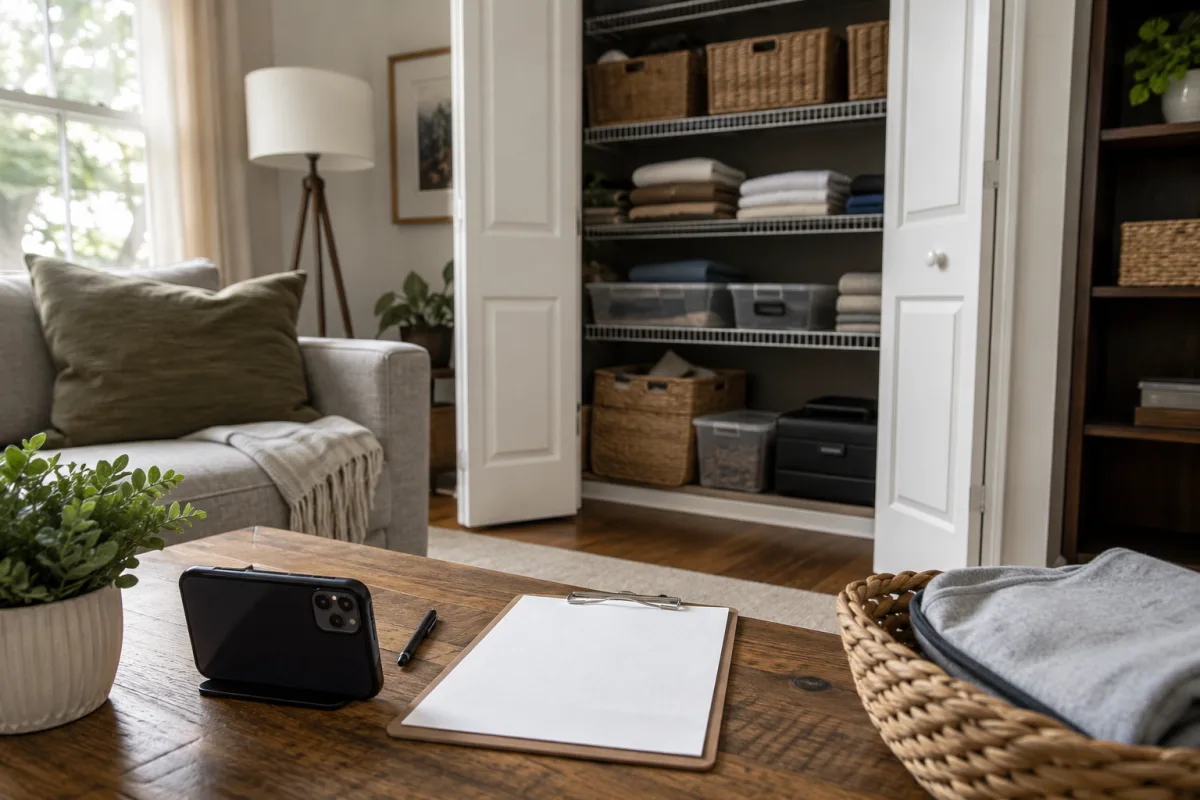
Walk through each room and record video, photos, serial numbers, receipts, and estimated replacement costs. Save the file somewhere outside the home.
A home inventory helps you choose a personal property limit and can make a claim less chaotic.
The habit is similar to checking financial records; if you already track assets, finding out what savings bonds are worth is another example of keeping records current.
Check Replacement Cost Versus Actual Cash Value
Replacement cost coverage generally aims to pay the cost to replace covered items, subject to policy terms. Actual cash value may subtract depreciation.
The difference can matter after a loss. A five-year-old couch, laptop, or television may be valued very differently under the two approaches.
Do not choose only by premium. Compare how claims would be paid.
Ask About High-Value Items
Jewelry, collectibles, musical instruments, art, firearms, cameras, bikes, and business equipment may have sublimits or need extra coverage.
Ask the insurer or agent what is limited, what needs scheduling, and what proof is needed before a claim.
If you keep financial paperwork or heirlooms at home, ask how documents and valuables are treated.
Look At Liability Limits
Liability coverage can matter if someone is injured in your rental or if you are responsible for damage covered by the policy.
Choose limits by thinking about risk, assets, pets, guests, and what you could afford to defend or pay without insurance.
Insurance is part of a broader household finance plan, much like teaching kids about money starts with making risk and choices visible.
Understand Deductibles
A deductible is the amount you pay before insurance responds to a covered claim. A higher deductible may lower premium but raises the cost of a small claim.
Pick a deductible you could actually pay after a loss. A cheap policy can feel expensive if the deductible is unrealistic.
Keep emergency savings separate from premiums when you compare options.
Ask About Bundles And Discounts
AARP member benefits, auto bundling, protective devices, claim history, location, credit-based insurance score where allowed, and payment method may affect pricing.
Discounts do not matter if the base coverage is wrong. Compare the policy after discounts, not just the discount percentage.
If you are weighing insurance against other financial products, keep the categories separate; coverage is not an investment like a fixed annuity or fixed index annuity.
Read Exclusions Before A Claim
Flood, earthquake, pests, wear and tear, intentional damage, business property, roommates' property, and certain water losses may be excluded or limited.
If you need flood or earthquake coverage, ask about separate policies or endorsements before assuming renters insurance handles it.
The best time to read exclusions is before move-in, not while standing in a damaged apartment.
Roommates Need Their Own Answers
A renters policy may not automatically cover a roommate's property. Couples, family members, and unrelated roommates can be treated differently depending on the policy.
Ask exactly who is insured, whose belongings are covered, and whether names need to be listed.
Do not rely on a casual promise that everyone is probably covered.
How To Compare Quotes
Use the same personal property limit, liability limit, deductible, replacement-cost option, endorsements, and address when comparing quotes.
Then compare claims reputation, financial strength, service access, payment options, cancellation terms, and state complaint resources.
A lower premium is useful only if the policy still covers the risks you actually face.
Ask About Pets
Dogs, cats, and other pets can affect liability, exclusions, and eligibility. Some insurers ask about breed, bite history, or animal type.
If a pet injures someone or damages property, the policy response depends on the contract and state rules.
Tell the truth when applying. A hidden pet issue can become a claims problem later.
Understand Loss Of Use
Loss of use, sometimes called additional living expense, may help pay for temporary housing and extra costs if a covered loss makes the rental unlivable.
Check daily limits, total limits, covered causes, and how long the insurer will pay.
This coverage can matter after fire, smoke, or severe water damage because replacing belongings is not the only cost.
Before Moving In
Ask whether coverage starts before the move, during the move, or only once belongings are at the new rental.
Take photos of the rental condition, locks, smoke alarms, and any existing damage. Those records are separate from insurance but useful.
If the lease requires renters insurance, match the liability limit and listed party requirements exactly.
After A Claim
Protect people first, then prevent further damage if it is safe. Contact the insurer quickly and ask what documentation is needed.
Do not throw away damaged property until the insurer explains what to keep or photograph, unless safety requires disposal.
Keep a claim log with dates, names, claim numbers, expenses, receipts, and next steps.
Ask State Insurance Questions
Renters insurance is regulated at the state level. Complaint processes, policy forms, cancellation rules, and consumer resources can vary.
If something in a quote seems unclear, your state insurance department may have consumer guides or complaint tools.
Use those resources before a dispute becomes expensive.
Keep The Policy With The Lease
Store the declarations page, lease insurance requirement, inventory, receipts, and claim phone number in one folder.
If the landlord asks for proof of insurance, send the document the policy provides instead of a screenshot of a payment.
Review the folder at renewal and after buying expensive items.
Review At Renewal
Renewal is not only a payment date. It is a chance to check belongings, liability, deductible, roommates, pets, address, and discounts.
If rent, neighborhood, valuables, or household members changed, the old policy may no longer fit cleanly.
Ask whether a new quote changes coverage or only price. Lower cost with lower protection is not the same deal.
Keep the prior declarations page so you can compare changes line by line.
Frequently Asked Questions
Is AARP renters insurance issued by AARP?
AARP lists member access to renters insurance from The Hartford; the policy details are handled by the insurer.
Do renters need insurance if the landlord has insurance?
Yes, if they want protection for their own belongings and liability. The landlord policy usually covers the building.
Does renters insurance cover roommates?
Not always. Ask who is insured and whether a roommate needs a separate policy.
What should I check before buying?
Check limits, deductibles, exclusions, replacement cost, high-value items, liability, and loss-of-use coverage.
Can prices change by state?
Yes. Eligibility, discounts, filings, coverage forms, and rates can vary by state and insurer.
This article is for general information only and is not financial, legal, insurance, medical, or tax advice. Policy terms, prices, eligibility, and laws change; read the policy and ask a licensed professional.

Patrick Harwood
Edits sports, consumer-finance and general legal explainers. Regulated or time-sensitive topics link to primary sources and are not professional advice.




Leave a reply
Replying to