

Activities That Build Female Self Esteem should help girls and women feel capable, heard, skilled, connected, and at home in their bodies. The best activities are not about looking confident for other people.
Use these ideas with care. A girl who is anxious, depressed, bullied, restricted around food, or unsafe needs support from trusted adults and qualified professionals, not a craft list standing alone.
Start With Capability
Self-esteem grows when girls see what they can do: solve, build, move, repair, learn, lead, help, and speak.
Child Mind Institute advises parents to raise confident daughters by modeling body acceptance, praising effort, encouraging sports, and moving compliments beyond appearance: Child Mind daughter self-esteem tips.
Strength List
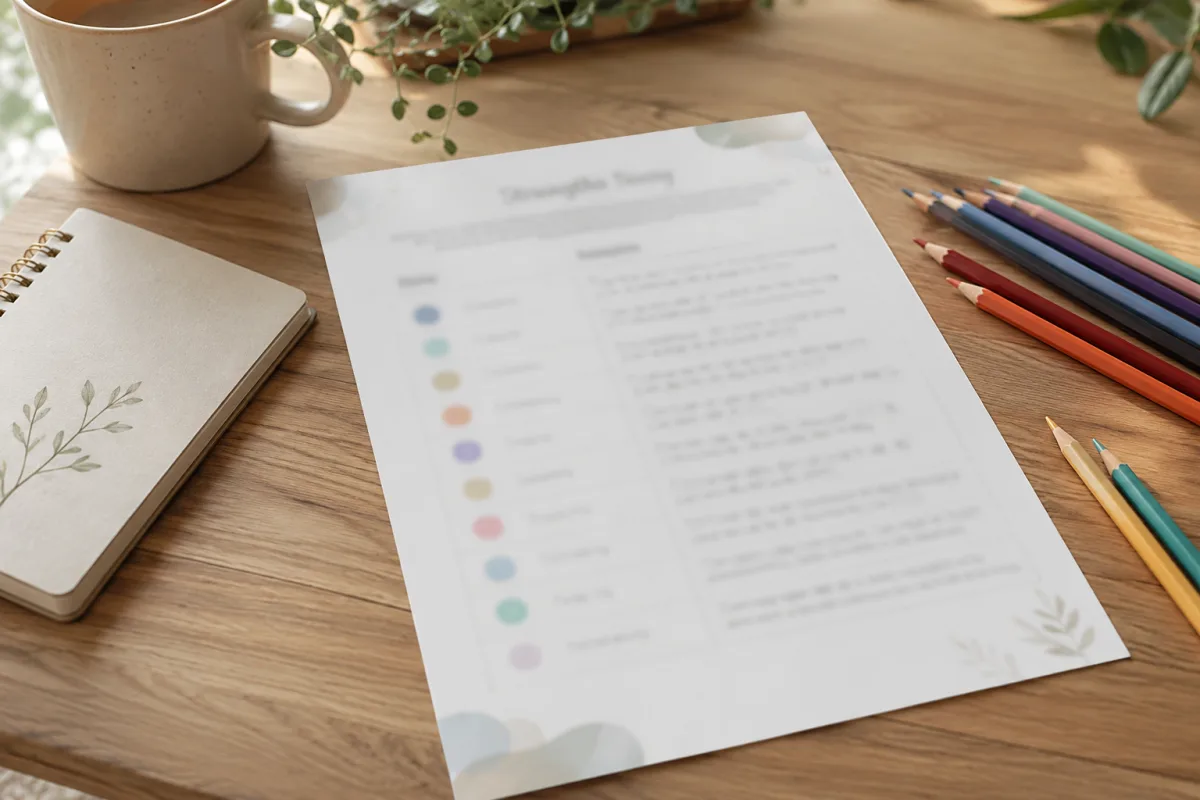
Ask each girl or woman to write ten strengths that are not about appearance. The list can include patience, humor, memory, courage, kindness, planning, rhythm, or focus.
If ten feels hard, start with three and ask a trusted person to add one observed strength.
Skill Swap
Pair people to teach each other one small skill: a braid, a recipe, a budgeting trick, a stretch, a study method, a repair, or a phone setting.
Teaching reminds the person that they have knowledge worth sharing.
Movement For Function
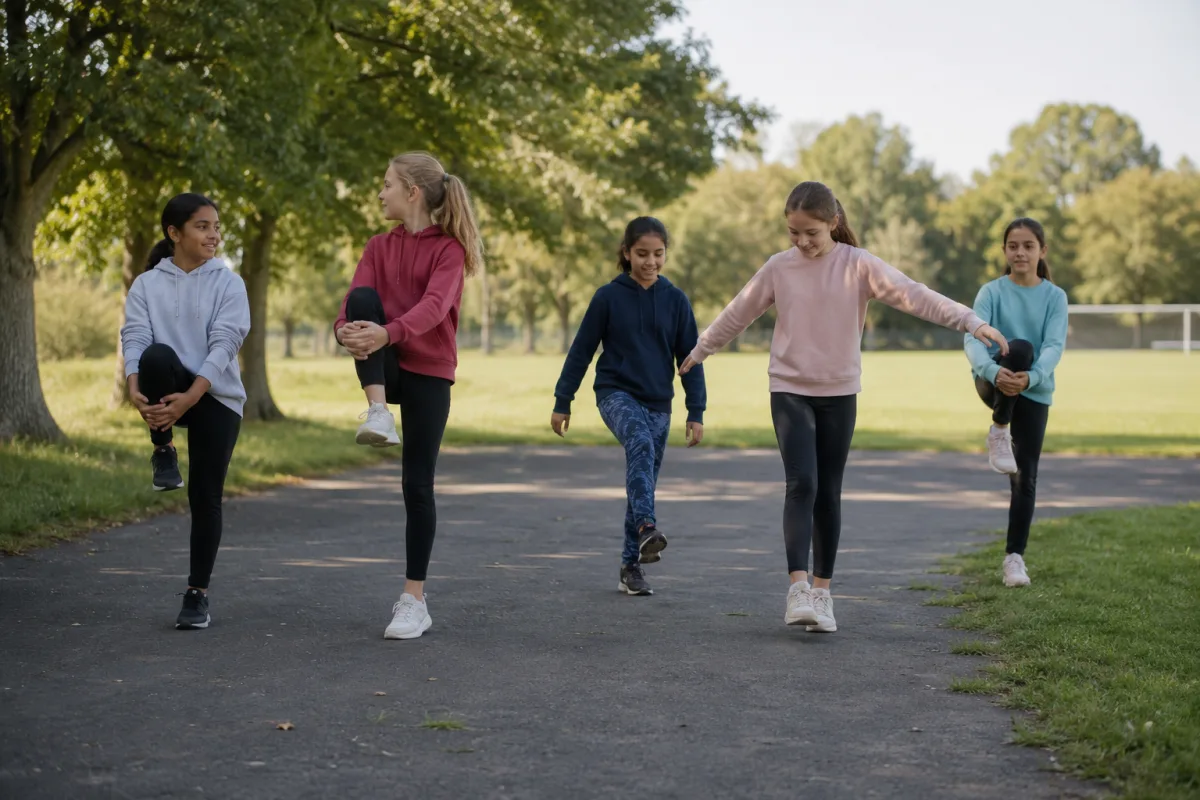
Choose movement that celebrates what the body can do: walking, dance, swimming, climbing, yoga, sports, martial arts, or strength training.
The focus is not shrinking the body. The focus is balance, power, rhythm, breath, endurance, and joy.
Sports And Nerves
Sports can build confidence when coaches value effort, safety, teamwork, and skill rather than humiliation.
For parents with younger athletes, Livecub's toddler tantrum guide can also help with early emotional coaching before sports pressure appears.
Body Neutral Mirror Practice
Mirror work does not need forced positivity. Try body-neutral statements: these legs carry me, these hands help me, this face expresses me.
Mental Health Foundation reports that body image concerns can affect children and that girls are more likely than boys to report appearance and weight worries: Mental Health Foundation body image report.
Media Sorting
Review social feeds, shows, ads, and influencers. Ask which ones leave the person feeling capable, and which ones leave them comparing.
Then mute, unfollow, or limit the content that keeps turning self-worth into a performance.
Voice Practice
Practice saying preferences out loud: I want, I do not want, I need time, I disagree, I have a question.
The activity can be done with role-play cards so the first attempt happens in a safer room.
Boundary Cards
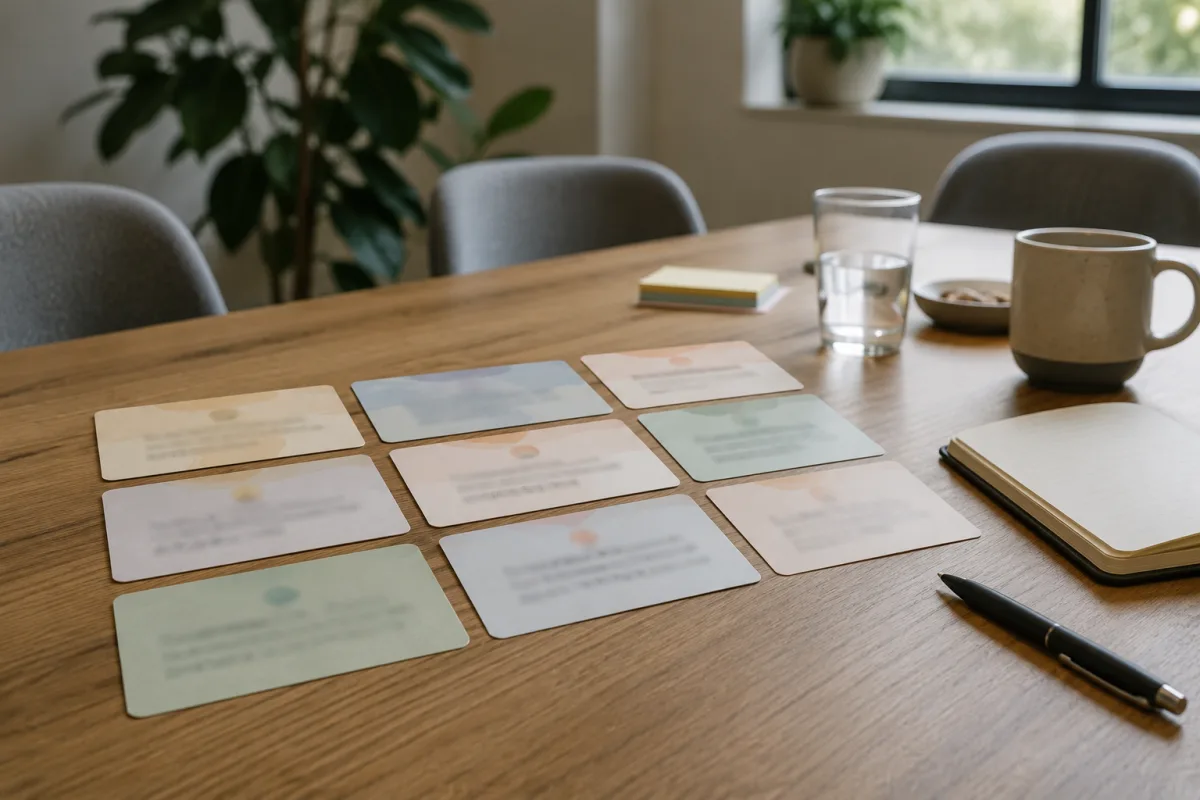
Write boundary scripts on cards. Keep them short enough to remember under pressure.
Examples include no thank you, I am not discussing my body, I need to leave, and that joke is not okay.
Useful Home Jobs
Competence starts early. Children who contribute at home learn that they are needed, not just watched.
Livecub's baby-proofing guide can help parents make early exploration safer before children take on bigger tasks.
Care Milestones Without Shame
Self-care milestones should not become a scoreboard. Bathroom, bathing, dressing, and hygiene skills need patience.
Livecub's getting kids off pull-ups guide gives parents one example of helping independence without turning it into humiliation.
Early Development Awareness
Girls do not all develop at the same pace. Prematurity, disability, illness, temperament, and family stress can change the support needed.
Livecub's premature baby development guide can remind caregivers to watch the actual child, not only the calendar.
Care Skills For Younger Children
Even early care routines can become the start of body respect when adults speak gently and explain what they are doing.
Livecub's washing an infant guide is for parents, but the principle lasts: bodies deserve care, privacy, and respect.
Achievement Wall
Create a wall, folder, or box for effort evidence: projects, badges, photos, notes, solved problems, repaired mistakes, or kind actions.
Review it on hard days so memory has more than criticism to work with.
Compliment Rewrite
Practice turning appearance comments into capability comments. Instead of you look pretty, try you look focused, strong, proud, creative, prepared, or comfortable.
Appearance compliments are not banned, but they should not be the only mirror a girl receives.
Mentor Interview
Interview a woman about a skill she built, a mistake she recovered from, and a boundary she learned to set.
Hearing honest stories can protect girls from thinking confident adults were always confident.
Repair Circle
In a group, each person names one mistake and one repair. The repair matters more than the mistake.
This activity teaches that embarrassment is not the end of belonging.
Service Project
Helping others can build self-worth when it is chosen and age-appropriate, not used to silence needs.
A project might be packing supplies, writing cards, cleaning a shared space, tutoring, or helping a neighbor.
Friendship Map
Draw three circles: people who restore me, people who drain me, and people who are not safe.
CDC notes that youth mental health struggles affect some groups more than others and that connection can protect mental health: CDC youth mental health.
Decision Practice
Give real choices with real consequences: club options, clothing within limits, room setup, meal help, study plan, or weekend activity.
Making decisions builds self-trust when adults allow reasonable mistakes.
Body Talk House Rule
Create a rule that family members do not insult their own bodies or someone else's body at home.
Adults should follow it too. Girls learn from the way grown women talk about themselves.
Leadership Rotation
In a family, club, or classroom, rotate who leads a small task. Let each person choose the warmup, organize supplies, or open the discussion.
Leadership feels less mysterious when it is practiced in small, ordinary turns.
Assertive Message Practice
Write and rehearse messages that are clear without being cruel. I cannot come, I need help, I disagree, or please stop.
Practicing the words ahead of time makes them easier to find when pressure rises.
Money Skill Activity
Teach a simple money skill: compare prices, plan a small budget, save toward a goal, or read a receipt.
Financial competence can support self-esteem because it gives a person more say in daily choices.
Fix Something
Repair a loose button, organize a drawer, patch a bike tire, reset a device, or help cook a meal.
Fixing something teaches I can affect my surroundings, which is a quiet form of confidence.
Values Collage
Make a collage or page based on values instead of appearance. Use words and images for courage, faith, humor, learning, family, creativity, justice, or rest.
The point is to ask who am I becoming, not how do I compare.
Compliment Others Well
Practice giving compliments that name effort, kindness, skill, honesty, courage, or creativity.
Learning to see those traits in others can help a girl learn the same language for herself.
Solo Time Practice
Self-esteem can grow when a person learns to enjoy her own company without needing constant approval.
Try a solo walk with a trusted safety plan, a library visit, journaling, art, music, or a quiet hobby.
Safety Planning
Confidence should not mean ignoring danger. Teach girls how to leave, call for help, trust discomfort, and name unsafe behavior.
A safety plan protects agency instead of asking girls to be polite at any cost.
Goal Board
Create a goal board with skills to learn, books to read, places to apply, people to ask, and habits to practice.
Keep the goals mixed: body, mind, relationships, creativity, service, money, and rest.
Conflict Practice
Role-play a disagreement where the goal is not winning. The goal is staying respectful, clear, and honest.
Healthy conflict practice can reduce the fear that every disagreement will end belonging.
Rest Without Earning It
Teach that rest is not only a reward for being useful, thin, nice, pretty, or productive.
Rest supports mood, learning, body respect, and the ability to return to hard things.
Adult Modeling
Girls listen to what adult women say about work, food, aging, bodies, ambition, and boundaries.
Adults do not need perfect confidence. They need to model repair, respect, and honest self-talk.
When Activities Are Not Enough
Activities are not treatment for eating disorders, self-harm, depression, trauma, bullying, abuse, or severe anxiety.
If warning signs appear, involve a pediatrician, therapist, school counselor, or crisis support depending on the risk.
Frequently Asked Questions
What activities build female self esteem?
Helpful activities include strength lists, skill swaps, movement for function, voice practice, boundary cards, media sorting, mentoring, and service projects.
How can parents support girls' self-esteem?
Praise effort and capability, reduce appearance pressure, model body respect, allow safe independence, listen seriously, and get help for warning signs.
Should girls avoid appearance compliments?
Not always, but appearance should not be the main source of praise. Balance it with courage, effort, creativity, skill, kindness, and leadership.
Can sports build self-esteem?
Yes, when the environment is safe and effort-focused. Sports can build skill, teamwork, body trust, and recovery after mistakes.
When is professional support needed?
Seek help for eating concerns, self-harm thoughts, depression, trauma symptoms, bullying, abuse, panic, or severe avoidance.
Activities that build female self esteem should leave girls and women with more agency, not more pressure. Build skill, voice, body respect, connection, and proof of effort.

Olivia Prete
Edits culture and personal-development articles, distinguishing opinion and experience from verifiable claims.



Leave a reply
Replying to