Press Enter to search or ESC to close
Health

Signs of Quiet Quitting in Relationships and What to Do

Patrick Harwood
· · Updated Jan 26, 2026 · 17 min read

Signs of Quiet Quitting in Relationships and What to Do

You know that feeling, right? That subtle shift in the air, a quiet chill creeping into what used to be a warm, vibrant space. Maybe it's not a screaming match or a dramatic breakup, but rather a slow, almost imperceptible drifting apart.

It's like your partner is still physically there, going through the motions, but emotionally, they've clocked out. Their energy is elsewhere. Their engagement feels...

minimal. It’s not an active rebellion, but more a passive withdrawal. Sound familiar?

We often talk about "quiet quitting" in the workplace, where employees do the bare minimum, but what happens when that attitude infiltrates our closest, most intimate relationships? That, my friend, is a phenomenon that’s far more common than we realize, and it can be devastatingly difficult to navigate because it lacks the obvious drama of a full-blown crisis.

It leaves you feeling confused, lonely, and often, utterly helpless. But you’re not helpless, and you’re certainly not alone in this. We’re going to unpack this together.

Why This Matters

Here’s the thing about quiet quitting in relationships: it’s a silent killer. Unlike a loud argument or a clear declaration of needing space, this slow fade can be much harder to identify and address. It erodes the very foundations of connection – trust, intimacy, shared experiences, and emotional safety – without a clear catalyst.

Think about it. When there’s an obvious problem, you know what you’re dealing with. You can have a conversation, maybe even a fight, and work towards a resolution.

But with quiet quitting, it’s like trying to catch smoke. You feel the absence, the lack, but you can’t quite put your finger on it. You might start to second-guess yourself, wondering if you’re overreacting, if you’re too needy, or if this is just "how relationships are."

In my experience, this internal confusion is one of the most damaging aspects. It can lead to self-doubt, anxiety, and a deep sense of loneliness, even when you’re right next to your partner. And it’s not just damaging for the "quit-upon" partner; the quiet quitter themselves is often deeply unhappy, whether they realize it or not.

They might be avoiding conflict, afraid of change, or simply unsure how to express their true feelings, so they opt for emotional absenteeism. It prevents genuine growth, blocks intimacy, and ultimately, wastes precious time that could be spent either revitalizing the relationship or moving towards a more fulfilling path.

Understanding these signs isn't about pointing fingers; it's about gaining clarity so you can make informed decisions about your emotional well-being and the future of your partnership.

The Subtle Shifts: Early Warning Signs of Quiet Quitting

When someone is quietly quitting a relationship, it usually starts with small, almost imperceptible changes. These aren't big, dramatic gestures, but rather a gradual dimming of the light. What I've noticed, both in my own life and observing others, is that these shifts often manifest in how much effort a person is willing to put into maintaining the connection.

It’s not necessarily malice; sometimes, it’s just a profound exhaustion or fear, but the impact is the same. They might still be physically present, sharing a home or even a bed, but their emotional investment feels like it's operating on a bare-minimum setting. It's like they've gone from being an active participant to a reluctant bystander in their own relationship.

You might find yourself constantly initiating plans, conversations, or even simple affectionate gestures, only to be met with a lukewarm response, or worse, a subtle deflection.

I recall a time in a past relationship where I started noticing I was always the one suggesting weekend activities. What began as an innocent "Oh, I'm just tired, you pick!" slowly morphed into an expectation. Soon, any suggestion I made was met with a noncommittal shrug, or a suggestion that we just "stay home and chill" – which often meant them doing their own thing while I did mine.

The shared energy, the excitement for togetherness, just wasn't there anymore. It creates this draining dynamic where one person is constantly pulling the weight of the relationship's vitality, and the other is just... there.

This isn't just about planning dates, either; it extends to emotional labor. Are they still asking about your day with genuine interest? Do they remember details you've shared?

Are they actively listening, or just waiting for their turn to speak (or check their phone)? These early signs are critical because they're often dismissed as "just a phase" or "stress," but if they persist, they're red flags waving quietly in the wind.

What These Shifts Might Look Like

  • Reduced Proactiveness in Planning: Remember when they used to excitedly plan dates, surprises, or even just suggest going for a walk? Now, you find yourself almost always being the one to initiate any shared activity. If you don't make plans, things just don't happen. It's not that they refuse to go; it's that the spark to create shared moments has dimmed. This isn't just about big events, but the small, everyday ways we show we want to spend time together. They might agree to plans, but their enthusiasm feels forced, a mere obligation rather than a genuine desire to connect.
  • Shortened or Distant Communication: Conversations become less deep, less frequent, and less engaging. When you ask "How was your day?" their answer might be a curt "Fine" or "Busy," without offering details or returning the question. They might prefer texting over calling, even when it's inappropriate, because it creates a barrier. The open, easy flow of conversation that once characterized your connection starts to feel like pulling teeth. It's not that they're unwilling to speak, but the emotional investment in the communication itself is clearly lacking. They might even avoid eye contact during conversations, a subtle but powerful sign of disengagement.
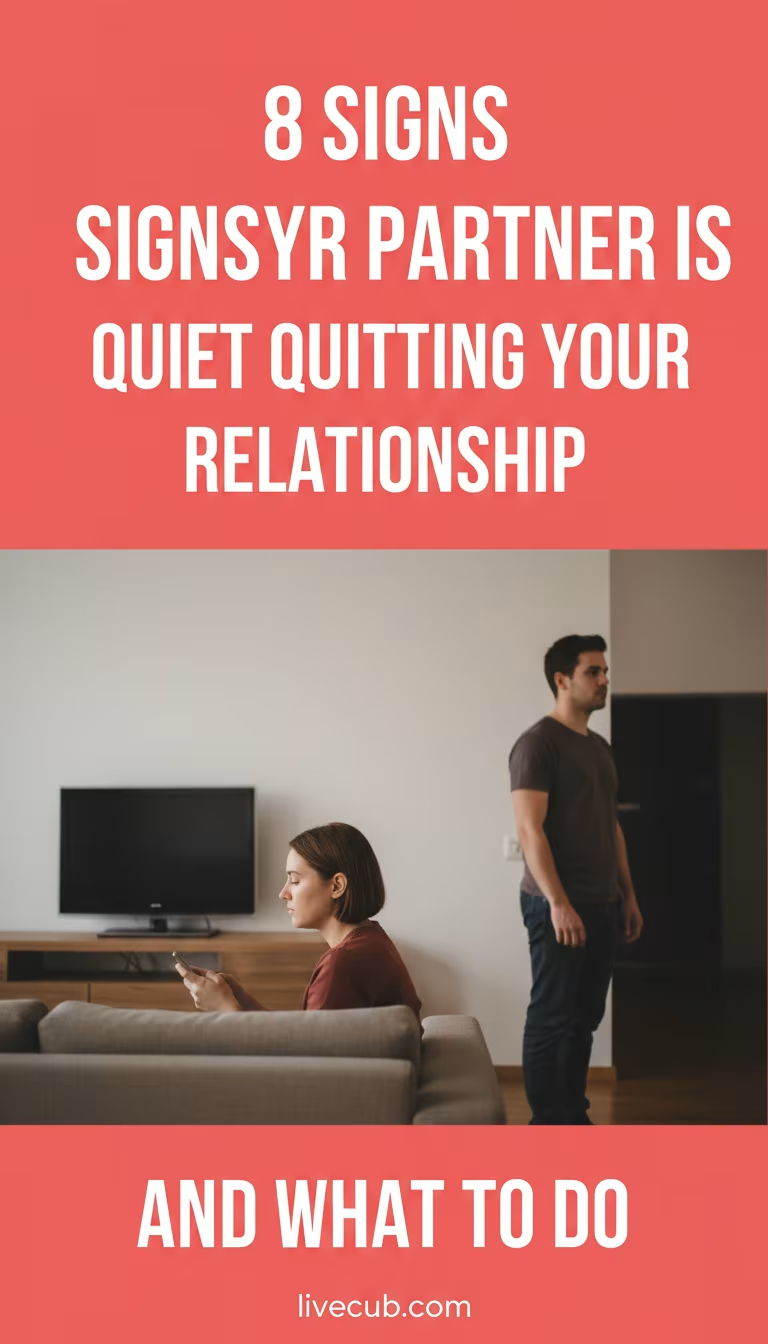
  • Disengagement During Shared Moments: Are they physically present but mentally miles away? This is a huge one. You might be watching a movie together, at dinner, or even just sitting on the couch, and their attention is glued to their phone, or they're just staring into space. They're not actively participating in the shared experience. This isn't just about occasional distractions, which we all have; it's a consistent pattern where their presence feels more like an empty shell than genuine companionship. It's the feeling of being alone even when someone else is right there, a deeply isolating experience that screams "I'm not fully here."

Emotional & Intimacy Disconnect: Deeper Indicators

Beyond the surface-level behavioral shifts, quiet quitting often manifests in a profound emotional and intimate disconnect. This isn’t just about sex, though that can certainly be affected; it’s about the overall warmth, closeness, and vulnerability that defines a healthy relationship. When someone is quietly checking out, their ability to offer genuine emotional support or to participate in the give-and-take of intimacy diminishes significantly.

It's as if an invisible wall has gone up, making it harder to reach them, to feel truly seen or understood. You might find yourself craving a listening ear or a comforting hug, only to realize that those gestures have become rare or feel hollow when they do occur. This is where the real pain often lies, because it strikes at the core of why we seek partnerships in the first place: for connection, understanding, and mutual support.

I remember a friend sharing how her partner, usually her rock, began to seem completely unbothered by her stresses. She'd come home after a tough day, wanting to vent, and he'd just nod, perhaps offer a perfunctory "That sucks," and then immediately change the subject or go back to whatever he was doing.

The empathy, the desire to truly be there for her, was just gone. It's a jarring experience to realize that the person you've leaned on is no longer there to catch you, or even to pretend to try. This emotional distance often precedes a decline in physical intimacy, or at least a shift in its quality.

It becomes less about connection and more about routine, or it ceases altogether. And perhaps most frustratingly, when you try to bring these issues up, you might be met with avoidance, defensiveness, or a blank stare, making it almost impossible to address the root problem. The courage to engage in difficult conversations is a cornerstone of any strong relationship, and its absence is a glaring sign of withdrawal.

Unpacking the Emotional Withdrawal

  • Emotional Stonewalling: This is a big one. When you try to discuss feelings, problems, or things that are bothering you, your partner shuts down. They might physically leave the room, change the subject, become unresponsive, or simply refuse to engage in a meaningful way. This isn't just a momentary inability to talk; it's a consistent pattern of avoiding any conversation that requires vulnerability or conflict resolution. They might say "I don't want to fight" as an excuse, but what they're really doing is avoiding any genuine emotional engagement, leaving you feeling unheard and invalidated.
  • Declining Physical Intimacy: This isn't just about sex, although a significant drop in sexual frequency or enthusiasm is a strong indicator. It also includes less casual touch, fewer hugs, fewer impromptu kisses, or less cuddling. The physical warmth and affection that once cemented your bond seem to disappear. When physical intimacy does happen, it might feel detached, rote, or lacking genuine passion. This isn't always a sign of quiet quitting, as many factors can affect intimacy, but if it's coupled with other signs of emotional withdrawal, it's definitely something to pay attention to. It’s a physical manifestation of an emotional barrier.
  • Shift in Priority: Consistently, other things take precedence over quality time with you or the relationship itself. Their hobbies, friends, work, or even solo activities might always come first. They might make plans without consulting you, or frequently cancel plans with you for other engagements. It’s not just that they have other interests (which is healthy!); it’s that the relationship consistently falls to the bottom of their priority list without discussion or consideration. You feel like an afterthought, something to be fit in if convenient, rather than a primary focus of their life and attention.

Taking Action: What You Can Do When You Notice the Signs

Okay, so you’ve recognized some of these signs. That’s a huge first step, and honestly, it takes a lot of courage to even acknowledge that something feels off. Now what?

The natural inclination might be to panic, to get angry, or to retreat yourself. But here's where we can choose a different path. Identifying quiet quitting isn't about casting blame; it's about gaining clarity so you can approach the situation with intention and purpose.

Your goal isn't necessarily to "fix" your partner, but to understand what's happening and to advocate for your own needs and the health of the relationship as a whole. This is about being proactive, not reactive. It’s about creating an opportunity for real connection, or at least, for real understanding, whatever the outcome may be.

What I’ve learned is that often, the quiet quitter is also suffering, perhaps silently grappling with their own dissatisfaction or fears, and your courageous step might be the opening they need to express themselves. Or, it might be the push you need to realize this relationship isn't serving you anymore.

Either way, action is empowering.

When I was faced with a similar situation, my initial reaction was to just try harder, to do *more* for the relationship, hoping my efforts would reignite something. It was exhausting and ultimately fruitless. What truly made a difference was shifting my focus from changing them to understanding the dynamic and clearly communicating my own experience and needs.

It’s not about manipulating them back into engagement; it’s about inviting them back, or understanding why they can’t or won't come. This involves a delicate balance of self-reflection, compassionate communication, and realistic expectation setting. Remember, you can't control another person's actions or feelings, but you absolutely can control your own responses and choices.

This moment, however uncomfortable, is an invitation to either deepen your connection or to respect yourself enough to seek what you truly deserve.

Steps to Re-Engage or Re-Evaluate

  • Self-Reflection First: Before you even approach your partner, take some honest time with yourself. Ask yourself: "What do I truly want from this relationship?" "What role, if any, might I be playing in this dynamic?" "Am I happy?" "What are my non-negotiables?" It’s easy to jump to conclusions or place all blame, but looking inward first helps you clarify your own feelings and needs, making you much more prepared for a constructive conversation. After all, if you don't know what you want or need, how can you expect someone else to provide it? This isn't about self-blame, but self-awareness, which is powerful.
  • Open, Honest Communication (The "I" Statements): This is arguably the most crucial step. Find a calm, private time when you can both be present and uninterrupted. Start with "I" statements, focusing on your observations and feelings, not accusations. Instead of saying, "You never plan anything anymore," try: "I've noticed that I've been initiating most of our plans lately, and I've been feeling a bit disconnected because of it. I miss feeling like we're both excited about our shared time." Explain the *impact* of their actions on you. Be prepared to listen openly to their response, too. The goal is understanding, not winning an argument.
  • Suggesting Quality Time (With Purpose): If communication opens a door, gently suggest spending intentional quality time together. But don't just "watch TV." Suggest activities that encourage connection: a walk where you can talk without distractions, cooking a meal together, or revisiting an old favorite hobby you both enjoyed. The key is to create an environment where genuine interaction is possible. This isn't about forcing it, but creating an inviting space for reconnection. You're offering an opportunity to rekindle, rather than demanding they change.
  • Setting Clear Expectations and Boundaries: If communication reveals underlying issues, or if the quiet quitting continues, you need to be clear about what you need from the relationship. What level of engagement, effort, and emotional support is essential for you to feel fulfilled? This might mean saying, "I need us to have one dedicated, phone-free conversation about our days each evening," or "I need us to plan at least one date activity together each week." It’s okay to have needs, and it’s vital to communicate them. And if those needs aren't met, you need to consider what boundaries you'll set for your own well-being. This might involve re-evaluating the future of the relationship.
  • Consider Professional Help: If you've tried these steps and things aren't improving, or if the conversations are too difficult to have constructively on your own, consider couple's therapy. A skilled therapist can provide a safe space and tools for communication, helping both partners express themselves and understand each other more effectively. Sometimes, an objective third party is exactly what's needed to break through the silence and identify underlying issues that are contributing to the quiet quitting. This isn’t a sign of failure; it's a proactive investment in your relationship's health.

Common Mistakes to Avoid

When you're dealing with quiet quitting, it's easy to fall into traps that can actually make the situation worse. Trust me, I've been there, and I've watched friends inadvertently sabotage their own efforts. One of the biggest mistakes is ignoring the signs, hoping they’ll just go away. They won't.

Just like a small leak in a pipe, if left unaddressed, it will eventually cause significant damage. You might try to convince yourself it’s "just a phase" or "I'm being too sensitive," but that's just delaying the inevitable discomfort of facing the truth.

Another common pitfall is immediately resorting to accusatory language. Pointing fingers ("You never do X anymore!") immediately puts your partner on the defensive, shutting down any chance for open dialogue. Nobody wants to feel attacked, and when they do, their natural reaction is to retreat further, which is the opposite of what you want.

Similarly, assuming the worst-case scenario (like "they must be cheating" or "they want to break up") without evidence can create unnecessary anxiety and color your approach with negativity. It's okay to acknowledge your fears, but don't let them dictate your actions. Finally, over-compensating by trying to do *more* to win them back can be counterproductive.

Showering them with gifts, planning elaborate dates, or constantly trying to prove your worth might make you feel desperate and can actually push them further away, making them feel pressured or overwhelmed. It might also mask the underlying problem, making it harder to address the true quiet quitting.

Focus on what you can control – your communication, your boundaries, and your self-respect, rather than trying to single-handedly fix a two-person dynamic.

Expert Tips for Rebuilding or Moving Forward

Sometimes, getting a fresh perspective or implementing a slightly different strategy can make all the difference. When you're trying to navigate quiet quitting, it's not always about grand gestures but consistent, intentional effort. One thing I've found incredibly impactful is to revisit shared activities that sparked joy and nostalgia early in the relationship. Think about what you both loved doing when you first started dating – was it hiking, trying new restaurants, a specific board game?

Recreating those moments, without pressure, can sometimes tap into old, positive memories and reignite a flicker of that initial connection. It’s a low-stakes way to invite shared pleasure back into the relationship.

Another powerful tool is implementing regular "check-ins." This isn't a therapy session, but a brief, scheduled moment – maybe 10-15 minutes once a week – where you both get to share how you're truly feeling, what's going well, and what's challenging. It normalizes communication about the relationship itself, making it less daunting than a surprise "we need to talk" conversation.

My partner and I started doing this, and it’s made a massive difference in preventing small issues from festering. Also, consider a "love languages" refresh. If you haven't explored Gary Chapman's concept of love languages (Words of Affirmation, Acts of Service, Receiving Gifts, Quality Time, Physical Touch), now is a great time.

Understanding how both you and your partner prefer to give and receive love can illuminate where efforts might be missing the mark, or where one person feels unloved simply because the 'language' isn't being spoken. Lastly, and this is truly an "expert" tip because it requires immense bravery: knowing when to walk away. While we’re advocating for fighting for your relationship, there comes a point where continued quiet quitting, despite your best efforts, indicates a fundamental incompatibility or unwillingness to engage.

Respecting your own needs and happiness, and recognizing when a relationship has run its course, is perhaps the most courageous act of all. It's not giving up; it's choosing your well-being.

Final Thoughts

Navigating the quiet quit in a relationship is tough, there’s no denying it. It challenges your patience, your self-worth, and your very understanding of your partnership. But here’s the empowering truth: simply acknowledging it, bringing it into the light, is an act of incredible strength.

You’re not just passively accepting a less-than-fulfilling dynamic; you’re actively seeking clarity and connection. Remember, you deserve a relationship where you feel valued, seen, and genuinely engaged with. You deserve a partner who is present, invested, and willing to navigate the complexities of life and love alongside you, not just alongside you physically, but emotionally too.

Whether this journey leads to a rekindled spark, a deeper understanding, or the courageous decision to move forward on separate paths, you’ll emerge stronger for having faced it head-on. Don't be afraid to trust your gut, to speak your truth with kindness, and to prioritize your own emotional health.

The most important relationship you have is with yourself, and tending to that will always guide you to the right answers. So, take a deep breath, choose your path, and know that whatever comes next, you’ve got this.

Signs of Quiet Quitting in Relationships and What to Do

Save for later

Found this helpful?

Pin this article to your Pinterest board and come back to it whenever you need a reminder.

Save to Pinterest
Written by

Patrick Harwood

Patrick Harwood has been a professional writer and editor since 2004, specializing in articles about spectator sports, personal finance and law. He has contributed to family of magazines and websites.

More posts
Patrick Harwood

Responses (0)

0%