
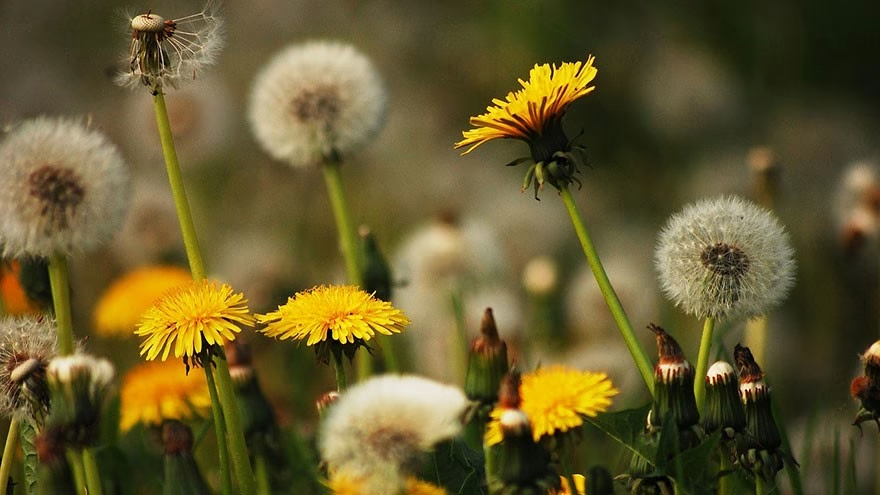
Dandelion Is More Than a Lawn Weed
Dandelion is one of those plants people recognize instantly and still misunderstand. In one yard it is a weed. In another kitchen it is a bitter green. For pollinators, it can be an early flower. For gardeners, it is a perennial plant with a deep taproot and wind-carried seed.
USDA Plants lists Taraxacum officinale, common dandelion, as a perennial forb or herb. That plain botanical fact explains why pulling only the leaves rarely ends the plant.
Whether you eat it, leave it, or remove it, start with correct identification and a clean site. Know the plant and the place.
How to Identify Common Dandelion
Common dandelion grows in a basal rosette, with leaves emerging from the crown near the soil. The leaves are deeply toothed or lobed, and the plant has a thick taproot. Cut stems or leaves often release milky sap.
Cornell's dandelion weed profile describes mature plants as basal rosettes with stalkless, narrow, deeply divided leaves and single yellow flowerheads on hollow, leafless stalks. Those details help separate true dandelion from lookalikes.
The flower head is not one simple flower. It is made of many small ray flowers, which later turn into the familiar round seed head. Wind spreads the seeds.
If you are not certain of identification, do not eat it. Let the plant flower, compare several features, and use a local extension source or expert help.
Leaves, Flowers, and Roots
University of Wisconsin Extension's dandelion article notes that the leaves, flowers, and roots are edible, and that blossoms are sweetest early in the season. That does not mean every dandelion in every place should be eaten.
Leaves are usually less bitter when young. Flowers can be used fresh soon after picking because they close quickly. Roots are often harvested in spring or fall, depending on the planned use.
Harvest only from places you know are free of herbicides, pesticides, pet waste, road runoff, and contaminated soil. Avoid public lawns unless you know how they are managed.
For cooking greens more broadly, Livecub's guide to cooking greens pairs well with dandelion because bitterness and texture need thoughtful cooking.
Harvesting and Cleaning
Pick dandelion in dry weather after the morning dew has lifted. Choose young leaves from clean soil, open flowers that look fresh, and roots only where digging is allowed. Leave damaged plants behind. Clean harvests start before washing.
Bring a basket or paper bag instead of crushing everything into a closed plastic sack. Heat and moisture can wilt greens quickly. If you are collecting flowers for a recipe, use them the same day because they close and bruise fast.
At home, sort the harvest before washing. Remove grass, soil clumps, insects, old leaves, and any plant you are not fully sure about. Rinse greens in several changes of cool water, then dry them well before cooking or storing.
Label stored portions by date so older greens are used first.
Do not mix uncertain wild plants into a batch you plan to eat. One questionable leaf is enough reason to pause, compare features again, or discard that portion.
Cooking With Dandelion Greens
Dandelion greens can be eaten raw when young, but the bitterness can be strong. Mix them with milder greens, use a sharp vinaigrette, or chop them into salads where bitter flavor is welcome.
Cooking softens the edge. Saute greens with garlic and oil, add them to beans, fold them into pasta, or stir them into soups near the end. Acid, fat, salt, and sweetness can balance bitterness.
Do not serve a huge bowl to someone who has never tried them. Start small. Bitter greens are best treated as a flavor, not as a dare.
Livecub's stir-fry sauce guide can help with balancing bitter greens through salt, acid, and sweetness.
Storage depends on the part of the plant. Leaves keep best when dry and chilled, flowers are best used quickly, and roots need careful scrubbing before further prep. If the greens are already limp or sandy after washing, cook them the same day instead of saving them for later.
For freezing, treat dandelion more like a cooking green than a salad green. Blanching, cooling, draining, and packing small portions can preserve usefulness for soups or skillet dishes. Fresh texture will not come back after freezing.
Using Flowers and Roots
Dandelion flowers are delicate after picking. Use them soon in fritters, syrups, infused vinegar, garnishes, or simple seasonal dishes. Remove green parts if they taste too bitter for the recipe.
Roots require more work. They need cleaning, trimming, and cooking or roasting depending on use. Some people roast roots for a coffee-like drink, though the flavor is its own thing rather than true coffee.
Be cautious with large amounts of any wild food, especially if you take medications, have allergies, are pregnant, or have health conditions. Ask a clinician about food-herb interactions if you plan regular use.
Edible does not mean unlimited. Treat dandelion like a strong seasonal ingredient.
Dandelion in Lawns and Gardens
Dandelions thrive in many disturbed or open areas. They can grow in lawns, garden beds, sidewalk cracks, meadows, and compacted soils. The taproot helps them return after shallow removal.
Extension weed-management guidance commonly warns that regular household vinegar is not a dependable dandelion control, while stronger horticultural products must be handled according to label directions. That kind of detail matters because home remedies can still damage nearby plants, soil surfaces, skin, and eyes.
Hand digging can work if enough of the root is removed. Mowing removes flowers temporarily but may not remove the plant. A dense, healthy lawn can reduce open space for new seedlings.
For preserving extra clean harvests, Livecub's fresh vegetable freezing guide is a better companion than guessing at storage for washed greens.
Managing Without Overreacting
Not every dandelion calls for the same response. A few plants in a side lawn may be harmless, while plants in a vegetable bed, path, or formal front lawn may be unwelcome. Decide by location, seed pressure, and how you use the space.
If you dig, work when soil is moist and use a tool that reaches below the crown. Pulling only leaves usually leaves enough root for regrowth. Bag seed heads if you are trying to reduce spread, especially before wind carries them across the yard.
Chemical control is a separate decision, not a reflex. Read labels, protect nearby plants, and avoid treatment near edible harvest areas unless the product is meant for that setting. Food and weed control should not share guesswork.
Some gardeners keep one clean patch for eating and manage the rest like any other lawn weed. That approach is often easier than trying to make the whole yard serve every purpose at once.
Pollinators and Timing
Dandelions can provide early flowers for insects, but they are not the only food source and they are not a complete pollinator plan. A diverse yard with native flowers, shrubs, and reduced pesticide use is better than relying on one weed.
If you want to remove dandelions, consider timing. Removing every flower at once may reduce seed spread, but leaving some early blooms in low-conflict areas may fit a more relaxed lawn style.
Garden decisions do not have to be all or nothing. You can eat from a clean garden patch, remove plants from pathways, and leave some in an out-of-the-way area.
Safety Before Harvesting
Never harvest from roadsides, sprayed lawns, industrial areas, unknown public spaces, or places with heavy pet traffic. Wash all edible parts thoroughly. Discard damaged, moldy, or suspicious plants.
Learn lookalikes in your region. Some yellow composite flowers resemble dandelion from a distance. Identification should use leaves, stalks, sap, flower structure, and growth pattern, not just color.
If you are serving dandelion to guests, tell them what it is. People with allergies, medications, or preferences deserve that choice.
Frequently Asked Questions
Is dandelion edible?
Yes, the leaves, flowers, and roots are edible when correctly identified and harvested from a clean, unsprayed location.
Why are dandelion greens bitter?
Bitterness is part of the plant's flavor, especially in older leaves. Young leaves, cooking, acid, fat, and salt can help balance it.
How do dandelions spread?
They spread by wind-carried seed and can regrow from taproot pieces if removal is incomplete.
Can I eat dandelions from my yard?
Only if you are certain of identification and know the yard has not been treated with unsafe chemicals or contaminated by pets or runoff.

Alyssa Curlin
Edits general health, nutrition and education explainers. Medical topics are educational and link to public-health guidance.




Leave a reply
Replying to