
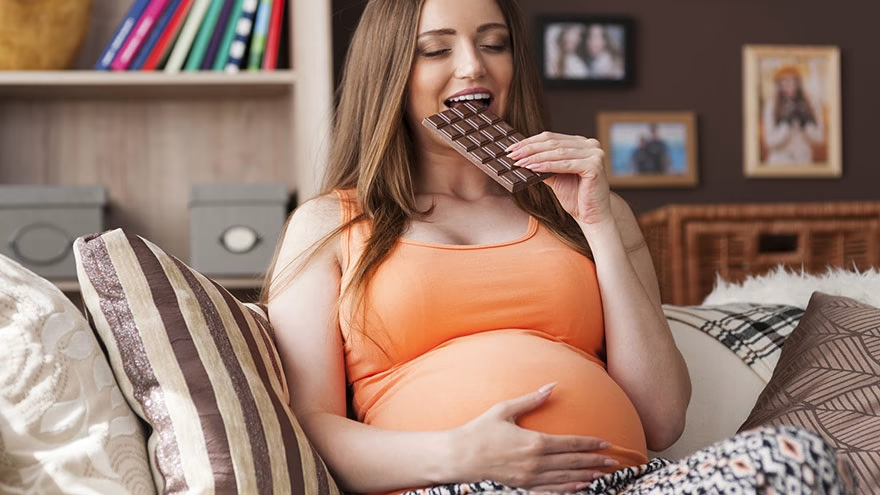
Can You Eat Chocolate While Pregnant? Yes, many pregnant people can eat chocolate in modest amounts. The main issues are caffeine, sugar, heartburn, portion size, and any medical instructions from your clinician.
Chocolate is not automatically unsafe. It also is not a prenatal vitamin. Treat it like a sweet food that can fit into a pregnancy diet when the rest of the day still supports hydration, protein, fiber, and key nutrients.
Start With Caffeine
Chocolate contains caffeine, especially darker chocolate. A small square is very different from a large dark chocolate bar plus coffee, tea, soda, or an energy drink.
ACOG says moderate caffeine consumption, defined as less than 200 mg per day, does not appear to be a major contributing factor in miscarriage or preterm birth: ACOG caffeine in pregnancy.
Count total caffeine for the day. Coffee, espresso drinks, black tea, green tea, cola, energy drinks, and chocolate can all add up.
How Much Caffeine Is In Chocolate

MyHealth Alberta's caffeine guide says 1 ounce of milk chocolate can have about 1 to 15 mg of caffeine, while dark chocolate can have about 5 to 35 mg: MyHealth Alberta caffeine guide.
That range matters. A few milk chocolate pieces may be a small caffeine source, while a large dark chocolate dessert plus a latte can push the day closer to the limit.
If your clinician has asked you to limit caffeine more strictly because of blood pressure, sleep, anxiety, palpitations, or another concern, follow that personal plan.
Sugar And Gestational Diabetes
Chocolate can be high in sugar and calories. If you have gestational diabetes, insulin resistance, or blood sugar monitoring, chocolate may need to fit into a specific carbohydrate plan.
A small serving after a balanced meal may affect blood sugar differently than candy eaten alone when you are hungry. Pairing with protein or fat can help some people feel more satisfied.
Do not use dark chocolate marketing as a free pass. Bitter chocolate can still contain sugar, caffeine, and saturated fat.
Heartburn And Nausea
Chocolate can trigger heartburn for some pregnant people. It may relax the lower esophageal sphincter or simply sit poorly with a stomach already sensitive from pregnancy.
If chocolate gives you burning, sour burps, coughing at night, or chest discomfort after meals, reduce the amount, avoid it near bedtime, and talk with your clinician if symptoms persist.
For broader food ideas during nausea or reflux, bland pregnancy foods can help with gentler options.
Choose Safer Forms

Choose pasteurized dairy in chocolate milk, mousse, pudding, or ice cream. Avoid desserts made with raw eggs, unpasteurized dairy, or batter that is not meant to be eaten raw.
FDA's pregnancy food safety resources emphasize reducing foodborne illness risk during pregnancy: FDA Food Safety for Moms-to-Be.
Store chocolate desserts safely. Cream-filled pastries, mousse, and chilled desserts need refrigeration; a wrapped chocolate bar is a different storage question.
Cravings And Emotional Eating
Chocolate cravings can be normal. They can also show up when sleep is poor, meals are too small, stress is high, or nausea has narrowed your food choices.
If cravings feel out of control, look at the full day: breakfast, protein, fluids, and enough calories. A craving can be a clue that the routine needs support.
If body image or guilt around sweets is taking over, feeling attractive during pregnancy may help emotionally, but nutrition questions belong with your care team.
A Practical Portion Plan

Pick a serving before opening the package. Put the rest away. Eating from the bag or box makes it harder to notice how much caffeine and sugar you have had.
Try a small chocolate square after lunch, cocoa in warm milk made with pasteurized milk, or yogurt with a few chocolate chips if that fits your diet.
If sleep is already fragile, avoid chocolate late in the day. Caffeine sensitivity can increase when pregnancy sleep is poor.
When To Ask Your Clinician
Ask for guidance if you have gestational diabetes, high blood pressure, severe reflux, palpitations, migraines, eating-disorder history, or strong anxiety about food.
Call promptly for severe chest pain, shortness of breath, fainting, vomiting that prevents fluids, or symptoms that do not feel like ordinary heartburn.
If mood is low or food guilt is constant, depression during pregnancy may help you decide when to ask for support.
Chocolate Myths
Chocolate does not reveal the baby's sex, cause labor on command, or replace nutrient-dense meals. It is just food, with caffeine and sugar to count.
If early pregnancy symptoms are still uncertain, early pregnancy signs is related reading, but chocolate cravings cannot confirm pregnancy.
The best answer is usually moderate and boring: yes, you can often eat some chocolate, but keep the rest of the day's nutrition and caffeine in view.
Read The Label
Look at serving size, caffeine if listed, sugar, saturated fat, and ingredients. Some chocolate snacks are mostly candy coating, palm oil, and added sugar rather than cocoa.
Chocolate-covered espresso beans, mocha drinks, and energy bars can carry more caffeine than expected. Treat them differently from a small chocolate square.
If the label includes alcohol flavoring, herbal stimulants, or unfamiliar supplement claims, choose a simpler product and ask your clinician if you are unsure.
Pair It With A Meal
Chocolate eaten with or after a balanced meal may feel different from chocolate eaten alone on an empty stomach. Protein, fiber, and fat can help make a small portion feel satisfying.
Try chocolate with nuts if tolerated, yogurt made with pasteurized milk, oatmeal, berries, or a banana. The point is not to make chocolate a health food; it is to keep the snack from replacing the meal.
If you are too nauseated for full meals, use chocolate sparingly and prioritize foods and fluids you can keep down.
Special Cases Need More Care
Chocolate may need tighter limits if you have gestational diabetes, reflux that wakes you up, migraines triggered by chocolate, caffeine sensitivity, or a history of disordered eating.
It may also be worth limiting if it crowds out iron-rich foods, protein, or prenatal vitamins because you are filling up on sweets.
Ask the care team for a realistic plan. A hard ban can backfire if it turns a simple craving into stress or secret eating.
A Simple Weekly Approach
Choose a few planned portions per week rather than grazing without noticing. Keep them small, count the caffeine, and avoid pairing chocolate with other high-caffeine drinks on the same day.
If heartburn is the issue, move chocolate earlier in the day, choose a smaller serving, and skip it before lying down.
If sugar is the issue, choose a measured portion after a meal and track how you feel afterward.
Chocolate Drinks And Coffee Shop Orders
Hot chocolate, mocha drinks, chocolate smoothies, and dessert coffees can combine sugar, caffeine, and large serving sizes. They may count more than you expect.
Ask for a smaller size, skip extra espresso, and check whether the drink contains unpasteurized dairy or raw ingredients if it is from a specialty shop.
If reflux is the problem, chocolate drinks may be worse than a small solid piece because the volume and sweetness can sit heavily.
If You Ate Too Much Chocolate
One higher-sugar day does not ruin pregnancy nutrition. Drink water, return to balanced meals, and avoid stacking more caffeine on top of it.
If you feel jittery, notice palpitations, or cannot sleep, write down the serving and talk to your clinician if it repeats.
If you have diabetes monitoring, follow the plan your care team gave for high readings rather than guessing.
If chocolate still fits after that check, enjoy the planned portion and move on. Guilt is not a nutrition strategy.
Frequently Asked Questions
Can I eat dark chocolate while pregnant?
Usually in modest amounts, but dark chocolate can have more caffeine than milk chocolate.
Does chocolate count toward the caffeine limit?
Yes. Count chocolate along with coffee, tea, soda, and energy drinks.
Can chocolate worsen heartburn?
It can for some people. Reduce the serving and avoid it near bedtime if it triggers symptoms.
Is chocolate safe with gestational diabetes?
Ask your diabetes care team. Portion, timing, and carbohydrate count matter.
Are chocolate desserts safe?
They can be if made with pasteurized ingredients and stored safely. Avoid raw egg or unpasteurized dairy desserts.
This article is for general information only and isn't a substitute for medical advice. Talk to a clinician who knows your full history before making changes.

Chiara Bradshaw
Covers education, culture and creative topics with an emphasis on readable explanations and verifiable references.


Leave a reply
Replying to