
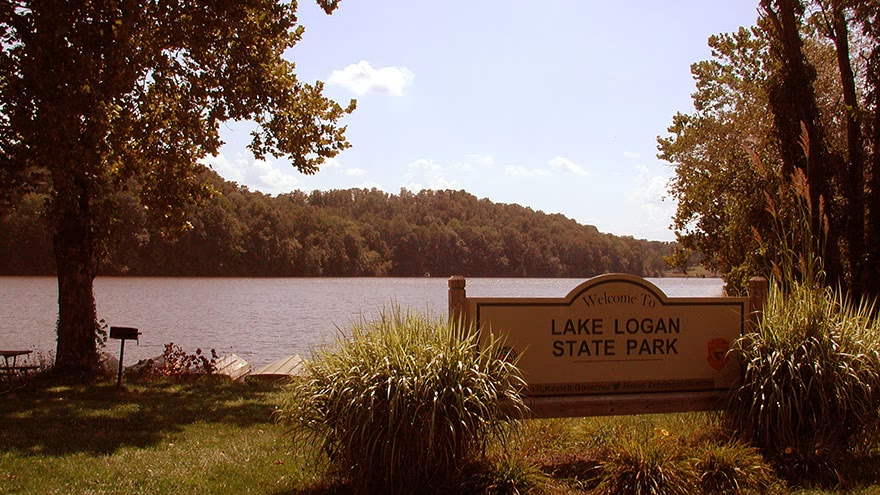
Chief Logan Camping Is Small and Practical
Chief Logan State Park camping is not a giant resort campground. It is a small state park campground near Logan, West Virginia, with a setting that suits campers who want wooded surroundings, basic comfort, and easy access to park recreation.
The right trip starts with the right expectation. This is a place to reserve early, pack carefully, and use the campground as a base for trails, family time, local drives, and the Hatfield-McCoy region.
Plan Chief Logan as a compact campground, not a last-minute overflow option.
Check the Official Park Page First
The West Virginia State Parks page for Chief Logan lists the park in Logan, gives current contact details, notes 6 a.m. to 10 p.m. operating hours, and says the campground is open spring through summer, weather permitting.
Use that page before you rely on an old blog post, map screenshot, or memory from a previous trip. State park details can change because of weather, maintenance, events, or reservation rules.
If your camping plan includes hikes, Livecub's walking sticks adjustment guide can help you set up poles before uneven trail sections.
Know the Campground Setup
West Virginia Tourism describes the Chief Logan State Park campground as having 26 units, with some full water, sewer, and electric hookups, and others with water and electric only. It also notes hot showers at a centrally located bathhouse.
That small number of sites matters. If you want a specific weekend, holiday period, or summer date, do not assume there will be room. Reserve as soon as your dates are firm and confirm your hookup needs before you pack.
A small campground rewards early planning.
Choose the Right Site Type
RV campers should confirm the hookup type, rig length, and access details before booking. A full-hookup site and a water-electric site create different plans for tanks, showers, dishwashing, and departure day.
Tent campers should think about shade, drainage, bathroom distance, and sleep comfort. A flat pad and nearby bathhouse can matter more than a perfect view after a long drive.
Ask direct questions if the reservation page is not clear. Staff can often explain which site type fits a trailer, tent, or family setup better than a short listing can.
Understand Reservation Minimums
The official park information notes that reservations may require no less than two consecutive nights on Friday and Saturday, or one night from Sunday through Thursday. Check the booking screen because rules can depend on dates and availability.
This matters for weekend planning. If you only want a quick overnight, a weekday may be easier. If you want a full weekend, plan meals, fuel, and arrival time around the two-night stay instead of treating Friday as an afterthought.
Reserve for the Season You Actually Want
The official park page says the campground is open spring through summer, weather permitting. That wording should shape the trip. Spring can bring wet ground and chilly evenings. Summer can bring heat, humidity, storms, and busy weekends.
Book the date that fits your camping style. If you dislike heat, aim for shoulder dates when available. If you want swimming, long daylight, and family schedules, summer may make more sense.
The best date is the one that fits your group, not just the first open weekend.
Pack for Mountain State Weather
West Virginia weather can shift fast enough to affect cooking, sleeping, and trail plans. Bring a rain layer, extra socks, a dry sleep layer, shade protection, and footwear that can handle damp ground.
Do not pack only for the afternoon high. Campers need to think about the whole day: cool morning, warm lunch hour, humid evening, and a possible overnight shower. A small tarp or canopy can save a meal if rain arrives at the wrong time.
For another weather-shaped outdoor trip, Livecub's Skyline Drive waterfalls guide is a good reminder that rain, trail footing, and timing can change a simple day plan.
Plan Meals Before You Arrive
Food planning is easier if each meal has a job. Arrival night should be fast. The first full breakfast should be simple. Trail snacks should be ready before anyone asks for them. Departure morning should create the least cleanup.
Bring a cooler plan, trash bags, dish soap, paper towels, and a way to store food cleanly. Even if wildlife is not the headline of the trip, food left out overnight can attract problems and make the site less pleasant for the next camper.
Camp meals should reduce friction, not create another project.
Arrive With a Setup Plan
Arrival goes better when the group already knows the first jobs. One person can handle leveling or tent placement, another can unload bedding, and another can stage dinner items. Do the shelter and sleep setup before chairs and leisure gear.
If you arrive near dark, keep the plan even simpler. Headlamps, a quick meal, and a clean bathroom run are enough. Save decorative setup, long walks, and gear sorting for daylight.
Use the Park Beyond the Campsite
Chief Logan is useful because the campsite is only part of the day. The park area is known for recreation, trails, picnic space, and access to local attractions. Treat the campground as a base, then build a loose daytime plan.
Keep that plan flexible. Families with children may need shorter loops and rest periods. Riders or hikers may want early starts. Campers who mainly want quiet may prefer a slow breakfast, a short walk, and an evening fire.
If your broader trip includes small-town stops, Livecub's Petoskey travel guide offers a useful model for mixing scenic stops with town time.
Prepare for Evenings at Camp
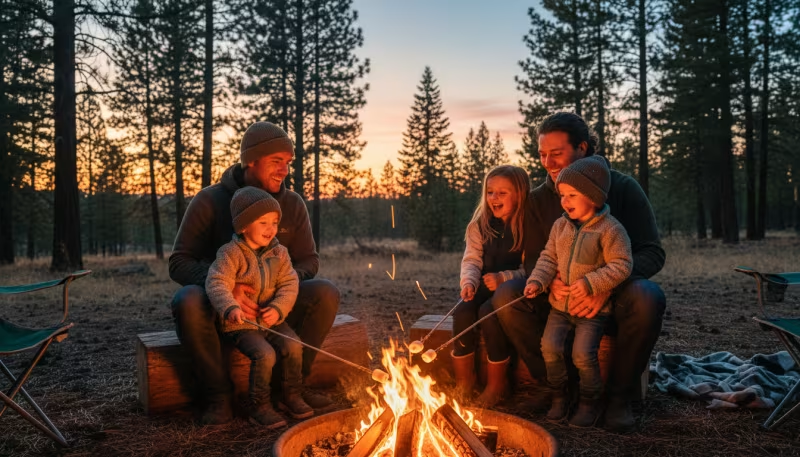
Evenings are when a small campground can feel its best. Bring headlamps, camp chairs, a lighter or matches if fires are allowed, quiet games, and layers for sitting outside. Keep noise low after dark and follow posted quiet hours.
Check fire rules before relying on a campfire. Wet weather, dry spells, maintenance, or local restrictions can change what is allowed. If a fire is permitted, keep it contained and fully out before sleeping.
Good camp etiquette keeps a small campground comfortable for everyone.
Respect the Small-Campground Feel
With only a small number of sites, noise and clutter travel faster than they do in a huge campground. Keep music low, walk pets only where allowed, control headlights after dark, and avoid cutting through occupied sites.
Children, riders, hikers, and quiet campers can share the same place well when everyone treats the site boundaries as real. A little courtesy is easier than a tense campground conversation.
Build a Rain Plan
A rain plan does not have to be complicated. Know where jackets are packed, where wet shoes will go, and which activities can move indoors or under shelter. Keep one dry outfit sealed away for each person.
If rain is steady, choose shorter outings instead of trying to force a full outdoor schedule. A warm meal, a drive, a local stop, and early bedtime can still make the trip feel worthwhile.
Think About Nearby Drives
Chief Logan can also work as a quiet base for exploring the Logan area and nearby mountain roads. Before leaving the campground, download maps and check fuel. Cell service can be uneven in mountain regions.
Travelers who enjoy wider regional loops may also like Livecub's Laughlin area guide for the same planning habit: combine one main base with realistic side trips.
Make Departure Easy
The last morning is smoother when half the work is done the night before. Put away unused gear, stage trash, settle dishes, and keep only breakfast equipment outside. For RVs, check tanks, cords, hoses, and leveling gear before anyone is tired or rushed.
Leave the site cleaner than you found it. A small campground depends on every camper doing the ordinary work well: trash out, fire cold, gear removed, and no food scraps left behind.
Frequently Asked Questions
Does Chief Logan State Park have camping?
Yes. The park has a small campground with reservable sites, and official park information says the season is spring through summer, weather permitting.
How many campsites are at Chief Logan State Park?
West Virginia Tourism lists 26 campground units, including full-hookup and water-electric options.
Are there showers at the campground?
West Virginia Tourism notes hot showers at a centrally located bathhouse. Confirm details before your trip in case maintenance or seasonal changes apply.
When should I reserve a site?
Reserve as soon as your dates are firm, especially for weekends, summer dates, and any trip that requires a specific hookup type.

Chiara Bradshaw
Covers education, culture and creative topics with an emphasis on readable explanations and verifiable references.


Leave a reply
Replying to