
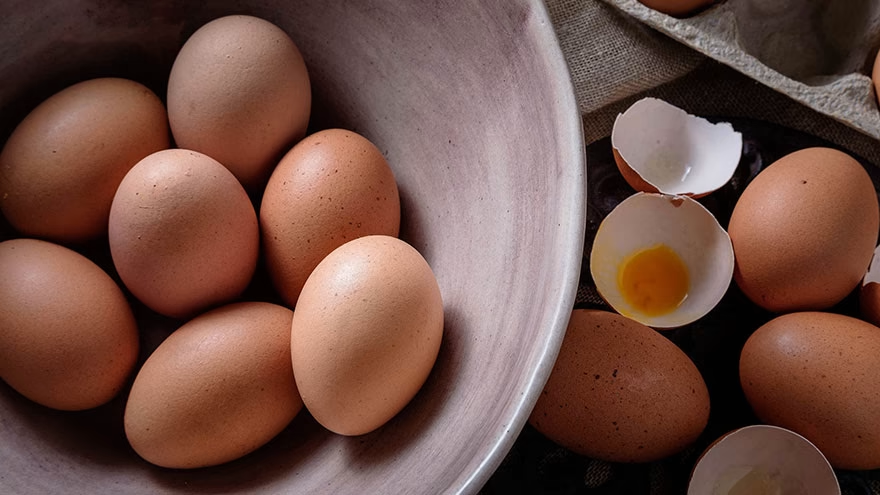
Fresh Eggs Are Wonderful, But They Are Still Raw Eggs
Cooking with fresh eggs feels different because the whites can sit taller, the yolks can look rounder, and the flavor may seem richer. That freshness is useful in a skillet, a cake, or a bowl of pasta dough. It does not remove food-safety risk. Clean shells and pretty yolks cannot tell you whether an egg is safe.
The FDA's consumer page on egg safety states that fresh eggs, even clean and uncracked ones, may contain Salmonella. So the goal is not fear. The goal is good habits: refrigeration, clean hands, proper cooking, and smart choices for raw-egg recipes.
Fresh is a quality word, not a safety guarantee.
Store Eggs Cold and Consistent
Keep eggs refrigerated. FoodSafety.gov's cold food storage chart lists raw shell eggs at 3 to 5 weeks in the refrigerator. That range is a practical planning tool, not a reason to ignore smell, cracks, or contamination.
Store eggs in their carton, not loose in the door if you can avoid it. The carton protects shells, reduces odor absorption, and keeps dates visible. The refrigerator door warms more often because it opens repeatedly.
Stable cold storage protects both texture and safety.
Backyard Eggs Need a Collection Routine
Backyard eggs can be excellent, but flock management changes the job. Collect eggs often, discard cracked eggs, keep nest boxes clean, and wash hands after handling birds, bedding, or eggs. Eggs that sit in dirty nests can pick up more contamination.
The CDC's guidance on backyard poultry and egg safety advises collecting eggs often, throwing away cracked eggs, and cooking eggs until yolk and white are firm. That advice matters even for healthy-looking hens.
Do not let children treat egg collecting like a snack activity. Hands need washing after the coop.
Do Not Trust the Float Test Too Much
The float test can suggest that an egg is older because air space changes over time, but it does not prove an egg is safe. A floating egg may be old, and a sinking egg can still be contaminated if it was handled poorly.
Use the float test, if you use it at all, as a freshness clue rather than a safety decision. Cracks, odor, visible contamination, storage history, and cooking method matter more.
Should You Wash Fresh Eggs?
Store-bought eggs in the United States are already washed and processed under commercial rules. Backyard eggs are more complicated because washing can affect the protective coating if done poorly. Follow local extension guidance or veterinarian/agriculture guidance for your flock and market rules.
If an egg is dirty, do not scrub it under random kitchen conditions and then store it for weeks as if nothing happened. Many home flock owners choose to discard heavily soiled or cracked eggs. If you wash eggs, dry them well and refrigerate them.
Cracked eggs should not be saved for later.
Why Very Fresh Eggs Are Harder to Peel
Very fresh hard-cooked eggs can be harder to peel because the membrane tends to cling. Older refrigerated eggs often peel more easily. If you want neat deviled eggs, use eggs that have had a little time in the refrigerator rather than the ones collected that morning.
Steam or boil gently, cool quickly in ice water, crack all over, and peel under a thin stream of water if needed. Do not turn peeling into a test of strength. The egg is telling you it is very fresh.
For another egg-forward dessert where texture matters, Livecub's tiramisu guide is a useful internal match, especially because egg handling matters in creamy recipes.
Scrambled, Fried, and Poached Eggs
Fresh eggs shine in simple cooking. The whites hold together nicely, and the yolks look good on the plate. Use medium heat for scrambled eggs so curds stay tender. For fried eggs, preheat the pan, add enough fat, and lower the heat once the whites start setting.
For poaching, fresher eggs help because the whites stay tighter. Crack each egg into a small cup first so you can check for shell pieces or off smells. Slide gently into barely simmering water. Boiling water makes ragged whites.
Gentle heat gives fresh eggs room to show their texture.
Baking With Fresh Eggs
In baking, egg size matters more than backyard romance. Most American recipes assume large eggs unless they say otherwise. If your eggs vary widely, weigh them or choose similar sizes for cakes, custards, and breads.
Fresh eggs can whip well for meringues and sponge cakes, but bowl cleanliness matters. Fat, yolk, or water can weaken foam. If a recipe depends on volume, separate eggs one at a time so one broken yolk does not ruin the whole bowl.
Livecub's cookie display guide can help with serving, but the baking accuracy starts before the tray is decorated.
Raw-Egg Recipes Need Extra Care
Caesar dressing, homemade mayonnaise, eggnog, tiramisu, mousse, and some frostings may use raw or lightly cooked eggs. For children, older adults, pregnant people, and anyone with a weakened immune system, use pasteurized eggs or a cooked method instead.
Do not rely on freshness to make raw eggs safe. The FDA guidance is clear that clean shells can still carry risk. If the recipe will not be cooked thoroughly, choose a safer ingredient strategy.
Raw egg safety is about process, not trust in the source.
Egg Dishes Need the Right Finish
FoodSafety.gov's safe temperature guidance lists egg dishes such as frittata and quiche at 160 degrees F. For plain eggs, cook until yolk and white are firm if serving people who need extra protection.
Custards, casseroles, quiches, and strata can look set at the edge while the center lags behind. Use a thermometer for dishes where safety and texture both matter. Guessing from color alone is weak.
For a savory cooking comparison, Livecub's goose cooking guide reinforces the same kitchen habit: doneness should be checked in the food, not assumed from the outside.
Leftovers and Egg Wash
Refrigerate cooked egg dishes promptly and keep them covered. Quiche, breakfast casserole, fried rice, and custard should not sit out while everyone slowly circles back for more. Small portions cool faster than one deep pan.
Egg wash deserves the same respect as any raw egg mixture. If you brush pastry, bread, or meat with egg wash, wash the brush and bowl afterward. Do not reuse leftover egg wash as a sauce or glaze after it has touched raw dough or hands.
Livecub's stir fry sauces guide fits the cleanup lesson too: sauces and raw ingredients need separate utensils until cooking is done.
Flavor Pairings and Simple Uses
Fresh eggs do well with greens, herbs, potatoes, rice, noodles, beans, mushrooms, tomato, cheese, and roasted vegetables. Let the egg be the center when quality is high. A soft scramble with herbs can be better than a crowded omelet.
For fast meals, keep washed herbs, cooked greens, or leftover rice ready. Livecub's cooking greens guide pairs naturally with eggs for breakfast, lunch, or a quick dinner.
Cleanup and Cross-Contamination
Wash hands, bowls, counters, and utensils after raw egg contact. Keep cracked eggs away from ready-to-eat foods. If egg spills in the refrigerator, clean the area instead of letting it dry into a hidden sticky spot.
Use separate utensils for raw egg mixture and finished food. This matters with French toast, breading stations, egg wash, and batters. The last brush that touched raw egg should not touch finished bread.
For freezer and storage planning, Livecub's freezing fresh vegetables guide is an internal companion to the same kitchen discipline: storage habits affect cooking quality later.
When to Throw Eggs Out
Discard eggs that are cracked, leaking, moldy, foul-smelling, or stored outside refrigeration for too long. Do not cook suspicious eggs harder to save them.
Frequently Asked Questions
Are fresh eggs safer than store-bought eggs?
Not automatically. Fresh eggs can still carry food-safety risk, so refrigeration, clean handling, and proper cooking still matter.
Why are fresh eggs hard to peel?
Very fresh eggs often have membranes that cling more tightly. Slightly older refrigerated eggs usually peel more cleanly after boiling or steaming.
Can I use fresh eggs in raw desserts?
Use pasteurized eggs or a cooked method for raw or lightly cooked recipes, especially when serving higher-risk people.
How long can I keep eggs in the refrigerator?
FoodSafety.gov lists raw shell eggs at 3 to 5 weeks in the refrigerator, but discard cracked, dirty, or suspicious eggs sooner.

Chiara Bradshaw
Covers education, culture and creative topics with an emphasis on readable explanations and verifiable references.




Leave a reply
Replying to