

The real difference between female and male Labrador Retrievers is smaller than many puppy ads suggest. Sex affects average size, reproductive management, and some day-to-day handling details, but it does not decide whether the dog will be gentle, trainable, needy, calm, or wild. Good decisions about male and female Labradors start with the individual puppy, the parents, the breeder, and the home, not a slogan about boys or girls.
What is the main difference between female and male Labrador Retrievers?
The clearest difference is physical average. The AKC Labrador Retriever standard lists males at 22.5 to 24.5 inches at the withers and females at 21.5 to 23.5 inches. It also gives approximate working-condition weights of 65 to 80 pounds for dogs and 55 to 70 pounds for bitches. Those ranges overlap less than the personalities do.
The AKC Labrador standard also says Labs should be shown in working condition without excess fat. That matters more than a sex label. A lean female with strong training may be harder to handle than an overweight male, and a calm male may be easier than a frantic female.
If you are comparing active breeds more broadly, Livecub's German Shorthaired Pointer questions can help separate retriever energy from pointing-breed intensity.
Are male Labradors bigger?

Usually, yes. Males are often taller, heavier, broader through the head and chest, and physically stronger. The difference is not dramatic in every pair, but it can matter for children, older owners, leash control, car space, and lifting an injured dog.
Size also changes training cost. A 75-pound adolescent Lab that jumps on guests is not cute for long. Teach four paws on the floor, loose-leash walking, wait at doors, and mat settling before the dog discovers how much momentum it has.
Body condition should stay central for both sexes. Labs are famous food enthusiasts. Measuring meals, using part of the ration for training, and keeping treats small will matter more than choosing male or female.
Think about the person who will handle the dog on a rainy night. A smaller female may be easier for a child or older adult to guide, but a calm male with good leash manners may still be the safer choice. Size only matters after you add training, strength, and handler confidence.
Do male and female Labradors behave differently?

Some owners report patterns: males may be goofier or more socially pushy, females may mature a little faster or be more selective. Treat those as anecdotes, not rules. The AKC Labrador Retriever profile describes the breed overall as friendly, outgoing, high-spirited, and affectionate. That breed baseline often tells you more than sex.
Temperament comes from genetics, early socialization, training, health, and environment. A puppy from steady parents, raised with thoughtful exposure and placed in a prepared home, has a better start than a puppy chosen only because someone said females are calmer.
Ask to meet the mother when possible and ask about the father. Watch recovery after surprise, interest in people, toy drive, food motivation, and how the puppy handles being gently redirected. Individual temperament is the decision point.
Ask the breeder which puppies seek people, which puppies carry toys, which puppies pause before exploring, and which puppies recover fastest after a new sound. Those details are more useful than a blanket rule about sex. A puppy's pattern over several weeks tells a better story than five minutes in your lap.
How do hormones change management?
Intact males may mark, roam, become distracted by females in season, or show conflict with other males. Not every male does all of that, and training still matters. Intact females have heat cycles, usually with bleeding, behavior changes, and strict management around intact males.
Spay and neuter timing should be discussed with a veterinarian who knows the dog, health history, and lifestyle. Do not rely on one-size-fits-all advice from a forum. Timing can affect growth, reproductive risk, behavior, and management, so the decision deserves a real conversation.
If the breeder contract requires a certain timing, ask why. A good breeder should explain the reasoning and leave room for veterinary input. The goal is not just preventing accidental litters; it is protecting the dog's long-term welfare.
Household logistics can decide the question. If you already own an intact male, an intact female brings heat-cycle management. If you already own an intact female, an intact male may bring marking or distraction. Management fit is practical, not personal.
Do male and female Labradors have different health needs?
Most routine health needs are the same. Both sexes need weight control, dental care, ear checks, nail trims, parasite prevention, vaccines, exercise, and screening conversations with a veterinarian. Both can develop orthopedic issues, skin trouble, ear infections, and weight-related strain.
The sex-specific items are mostly reproductive. Females need heat-cycle management if intact and may face pregnancy risk if accidentally bred. Males may need closer management around roaming, marking, and intact females nearby. Spay or neuter decisions should account for the individual dog rather than a rule copied from another household.
For breed-health thinking in another dog, Livecub's Staffordshire Bull Terrier health problems article shows why owners should ask about breed and individual history together.
Which sex is easier to train?
Training ease depends more on motivation, clarity, and consistency than sex. Labs often love food, toys, water, and people. That makes them rewarding to train and easy to overexcite. Keep sessions short, pay fast, and teach calm behavior as deliberately as fetch.
The Labrador Retriever Club standard describes the ideal temperament as kindly, outgoing, tractable, eager to please, and non-aggressive toward humans or animals. The Labrador Retriever Club breed standard makes temperament central to the breed, not optional decoration.
For either sex, focus first on name response, recall, leash manners, drop, leave it, crate comfort, and greeting control. A Lab that retrieves well but cannot settle in the house is not fully trained for family life.
How should families choose between a male and female Lab?
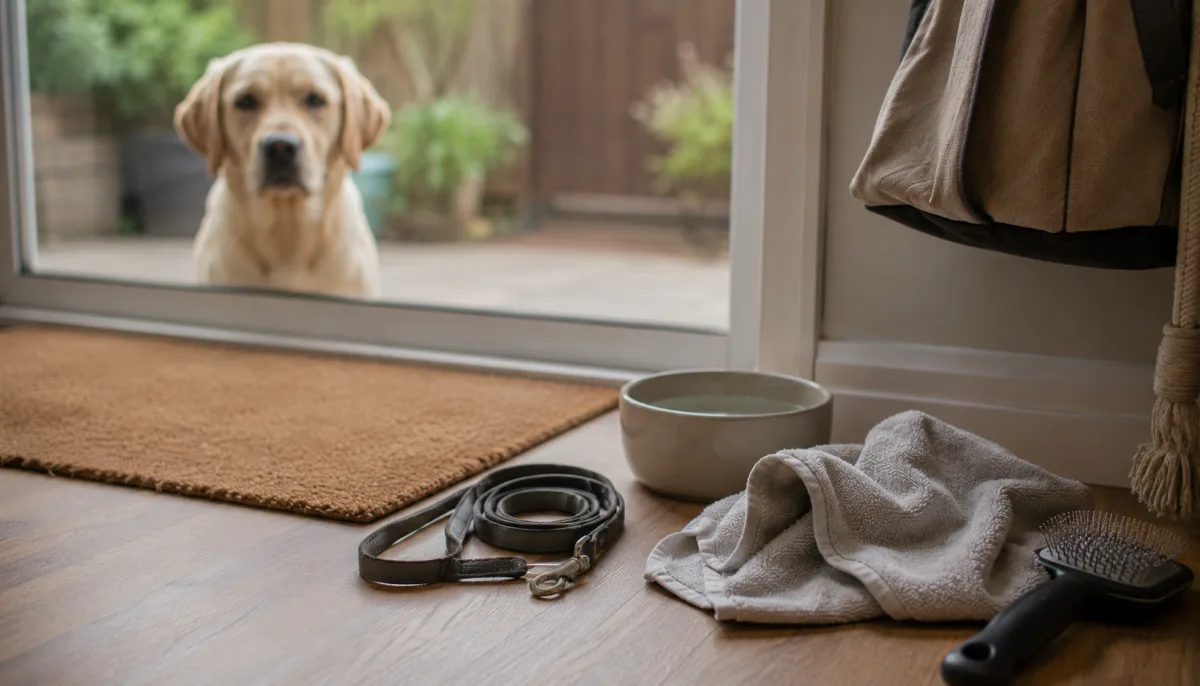
Start with the home. Who will walk the dog, and who can manage a wet, muddy retriever after swimming? Are there children who might be knocked over?
Then look at the existing animals and schedule. An intact dog already in the household changes the plan. Heat cycles, marking, boarding rules, daycare rules, and travel all become part of the decision.
Then ask the breeder which puppy fits. A responsible breeder can often say which puppies are bolder, softer, busier, more people-focused, or more independent. That guidance matters more than letting every buyer choose by color or sex. For breeder selection basics, Livecub's Brittany breeder guide applies well here too.
Grooming is similar for both sexes. Labs shed, especially during seasonal coat changes. If you need brushing routines, Livecub's longhair Dachshund grooming article covers the same handling principle: teach the dog to accept touch before grooming becomes a wrestling match.
Training support should be arranged before the puppy comes home. Labs often learn quickly, but they also learn jumping, counter surfing, and stealing towels quickly. A weekly class, daily five-minute sessions, and clear family rules will do more than choosing one sex and hoping for the best.
If two puppies feel equally good, choose the breeder's recommendation. They have watched the litter through meals, play, visitors, grooming, fatigue, training moments, and recovery after surprise over time. That pattern is better evidence than a buyer's short visit.
Frequently Asked Questions
Are female Labs calmer than male Labs?
Not reliably. Some females are intense and some males are easygoing. Look at the individual puppy, parent temperaments, training plan, and activity needs.
Are male Labradors more affectionate?
Many male Labs are affectionate, but so are many females. Affection varies by genetics, socialization, confidence, health, and how the family interacts with the dog.
Which Lab sex is better with kids?
Either can be good with children when raised and supervised well. Size, jumping, mouthiness, and energy matter more than sex. Children also need rules for safe dog interaction.
Should I choose a male or female Lab as a first dog?
Choose the puppy that fits your household and get breeder guidance. A slightly smaller female may be easier physically, but a calm male from the right litter may be the better first dog.
Do not buy a Labrador by stereotype. Choose the puppy whose body size, energy, confidence, and breeder support fit the life you can actually give.

Timothy Davidson
Edits step-by-step general-interest guides for clarity, realistic limits and source verification.



Leave a reply
Replying to