
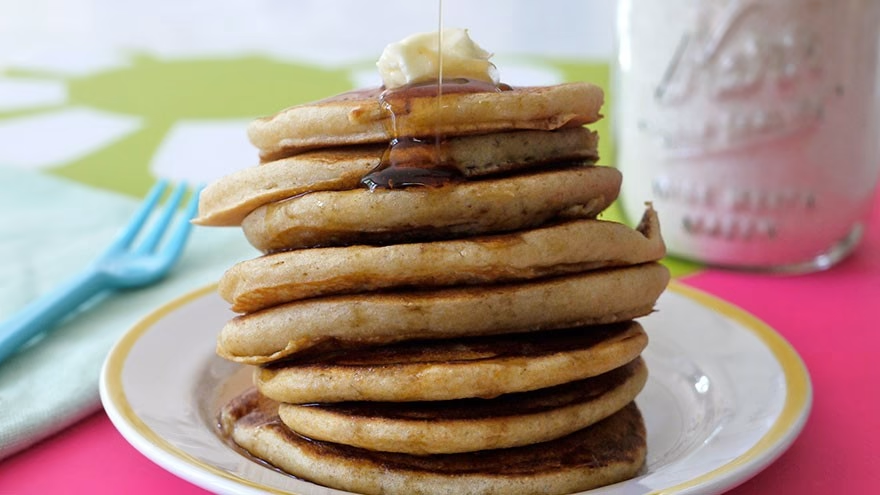
What Is the Point of DIY Pancake and Waffle Mix?
DIY pancake and waffle mix recipes are not about proving boxed mix is bad. They are about separating the dry work from the morning work. If flour, leavening, sugar, and salt are already measured, breakfast becomes as easy as whisking in milk, eggs, and fat while still tasting like something made in your own kitchen.
The useful split is dry mix now, wet mix later. Dry ingredients can be stored together. Milk, eggs, melted butter, oil, yogurt, fruit, and vanilla should be added when you cook. That keeps the mix safer, fresher, and easier to adjust.
Homemade mix also gives you control. You can make it less sweet, add whole wheat flour, use buttermilk powder, make a smaller batch, or keep a plain base ready for blueberries, bananas, chocolate chips, or savory waffles.
Food safety still matters because flour is a raw agricultural product. The FDA's raw dough and batter guidance warns that uncooked flour and raw eggs can carry germs, so batter should be cooked before tasting.
What Dry Mix Ratio Works for Pancakes?
A reliable basic dry mix is simple: flour, baking powder, sugar, and salt. For a small jar, use 2 cups all-purpose flour, 1 tablespoon baking powder, 2 tablespoons sugar, and 1/2 teaspoon fine salt. Whisk very well so the leavening does not clump in one corner.
To cook one batch, whisk 1 cup of dry mix with 3/4 cup milk, 1 large egg, and 2 tablespoons melted butter or neutral oil. The batter should be pourable but not watery. Add a splash more milk if it sits too thick after resting.
Rest the batter for about five minutes before cooking. Flour hydrates, bubbles start forming, and the first pancake is less likely to be dense. Rest before the griddle is a small step that makes homemade mix feel more reliable.
Cook on a lightly greased griddle over medium heat. Flip when bubbles appear and the edges look set. If the outside browns before the center cooks, lower the heat.
The first pancake is often a test piece. Use it to judge heat, batter thickness, and pan grease. If it spreads too fast, let the batter rest longer or add a spoonful of dry mix. If it sits like paste, add milk slowly.
For a sweet finish after breakfast or brunch, Livecub's fudge icing recipe belongs in the same practical home-baking lane.
How Do You Turn the Same Mix Into Waffles?
Waffles need more fat and a little more structure than pancakes because they cook between hot plates and should hold crisp edges. Use 1 cup of dry mix, 3/4 cup milk, 1 large egg, and 3 tablespoons melted butter or oil. For a richer waffle, separate the egg and fold in the beaten white.
Do not pour pancake-thin batter into a waffle iron and expect crisp results. Waffle batter should be slightly thicker, and the iron should be fully heated before the first scoop. Steam is normal at first; lifting too early can tear the waffle.
Set finished waffles on a rack instead of stacking them on a plate. Stacking traps steam and softens the crust. If you are cooking for several people, hold waffles on a rack in a low oven until the batch is done.
For bigger recipe planning, Livecub's basic corn souffle recipe shows the same breakfast-table lesson: texture depends on moisture, heat, and timing.
Can You Make Buttermilk or Whole Wheat Mix?
Buttermilk flavor can come from liquid buttermilk added at cooking time or buttermilk powder added to the dry jar. If using buttermilk powder, follow the package directions because brands vary. You may need a pinch of baking soda if the batter tastes too sharp or does not brown well.
Whole wheat flour brings nuttier flavor but absorbs more liquid. Start by replacing one-third to one-half of the all-purpose flour with whole wheat flour. If the batter thickens as it rests, add milk one tablespoon at a time.
Oat flour, cornmeal, buckwheat flour, or rye flour can be used in small amounts, but they change tenderness. Keep at least part of the mix all-purpose flour unless you are using a tested recipe designed around alternative flours.
The best jar is plain enough to adapt. A base mix can become blueberry pancakes, cornmeal waffles, banana pancakes, or cinnamon apple waffles without keeping six different containers in the pantry.
How Should Homemade Mix Be Stored?
Keep dry pancake and waffle mix in a clean airtight container in a cool, dry place. Label it with the date, ingredients, and wet-addition instructions. Oregon State University Extension's pancake mix storage guidance notes that storage life depends on ingredients and conditions.
Do not add fresh dairy, eggs, melted butter, fruit, or water to the storage jar. Once liquid is added, the mixture becomes batter and should be handled like perishable food. Mix only what you plan to cook.
Label the jar so nobody has to guess. Write the date, "use 1 cup mix," and the wet ingredients on tape or a card. This one detail is what makes a homemade mix convenient for someone other than the person who made it.
If the mix smells stale, looks damp, shows clumps from moisture, or contains insects, throw it away. Baking powder also loses strength over time, so old mix may cook flat even if it is not visibly spoiled.
What Add-Ins Work Without Wrecking Texture?
Blueberries, diced bananas, chocolate chips, toasted nuts, lemon zest, cinnamon, and small diced apples all work, but the amount matters. Too many add-ins make pancakes tear and waffles stick.
Fold add-ins into batter gently or sprinkle them onto each pancake right after pouring. Frozen berries can bleed color and cool the batter, so use them straight from the freezer and avoid crushing them.
For savory waffles, reduce the sugar and add corn, scallions, shredded cheese, cooked bacon, herbs, or pepper. Keep wet ingredients modest, and grease the waffle iron well if using cheese.
Livecub's Christmas cookie ornaments recipe is a very different project, but it shares one baking habit with breakfast mixes: dry ingredients must be measured carefully before the fun add-ins start.
Can You Freeze and Reheat Extras?
Extra pancakes and waffles freeze well if you cool them first. Lay them on a rack until steam is gone, freeze in a single layer if you have time, then move them to a freezer bag or container. This keeps pieces from welding together.
Reheat pancakes in a toaster, oven, or skillet instead of microwaving them into rubber. Waffles do especially well in a toaster or oven because dry heat brings back some crispness.
Portion leftovers for the way your household actually eats. Two waffles in one bag are more useful than a frozen stack that has to be chipped apart before school or work.
What Food Safety Mistakes Should You Avoid?
The Centers for Disease Control and Prevention's raw dough safety guidance says not to taste raw dough or batter. That applies to pancake batter too, even if it looks harmless.
Do not taste raw batter. Cook pancakes and waffles fully, wash hands after handling flour or eggs, and clean counters, bowls, whisks, and measuring cups that touched raw batter.
Leftover cooked pancakes and waffles should cool promptly, then be refrigerated or frozen. Reheat until hot. If they sat out through a long brunch, use food-safety judgment instead of trying to save every piece.
Livecub's Yugoslavian chicken recipe covers a different meal, but the same kitchen discipline applies: separate raw ingredients, cook thoroughly, and cool leftovers promptly.
A good homemade mix should make breakfast easier, not messier. Keep the dry jar simple, write the wet directions clearly, cook batter fully, and adjust texture one small splash at a time.
Frequently Asked Questions
Can pancake mix and waffle mix be the same?
Yes, if the dry base is plain. Waffles usually need more fat and sometimes a thicker batter.
How long does homemade pancake mix last?
It depends on ingredients and storage conditions. Keep it dry, label the date, and replace it if leavening weakens or the mix smells stale.
Can I add powdered milk to the dry mix?
Yes, but label the jar clearly and use the amount recommended for the type of milk powder you buy.
Why are my homemade pancakes dense?
The batter may be overmixed, too thick, old in leavening, or cooked on heat that is too low.

Linda Fehrman
Edits general wellness and relationship explainers. Health material is educational, avoids diagnosis and links to health-authority guidance.


Leave a reply
Replying to