
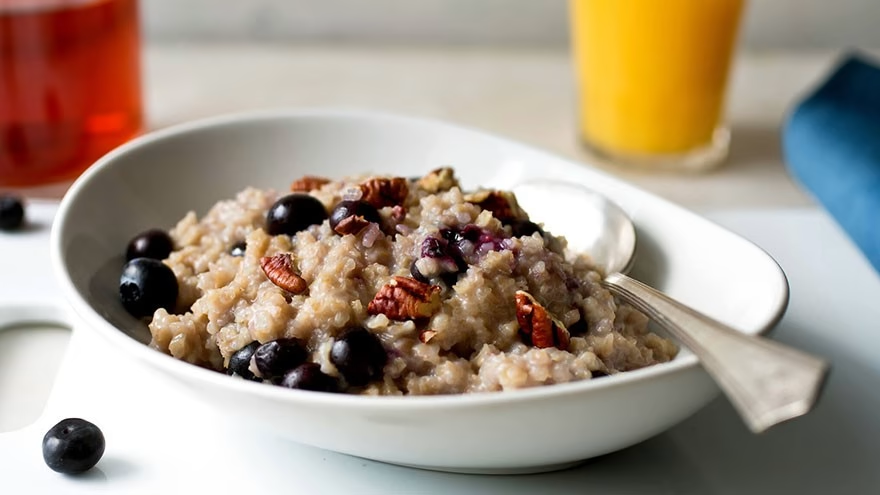
Start With a Breakfast You Will Actually Eat
An easy breakfast cereal recipe should make mornings simpler, not turn them into a baking project with twelve bowls. The goal is a crisp homemade mix that tastes good with milk, yogurt, fruit, or a handful on the way out the door. Oats are the base, nuts and seeds add crunch, and a small amount of sweetener helps everything toast.
Homemade cereal also lets you control what many boxed cereals hide: sugar level, salt, fat, dried fruit, and serving size. The American Heart Association's page on added sugars reminds shoppers to look at added sugars on the Nutrition Facts panel. At home, you decide how sweet breakfast needs to be.
This recipe sits between granola and loose oat cereal. It is crisp enough to snack on, but not so sweet that it feels like dessert. The best batch has toasted grain flavor, not just sugar.
Use a Flexible Base Formula
Start with three cups rolled oats, one cup chopped nuts or coconut, half a cup seeds, one-third cup maple syrup or honey, one-third cup neutral oil or melted butter, one teaspoon vanilla, half a teaspoon cinnamon, and a pinch of salt. Add dried fruit only after baking so it does not harden or burn.
Rolled oats work better than instant oats because they hold shape. Steel-cut oats are too hard for this style. Harvard's Nutrition Source page on oats explains the differences between oat forms and notes that less processed oats digest more slowly than instant forms. For baked cereal, rolled oats are the practical middle.
Choose nuts and seeds based on what you have. Almonds, walnuts, pecans, pumpkin seeds, sunflower seeds, sesame seeds, and flaxseed all work. Chop large nuts so they mix evenly. If allergies are a concern, use more seeds and skip nuts.
Keep the first batch simple. Use one nut, one seed, and one spice. After you know the texture, change one thing at a time. This prevents the usual pantry problem where a breakfast cereal becomes a mystery mix that cannot be repeated.
Mix for Clusters or Loose Cereal
For loose cereal, stir everything well and spread it thinly. For clusters, press the mixture firmly onto the baking sheet and avoid stirring too often. A little more sweetener helps clusters, but too much can make breakfast heavy. Decide which texture you want before the tray goes into the oven.
Use parchment paper and a rimmed baking sheet. Stir the wet ingredients together first, then pour them over the oats, nuts, and seeds. Every oat should look lightly coated, not soaked. If the mix seems dry, add a tablespoon of oil or sweetener, not a large pour. Small changes are easier to control.
If you like recipe building, Livecub's Asian seasoning mix guide is a different flavor world, but it uses the same habit: start with a base, then adjust with intention.
Bake Until Dry, Not Dark
Bake at 300 to 325 degrees Fahrenheit. Lower heat gives the oats time to dry and crisp without burning the nuts. Stir once or twice for loose cereal. For clusters, rotate the tray and stir only near the edges, then let the slab cool before breaking it.
The cereal will crisp as it cools, so do not wait for it to feel fully crunchy in the oven. Pull it when it smells toasted and looks lightly golden. Dark brown bits can taste bitter by breakfast. Add dried fruit, coconut flakes if using late, or chocolate only after the mix cools enough not to melt everything.
Let the tray sit undisturbed for clusters. If you stir the cereal while it is cooling, it will break into smaller pieces. That may be exactly what you want for a loose cereal. For chunky pieces, patience matters after baking as much as it does during baking.
For a sweeter brunch table, Livecub's Mom's Best Fudge Icing is a dessert direction. This cereal should stay lighter, with sweetness kept in check so it works as breakfast.
Add Flavor Without Turning It Into Candy
Cinnamon, cardamom, ginger, nutmeg, orange zest, vanilla, cocoa powder, and a small pinch of salt can make homemade cereal taste finished. Peanut butter or almond butter can be stirred into the wet ingredients for a richer batch. Use restraint with dried fruit because raisins, dates, cranberries, and apricots add concentrated sweetness.
Harvard's whole grains guide says whole grains provide a more complete nutrient package than refined grains. You can read that overview at The Nutrition Source. A cereal built from oats, nuts, seeds, and fruit can fit that idea better than a bowl built mostly from refined flakes and sugar.
Balance the bowl at serving time. Milk, yogurt, kefir, fruit, or a spoon of nut butter can make the cereal more filling. If you serve it dry by the handful, pre-portion a small bowl. Homemade does not automatically mean unlimited.
For children, keep add-ins visible and familiar. A base cereal with a separate bowl of berries, banana, or raisins lets each person build a bowl without forcing one flavor on everyone. It also keeps dried fruit from softening the whole jar.
For busy mornings, portion a few servings into small containers. Add milk or yogurt at the table, not the night before, unless you want a softer overnight style. Keeping the crunchy part separate protects texture and makes the cereal more useful during a rushed week.
Store It So It Stays Crisp
Cool the cereal completely before storing. Warm cereal in a closed jar creates steam, and steam steals crunch. Use an airtight container and keep it in a cool, dry place. If your kitchen is humid, make smaller batches more often.
Most homemade cereal tastes best within one to two weeks, depending on ingredients. Nuts can go stale, and dried fruit can soften the mix. If you add chocolate, yogurt chips, or extra fruit, storage time may shorten. Label the jar with the date if your household makes several snack mixes.
If the cereal softens, spread a portion on a tray and warm it briefly in a low oven. Watch closely because nuts and coconut can darken fast the second time. Let it cool again before returning it to a jar.
Do not store cereal beside the stove if that area gets warm and steamy. A pantry shelf or cool cabinet is better. If you add a scoop to lunch boxes, pack it in a separate dry container so fruit or yogurt does not soften it before breakfast-style crunch is wanted.
For a breakfast or brunch spread, Livecub's cookie display guide can be adapted to cereal toppings: keep bowls visible, separate crunchy and soft items, and make serving easy.
Simple Variations
For apple cinnamon cereal, use oats, walnuts, cinnamon, maple syrup, and dried apples added after baking. For cocoa almond cereal, add a tablespoon of cocoa powder to the dry mix and sliced almonds for crunch. For seed-heavy cereal, use pumpkin, sunflower, sesame, and flax with oats and a little honey.
For a less sweet everyday batch, reduce the sweetener slightly and serve with ripe fruit. For a more snack-like batch, increase clusters and add dried cherries after cooling. Keep one change at a time when testing. That way you know what actually improved the cereal.
A savory-leaning version can use less sweetener, more seeds, sesame, and a pinch of spice, but keep it breakfast-friendly. A dessert-leaning version can add cocoa nibs or dark chocolate after cooling. Either way, write down the version that worked so the next batch is not guesswork.
The best easy breakfast cereal recipe is one you can repeat without rereading every line. Once you know the base formula, the pantry does most of the work.
Frequently Asked Questions
Can I make breakfast cereal without nuts?
Yes. Use pumpkin seeds, sunflower seeds, sesame seeds, coconut, or extra oats. Check labels carefully if allergies are serious.
Why is my homemade cereal not crunchy?
It may need more baking time, more cooling time, or less crowding on the pan. Store it only after it is completely cool.
Should I add dried fruit before baking?
Usually no. Dried fruit can harden or burn in the oven. Stir it in after the cereal has baked and cooled slightly.
How do I make it less sweet?
Reduce the sweetener a little, add more spices, and serve with fresh fruit. Avoid replacing all sweetener at once because texture may change.

Chiara Bradshaw
Covers education, culture and creative topics with an emphasis on readable explanations and verifiable references.



Leave a reply
Replying to